
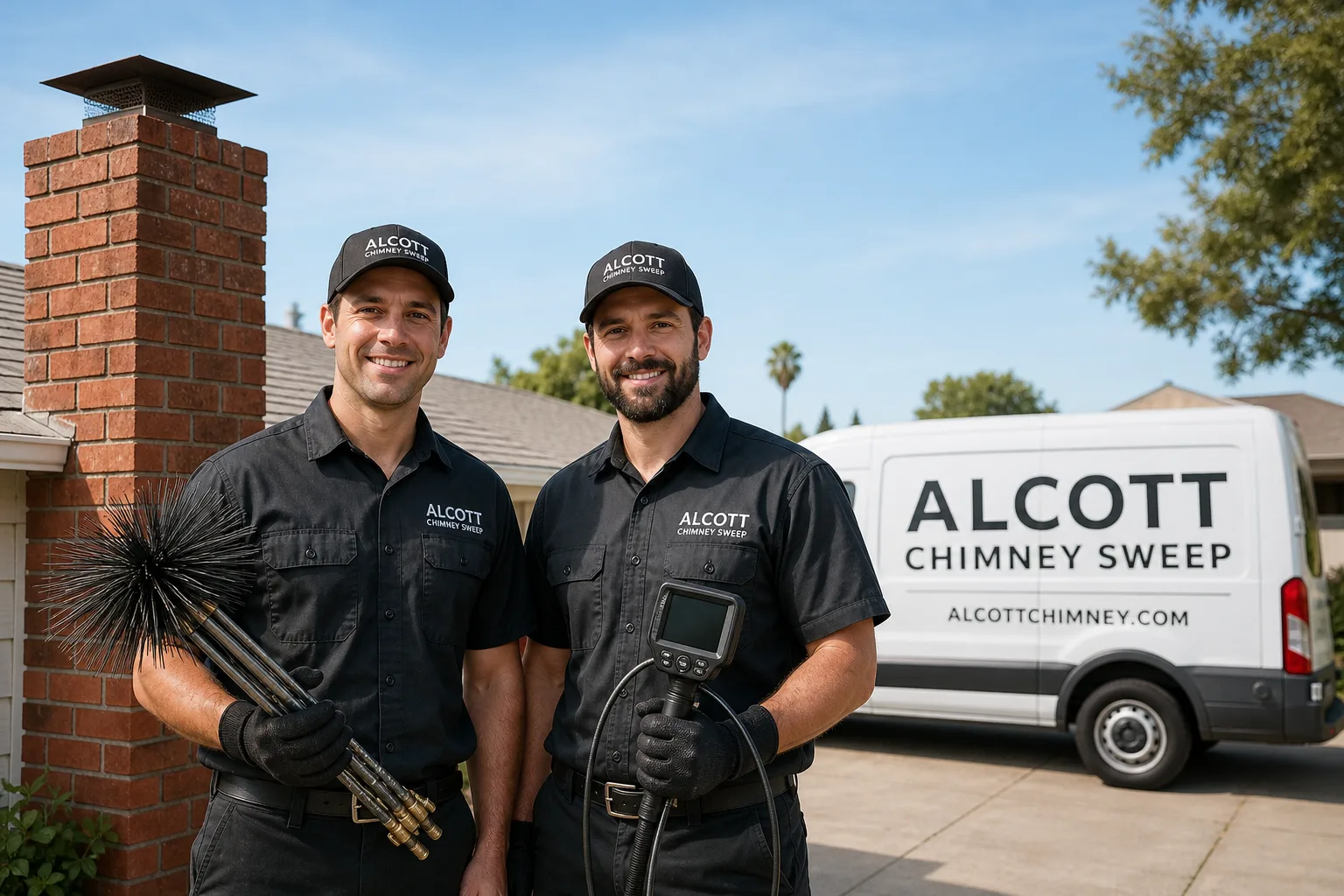
Level 1 sweep and inspection to the NFPA 211 annual standard - flue, crown, cap, and flashing checked and photographed
Chimney sweep logs do not sweep chimneys. They loosen some creosote - which then falls where a brush and vacuum still have to collect it.
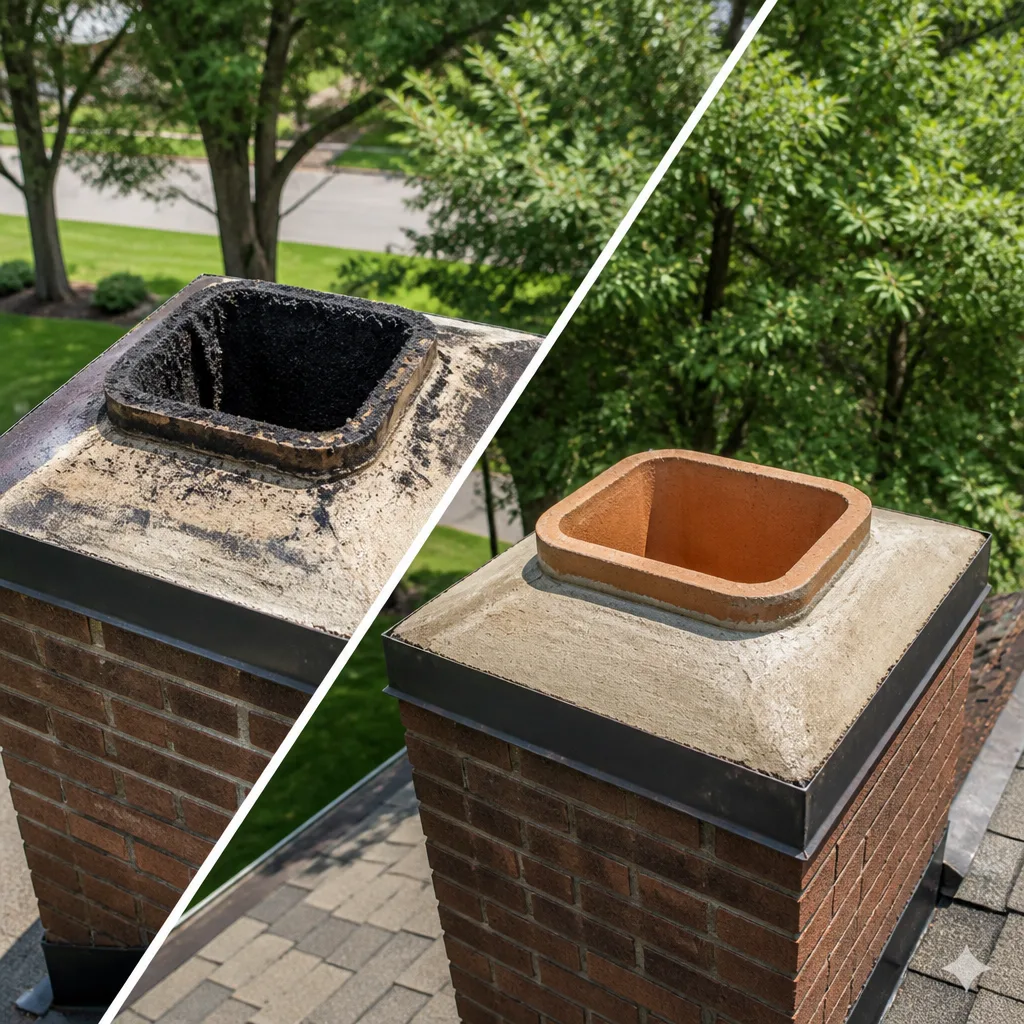
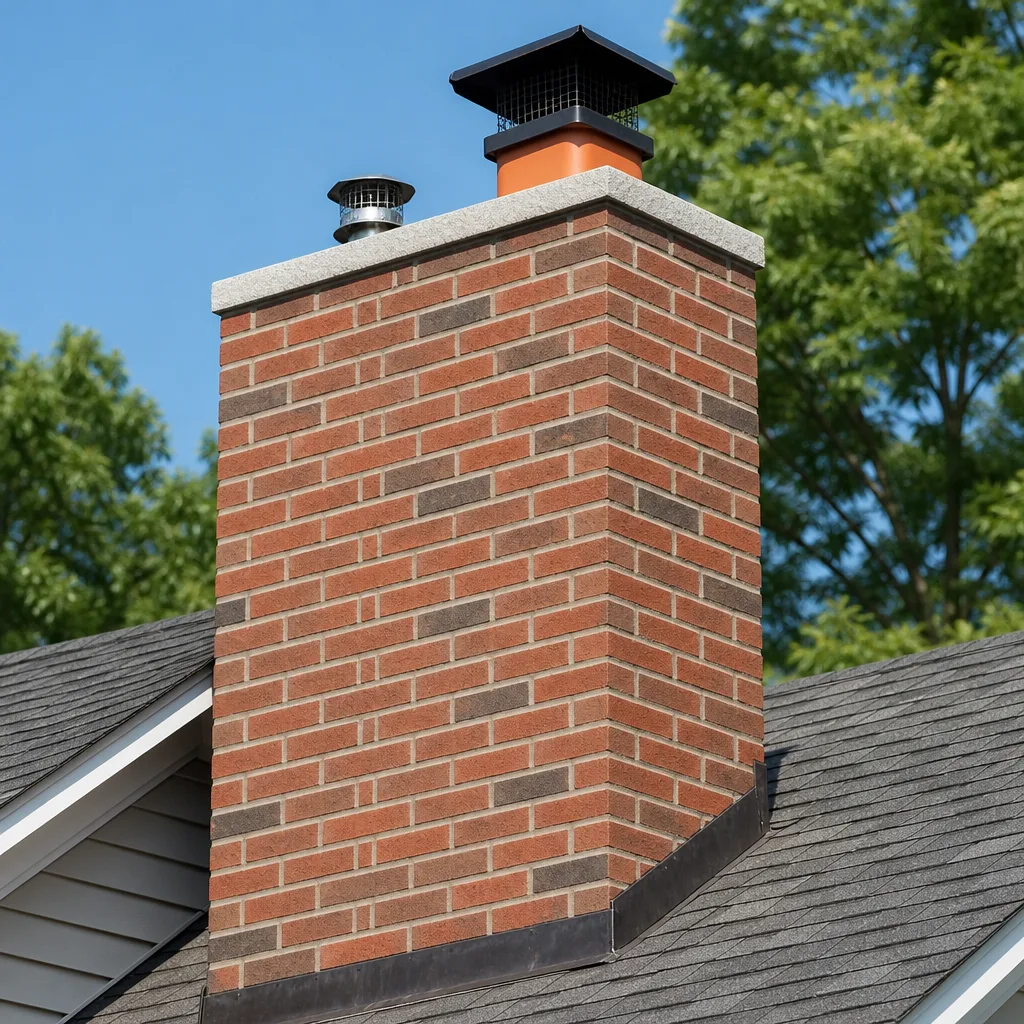
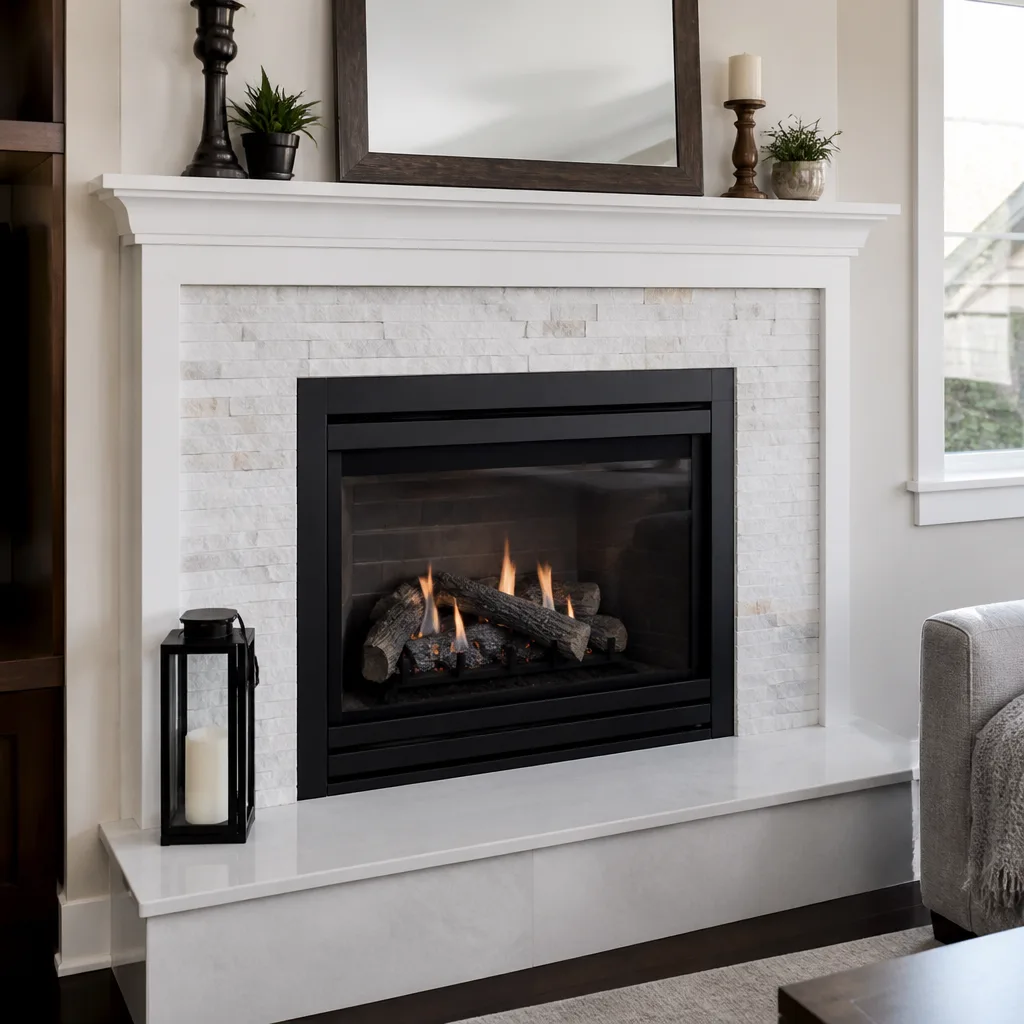
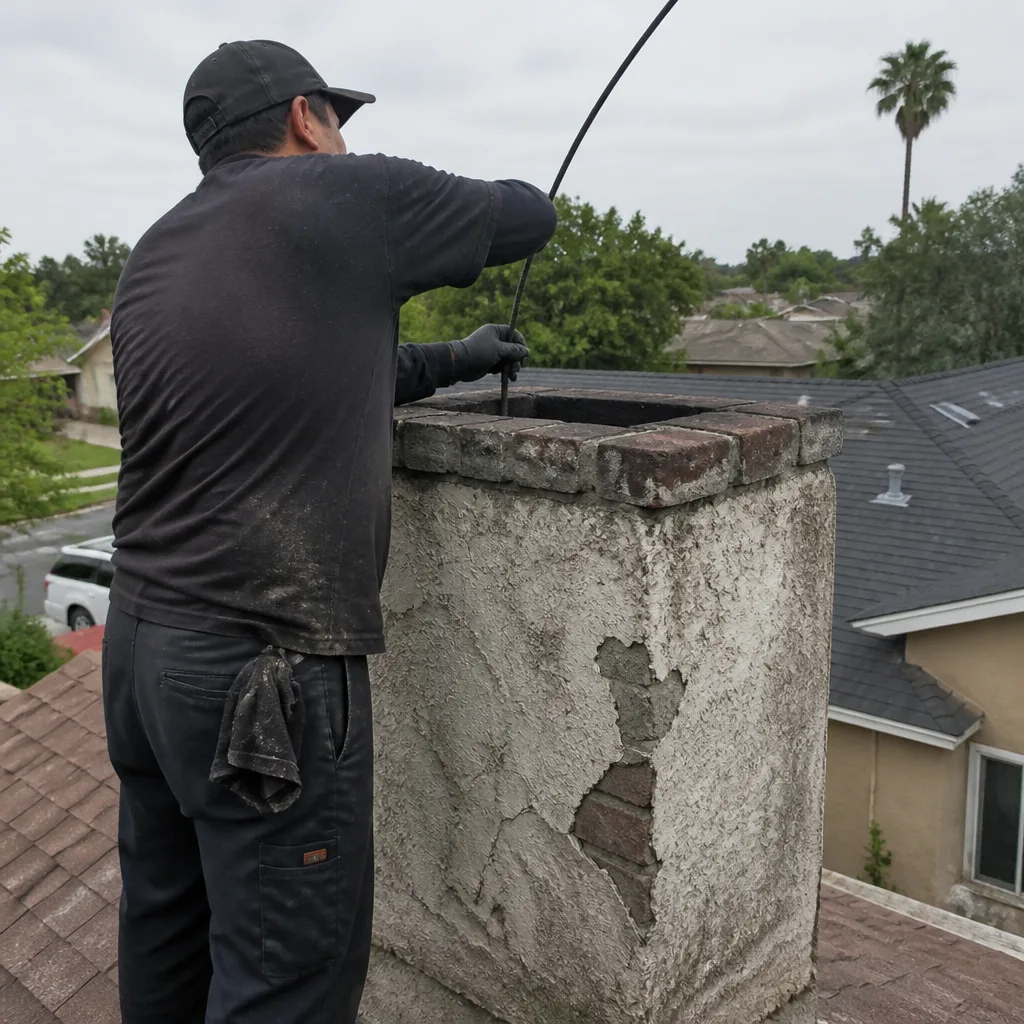 Before
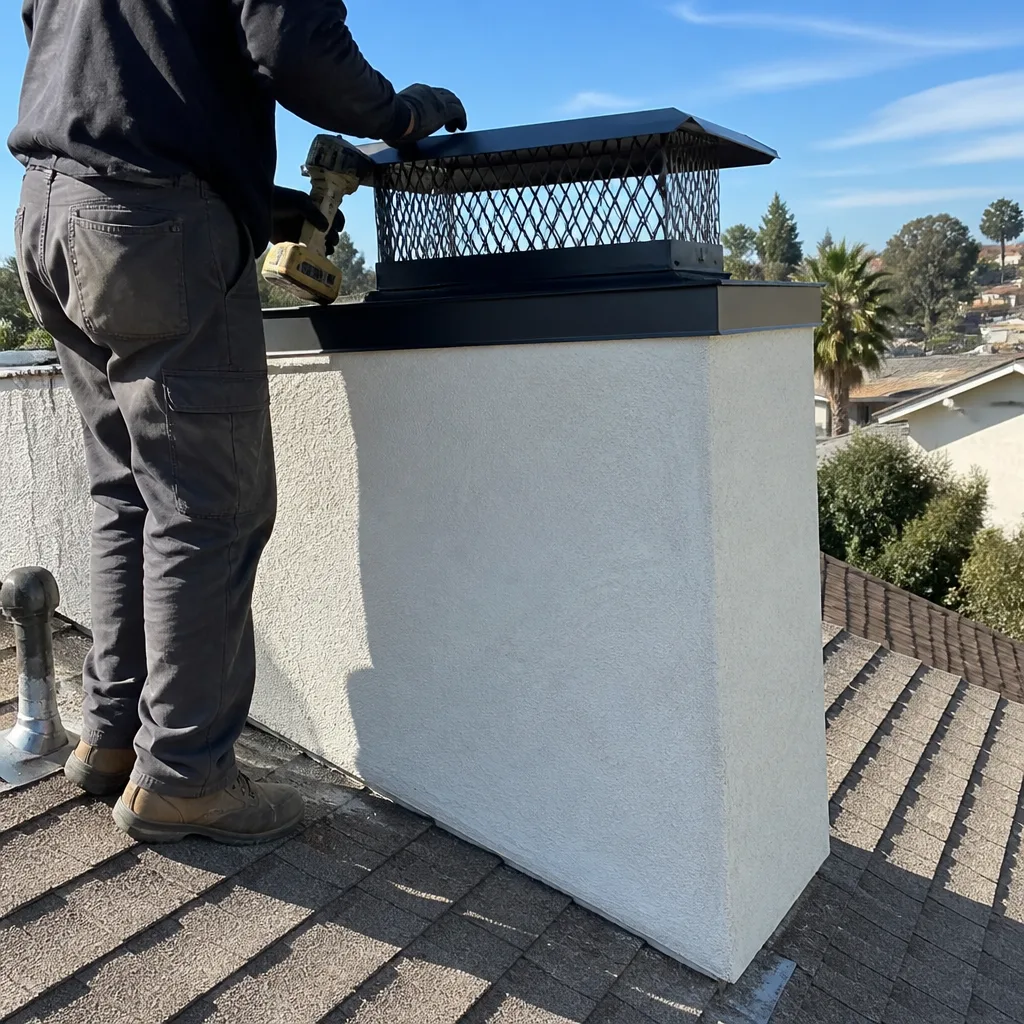 After
After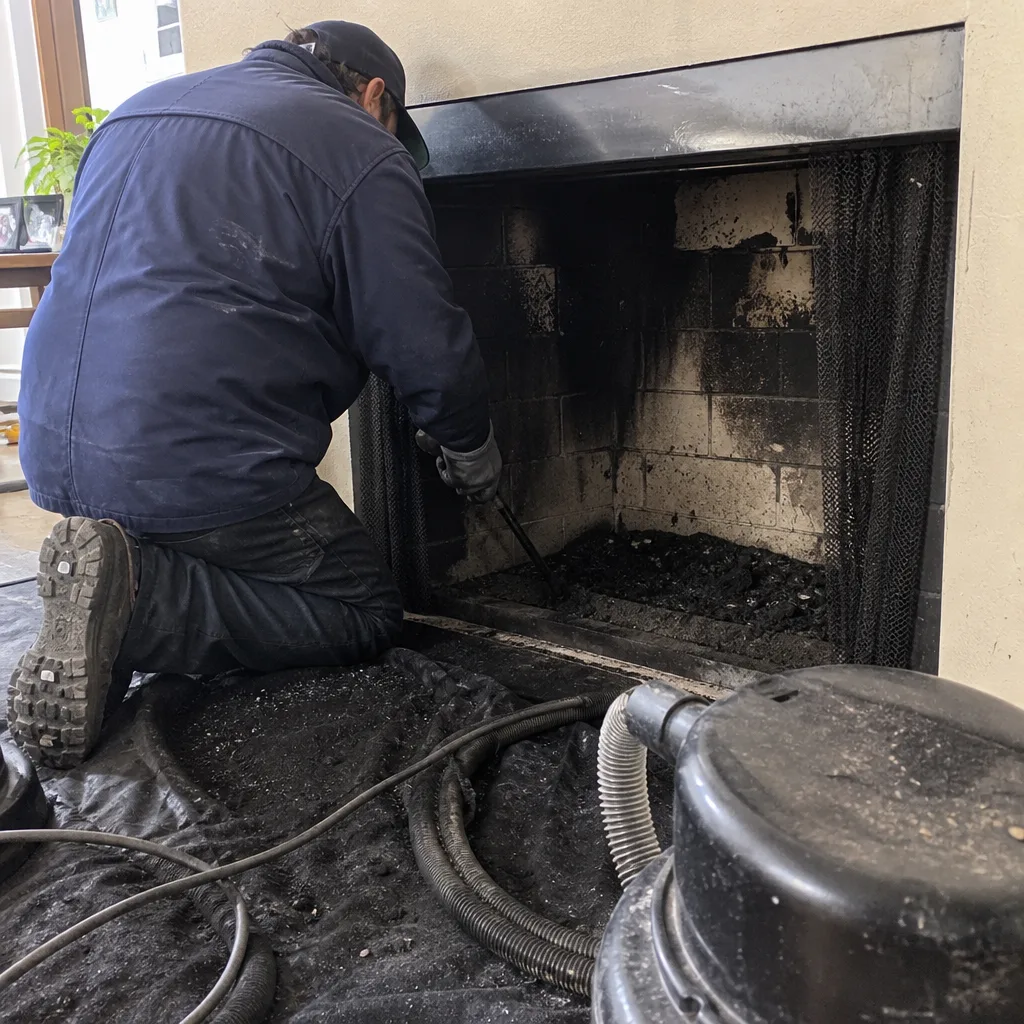 Before
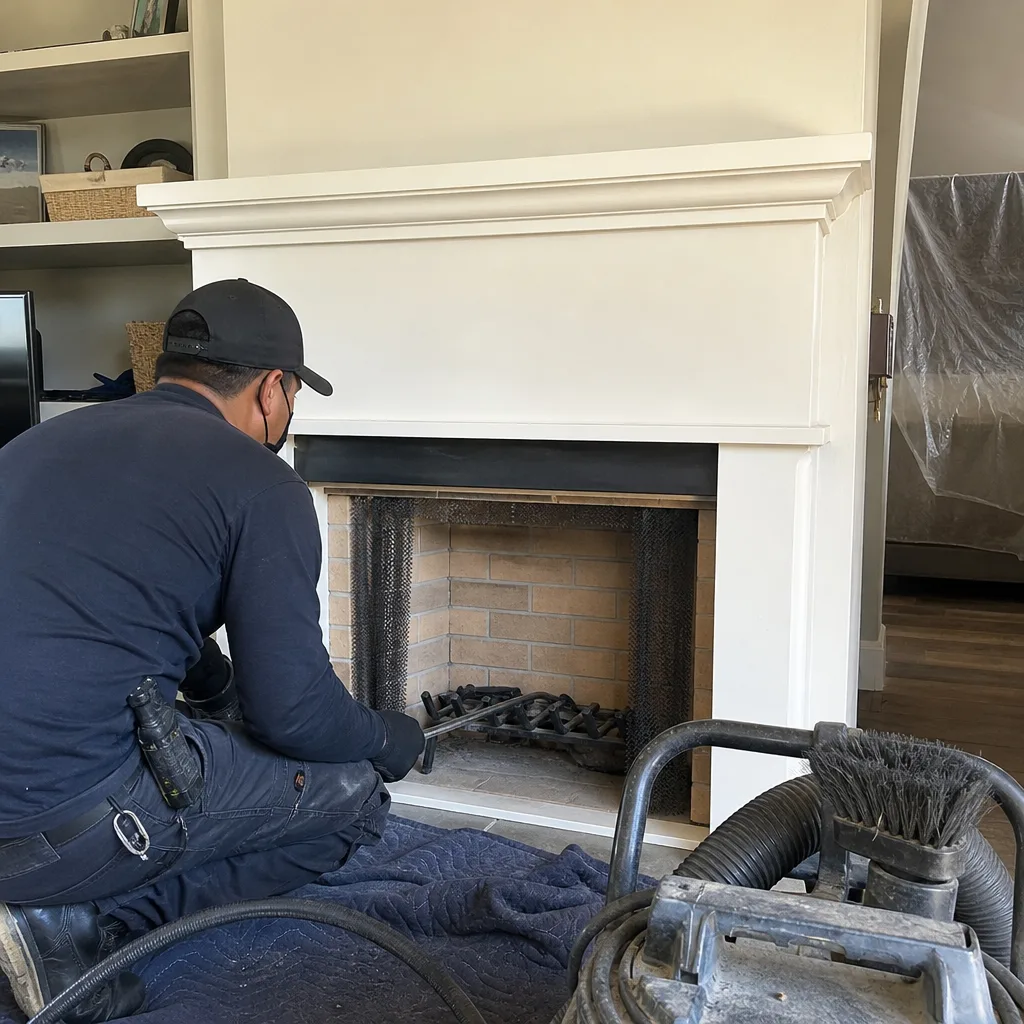 After
After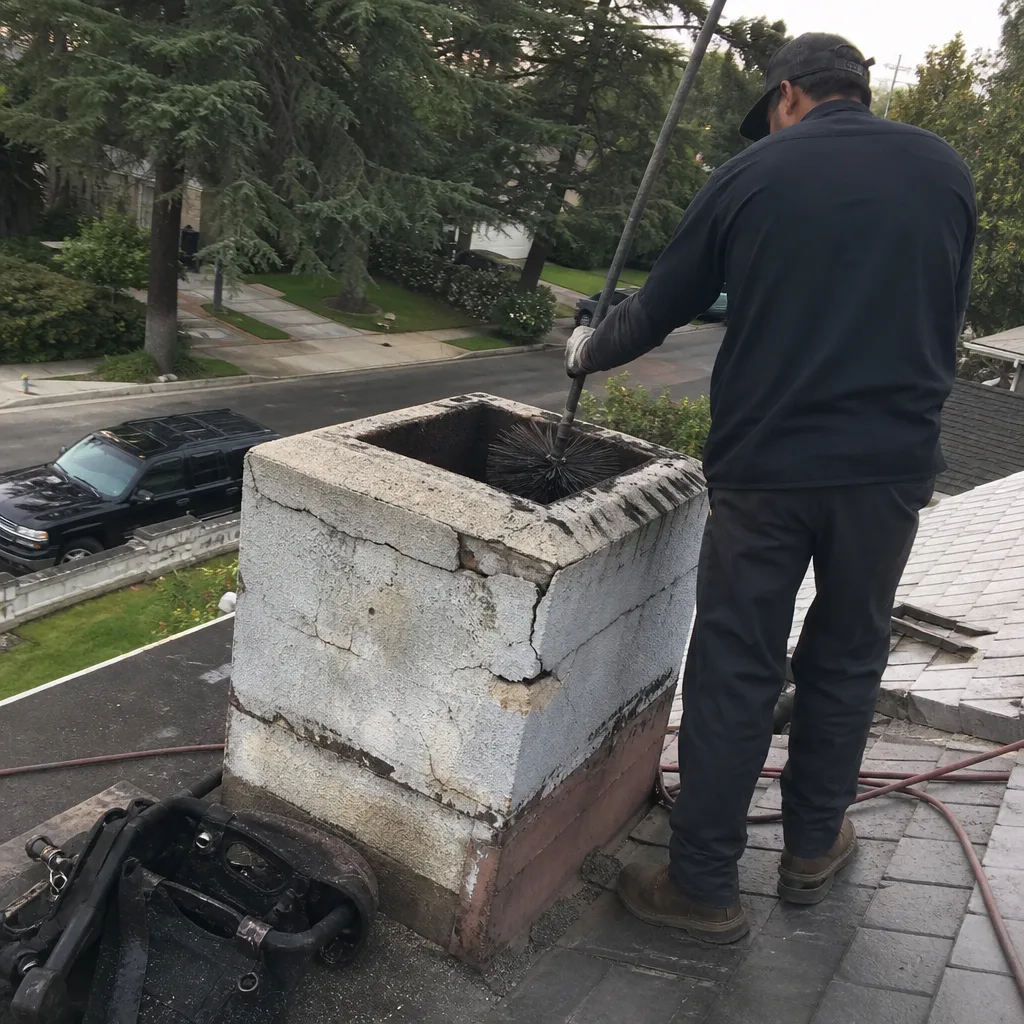 Before
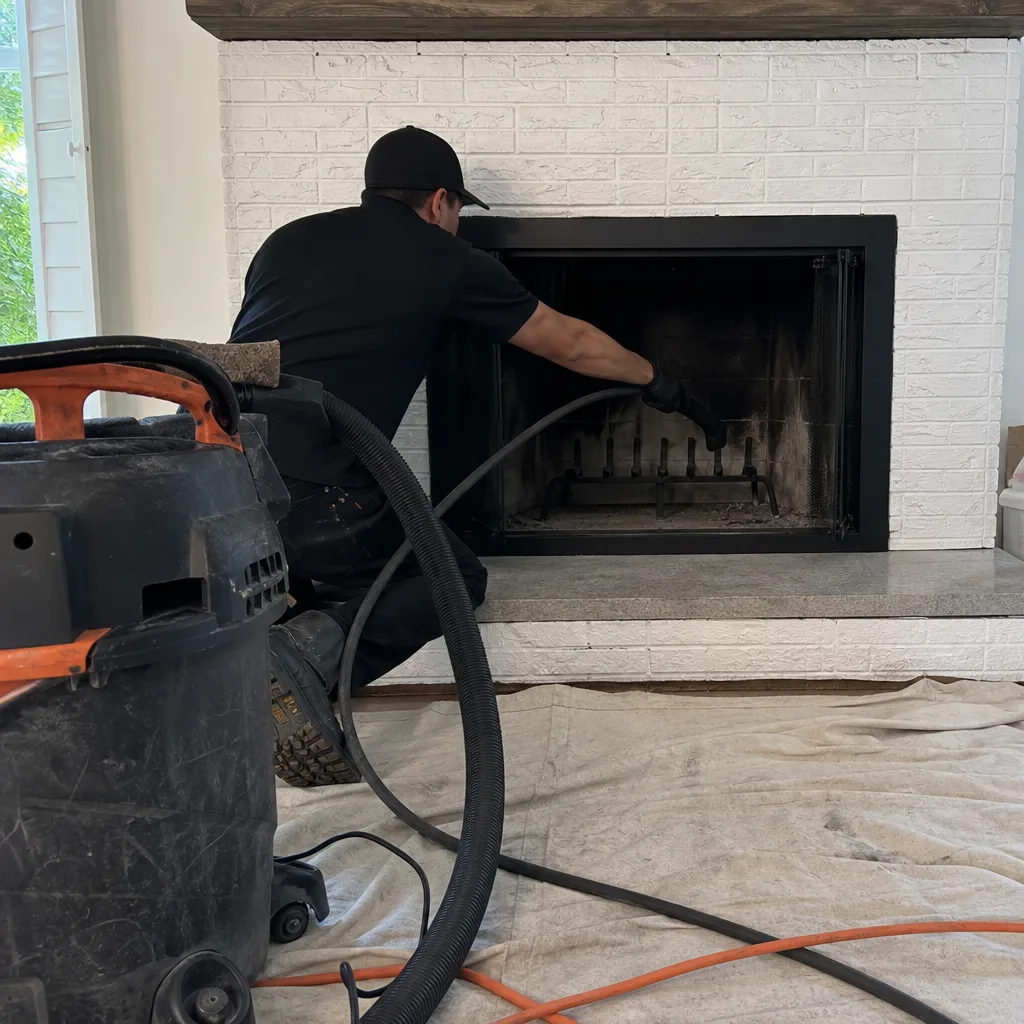 After
AfterWater Leaking Down the Chimney
Water dripping, streaking, or pooling near your fireplace almost always means your chimney’s weather protection has failed somewhere – the crown, the flashing, the cap, or the masonry itself. It is rarely one dramatic crack; more often it’s a small gap that’s been letting moisture in for months before you notice it inside the house. The good news is that every one of those failure points is fixable, and a trained technician can tell you exactly which one is causing the problem after a proper inspection.
Chimneys are exposed to more weather stress than almost any other part of your home. They sit above the roofline with no shelter, taking direct rain, freeze-thaw cycles, and sun damage year after year. The materials that seal a chimney – mortar, metal flashing, concrete crowns – were never designed to last forever, and when one of them lets go, water finds the path of least resistance straight down into your living space. Left alone, that moisture damages the firebox lining, the damper, surrounding masonry, and eventually the framing and drywall around the chimney chase.
Why It Happens
Damaged or Missing Chimney Cap
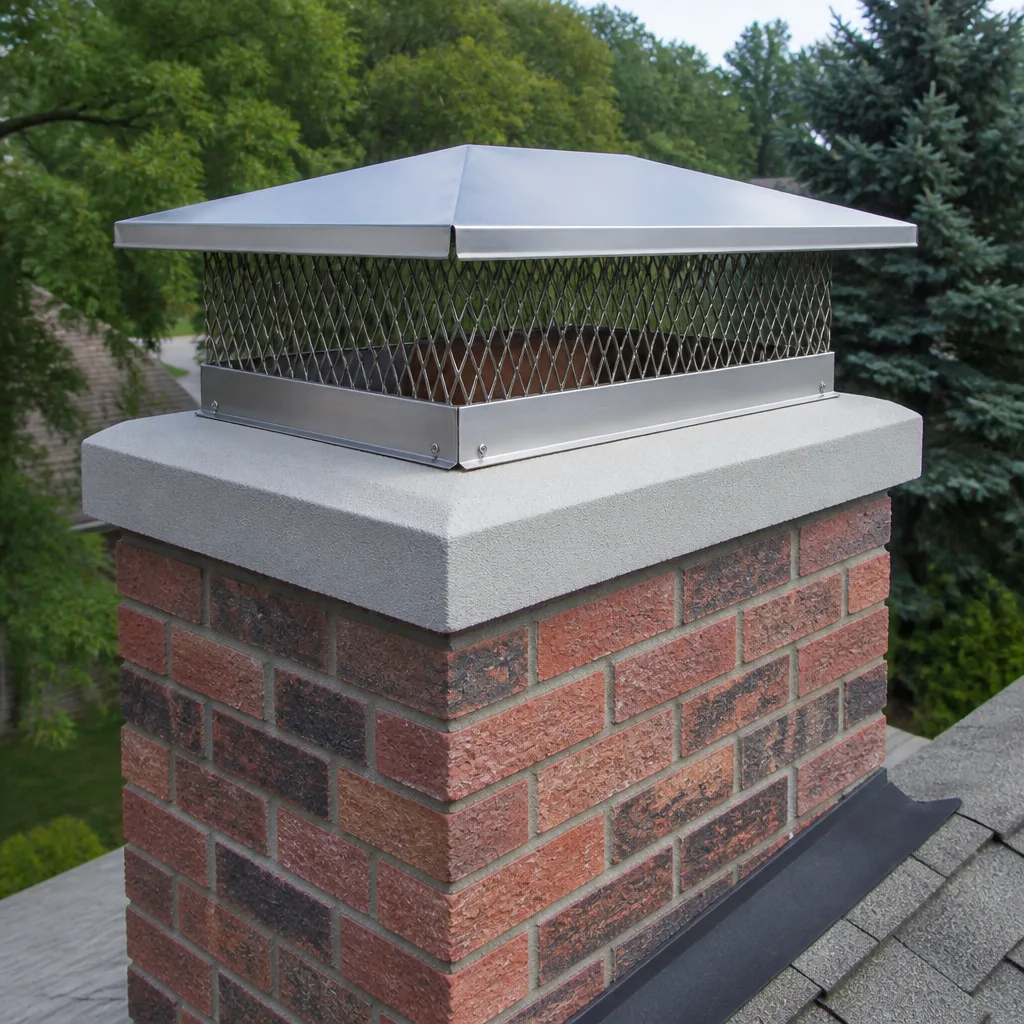
The cap sits at the very top of the flue and is the first line of defense against rain falling directly into the chimney. Galvanized caps rust through, mesh screens corrode, and plastic components crack after enough UV exposure. If you can safely look up at your chimney from the ground with binoculars and the cap looks bent, missing entirely, or the mesh is visibly deteriorated, that’s a strong indicator water is entering from the top. Rain falling straight into an uncapped flue also carries debris down with it, which compounds the problem.
Failed or Lifted Flashing
Flashing is the metal seal where the chimney meets the roof, and it’s one of the most common leak points on any home. Over time, caulk dries out, metal corrodes, and the flashing can separate from the chimney or lift away from the roofline, leaving a gap water slides right through. A telltale sign is water appearing on the ceiling or wall directly beside the chimney rather than inside the firebox – that’s the moisture traveling along the roofline before it enters the house.
Cracked or Deteriorated Chimney Crown
The crown is the concrete or mortar slab that caps the top of the chimney stack around the flue opening. It’s designed to shed water away from the masonry below, but concrete is porous and prone to cracking as it expands and contracts with temperature changes. When the crown cracks, water seeps into those cracks, freezes in winter, and widens them – a cycle that accelerates quickly. If you see white staining (called efflorescence) running down the outside of your chimney, the crown is likely letting water into the masonry and it’s been doing it for a while.
Spalling or Porous Brick and Mortar
Brick and mortar absorb water when their surface protection wears away. When that absorbed moisture freezes, it expands and breaks pieces of brick away from the face – this is called spalling. You might notice chunks of brick or sandy mortar debris on the ground around your chimney’s base, or see horizontal grooves where mortar joints have eroded. Spalling masonry can absorb significant amounts of water before it ever shows up inside, so by the time you see interior moisture, the exterior damage is usually well along.
What to Do Right Now
- Stop using the fireplace. A wet flue liner is a degraded flue liner. Running a fire while water is actively entering the system accelerates damage to the lining and can compromise the venting of combustion gases into your home. Keep the damper closed to slow the water entry while you wait for an inspection.
- Photograph what you see. Take photos of any water staining on walls or ceilings, debris on the hearth floor, rust marks on the damper or firebox, and the exterior of the chimney stack if you can do so safely from the ground. These images help the technician understand what’s been happening before they arrive.
- Put a bucket down and protect the floor. If water is actively dripping, protect your flooring and any nearby furniture. Document the location of the drip relative to the fireplace opening – that detail helps narrow down the entry point.
- Do not attempt to inspect the roof or chimney cap yourself. Getting onto a roof to examine flashing or a chimney cap is genuinely dangerous work, especially on a wet day. A trained technician has the equipment and experience for that. Stay on the ground.
- Check for any smell of mold or musty odor. Persistent moisture inside a chimney chase creates conditions for mold growth in the surrounding framing. Note it if you smell it – it’s useful information for whoever comes to inspect.
How We Fix It
When your local Alcott Chimney Sweep technician arrives, the first step is a chimney inspection – a thorough look at the cap, crown, flashing, exterior masonry, and the interior of the flue. If the view into the flue is needed, a camera inspection gives a clear picture of what’s happening inside the liner. Nothing is recommended without evidence you can see for yourself.
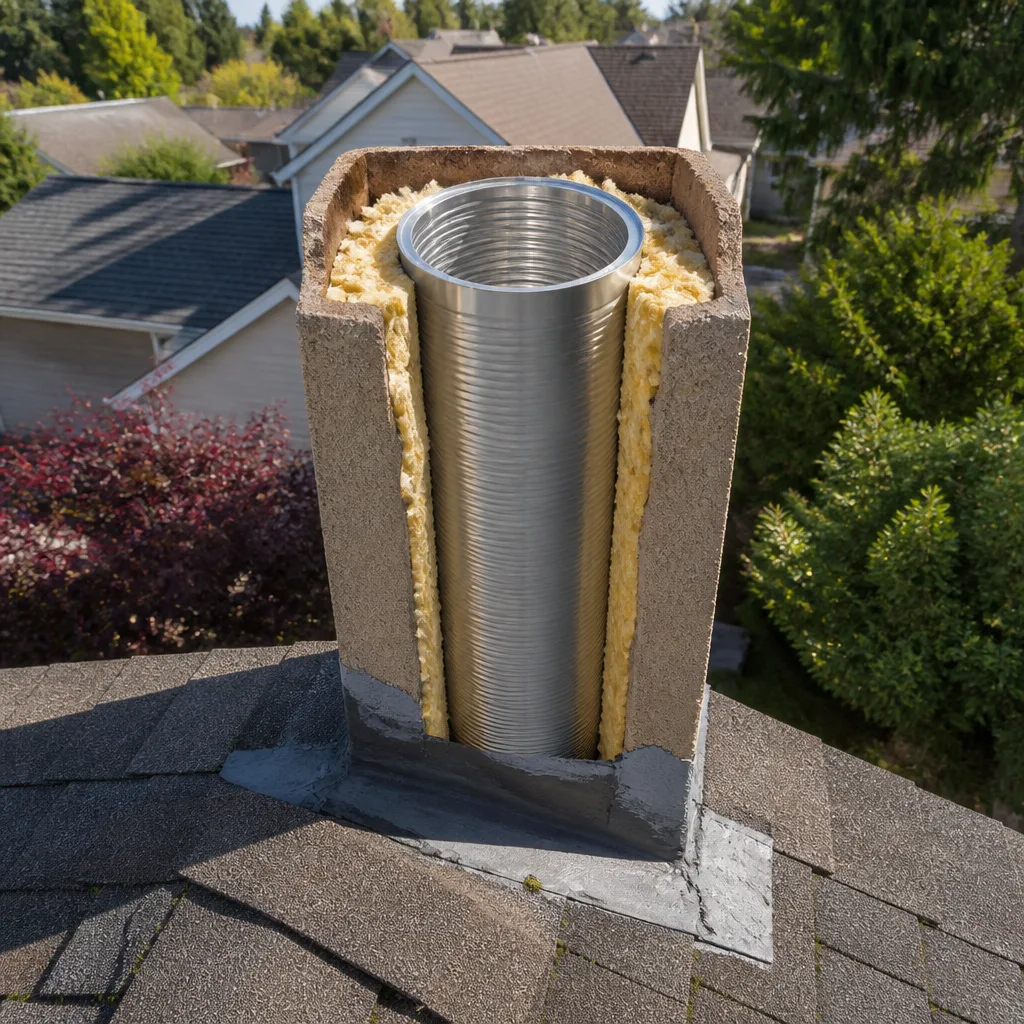
Once the entry point is confirmed, the technician walks you through exactly what needs attention and hands you a written price before any work begins – always, without exception. Repairs might include a new cap, crown repair or resurfacing using HeatShield products, flashing resealing, or mortar joint repointing. If the liner has taken water damage, DuraFlex liner systems from Olympia Chimney are a professional-grade solution we carry and install. Most repair visits are completed the same day. Every repair is backed by Alcott’s written guarantee and the 365-Day Done Right Promise: if the repair doesn’t hold, the return visit is free.
Frequently Asked Questions
It should not wait, even if the leak seems minor right now. Water damage inside a chimney accelerates: a small crack in the crown becomes a large one after the next freeze, and moisture that reaches the liner or surrounding framing creates repair costs that grow quickly. There’s also a carbon monoxide risk if a degraded liner is venting combustion gases improperly – that’s the part you can’t see or smell until it’s a problem. Call (336) 863-3889 and get someone out to look at it before the next rain.
The honest answer is that it depends entirely on what’s failing – a new cap is a very different job from reflashing or relining, and every chimney is different. Alcott’s policy is a free written estimate before any work begins, so you’ll have a specific price for your specific situation in hand before anyone picks up a tool. Call (336) 863-3889 to schedule that visit.
Your local Alcott Chimney Sweep team schedules inspections and repairs based on current availability in your area – call (336) 863-3889 and a live person answers around the clock to find the earliest opening. We don’t use voicemail or a callback queue, so you’ll have an answer right away about what the schedule looks like.
Nothing gets recommended without camera evidence or a visible, documented reason, and nothing gets started without your written approval of the price. If something can safely wait, we’ll say so plainly – that’s the kind of straight answer that builds a long-term relationship with homeowners, and it’s the only way we operate. The 365-Day Done Right Promise also means we have every reason to fix what actually needs fixing, correctly, the first time.
Get It Fixed
Your local Alcott Chimney Sweep team is ready to find the source of the leak, give you a written price before any work begins, and fix it with a guarantee that lasts a full year. Call (336) 863-3889 any time – a live person picks up – or book online today.
Written by Ruben Castellano, Owner at Alcott Chimney Sweep, part of the Threshold Group family of home-service companies serving homeowners since 2002.
What Our Customers Say
"Gas fireplace pilot kept going out. Cleaned the burner, replaced the thermocouple, and explained what failed. Works first try now."
- Alicia R."Cap, screen, and a full inspection with photos sent to my phone. Easy to understand and a fair price."
- Tomas Y."Very respectful of my home. Took off his boots and wiped the hearth when finished."
- Carol D.