
Level 1 sweep and inspection to the NFPA 211 annual standard - flue, crown, cap, and flashing checked and photographed
Chimney sweep logs do not sweep chimneys. They loosen some creosote - which then falls where a brush and vacuum still have to collect it.
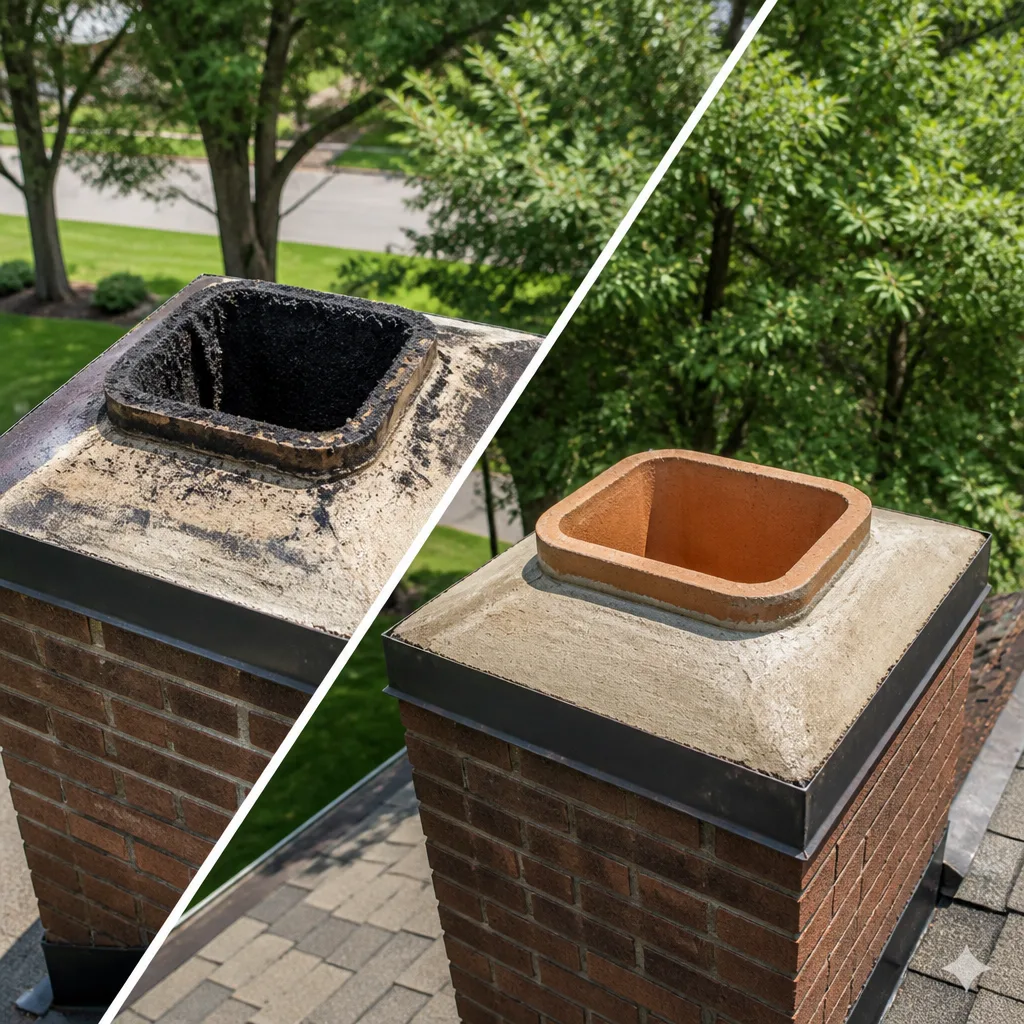
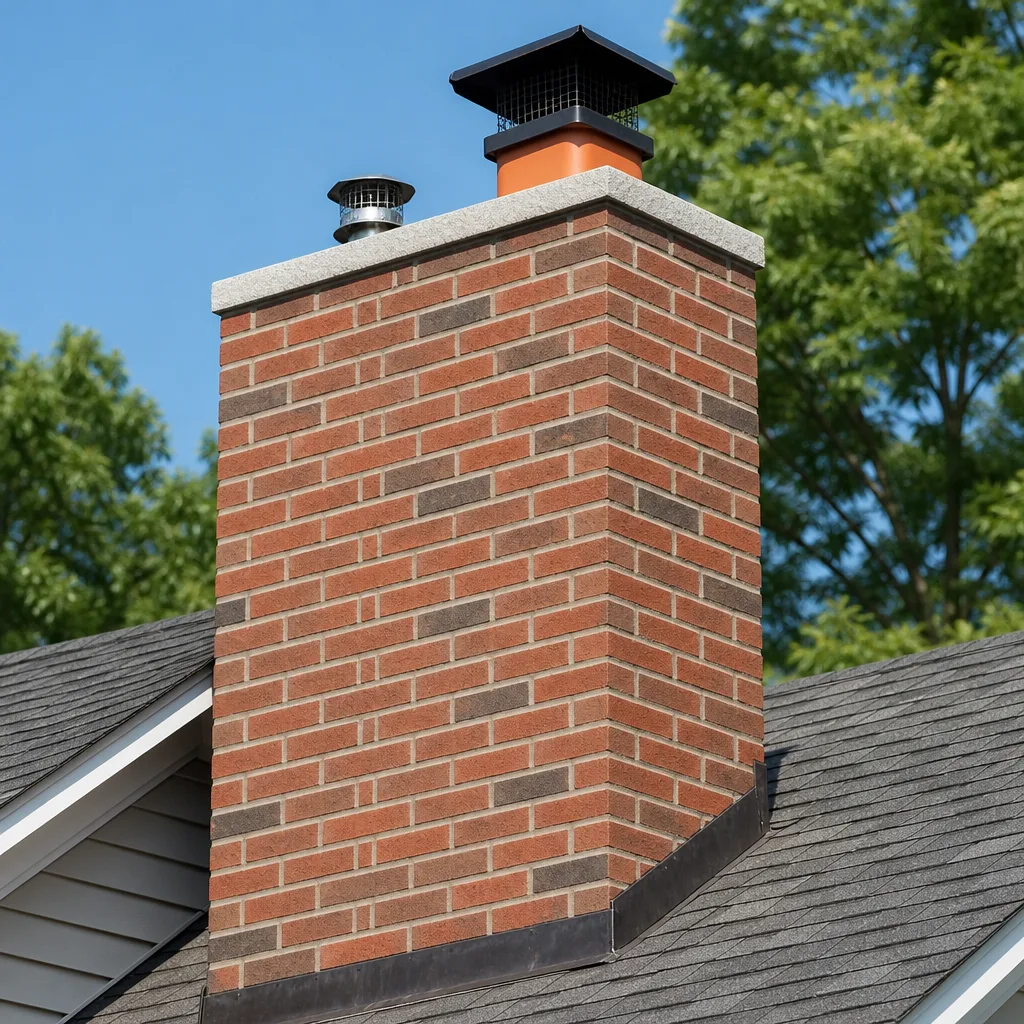
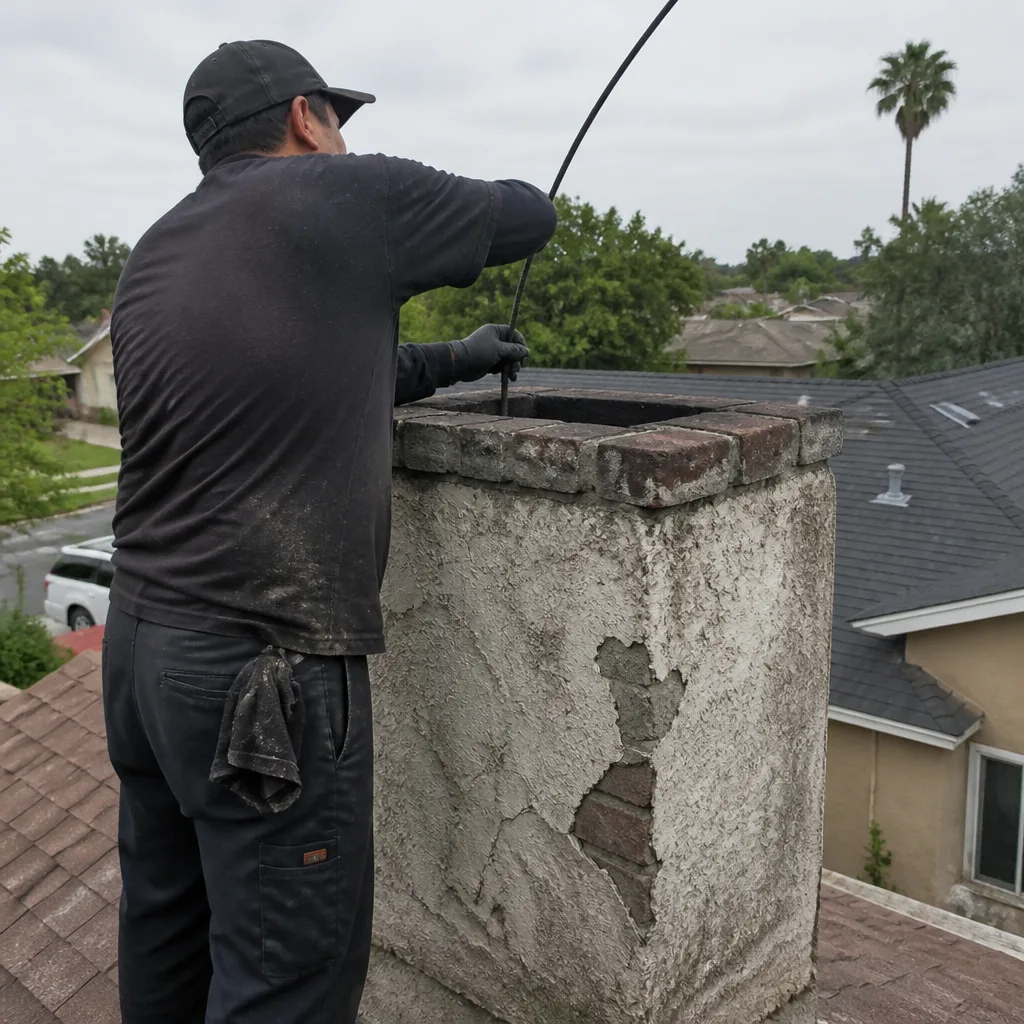 Before
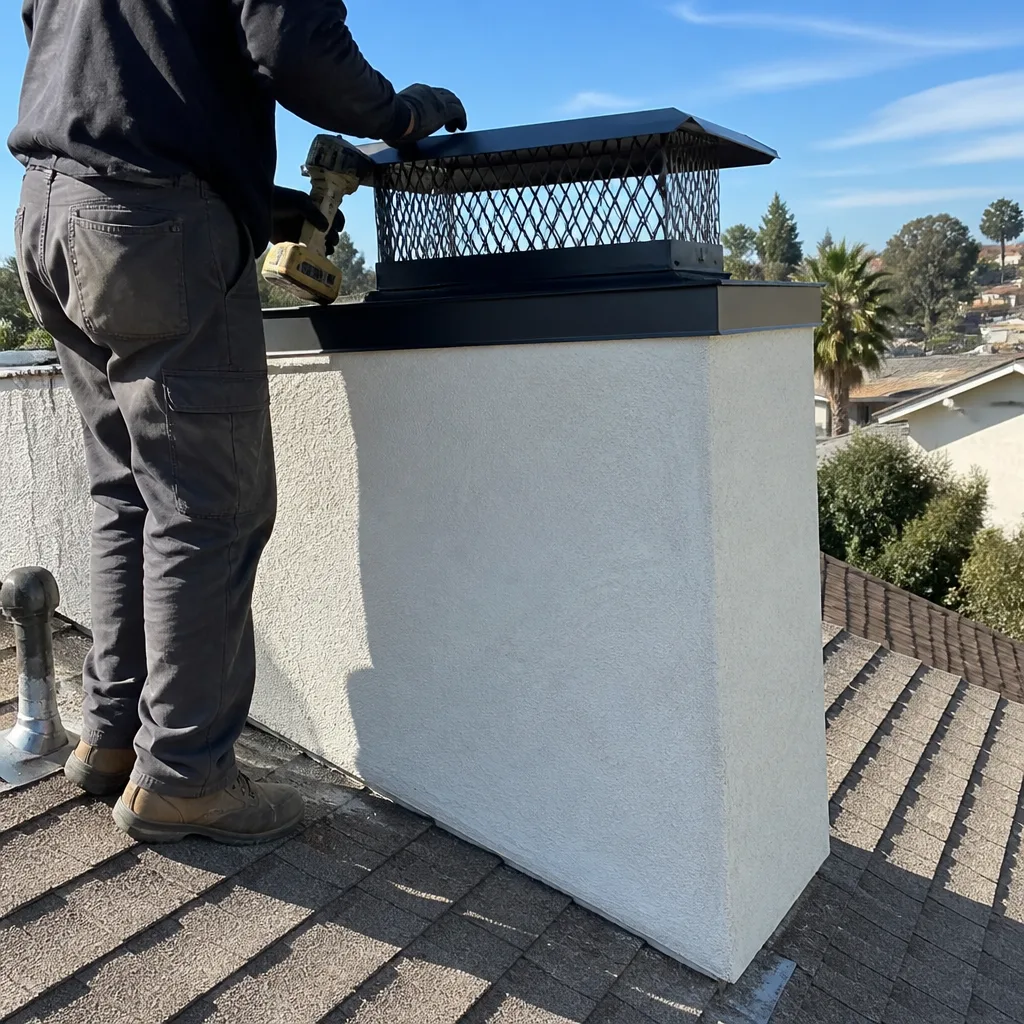 After
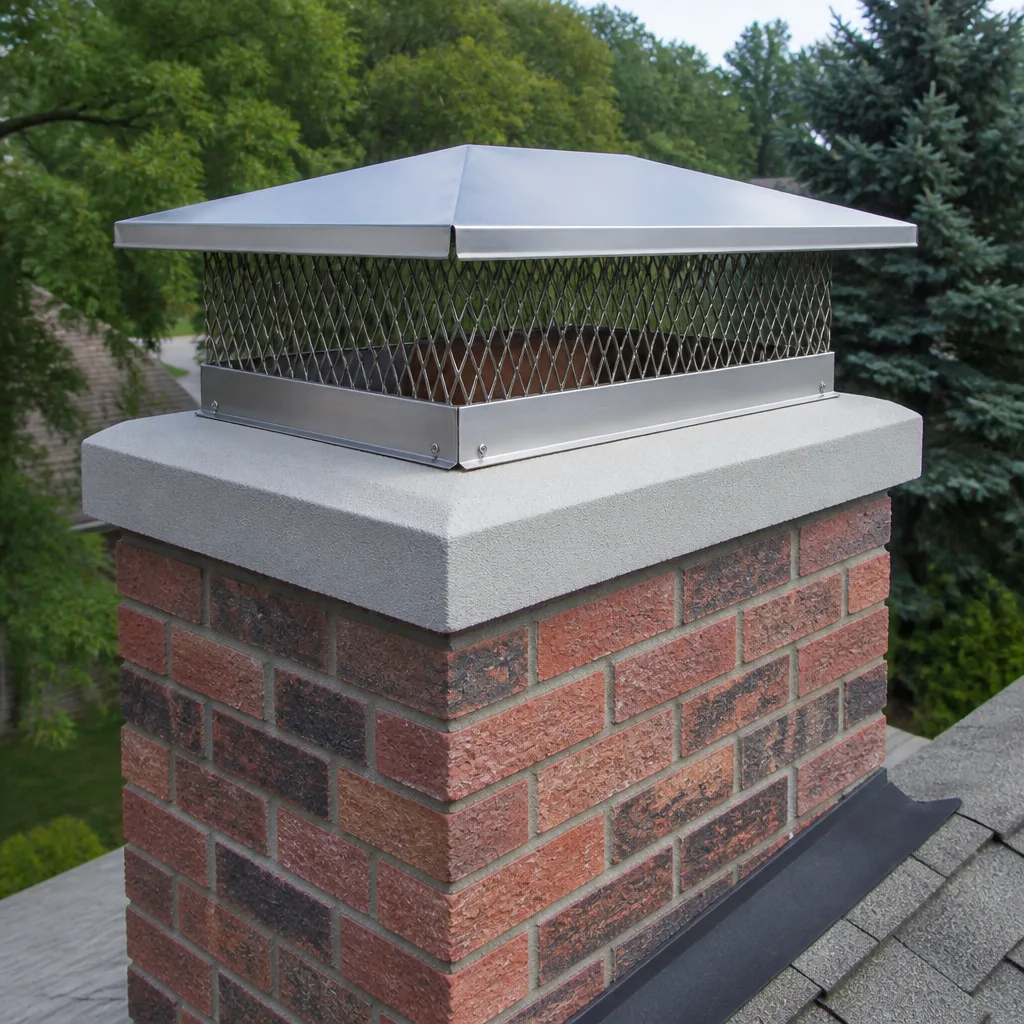
After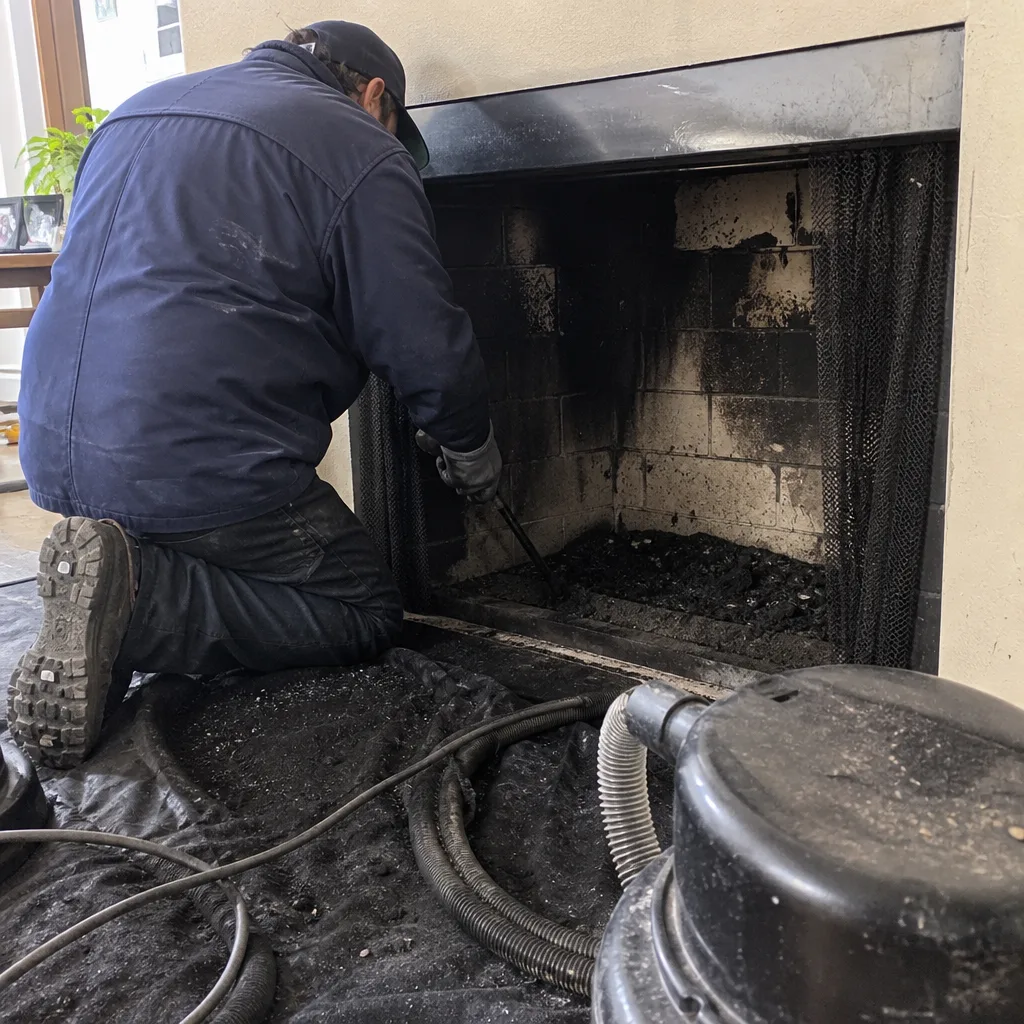 Before
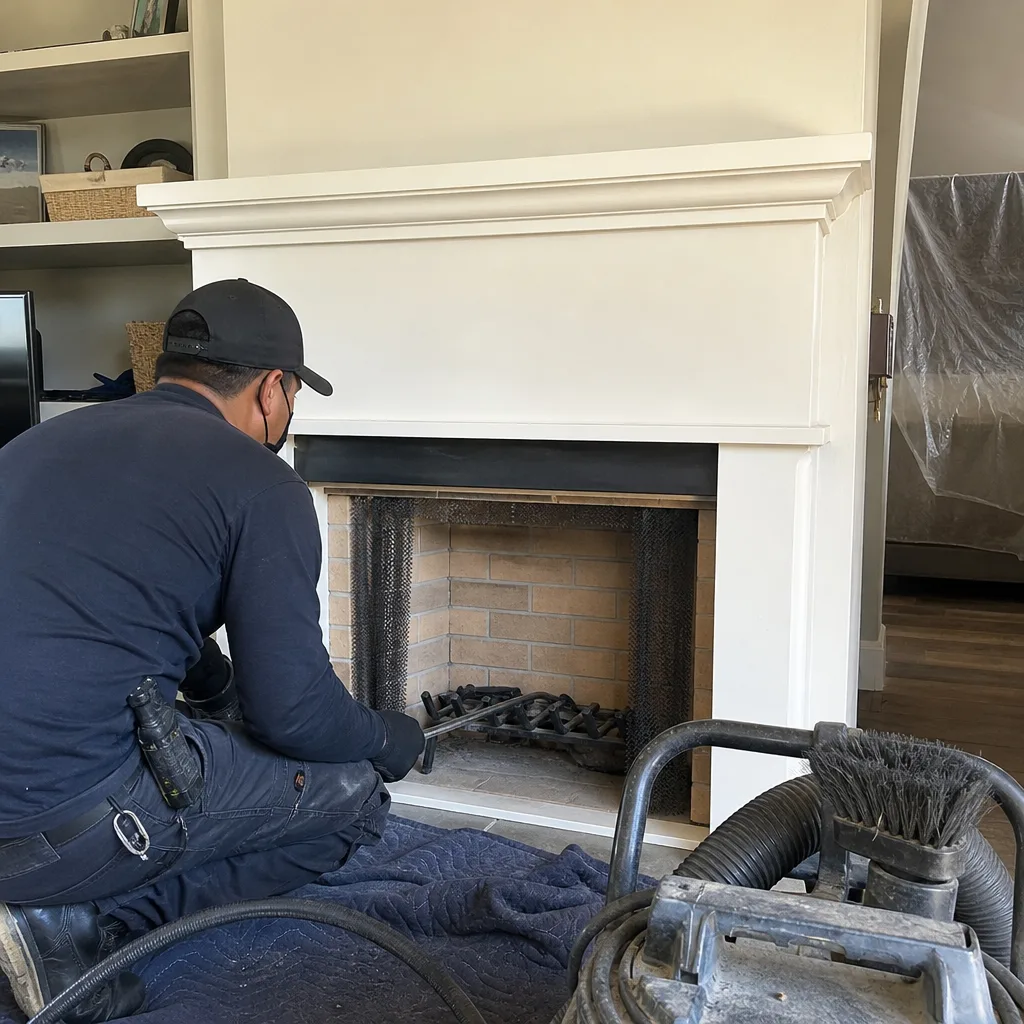 After
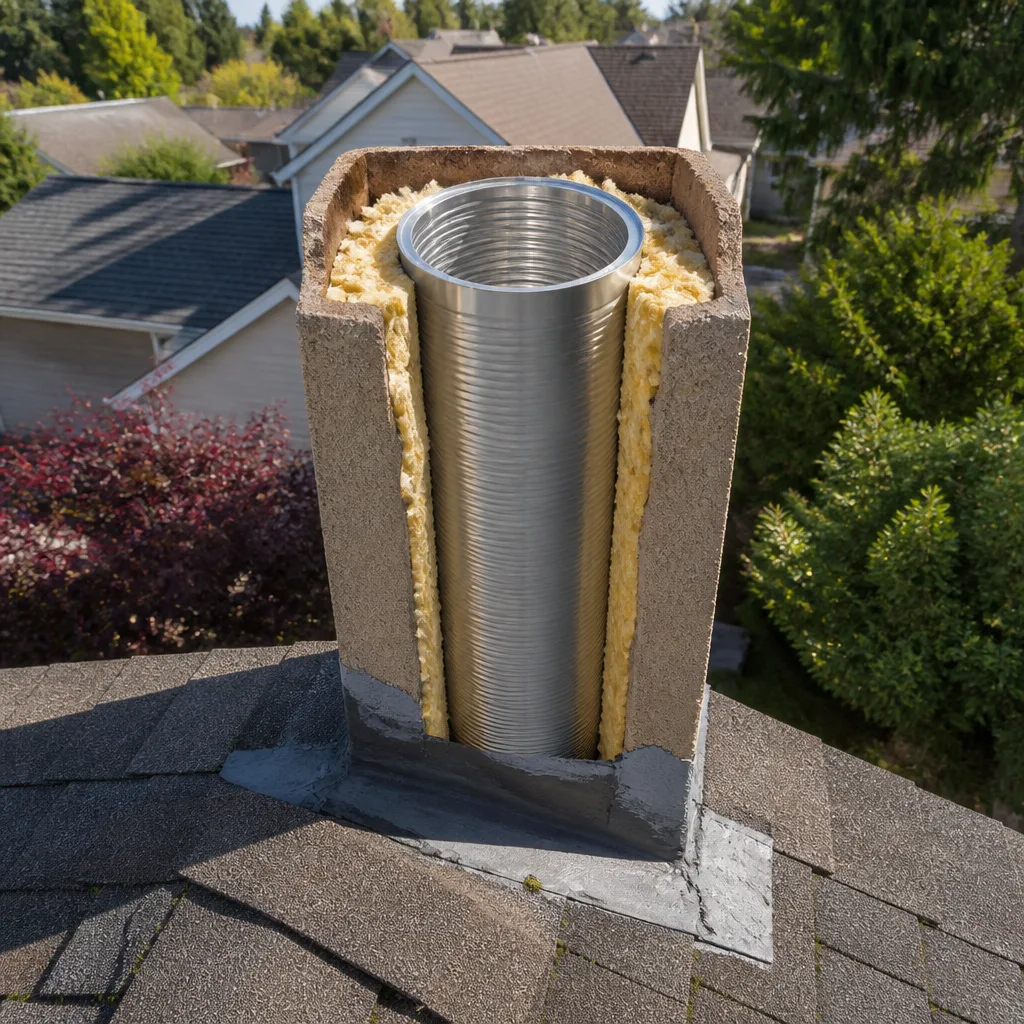
After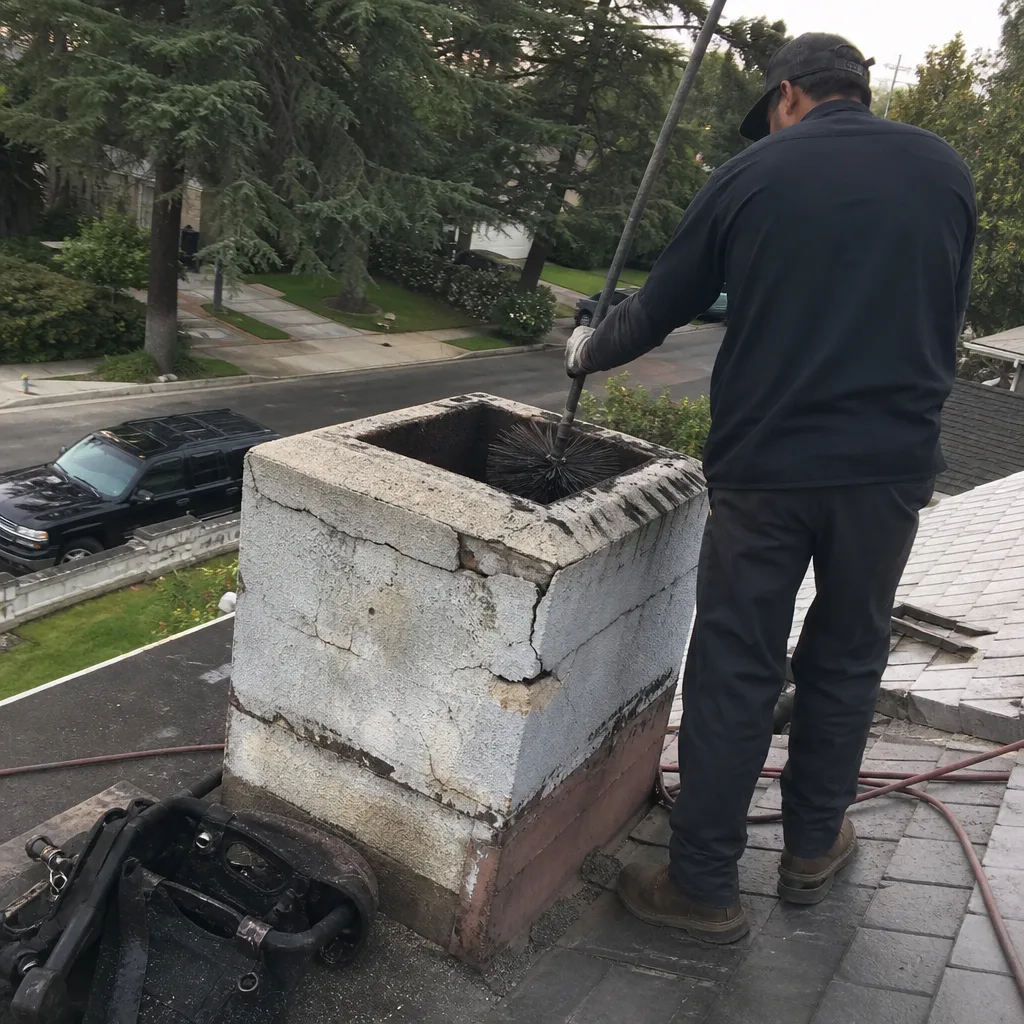 Before
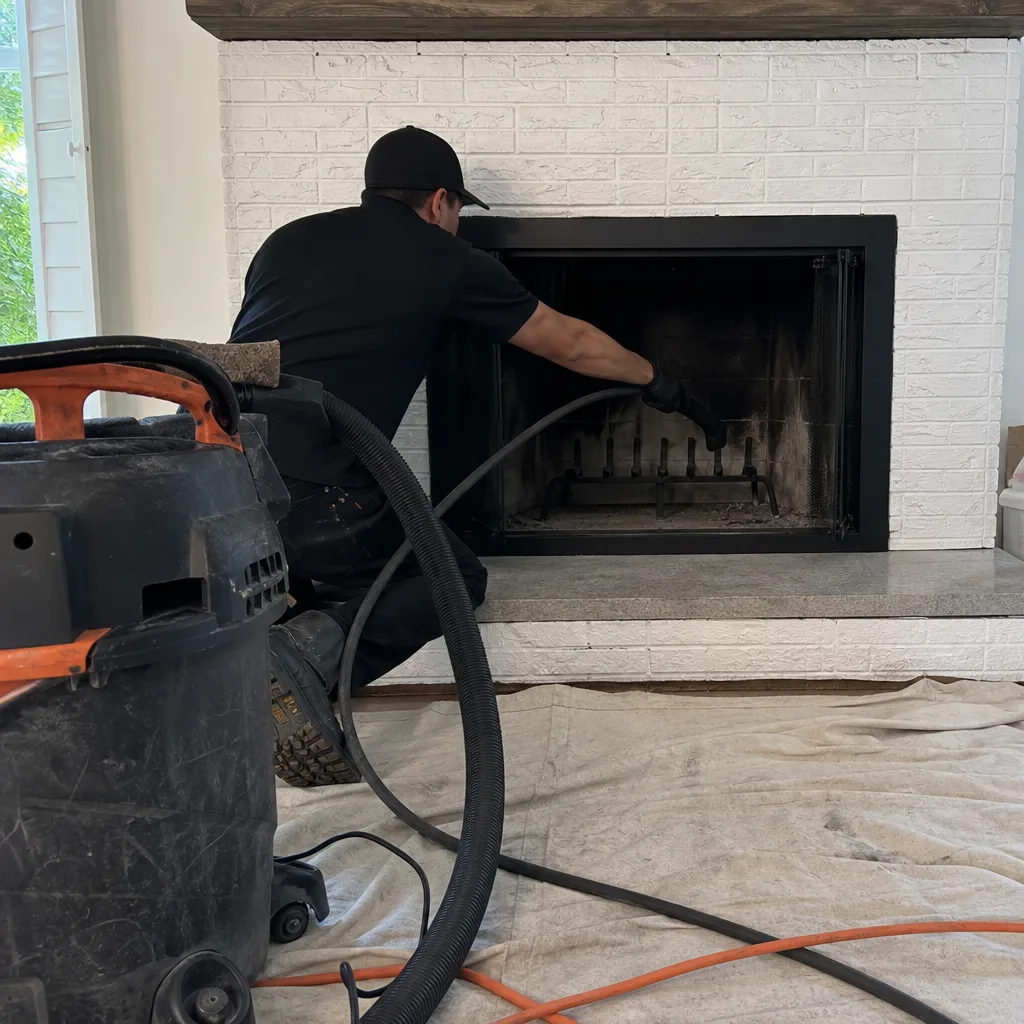 After
AfterFast, Reliable Chimney Inspection Across Merion Station
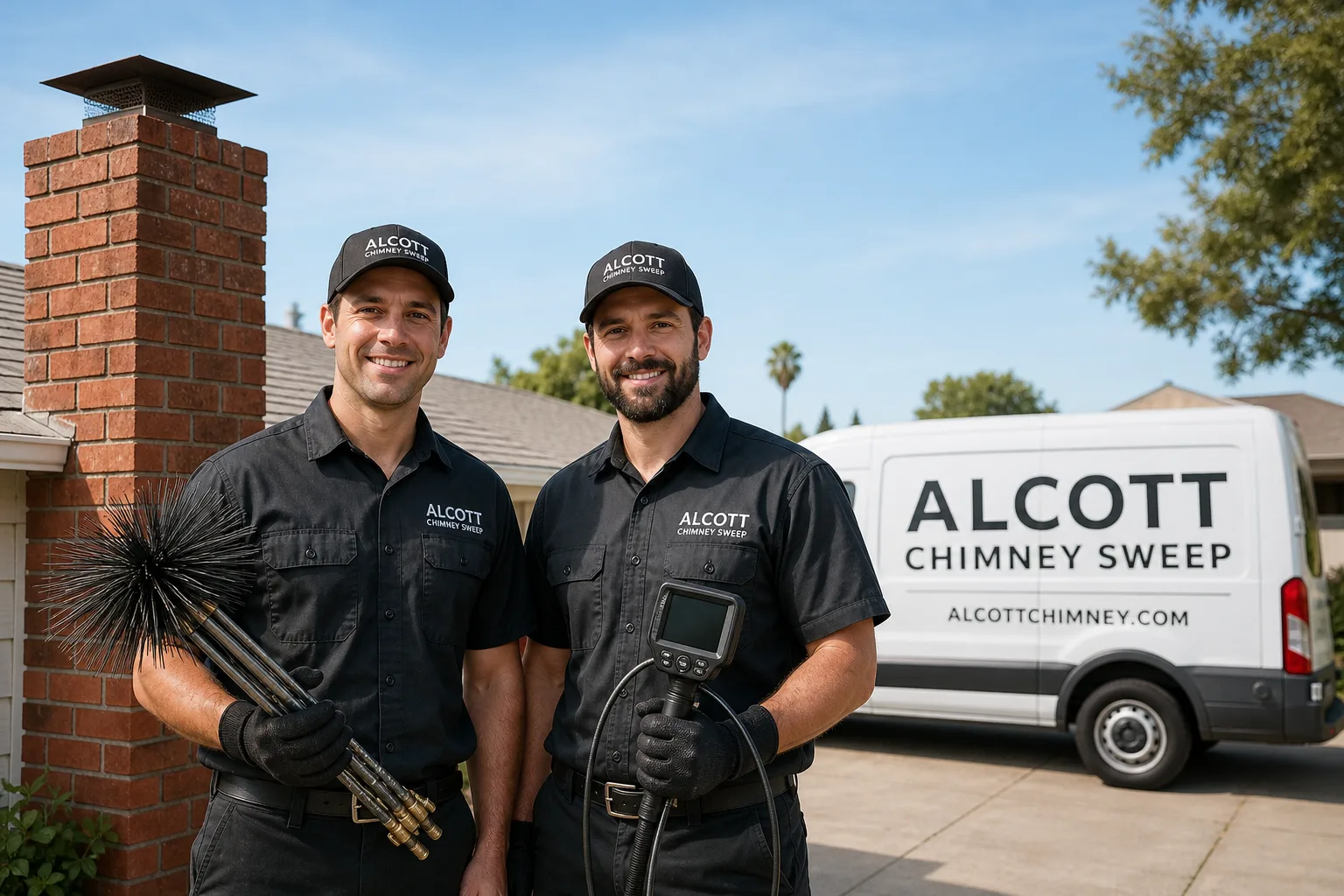
If you own one of the stone or brick manors that define Merion Station, your chimney system was likely built between 1890 and 1935, which means the flue liners inside it were designed for coal, not the wood fires or gas inserts you use today. That age and sizing mismatch is exactly why a camera-documented inspection matters here more than a routine sweep. Alcott Chimney Sweep serves all of Merion Station with Level 1, Level 2, and Level 3 Chimney Inspection services, and we’ll give you a written price before any work begins. Call (336) 863-3889 to book and we’ll tell you exactly who’s coming, by name and photo, before the truck arrives.
Why Alcott Chimney Sweep Is Merion Station’s Preferred Chimney Inspection Company
Merion Station homeowners deal with a very specific set of chimney problems that a generic sweep company won’t catch. Stone stacks built before WWII share flues across multiple fireplaces on different floors, and the original clay tiles inside them are now 90 to 130 years old. We’ve inspected enough of these systems to know that what looks like a simple draft issue on the first floor is often an offset or cracked liner two stories up. That’s why our technicians arrive with professional camera equipment and don’t leave until we can show you what’s actually happening inside the flue.
Every technician who comes to a Merion Station property has passed a background check and identity verification through the Threshold Standard, a requirement of the Threshold Group family of home-service companies we’ve been part of since 2002. You’ll see the technician’s name and photo before the visit, and they’ll show a photo ID badge at your door. No exceptions. Ruben Castellano runs Alcott Chimney Sweep with a simple rule: if the work isn’t right, we come back and make it right under our 365-Day Done Right Promise. That’s a written guarantee on every repair, and if a repair fails within the coverage period, the second visit is free.
Chimney Leak in Merion Station
A chimney leak in Merion Station is rarely just about water getting in. On the 1890 – 1935 fieldstone and brick stacks that dominate this area, water entry usually points to a failed crown, cracked flue tiles, or missing mortar joints that have been silently degrading for decades. Freeze-thaw cycling is relentless here. Lower Merion averages more than 20 inches of snow a year with repeated thaw cycles through winter, and that’s brutal on the aged, lime-mortared crowns common across Merion Station. Once water gets past a compromised crown, it accelerates spalling inside the flue liner and can lead to masonry damage you won’t see from ground level. A leak inspection on a typical Merion Station home runs $189 – $289 and includes a camera scan and a photo report you keep.
What We Check During a Leak Inspection
We start at the crown and work down: flashing condition at the roof line, mortar joints, the flue liner, and the smoke chamber. On Merion Station stacks with multiple flues, we isolate which flue is actually taking water. That matters because a leak in an unused flue can still destroy the adjacent flue’s liner through shared masonry. We document everything with camera footage and give you photos so you can see the problem for yourself before agreeing to any repair.
When a Leak Can Wait, and When It Cannot
Some crown cracks can safely wait until spring, especially if the flue is unlined or already scheduled for replacement. But if water is reaching the smoke chamber or firebox, or if you’re seeing efflorescence (the white mineral staining on brick faces), waiting usually means paying for more masonry repair later. We’ll give you a straight answer either way, with the camera evidence to back it up.
Chimney Camera Inspection in Merion Station
A chimney camera inspection in Merion Station is the only defensible way to assess a multi-flue stone stack. The original clay tile liners in these 80-to-130-year-old systems are commonly cracked, offset at mortar joints, or spalled from decades of freeze-thaw cycling, and none of that is visible from the firebox. We run a high-resolution camera through every accessible flue, not just the one attached to the fireplace you use most. A camera inspection as a standalone service typically runs $185 – $275 in Merion Station, and it is included as part of every Level 2 inspection we perform. You receive a photo report showing exactly what the camera saw, including measurements and clear notes on any defect.
The Photo Report Is the Point
We don’t expect you to take our word for anything. The photo report we produce includes timestamped images from inside your flue, so when we say a liner is offset two courses above the smoke chamber, you can see the offset yourself. That’s how Alcott works. Ruben Castellano’s position is simple: nothing gets recommended without visual evidence the homeowner can review.
A Field Vignette from Merion Road
We were called to a stone colonial off Merion Road where the homeowner was getting smoke spillage at the first-floor firebox but a clean draft at the second-floor fireplace sharing the same stack. A Level 2 camera inspection revealed the original clay flue liner offset at a mortar joint two courses above the smoke chamber, pulling air from the adjacent flue. A coal-era sizing mismatch no brush could have found. We documented the offset in the photo report, pulled the Lower Merion Township permit, and relined that flue with a DuraFlex stainless liner sized to the wood appliance before any fire was lit again.
Trusted Brands We Service in Merion Station
When a Merion Station inspection turns up a liner that needs replacing or a crown that needs rebuilding, we use the materials chimney professionals specify, not box-store substitutes. We carry and install DuraFlex stainless liner systems, Olympia Chimney components, and Copperfield masonry repair products. Because we keep these stocked for our Merion Station service area, we can often move from inspection report to scheduled repair without the multi-week backorder delays you’d face through a general contractor. If a repair involves relining or structural masonry work in Lower Merion Township, we handle the permitting process as part of the job, not as an afterthought.
Common Chimney Inspection Problems We See in Merion Station Homes
- Offset clay liners at mortar joints. On stacked multi-flue systems built before 1935, the original clay tiles shift over decades of thermal cycling and freeze-thaw stress. An offset joint pulls drafting air from the wrong flue, which is why a first-floor fireplace can smoke while a second-floor one draws fine.
- Spalled and cracked flue tiles. The Pennsylvania freeze-thaw zone is hard on aged clay. When water sits in a liner and freezes, the tile surface flakes off (spalls) and leaves gaps where heat and gases can reach combustible framing.
- Crown failure on lime-mortared fieldstone stacks. Many Merion Station crowns were built with the same soft lime mortar as the stonework below, and after a century of snow and thaw they crack and open water channels straight into the chase area.
- Coal-era flue sizing mismatches. Flues built for coal-burning appliances are frequently oversized for modern wood stoves or gas inserts, which changes draft dynamics entirely. A camera inspection shows whether a liner replacement with proper sizing is needed before a new appliance is installed.
Pricing for Chimney Inspection in Merion Station, PA
A Level 1 visual inspection in Merion Station typically runs $150 – $210 and is appropriate when your system is unchanged from its last service and you’re using the same appliance. A Level 2 camera inspection, which is what we recommend for any pre-1935 Merion Station home with original clay flues, runs $260 – $380 and includes the full photo report. Level 3 inspections, which involve some disassembly to access concealed flue sections, generally run $500 – $850 depending on how much masonry must be opened to reach the area in question. What affects your price: the number of flues in your stack, attic access to the chase, and whether prior repairs have altered the system. Every quote is written and delivered before we start, and a standard inspection includes a summary of anything that can safely wait, so you’re not pressured into repairs you don’t need yet. Call (336) 863-3889 for an exact quote. Estimates are free.
We Also Serve Cities Near Merion Station
Our Chimney Inspection in Merion Station team also covers homes in Bala Cynwyd, Narberth, Ardmore, and Bryn Mawr. If you’re in one of those communities with a pre-war stone or brick chimney, the same camera-documented inspection process applies. Call (336) 863-3889 and we’ll route the nearest available technician to your address.
Serving Merion Station, PA - Our Local Coverage Area
We’re based in the Merion Station area and know this community well. Use the map below to see our service coverage - if you’re nearby, we can almost certainly help.
FAQs About Chimney Inspection in Merion Station
If you have original clay flue tiles, you should have a Level 2 camera inspection every year before burning season, not just a sweep. The reason is simple: these 90-to-130-year-old liners are already past their design life, and a new crack or offset can appear in a single winter. A sweep clears creosote but tells you nothing about liner integrity. If you burn less than once a month and the system was camera-documented as sound within the last two years, an inspection every other year may be defensible – but for a house with multiple flues sharing a stack, annual is the safer standard. Call (336) 863-3889 and we’ll walk you through what your specific system needs.
You really need the camera. On a stacked, multi-flue Merion Station stack, the flue a brush can reach from the firebox is seldom the only one, and defects like offset clay liners or spalled tiles sit two floors up where no human eye can see. A sweep cleans the flue; it does not tell you whether the flue is still structurally safe to use. That’s why we include camera documentation with our standard inspection, and why we’ll never tell you a chimney is fine based on a sweep alone. If you’ve been told you only need a sweep, get a second opinion with camera documentation.
Beyond creosote buildup, a proper inspection checks the structural condition of your flue liners, the smoke chamber, the crown and cap, the flashing at the roof line, and the mortar joints throughout the stack. In Merion Station specifically, we’re looking for offset clay tiles, spalled liner surfaces, water staining that indicates crown failure, and the coal-era sizing mismatches common to pre-1935 construction. The camera records everything, and our photo report means you can see every finding for yourself.
Yes. Lower Merion Township actively enforces permitting for chimney relining and structural masonry repairs, and a homeowner base this engaged does not overlook unpermitted work at resale. We pull the permit as part of the reline job. An unpermitted reline becomes a disclosure problem when you sell, so treating the permit as optional is a false economy. We’ll handle the paperwork and make sure the inspection record and repair are documented properly.
We do not promise same-day service, because a proper inspection on a 90-to-130-year-old multi-flue stack takes time to schedule and perform correctly. What we offer is a scheduled appointment with a written price before work begins and a technician announced by name and photo before arrival. If you have an urgent concern like smoke entering the home, call (336) 863-3889 and we’ll talk you through what to do until we can get someone out. Our phone is answered by a live person 24/7, so you’ll never hit a voicemail queue at 11 p.m. with a smoke smell in the house.
Written by Ruben Castellano, Owner at Alcott Chimney Sweep, serving Merion Station and the surrounding Lower Merion communities.