
Last updated October 9, 2026
Level 1 sweep and inspection to the NFPA 211 annual standard - flue, crown, cap, and flashing checked and photographed
Chimney sweep logs do not sweep chimneys. They loosen some creosote - which then falls where a brush and vacuum still have to collect it.
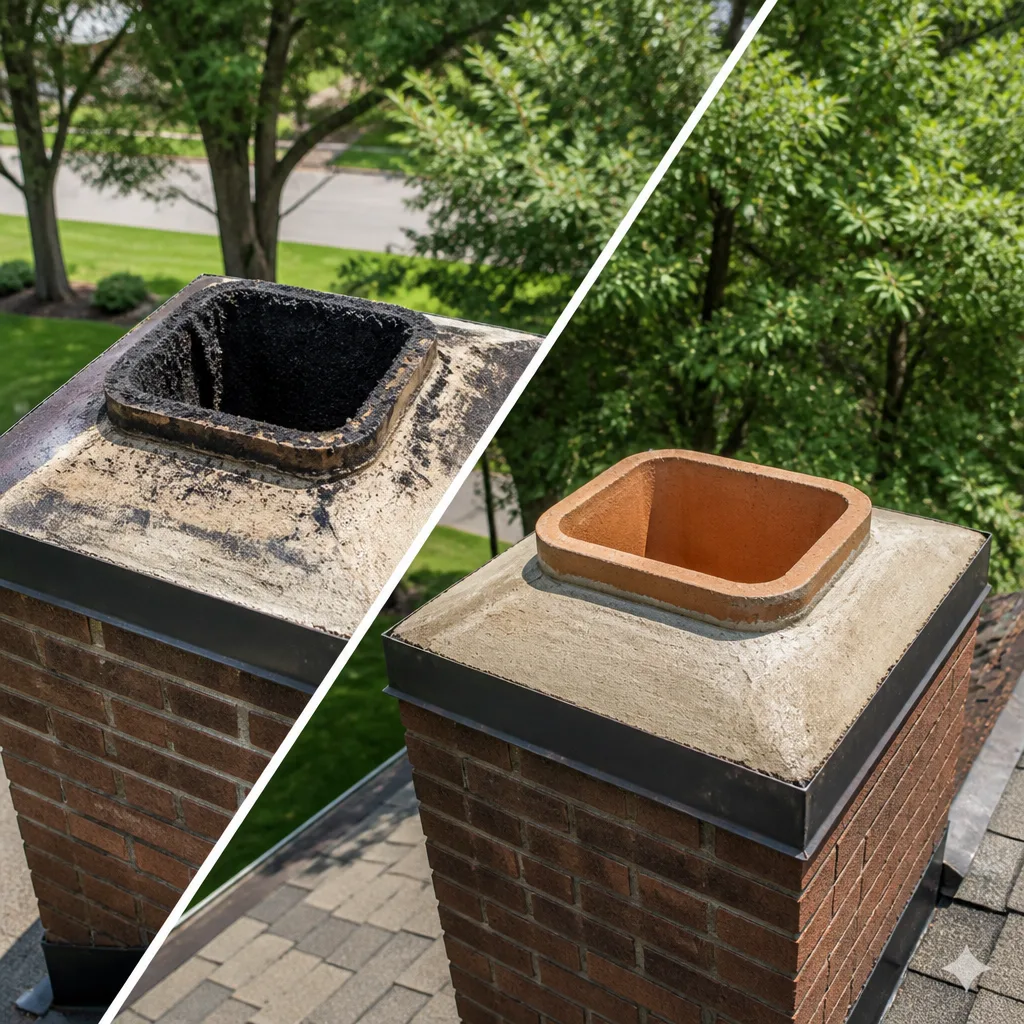
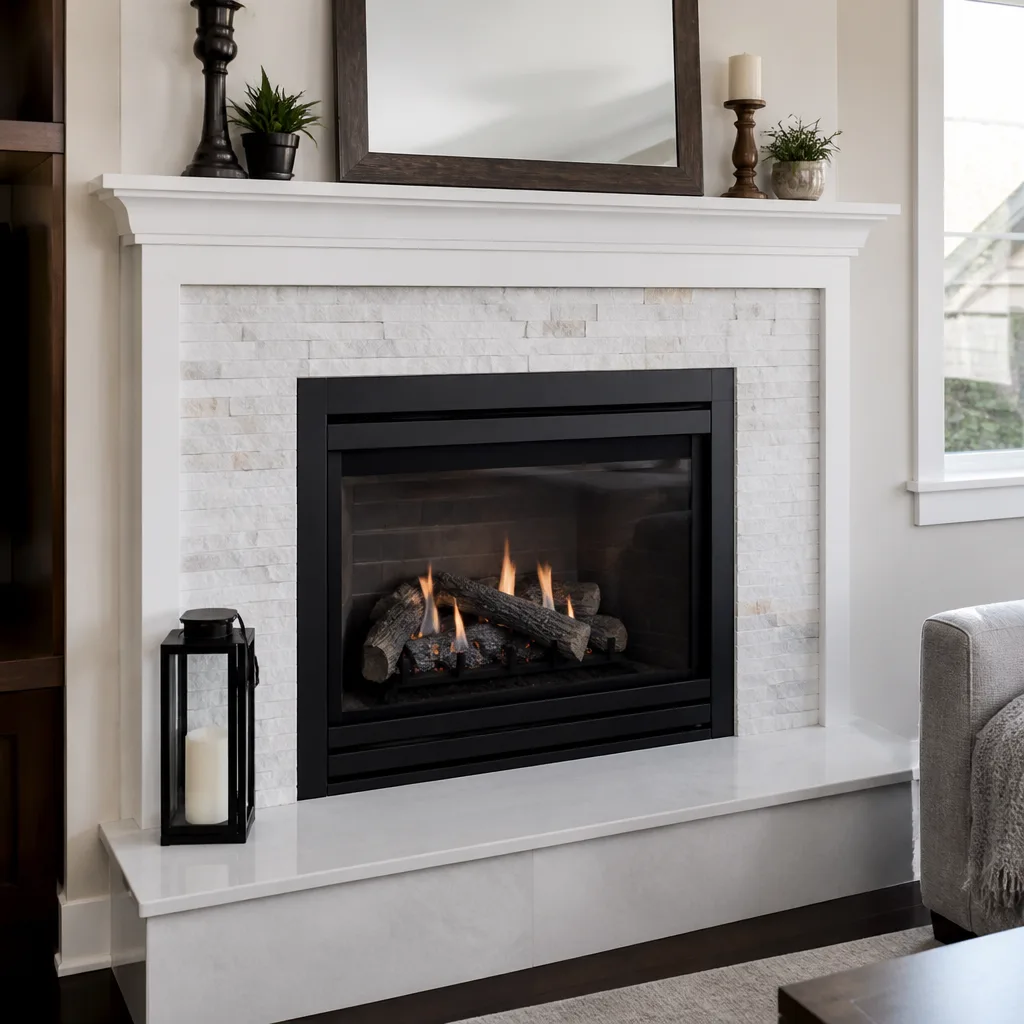
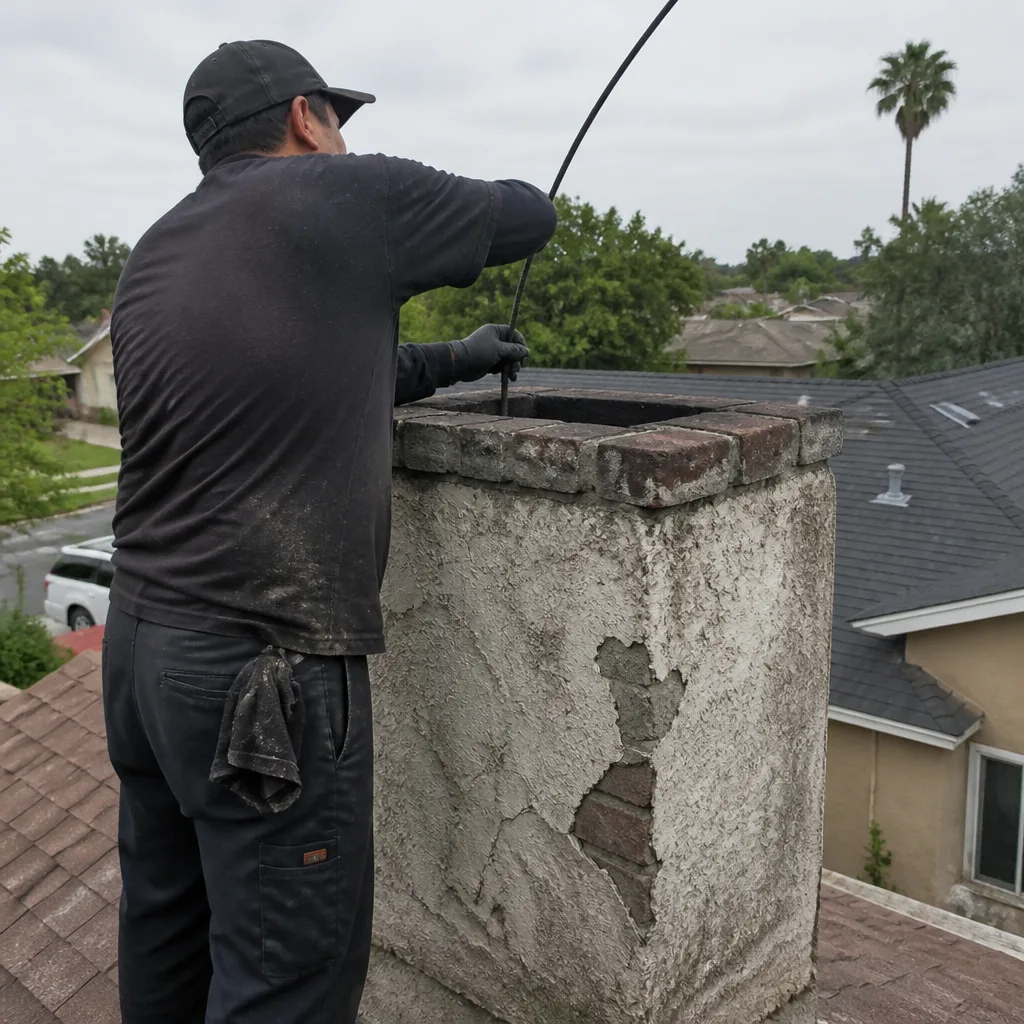 Before
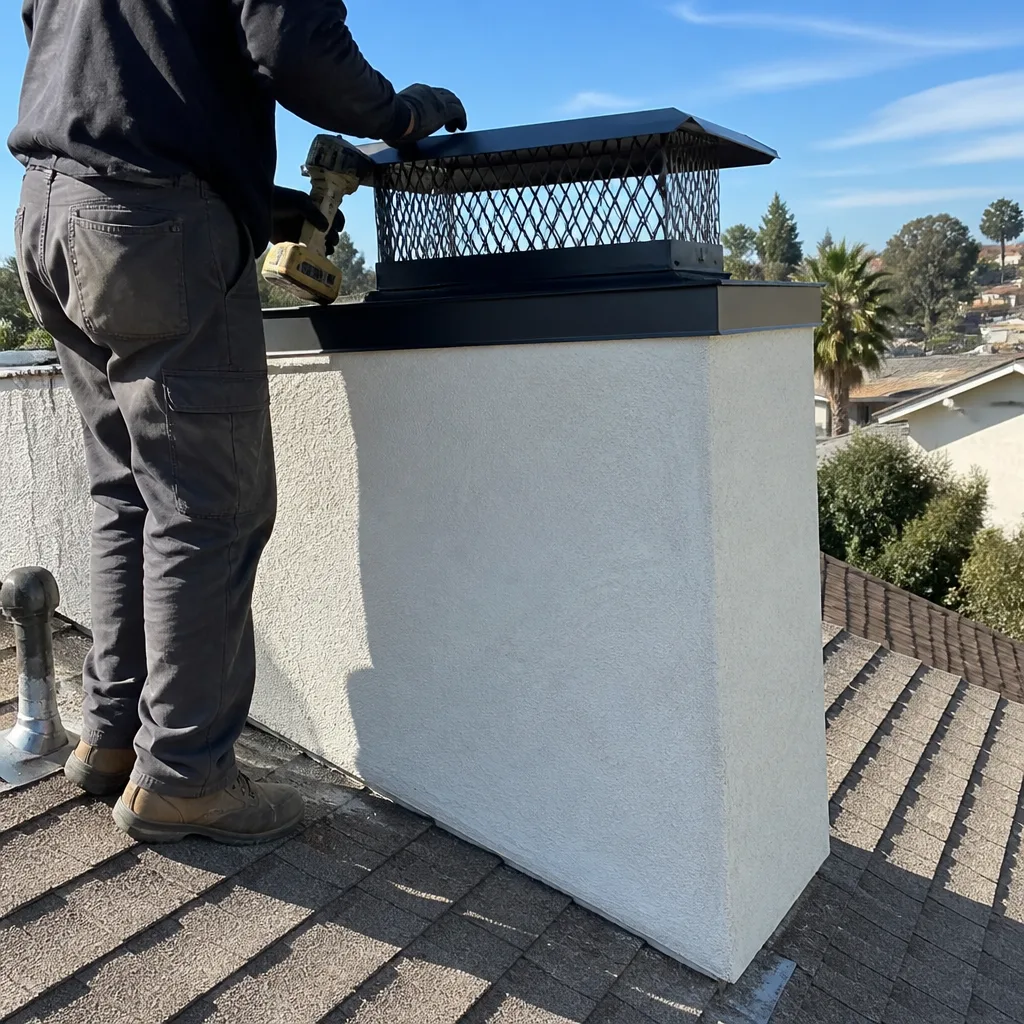 After
After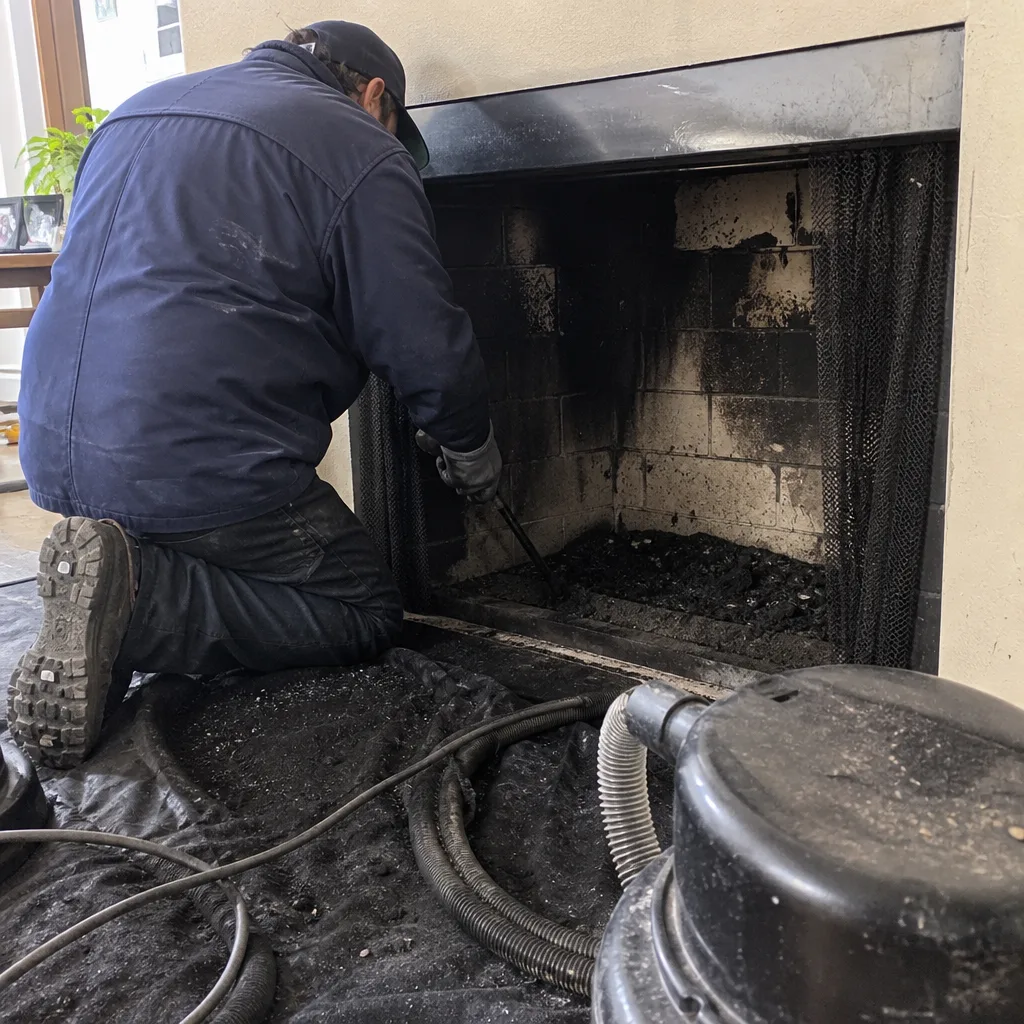 Before
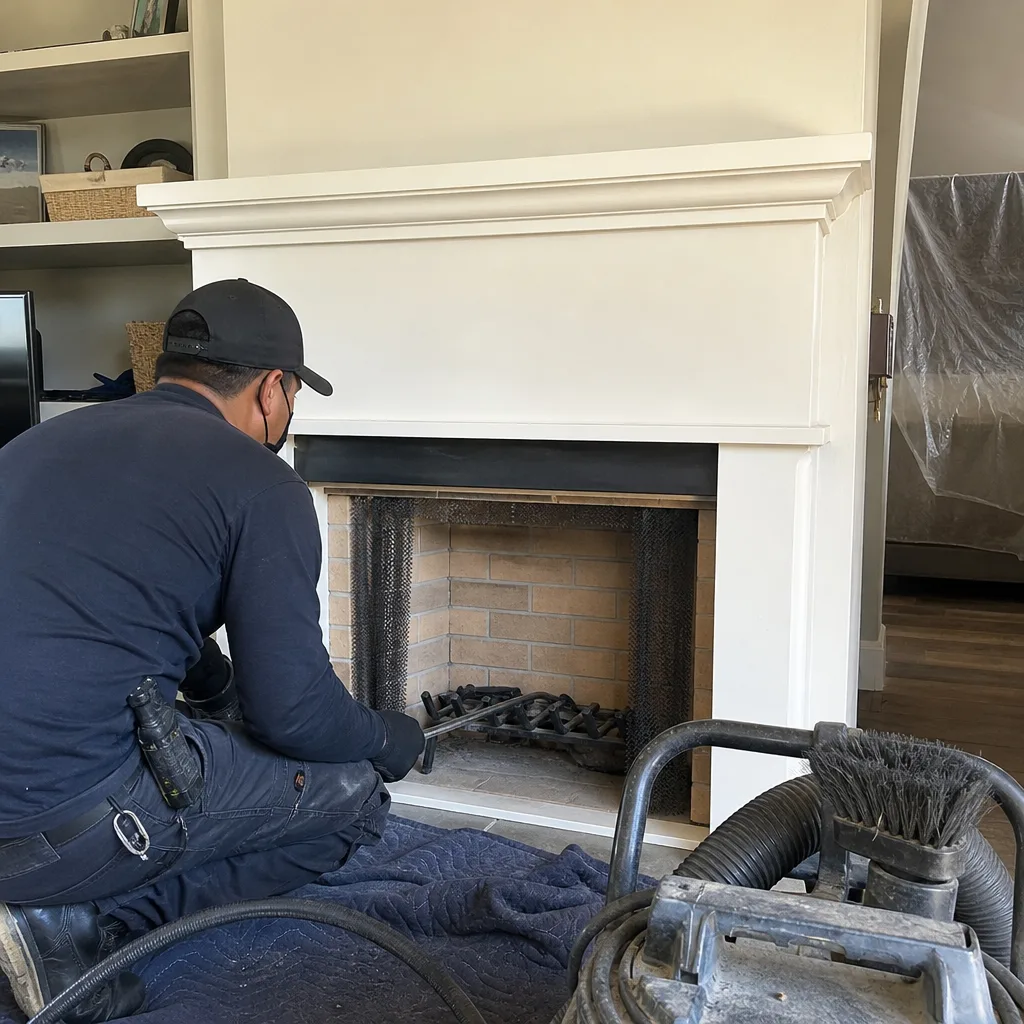 After
After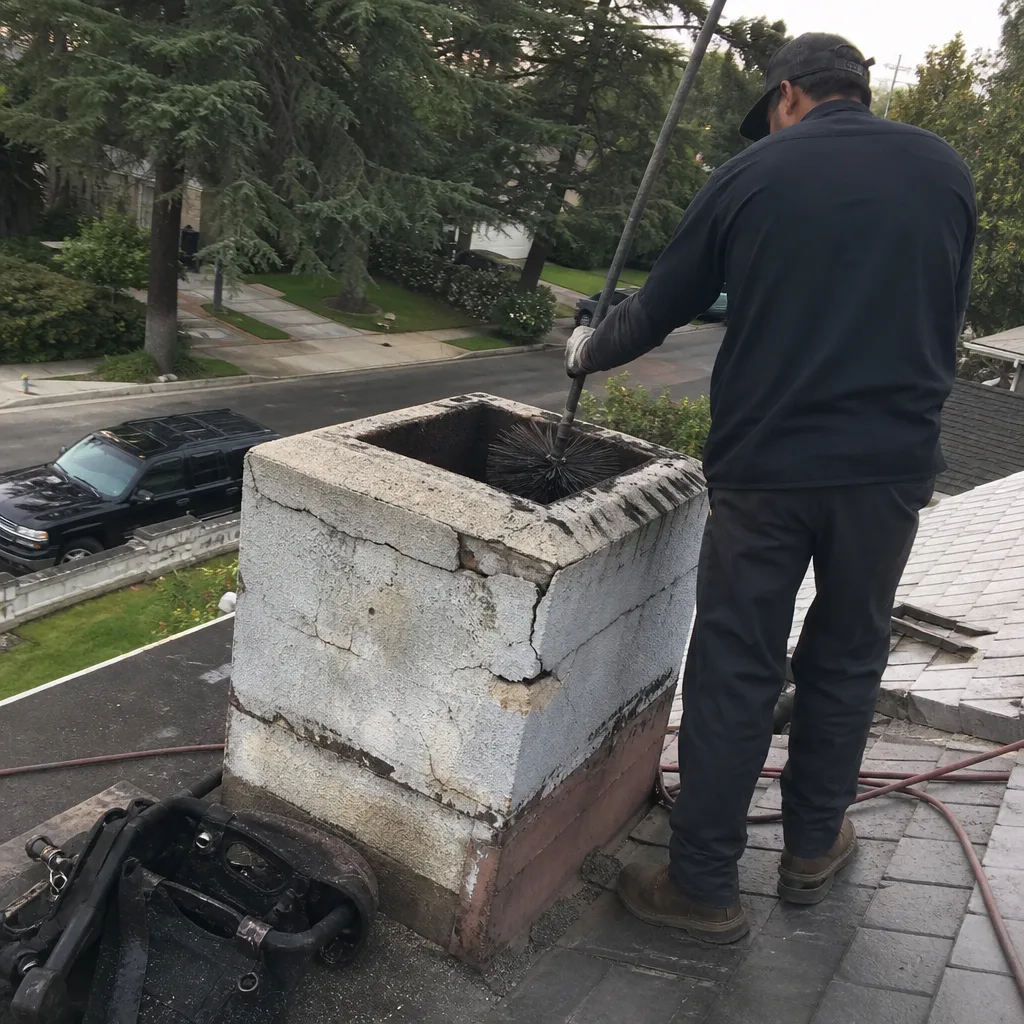 Before
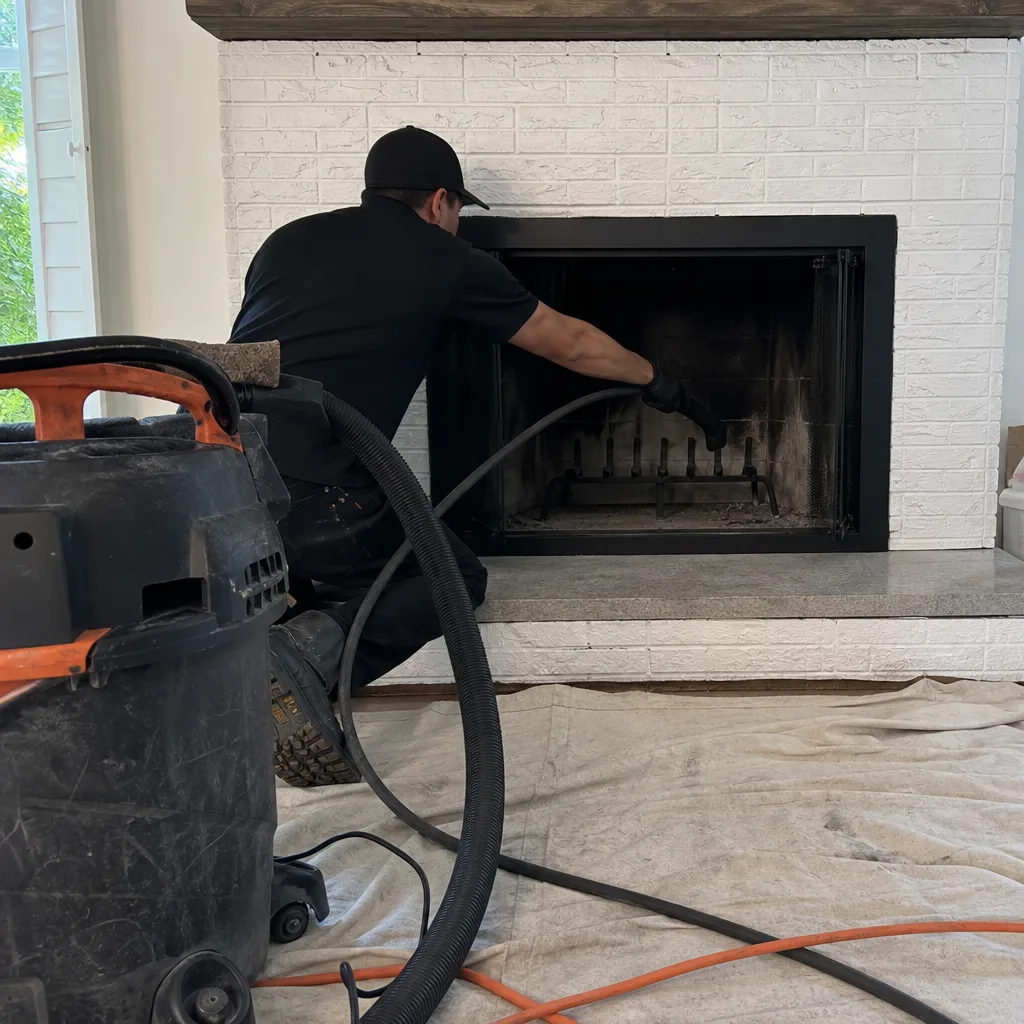 After
AfterThe Complete Guide to Chimney Cleaning in Los Angeles
A fireplace used only four times a year can still fail a safety inspection. In Los Angeles, the danger isn’t always what burns inside your chimney – it’s what happens during the long months when nothing burns at all. Our dry, dusty air and mild winters create a unique set of problems that chimney guides written for Boston or Minneapolis never address. In this guide, we’ll explain why LA’s low-use fireplaces need different care, what creosote stages actually mean for your wallet, how Santa Ana winds factor into your maintenance schedule, and exactly what happens during a professional chimney cleaning visit from start to finish. For more guides & resources on keeping your home safe, explore our blog.
Quick Answer
A professional chimney cleaning in Los Angeles typically costs between $199 and $349 for a standard sweep and Level I inspection, with Level II camera inspections running $299 to $499. Most LA homeowners need cleaning every 12 to 24 months depending on use, though fireplaces left idle for long periods often require more attention to animal nesting and moisture damage than those burned regularly. If you’re weighing whether to tackle this yourself, see our DIY vs Professional Chimney Cleaning: The Los Angeles Homeowner’s Decision Guide. The cleaning itself takes 45 to 90 minutes and should include a written condition report with photo documentation.
Table of Contents
- Why LA Fireplaces Are Different: The Low-Use Problem
- Creosote Stages Explained: What You’re Actually Paying to Remove
- Santa Ana Winds, Dry Air, and Flue Integrity
- Level I vs. Level II Inspection: Which One Do You Need?
- What to Expect During a Professional Chimney Cleaning Visit
- How Much Does Chimney Cleaning Cost in Los Angeles?
- How Often Should You Clean Your Chimney in Los Angeles?
- Common Mistakes to Avoid
- When to Call a Professional
- Frequently Asked Questions
- The Bottom Line
Why LA Fireplaces Are Different: The Low-Use Problem
Most chimney safety advice assumes you’re heating your home through a harsh winter. That assumption fails in Los Angeles, where the average homeowner lights fewer than 20 fires per year and many fireplaces sit completely dormant from April through November.
Here’s what actually happens during those idle months. Small gaps in chimney caps or deteriorated flashing let in dry leaves, dust, and pollen that accumulate in the flue. Birds, squirrels, and roof rats – common throughout the Hollywood Hills, Pacific Palisades, and canyon neighborhoods – find uncapped chimneys ideal for nesting. In our experience across the San Fernando Valley and Westside, we remove active nests from roughly one in every four “unused” chimneys during initial inspections.
The masonry itself suffers in LA’s climate. Rapid temperature swings between 45-degree January nights and 85-degree February afternoons cause thermal expansion stress that colder, more consistent climates don’t produce. Combined with earthquake country settlement cracks, this creates pathways for carbon monoxide intrusion that a standard sweep alone won’t catch.
Moisture intrusion presents another LA-specific issue. Unlike snowy climates where homeowners expect water damage, Los Angeles homeowners often miss slow leaks from rare but intense rain events. Water that seeps through cracked crown mortar in February may not show interior signs until June, by which time freeze-thaw damage (yes, even here) has widened cracks and rusted metal components.
The practical implication: an LA fireplace needs inspection for different failure modes than a New England equivalent. A chimney that passes a visual glance because “we barely use it” may still harbor blocked flues, deteriorated liners, or damaged dampers that create real hazards during occasional use.
Creosote Stages Explained: What You’re Actually Paying to Remove
Creosote is the tar-like byproduct of incomplete wood combustion that builds up on flue walls. Not all creosote is equal, and the stage determines both your fire risk and your cleaning cost. Understanding these stages helps you evaluate whether a quoted price is reasonable.
Stage 1 (Soot): A fine, dusty layer that brushes off easily with standard chimney rods and poly brushes. This is what regular maintenance prevents. In Los Angeles, where many homeowners burn manufactured fire logs or well-seasoned hardwood in short sessions, Stage 1 is the most common finding. Standard sweeping handles it completely.
Stage 2: Crunchy, flaky deposits that resemble black corn flakes. These require more aggressive mechanical cleaning with chains or whips, and the job takes longer. Stage 2 develops when fires burn at lower temperatures – common with decorative use where homeowners prioritize ambiance over heat output. The flue stays cooler, condensation increases, and layers build faster than expected.
Stage 3: A hardened, glazed coating that’s essentially flammable varnish on your flue walls. This is the dangerous stuff. It requires specialized chemical treatment, rotary cleaning equipment, or in severe cases, chimney sweeping in Los Angeles with industrial-grade equipment that takes 2-3 hours. Stage 3 creosote can ignite at temperatures as low as 451°F, and chimney fires fueled by it reach 2,000°F within minutes.
Here’s how this translates to real costs in the Los Angeles market:
| Condition Found | Typical Cleaning Approach | Price Range in LA |
|---|---|---|
| Stage 1 only | Standard sweep with brushes | $199 – $279 |
| Stage 2 buildup | Mechanical cleaning with chains/whips | $249 – $349 |
| Stage 3 glazed creosote | Chemical treatment + rotary cleaning | $399 – $699 |
| Stage 3 + liner damage | Cleaning + liner evaluation/repair | $800 – $2,500+ |
The key point: a company that quotes one flat price for “chimney cleaning” without inspecting first hasn’t seen your flue. At Alcott Chimney Sweep, we provide a written price after our initial camera assessment, before any work begins, so you know exactly which stage you’re dealing with.
Santa Ana Winds, Dry Air, and Flue Integrity
Los Angeles has two distinct chimney seasons, and only one involves burning wood. The other runs October through January when Santa Ana winds blast hot, dry air across the region at 40 to 80 mph.
These winds create specific chimney hazards that colder-climate guides ignore. First, the pressure differential between your home’s interior and the exterior can reverse normal draft patterns, pulling smoke and carbon monoxide into living spaces even when the fireplace appears to be drafting normally. Second, wind-driven debris – palm fronds, eucalyptus bark, construction dust – enters uncapped flues at volume. In areas like the Santa Monica Mountains and Malibu Canyon, we’ve cleared flues packed solid with material after single wind events.
The timing implications matter. Scheduling your chimney cleaning in early October, before Santa Ana season peaks, ensures your flue is clear and your cap is secure before the worst winds arrive. Waiting until December means you may be competing for appointment slots with homeowners who discovered problems during the first major wind event – and you’re burning in conditions that already stress your system.
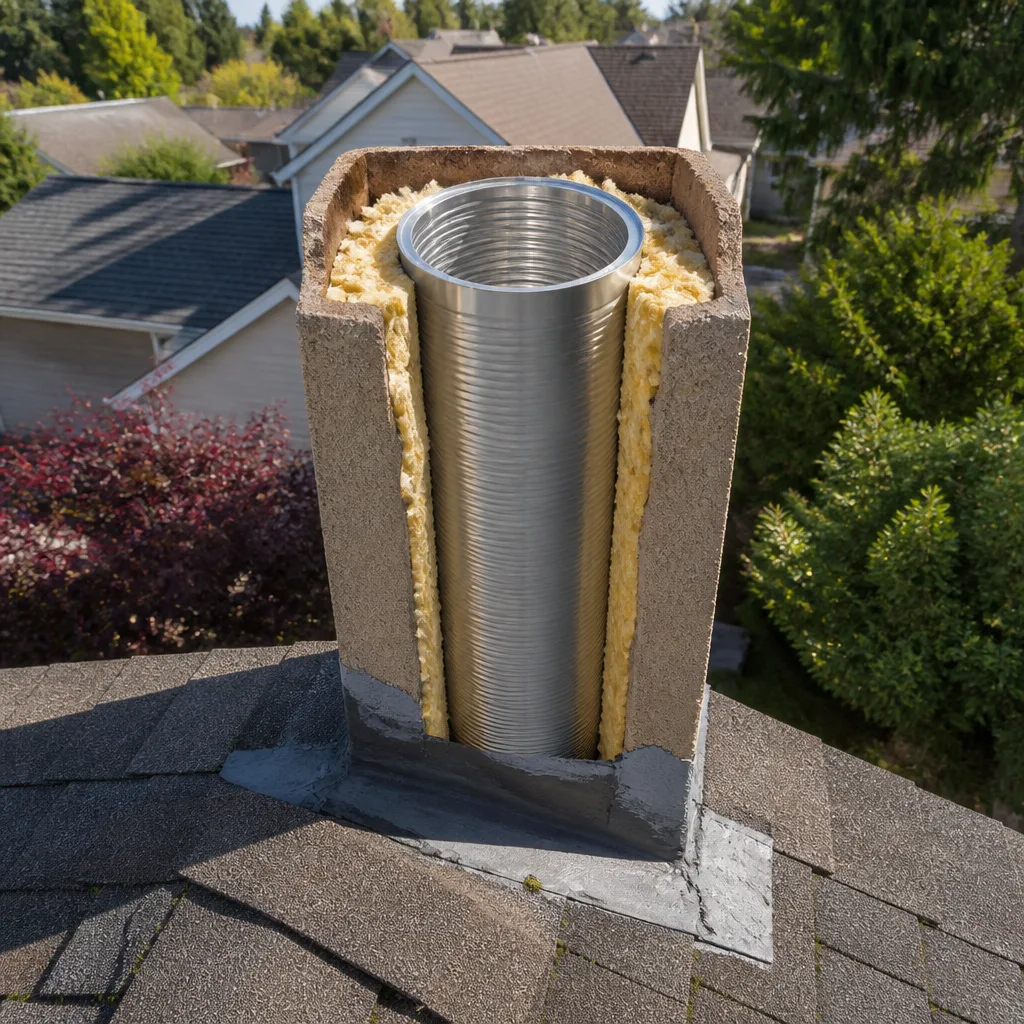
Dry air itself accelerates deterioration of clay flue liners, causing them to become brittle and crack. In coastal neighborhoods from Venice to San Pedro, salt air compounds this effect. A liner that would last 50 years in humid Chicago may show significant degradation in 25 years here.
For homeowners in fire-prone areas like Topanga, Calabasas, or the Angeles National Forest foothills, chimney condition also affects ember exposure risk. A damaged spark arrestor or missing cap can allow embers to escape during high-wind conditions, or conversely, allow wildfire embers to enter your flue and ignite accumulated debris.
Level I vs. Level II Inspection: Which One Do You Need?
The National Fire Protection Association defines three inspection levels, but most Los Angeles homeowners encounter only the first two. Understanding the difference prevents both overpayment and dangerous under-inspection. Wondering if you can assess things yourself? Read DIY vs Professional Chimney Inspection: What’s Safe to Do Yourself.
Level I Inspection covers readily accessible portions of the chimney exterior, interior, and connecting appliances. The technician checks structural soundness, flue obstructions, and creosote buildup using basic tools and a flashlight. No specialized equipment required. This is appropriate when:
- Your appliance and venting system haven’t changed
- You’re maintaining on a regular schedule with no known problems
- No unusual events (earthquake, chimney fire, lightning strike) have occurred
Level II Inspection adds a live camera scan of the entire flue interior, plus accessible portions of attics, crawl spaces, and basements. This is required when:
- You’re buying or selling a home
- An appliance has been changed out or relined
- Building damage (earthquake, storm, fire) may have affected the chimney
- A Level I inspection suggests hidden problems
In Los Angeles specifically, we recommend Level II for any home built before 1980 with original construction, due to earthquake history and the prevalence of unlined or partially lined chimneys in pre-midcentury construction. Homes in the Hollywood Hills, Los Feliz, and Pasadena historic districts frequently have clay flue tiles that have shifted in minor seismic events, creating gaps invisible from below.
The camera documentation also serves a purpose beyond diagnosis. If a technician recommends $3,000 in liner work, you should see the damage yourself. At Alcott Chimney Sweep, every Level II includes photo documentation you receive with your written report. Nothing is recommended without visual evidence you can evaluate.
Chimney inspection in Los Angeles should always specify which level you’re receiving. A “chimney inspection” that doesn’t clarify is likely a Level I sold at Level II confusion.
What to Expect During a Professional Chimney Cleaning Visit
Knowing the sequence helps you evaluate whether you’re receiving thorough service or a rushed job. Here’s exactly what happens during a proper visit, from arrival to written report.
- Technician arrival and verification. Before we arrive, you’ll receive the technician’s name and photo. At your door, they’ll show a photo ID badge matching that preview. This is the Threshold Standard – no exceptions, ever. The technician will lay drop cloths from the entry point to your fireplace and set up a HEPA-filtered vacuum system.
- Exterior assessment. We inspect the chimney crown, cap, flashing, and visible masonry from the roof or ladder. In Los Angeles, we’re checking for earthquake crack patterns, wind damage to caps, and evidence of animal entry. This takes 10-15 minutes and informs what we look for inside.
- Interior setup and preliminary scan. The firebox and damper area are visually inspected. We note damper operation, firebrick condition, and any ash accumulation patterns that suggest drafting problems. For Level II inspections, we insert a camera at this stage for the full flue scan.
- Mechanical cleaning. Using rods, brushes, chains, or rotary equipment matched to your creosote stage, we clean the entire flue from top to bottom. Debris is captured by vacuum at the base. For Stage 3 glazed creosote, this phase includes chemical application and dwell time.
- Smoke chamber and firebox cleaning. The area above the damper and the firebox itself are hand-cleaned and vacuumed. We check for deteriorated mortar, cracked firebrick, and proper smoke shelf function.
- Final camera verification (Level II). Post-cleaning camera run confirms all deposits are removed and liner condition is documented. You see what we see.
- Written report and pricing. Before any repair recommendation, you receive a written condition report with photos, a clear description of any problems found, and a fixed price for recommended work. No surprises, no pressure. The 365-Day Done Right Promise applies to any repair we complete.
Total time: 45 minutes for a straightforward Stage 1 sweep with Level I inspection; up to 2.5 hours for Stage 3 cleaning with Level II documentation.
How Much Does Chimney Cleaning Cost in Los Angeles?
Pricing in the Los Angeles market reflects higher operating costs than national averages, but also significant variation in what’s included. Here’s what you should expect to pay for legitimate, documented service.
| Service | What’s Included | Typical LA Price Range |
|---|---|---|
| Basic chimney sweep + Level I | Mechanical cleaning, visual inspection, basic debris removal | $199 – $279 |
| Standard sweep + Level II | Full cleaning, camera inspection, photo report | $299 – $449 |
| Heavy creosote removal (Stage 3) | Chemical treatment, rotary cleaning, extended labor | $399 – $699 |
| Gas fireplace service | Burner cleaning, ignition check, safety valve test | $179 – $299 |
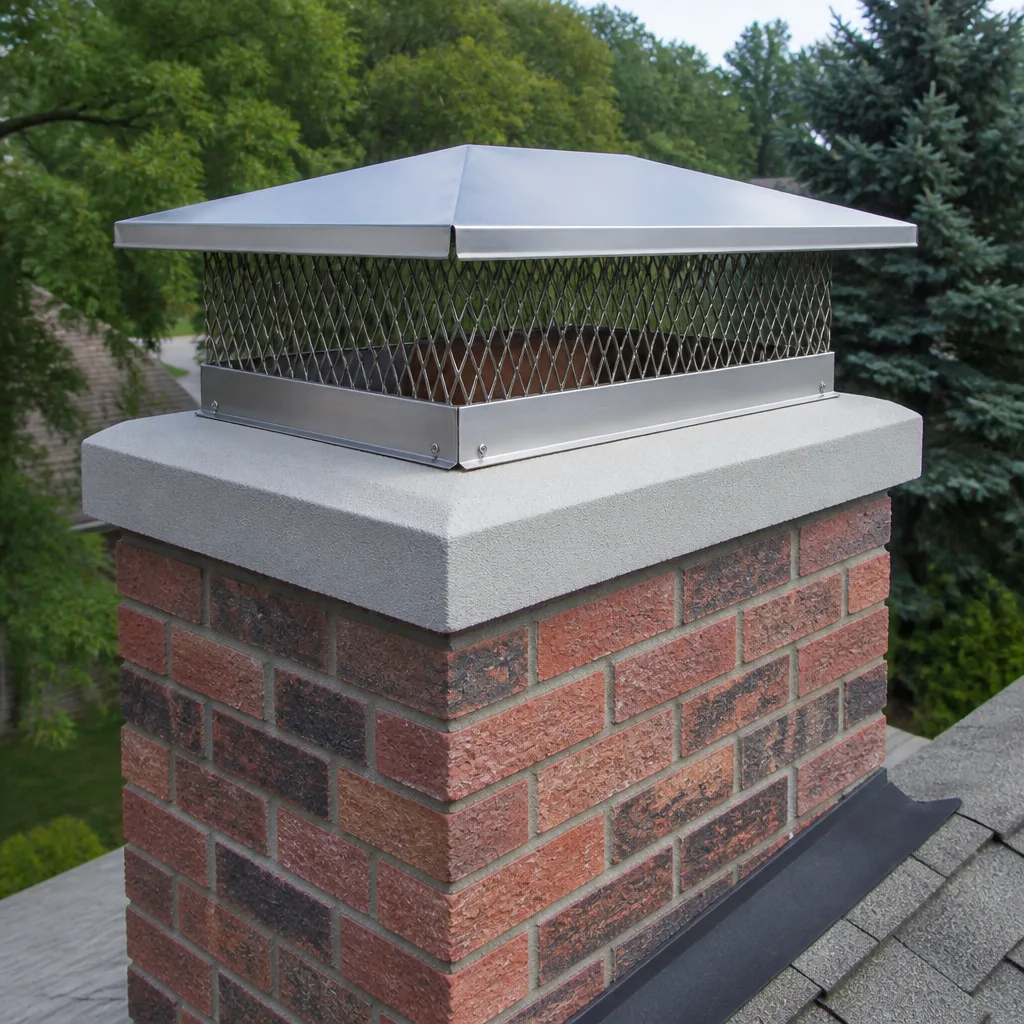
| Chimney cap installation | Stainless steel cap, proper sizing, secure mounting | $299 – $599 |
Prices below $150 for a sweep should raise questions. At that level, a company is likely skipping insurance, using unverified labor, or rushing the job to fit four appointments into a morning. Prices above $500 for basic service without clear justification – specialized equipment, difficult roof access, known pre-existing damage – warrant a second opinion.
At Alcott Chimney Sweep, every customer receives a written price before work begins. That price doesn’t change unless we find conditions that were genuinely unforeseeable, and even then, we discuss them with you before proceeding. Our Alcott Chimney Sweep home page details our full service structure.
Materials matter for repairs and installations. We specify and install professional trade brands – Gelco and Olympia Chimney for caps and accessories, Famco for ventilation components, Copperfield for specialty fittings – rather than improvising with box-store substitutes that fail prematurely in LA’s sun and salt air.
How Often Should You Clean Your Chimney in Los Angeles?
The NFPA 211 standard recommends annual inspection for all chimneys, with cleaning “as needed.” In practice, Los Angeles usage patterns create a different rhythm than the “sweep every cord of wood” rule you might read elsewhere.
For fireplaces burned fewer than 20 times per year: Schedule inspection every 18-24 months, with cleaning determined by what’s found. The idle-period problems – animal nesting, debris accumulation, moisture damage – matter more than creosote volume.
For regular weekend burners (20-60 fires per year): Annual inspection and likely annual cleaning. Stage 2 creosote develops more predictably with consistent use.
For primary heat source or frequent entertaining use: Annual inspection and cleaning, with mid-season checks if you’re burning more than three times weekly during winter months.
Special timing considerations for Los Angeles:
- Schedule before October 15 if you plan to burn during Santa Ana season
- Schedule after major seismic events, even minor ones you barely felt
- Schedule immediately if you detect odd odors, drafting problems, or visible debris falling into the firebox
- Schedule before listing your home for sale – buyers’ inspectors will flag chimney condition, and pre-emptive documentation protects your sale price
Homes in canyon and hillside areas – Laurel Canyon, Beachwood Canyon, the Hollywood Hills – may need more frequent cap and flashing checks due to wind exposure and wildlife activity.
Common Mistakes to Avoid
- Assuming low use means no maintenance needed. In Los Angeles, idle chimneys often have worse problems than active ones. Animal nests, moisture damage, and wind-blown debris don’t care how often you burn.
- Hiring based on coupon price alone. The $99 sweep special typically involves a rushed 20-minute job, no camera inspection, and aggressive upselling of unnecessary repairs. Legitimate equipment, insurance, and verified technicians cost more than $99 to deploy.
- Ignoring earthquake history. Even minor seismic events can crack flue liners or shift chimney structures. If your home shook and you didn’t inspect the chimney, you’re assuming it’s fine without evidence.
- Using the chimney as a vent for other appliances without professional evaluation. Water heaters and furnaces connected to chimney flues change exhaust temperatures and condensation patterns. What worked for wood burning may fail dangerously with gas appliance venting.
- DIY cleaning with household tools. Standard chimney brushes require proper rod length, rotation technique, and debris containment. Without these, you risk incomplete cleaning, damaged liners, and a house full of soot. The real risk, though, is what you miss – cracks, liner gaps, and structural problems no brush will reveal.
- Skipping the cap to save money. A proper chimney cap ($299-$599 installed) prevents the animal nesting and debris accumulation that cause most emergency calls in Los Angeles. It’s cheaper than an emergency visit plus animal removal plus potential liner repair.
- Accepting verbal repair recommendations without photo documentation. Any recommendation for liner replacement, crown rebuilding, or masonry repair should come with images you can see. “Trust me, it’s cracked” is not sufficient justification for a $2,000 repair.
When to Call a Professional
Call for an inspection if you notice smoke entering your living space, strong odors from the fireplace when not in use, visible creosote flakes in the firebox, or any debris or animal sounds from the flue. After any seismic event, even minor shaking, a Level II inspection is prudent. Before your first fire of the season, if you haven’t had service in 18 months, schedule now rather than assuming everything is fine.
Gas fireplace owners often overlook maintenance – but gas fireplace repair in Los Angeles becomes necessary when valves corrode, pilot assemblies clog with dust, or venting connections degrade from thermal cycling. Annual service prevents mid-winter failure when you actually want to use the unit.
Alcott Chimney Sweep offers free estimates in Los Angeles – call (336) 863-3889. You’ll speak to a live person, receive a clear explanation of what your situation requires, and know the technician’s name and photo before anyone arrives at your door.
Frequently Asked Questions
A standard chimney sweep with Level I inspection in Los Angeles typically runs $199 to $349, while a Level II inspection with camera documentation runs $299 to $499. Heavy creosote removal or chemical treatment can push costs to $400 to $700. Call (336) 863-3889 for an exact quote – estimates are free.
You should never accept a liner replacement recommendation without seeing photo or video evidence of the specific damage. A cracked or missing liner is a real safety hazard that allows heat and combustion gases to reach combustible framing. But reputable companies show you the damage, explain exactly where it is, and provide a written price before any work begins. If you can’t see it, don’t approve it.
Most Los Angeles homeowners need inspection every 12 to 24 months, with cleaning frequency determined by what’s found. Low-use fireplaces (under 20 fires per year) often need attention for animal nesting and debris rather than creosote. Regular burners should plan on annual service. Call (336) 863-3889 to discuss your specific usage pattern.
The risks depend on your system. Creosote buildup can fuel a chimney fire reaching 2,000°F. Blockages from nests or debris force carbon monoxide back into living spaces. Cracked liners allow heat transfer to wall framing. In Los Angeles specifically, earthquake-damaged flues left uninspected can fail catastrophically during rare heavy use. None of these announce themselves – they’re discovered during inspection or during failure.
Mechanical cleaning of accessible portions is possible with proper equipment, but we don’t recommend it for most homeowners. The greater value of professional service is the inspection that accompanies it – identifying liner cracks, crown deterioration, and draft problems that no brush will reveal. For safety-critical components, trained assessment matters more than DIY savings.
Gas fireplaces don’t produce creosote, but their venting systems require annual inspection and service. Corrosion in vent pipes, deteriorated gaskets, and malfunctioning safety valves create carbon monoxide risks. Dust accumulation in burner ports causes ignition failure and sooting. Professional gas fireplace service in Los Angeles addresses these issues before they become dangerous or expensive.
The Bottom Line
Chimney maintenance in Los Angeles requires thinking different than cold-climate assumptions. Our low-use, long-idle fireplaces face animal nesting, wind debris, moisture damage, and seismic stress that constant burning would prevent or reveal. The real hazards often develop in silence during months of disuse.
Protect yourself with annual or biennial inspection by a technician whose identity you verify before arrival, who provides written pricing before work begins, who documents findings with photo evidence, and who stands behind repairs with a written guarantee. Anything less leaves you trusting words when you need proof.
Written by Ruben Castellano, Owner at Alcott Chimney Sweep, serving Los Angeles since 2002.