
Last updated October 9, 2026
Level 1 sweep and inspection to the NFPA 211 annual standard - flue, crown, cap, and flashing checked and photographed
Chimney sweep logs do not sweep chimneys. They loosen some creosote - which then falls where a brush and vacuum still have to collect it.
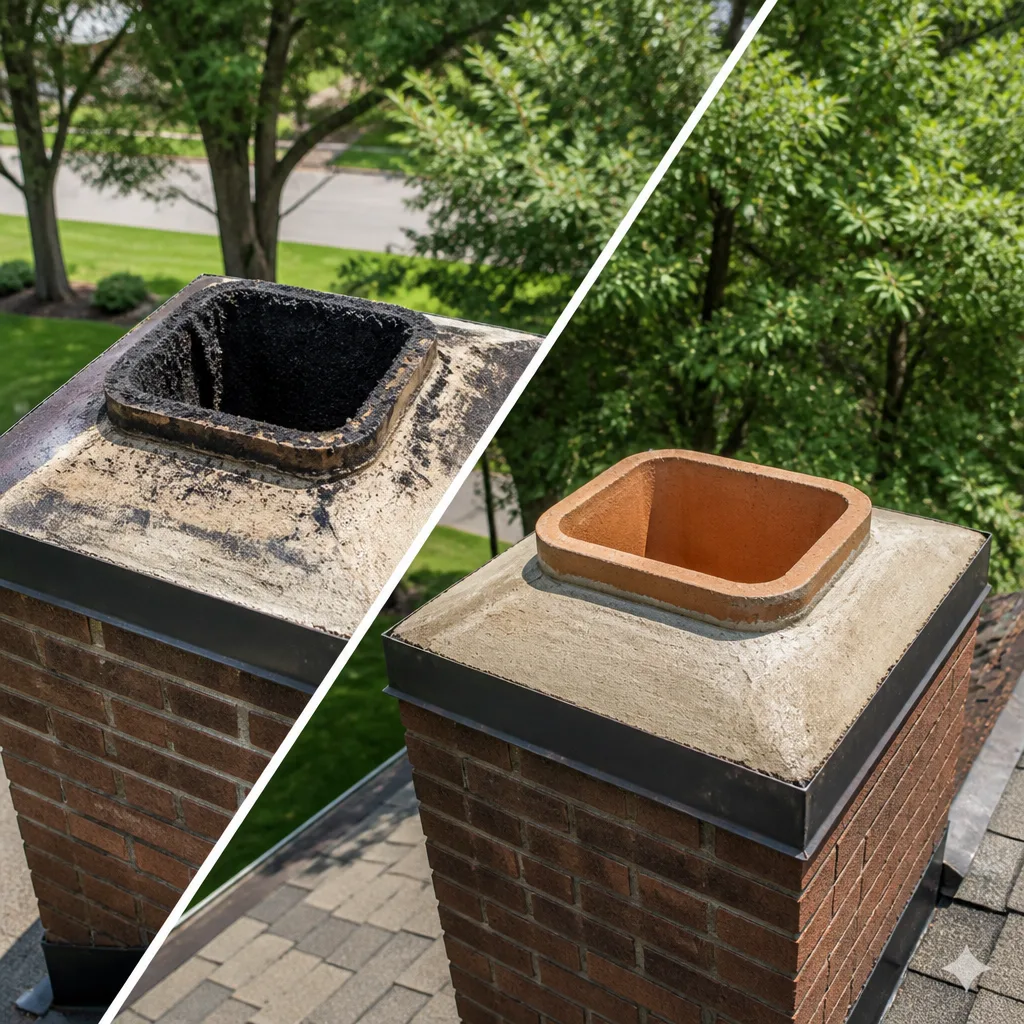
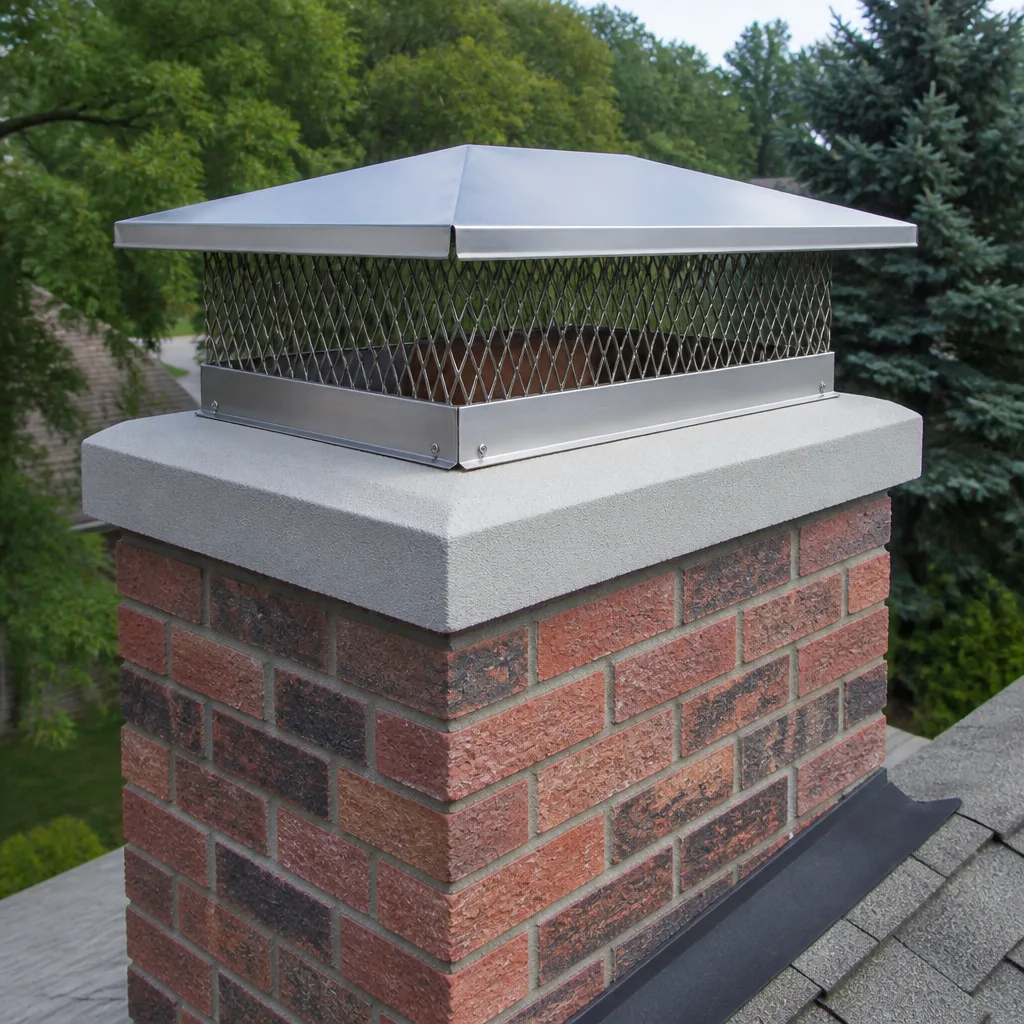
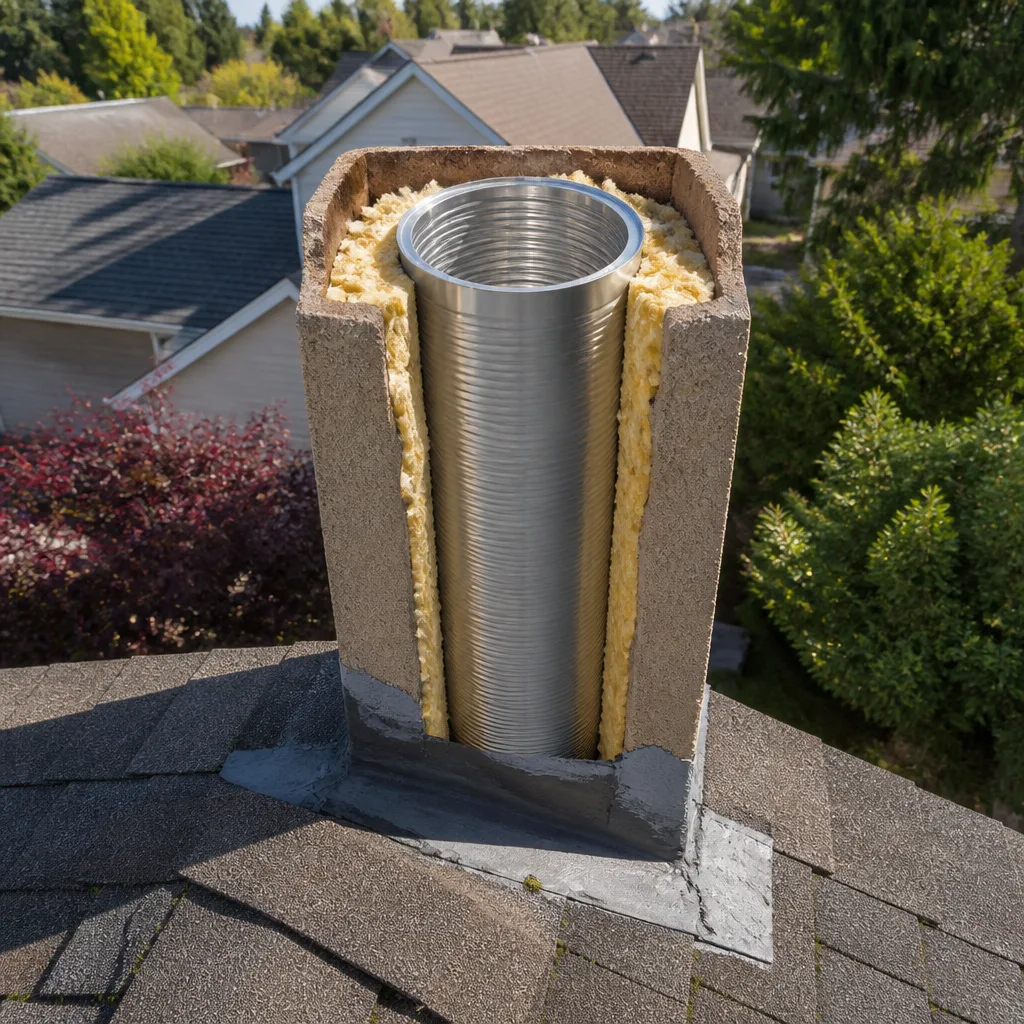
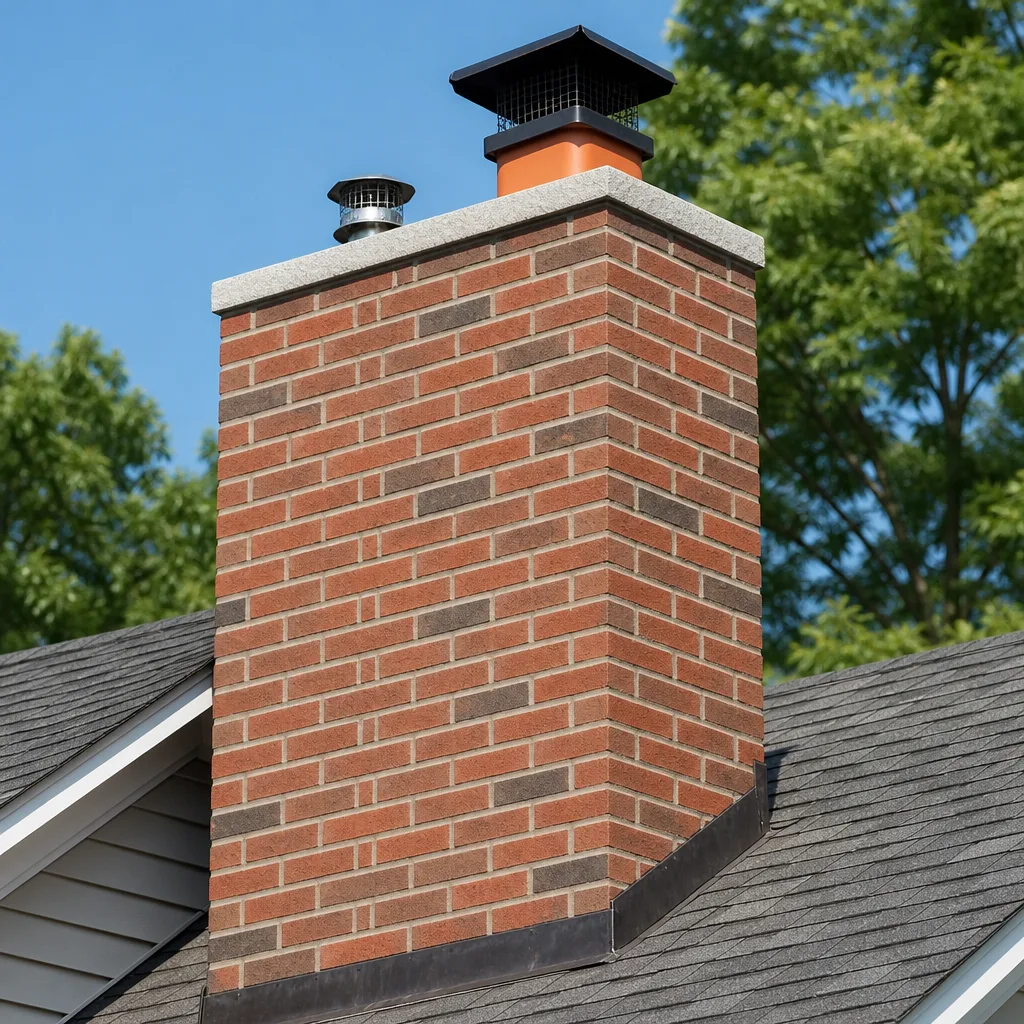
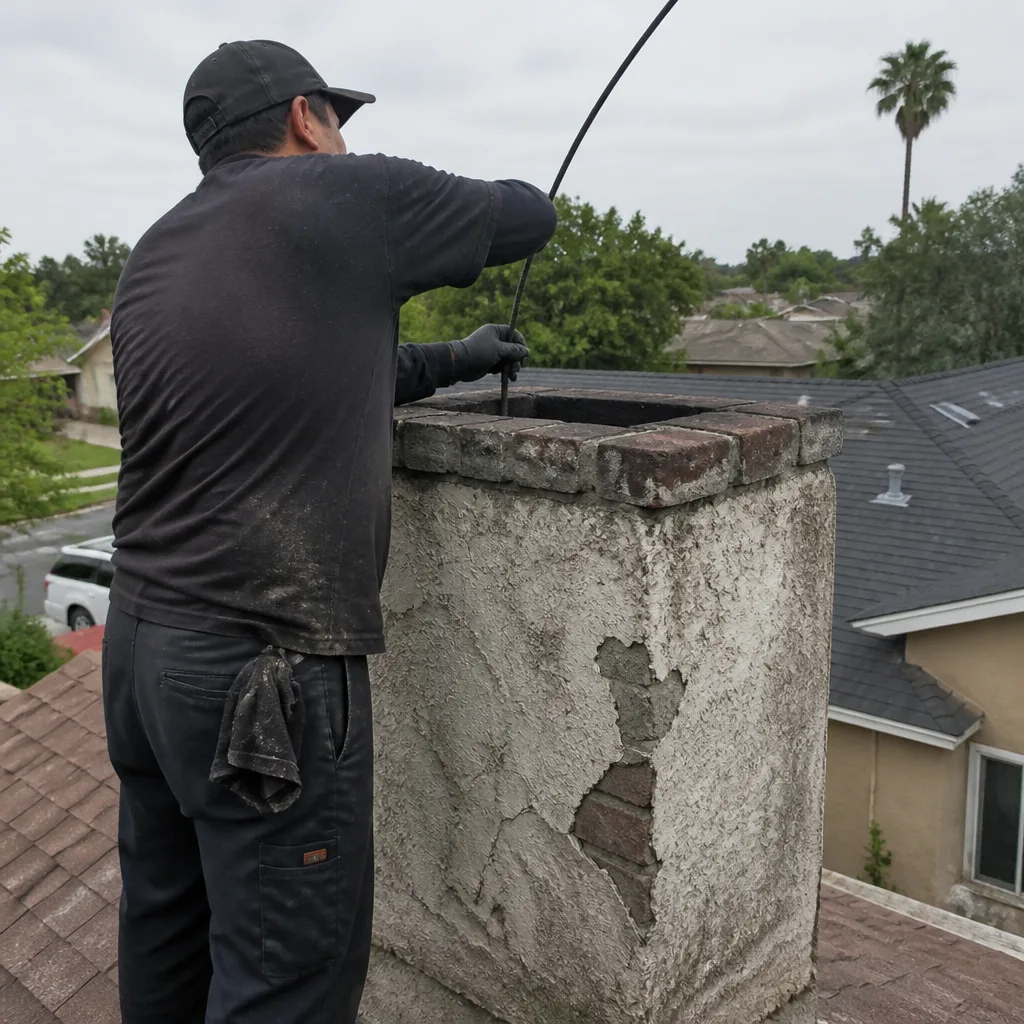 Before
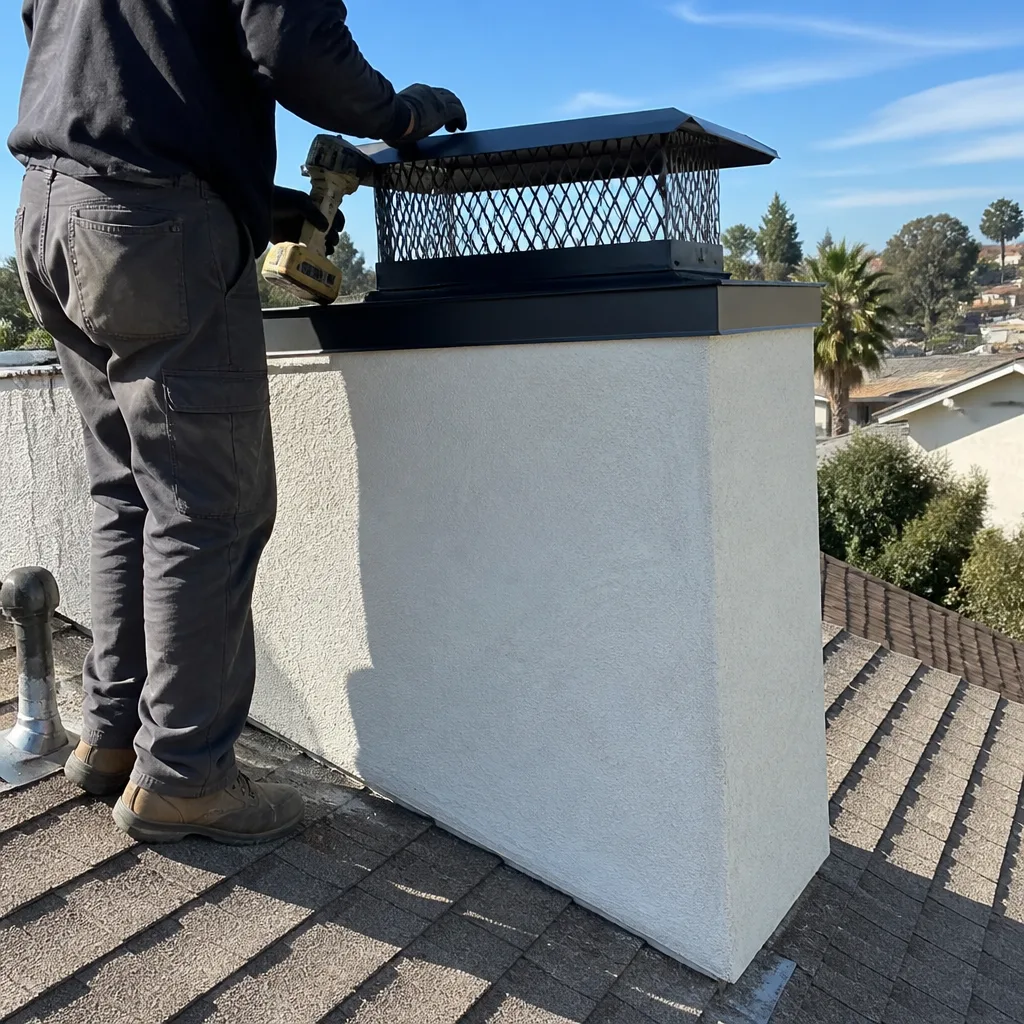 After
After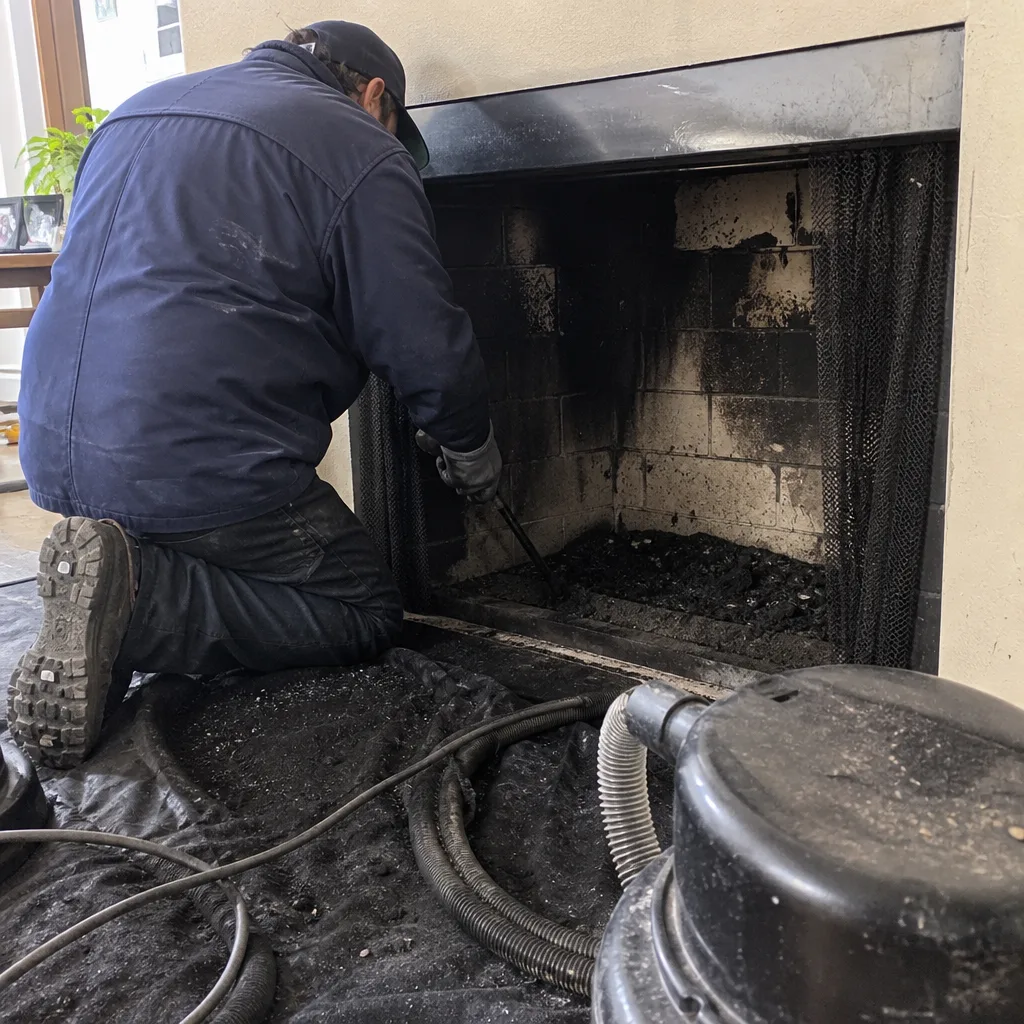 Before
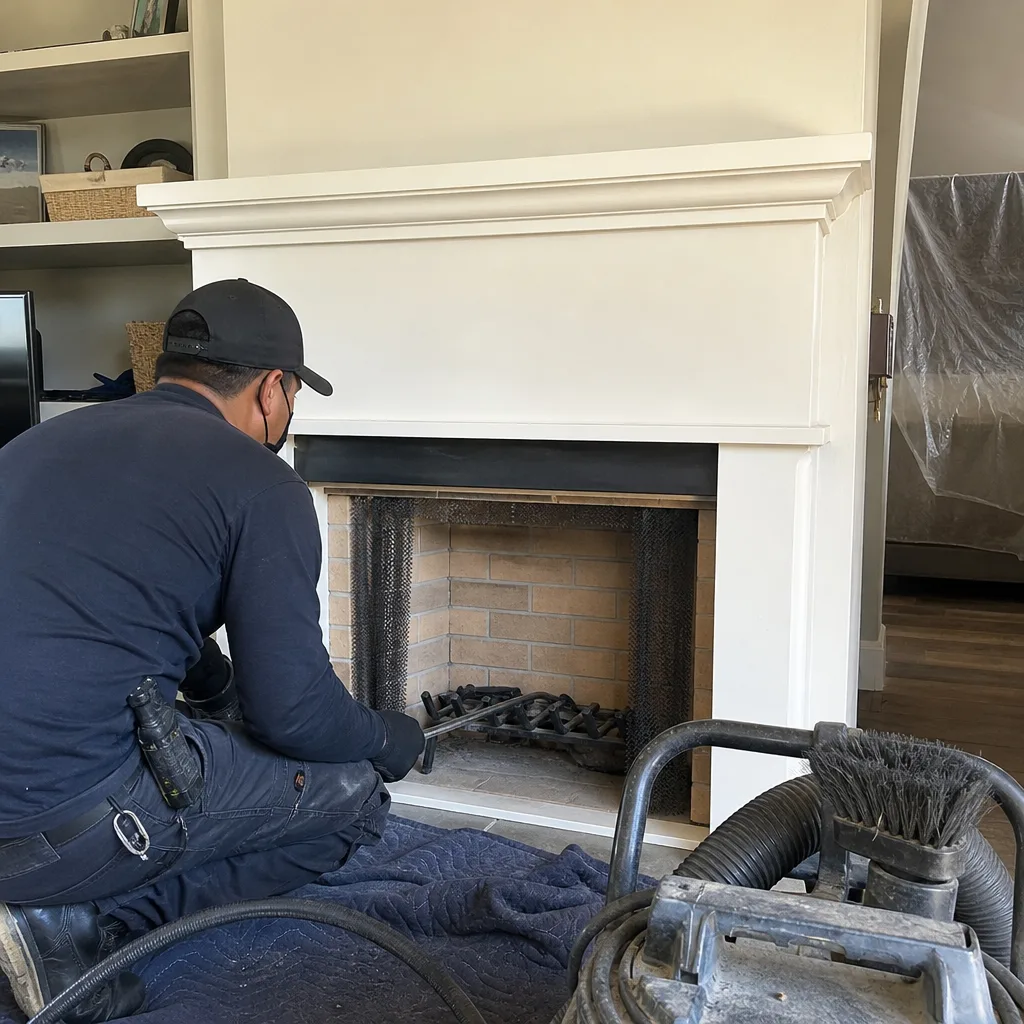 After
After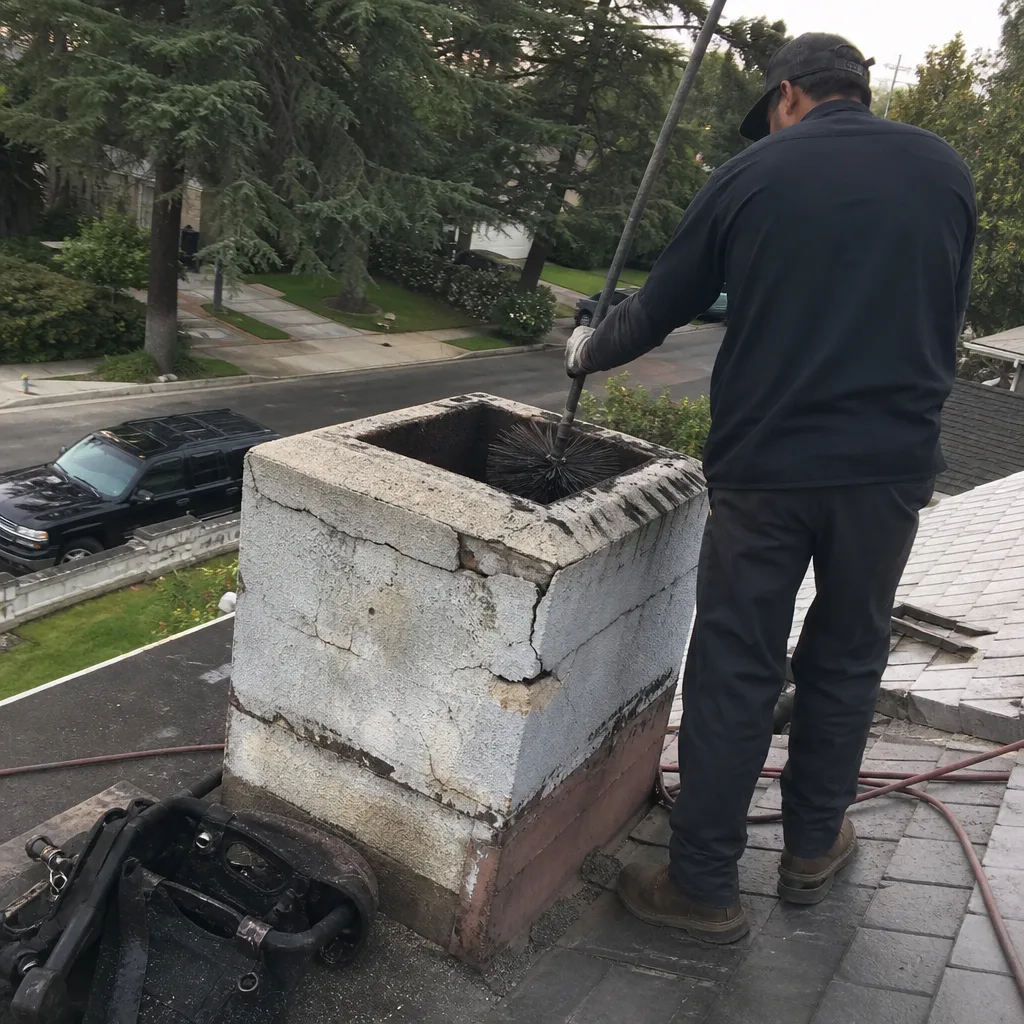 Before
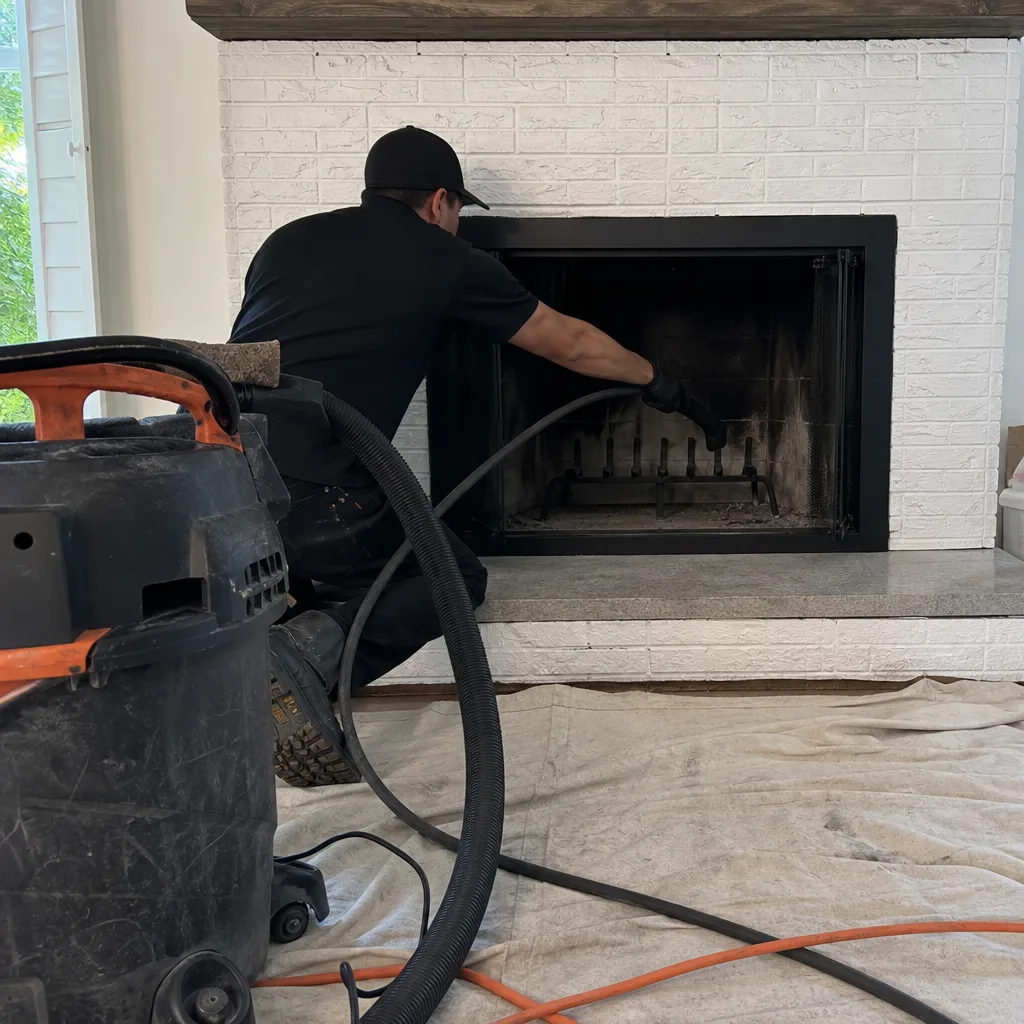 After
AfterDIY vs Professional Chimney Sweep: What’s Safe to Do Yourself
A chimney sweep brush kit costs $45 on Amazon, and using it incorrectly doesn’t just leave creosote behind – it can dislodge flue tile fragments that then sit undetected until they block a flue during an actual fire. In Los Angeles, where many neighborhoods from Silver Lake to the Pacific Palisades rely on wood-burning fireplaces for those rare chilly December evenings, we’ve seen homeowners who thought they’d “handled it themselves” end up with far worse problems than a dirty flue. This guide breaks down exactly which chimney tasks are genuinely safe for a capable homeowner, which ones create liability and health risks even with store-bought tools, and what our Chimney Sweep services reveal through professional camera inspection that no DIY approach can replicate.
Quick Answer
Homeowners can safely perform three specific chimney tasks: visual damper inspection, firebox condition checks, and exterior cap/crown assessment from a stable ladder or roofline. DIY flue brushing is not recommended because it risks dislodging debris without proper extraction, creates hazardous PM2.5 particulate exposure indoors, and leaves critical flue damage undetected. Professional sweeping with closed-system vacuuming and camera inspection is the only method that safely removes creosote while verifying structural integrity.
Table of Contents
- Three Chimney Tasks You Can Safely Do Yourself
- Why DIY Brushing Creates Health and Safety Risks
- The Tool Gap: What Professional Camera Inspection Catches
- When Exterior Cap Cleaning Helps vs. When It Hides Danger
- Insurance Reality: What Happens After a Chimney Fire Without Professional Records
- DIY vs. Professional: Real Cost Breakdown in Los Angeles
- Common Mistakes to Avoid
- When to Call a Professional
- Frequently Asked Questions
- The Bottom Line
Three Chimney Tasks You Can Safely Do Yourself
Not every chimney maintenance task requires a truck roll and a trade professional. There are three specific checks a capable Los Angeles homeowner can perform safely, provided they understand the limits of each.
1. Damper Inspection and Operation
The damper is the metal plate that seals your flue when the fireplace isn’t in use and opens it when you’re burning. A stuck or damaged damper wastes energy and can force smoke into your living room.
What you can safely do:
- Open the damper fully and verify it moves smoothly along its track.
- Check for visible rust, warping, or cracks in the metal plate.
- Close it completely and hold a lit incense stick near the seal – drifting smoke indicates a poor seal that lets heated or cooled air escape year-round.
- Look up the flue with a flashlight for daylight visible around the damper edges when closed.
The limit: If the damper is stuck, rusted through, or mounted in a throat configuration that’s inaccessible without dismantling masonry, stop. Forcing it can drop debris into the firebox or damage the frame. In older Los Angeles homes, particularly in neighborhoods like Los Feliz or Hancock Park with 1920s construction, throat dampers were often built into the masonry itself and require professional evaluation.
2. Firebox Visual Check
The firebox is where the fire actually burns – brick or refractory panels that take direct heat. This is the one area you can see without tools.
What to look for:
- Cracks wider than a nickel in firebrick or refractory panels
- Mortar joints that have fallen out or turned to powder
- White or tan staining indicating water infiltration from above
- Bulging or spalled (flaking) brick faces
The limit: Hairline cracks in firebrick are normal thermal expansion. But any crack that penetrates through the brick or panel, or any separation between the firebox and surrounding framing, needs professional evaluation. The firebox is your home’s last barrier between flame and combustible structure. In Los Angeles, where seismic activity has stressed masonry in areas from the San Fernando Valley to the basin, we’ve replaced fireboxes where homeowners missed gradual separation that created a direct path for fire to reach wall framing.
3. Exterior Cap and Crown Inspection (From Stable Ground or Roofline)
If you can safely access your roof with a stable ladder on level ground – and only if – the cap and crown are worth a visual check.
What to assess:
- Cap condition: Is the mesh intact, or are there holes larger than a quarter that let animals enter?
- Crown (the concrete slab that sheds water off the chimney top): Look for cracks that run from the flue tile to the crown edge, or any spalling that exposes aggregate.
- Flashing at the roofline: Check for lifted, rusted, or separated metal where the chimney meets the roofing material.
The limit: Never lean over a roof edge or work on a wet, windy, or steep surface. Los Angeles sees enough Santa Ana wind events and occasional rain to make roof work genuinely dangerous for the unprepared. If you can’t maintain three points of contact at all times, call a professional. We’ve responded to emergency calls in Brentwood and Bel Air where homeowners fell attempting minor chimney checks.
Why DIY Brushing Creates Health and Safety Risks
The $45 brush kit seems straightforward: attach rods, scrub up and down, creosote falls into the firebox, sweep it out. What the product listings don’t explain is what happens to the particles you can’t see.
PM2.5 exposure exceeds safe thresholds. Creosote contains polycyclic aromatic hydrocarbons (PAHs) and fine particulate matter. Without a closed-system vacuum that maintains negative pressure at the flue opening, brushing releases a cloud of PM2.5 particles directly into your living space. The EPA’s 24-hour ambient standard for PM2.5 is 35 micrograms per cubic meter. In our measurements during training demonstrations, DIY brushing without proper extraction has produced transient indoor concentrations exceeding 200 micrograms per cubic meter near the fireplace – levels that trigger respiratory distress in sensitive individuals and exceed OSHA occupational exposure limits for workers who at least have respirators.
Los Angeles already struggles with air quality. Adding an indoor creosote aerosol to existing regional particulate loads creates a genuine health exposure, particularly for children, older adults, and anyone with asthma or COPD.
Dislodged debris becomes a future blockage. A professional chimney sweep uses a high-powered vacuum simultaneously with brushing, extracting loosened material before it can fall and accumulate. DIY brushing without simultaneous extraction allows creosote chunks, broken flue tile, and bird nesting material to fall into the smoke shelf – the horizontal ledge just above the damper. From there, it sits undisturbed until the next fire heats the flue, potentially igniting accumulated material or blocking exhaust flow.
We’ve cleared smoke shelf blockages in homes from Pasadena to Marina del Rey where the homeowner had “swept” the chimney months earlier. The brush passed through; the debris stayed behind.
The Tool Gap: What Professional Camera Inspection Catches
Even a perfectly executed DIY brushing with proper PPE and a shop vacuum misses the critical verification step. You cannot see the full flue interior without a chimney inspection camera, and the failure modes that matter most are invisible from either end.
What a professional camera inspection reveals:
| Condition | What It Looks Like on Camera | Why It Matters |
|---|---|---|
| Spalled flue tile | Flaked, pitted, or missing tile surface with exposed clay body | Creates gaps where creosote accumulates; accelerates deterioration; can allow flame contact with masonry |
| Shifting flue liner joints | Misaligned tile sections with visible gaps at joints | Allows exhaust gases to leak into chimney structure; primary cause of carbon monoxide intrusion into living spaces |
| Glazed creosote | Shiny, hardened, tar-like coating that resists brushing | Requires chemical treatment or rotary removal; standard brushing polishes it without removing it |
| Mortar deterioration | Missing or crumbling mortar between flue tiles | Structural weakness; potential for liner collapse during thermal stress |
| Obstruction | Animal nests, collapsed masonry, or foreign objects | Direct blockage of exhaust flow; carbon monoxide backup; chimney fire risk |
In our Los Angeles service area, we’ve found significant flue damage in chimneys that appeared perfectly functional from the firebox and roofline. A home in the Hollywood Hills had a three-foot section of separated flue tile that was invisible until the camera passed that point – the homeowner had burned fires for two seasons with exhaust leaking into the chimney cavity. A property in Redondo Beach had glazed creosote so hardened that standard brushing would have taken eight hours without chemical pretreatment; the camera identified it in ninety seconds.
At Chimney Inspection in Los Angeles, our process includes this camera documentation as standard, not as an upsell. You see what we see, and we explain what requires immediate action versus what can be monitored.
The specific failure modes DIY cannot catch:
- Mid-flue tile cracks that don’t extend to either visible end
- Gradual liner joint separation from thermal cycling (common in Los Angeles’s hot-cold-hot seasonal pattern)
- Hidden nest or debris accumulation above the smoke shelf
- Water damage patterns that indicate crown or flashing failure before visible staining appears indoors
When Exterior Cap Cleaning Helps vs. When It Hides Danger
Cleaning leaves and debris from a chimney cap is a reasonable homeowner task. But it’s important to distinguish between surface maintenance and problem concealment.
When exterior cleaning is adequate:
- Seasonal leaf accumulation on the cap mesh
- Visible cobwebs or light debris at the cap perimeter
- Minor creosote staining on the cap exterior (indicates the cap is doing its job of catching sparks)
When cleaning masks a deeper problem:
Heavy creosote buildup on the cap interior surface indicates a drafting or burning problem below. Cleaning the cap removes the symptom while the cause – improper wood burning, oversized flue, or negative pressure in the home – continues to deposit creosote throughout the flue. We’ve inspected chimneys in Santa Monica where the homeowner proudly showed us their “like new” cap, while the camera revealed a flue lined with a half-inch of combustible deposit.
Similarly, a cap that repeatedly clogs with debris may indicate a downdraft problem caused by nearby trees, roof geometry, or competing exhaust systems. In the hills above Los Angeles, where canyon winds create complex pressure patterns, cap design matters as much as cap cleanliness. A standard hardware-store cap may be entirely wrong for your specific exposure. We specify and install caps from Olympia Chimney and Famco that are matched to local wind conditions and flue specifications – not one-size-fits-all solutions.
Insurance Reality: What Happens After a Chimney Fire Without Professional Records
This is the point where DIY optimism meets financial reality, and it’s where DIY vs Professional Gas Fireplace Repair: What’s Safe to Do Yourself and other honest guides become essential reading.
Homeowner’s insurance policies contain a standard duty-of-care clause requiring “reasonable maintenance” of known hazards. A wood-burning fireplace is a known hazard. If a chimney fire occurs and the insurer investigates, the absence of professional sweep documentation within the prior 12 months becomes a coverage issue.
What we’ve seen in practice:
Insurers don’t automatically deny every claim without a sweep record. But they do assign a claims adjuster who will request maintenance documentation. If you provide receipts for a $45 brush kit and a self-performed cleaning, the adjuster will consult their retained fire cause and origin expert. That expert will note that DIY brushing without camera verification cannot establish that the flue was actually clear and structurally sound at the time of the fire. The claim may then be reduced or denied based on “failure to maintain with qualified professional service.”
In Los Angeles’s high-value real estate market, where chimney fires in historic homes from West Adams to Windsor Square can cause six-figure damage, this isn’t theoretical. We’ve been called to document flue conditions for insurance disputes where the homeowner’s DIY maintenance became the central coverage question.
A professional sweep record from a licensed, insured provider creates a dated, documented baseline. At Alcott Chimney Sweep, every Chimney Sweep in Los Angeles includes written documentation of flue condition, photo or video evidence, and a report suitable for insurance or real estate disclosure purposes. This isn’t about fear – it’s about having the paper trail that protects your coverage.
DIY vs. Professional: Real Cost Breakdown in Los Angeles
Honest pricing matters. Here’s what each approach actually costs in the Los Angeles market, with the factors that move the numbers.
| Approach | Upfront Cost | What’s Included | Hidden Costs / Risks |
|---|---|---|---|
| DIY brush kit | $45 – $85 | Basic brushes, extension rods, plastic sheeting | No vacuum extraction; no camera inspection; no documentation; health exposure from PM2.5; potential for debris accumulation; insurance documentation gap |
| DIY + shop vacuum attempt | $150 – $250 | Brush kit, HEPA shop vacuum, basic PPE | Still no camera inspection; vacuum may not maintain negative pressure at flue opening; no professional documentation; potential equipment damage if vacuum isn’t rated for hot ash |
| Professional standard sweep | $200 – $350 | Closed-system HEPA vacuuming, rotary or hand brushing, basic visual inspection, written condition report | None inherent; varies by provider whether camera inspection is included or additional |
| Professional sweep with camera inspection | $300 – $500 | Full sweep plus video/photo documentation of full flue length, detailed written report, repair recommendations with pricing | None; this is complete verification |
Los Angeles pricing sits at the higher end of national ranges due to labor costs, parking and travel time between dispersed neighborhoods, and the prevalence of older masonry chimneys requiring more careful handling. A sweep in a 1920s Spanish Colonial in Los Feliz takes longer than a straightforward metal prefab in a newer San Fernando Valley home.
At Alcott Chimney Sweep, we provide written pricing before any work begins – every customer, every time. No surprise charges. The price we quote is the price you pay, and it includes our 365-Day Done Right Promise: if any repair we perform fails within a year, the second visit is free.
Common Mistakes to Avoid
- Using a brush that’s the wrong size for your flue. A brush too small skips the flue surface; too large can jam or damage tile. Most Los Angeles homes built before 1980 have 8×8 or 8×12 clay flue tiles, but prefab fireplaces from the 1990s onward often use 6-inch or 7-inch round metal liners. Measure before you buy, or better, have a professional measure with a camera.
- Brushing from the top down without roof safety equipment. Every year, homeowners fall from roofs attempting this. In Los Angeles, where tile roofs are common in neighborhoods from Tarzana to Palos Verdes, the surface is uneven even when dry. Falls from second-story rooflines cause serious injury or death.
- Burning “sweeping logs” as a substitute for mechanical cleaning. These products contain chemicals that loosen creosote but don’t remove it. The loosened material falls to the smoke shelf, where it accumulates. We’ve found smoke shelves packed with chemically treated creosote that became a dense, highly combustible mat. Sweeping logs are a maintenance supplement, not a replacement.
- Ignoring the smoke shelf. The smoke shelf is the flat area behind the damper where debris naturally collects. It’s inaccessible without specialized tools and proper technique. In homes near the Los Angeles National Forest or Griffith Park, we’ve removed pounds of wind-blown leaf debris and animal nesting material from smoke shelves – none of which a standard brush kit addresses.
- Assuming no smell means no problem. Carbon monoxide is odorless. A partially blocked flue or cracked liner can vent dangerous gases into your home without any visible smoke or smell. The only verification is camera inspection and, for gas appliances, combustion analysis.
- Using the fireplace immediately after DIY brushing without inspection. Brushing dislodges material. If the damper area or smoke shelf is now partially blocked, the next fire can force smoke into the room or create a chimney fire from accumulated debris. Always verify clear flue passage before burning after any maintenance.
- Neglecting gas fireplace maintenance entirely. Many Los Angeles homeowners assume gas fireplaces need no service. They do. Gas fireplace repair involves burner orifice inspection, valve testing, and venting verification. At Gas Fireplace Repair in Los Angeles, we service units that haven’t been inspected in years and find deteriorated ember beds, misaligned burners, and blocked venting that creates carbon monoxide risk.
When to Call a Professional
Call a professional chimney sweep when: you’ve never had a camera inspection and don’t know your flue’s actual condition; you’re buying or selling a home and need documentation for disclosure; you’ve had a chimney fire, even a small one; you smell smoke in rooms other than where the fireplace is located; your damper sticks, squeals, or won’t fully close; you see water stains on the ceiling near the chimney; or it’s been more than a year since professional service.
In Los Angeles, where seasonal burning is concentrated into a few months, many homeowners defer maintenance until the first cold snap. That creates a scheduling rush and increases the risk of using a damaged flue. We recommend scheduling in early fall, before the October-November surge.
Alcott Chimney Sweep offers free estimates in Los Angeles – call (336) 863-3889. Every technician is Threshold Verified: background-checked, identity-verified, and sent to you by name and photo before arrival. You’ll know exactly who is coming before that person reaches your driveway.
Frequently Asked Questions
A standard chimney sweep in Los Angeles typically runs $200 – $350, with camera inspection and full documentation adding $100 – $150. Prices vary based on chimney height, accessibility, and whether the flue has a liner or is unlined masonry. Older homes in neighborhoods like Hancock Park or Los Feliz often require additional time due to fragile historic masonry. Call (336) 863-3889 for an exact quote – estimates are free.
A standard shop vacuum cannot maintain the negative pressure required to contain fine creosote particles during brushing. Professional chimney vacuums use HEPA filtration and are designed to seal against the firebox opening, creating a contained system. Without this seal, PM2.5 levels in your living space can exceed EPA safe thresholds by five times or more during DIY brushing.
The National Fire Protection Association recommends annual inspection, with sweeping as needed based on creosote accumulation; see our Gas Fireplace Repair Maintenance Schedule: What to Do and When for detailed guidance. In Los Angeles, where many homeowners burn only occasionally during winter, every 1 – 2 years may be adequate if you’re burning properly seasoned hardwood and the prior inspection showed minimal buildup. Frequent burners, those using manufactured logs, or homes with older unlined flues should stick to annual service. The only way to know your specific interval is camera inspection that measures actual accumulation.
You need a new liner when the existing one is damaged, deteriorated, or absent – and only when camera inspection confirms this. Common indicators: visible cracks through the tile, spalling that exposes the clay body, shifted joints with gaps, or an unlined masonry flue in a home built before 1940. We install DuraFlex stainless steel liner systems when relining is necessary, and we show you the camera evidence before recommending any work. Some conditions can be monitored annually rather than repaired immediately.
Three outcomes become increasingly likely: chimney fire from ignited creosote buildup, carbon monoxide intrusion from cracked or separated flue liners, and water damage from crown or flashing failure that destroys surrounding structure. In Los Angeles’s dry climate, homeowners underestimate how quickly a small crown crack allows winter rain to saturate masonry, then our hot spring sun causes rapid expansion that spalls brick faces. Deferred maintenance becomes major reconstruction.
A professional sweep with proper equipment should leave your home cleaner than when we arrived. At Alcott Chimney Sweep, our closed-system vacuum contains all debris at the source. We lay protective coverings, wear shoe covers, and clean our work area before departure. The mess you’ve heard about comes from providers who don’t use proper containment – or from DIY attempts that release creosote dust throughout the living space.
The Bottom Line
DIY chimney maintenance has a legitimate but limited role, as we explore further in more guides & resources. Check your damper, inspect your firebox, and clear surface debris from your cap if you can do so safely. These three tasks cost nothing and catch obvious problems early. But DIY flue brushing crosses into health risk and false confidence – it releases hazardous particles, leaves critical damage undetected, and creates insurance documentation gaps that matter after a fire.
The professional difference isn’t the brush. It’s the closed-system extraction that protects your air quality, the camera inspection that verifies what you can’t see, and the written documentation that protects your coverage. In Los Angeles’s varied housing stock, from hillside contemporaries to century-old bungalows, every flue has a history that only proper inspection reveals.
For homeowners who want certainty about what they’re burning in, professional service is the only path to actual verification. Everything else is hope, and hope doesn’t show up in a claims file.
Written by Ruben Castellano, Owner at Alcott Chimney Sweep, serving Los Angeles since 2002.