
Last updated October 9, 2026
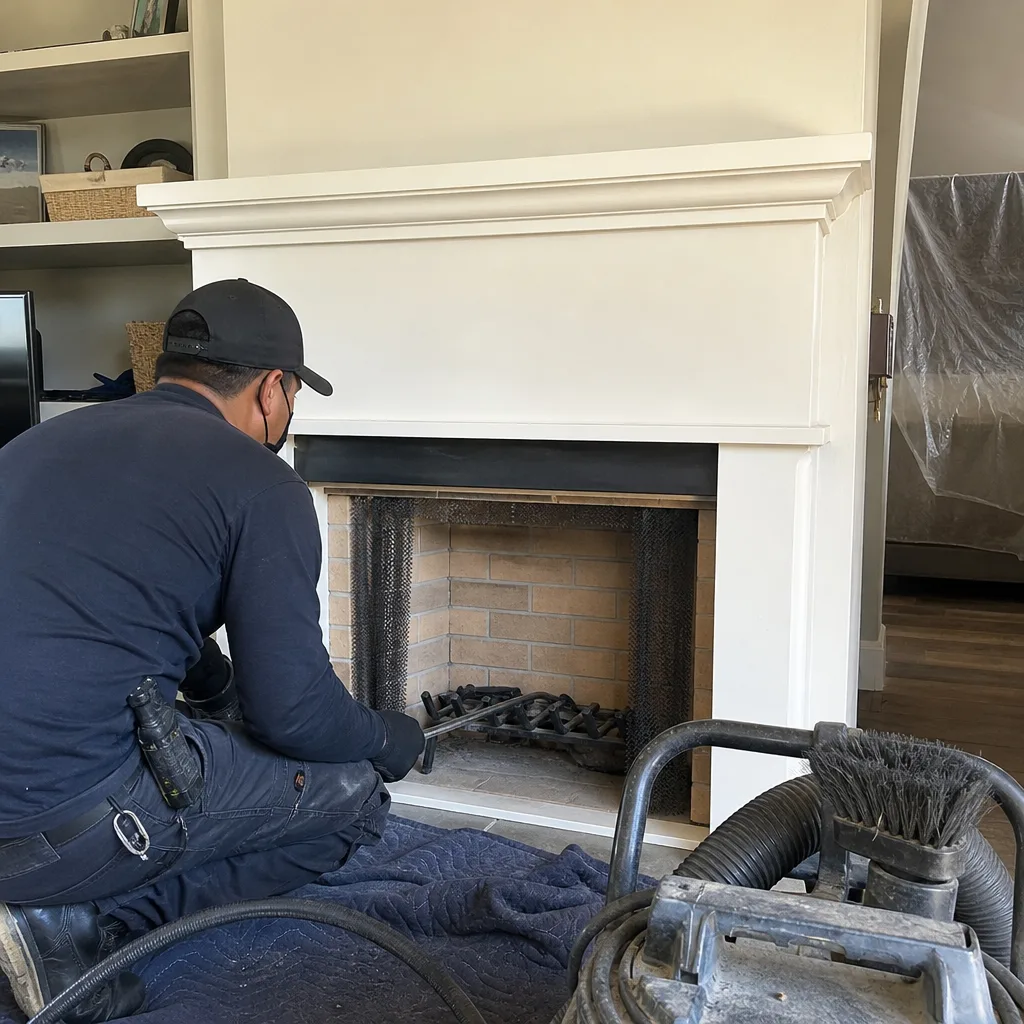
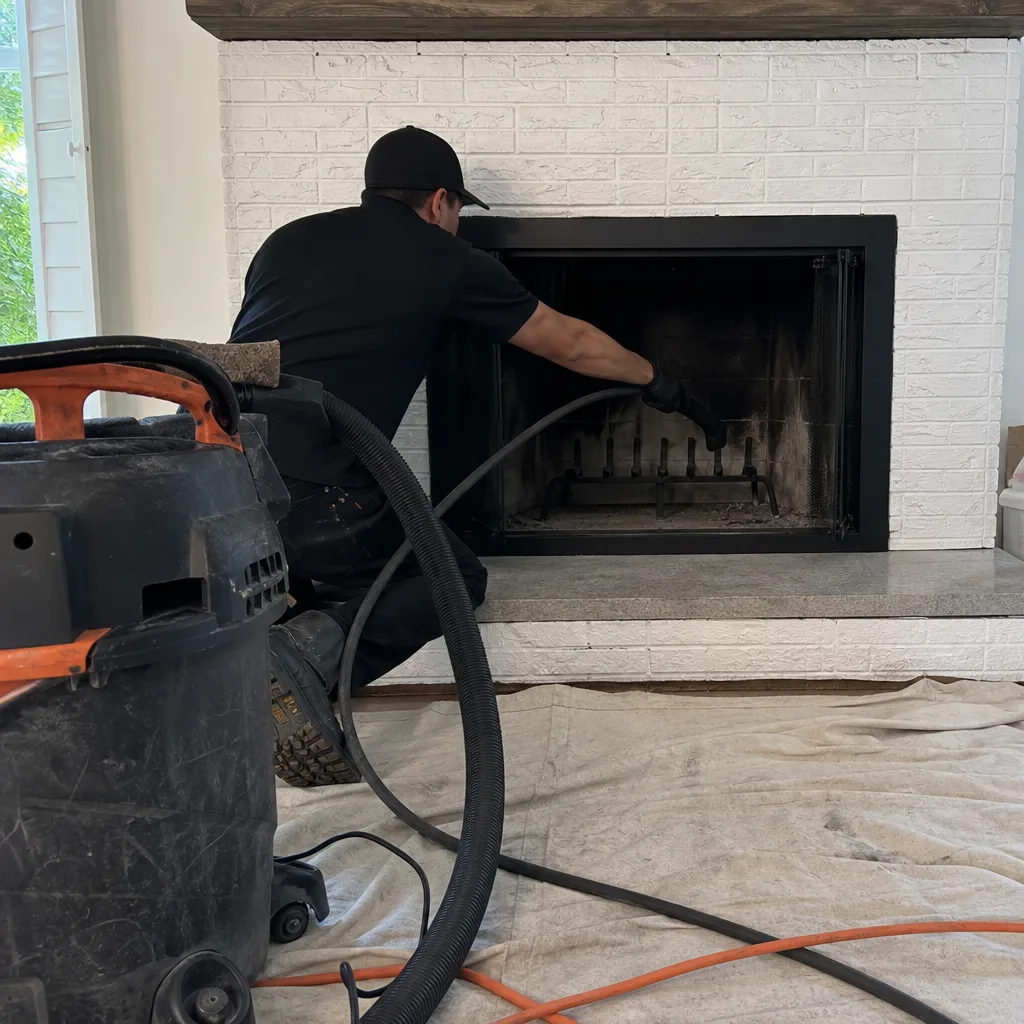
Level 1 sweep and inspection to the NFPA 211 annual standard - flue, crown, cap, and flashing checked and photographed
Chimney sweep logs do not sweep chimneys. They loosen some creosote - which then falls where a brush and vacuum still have to collect it.
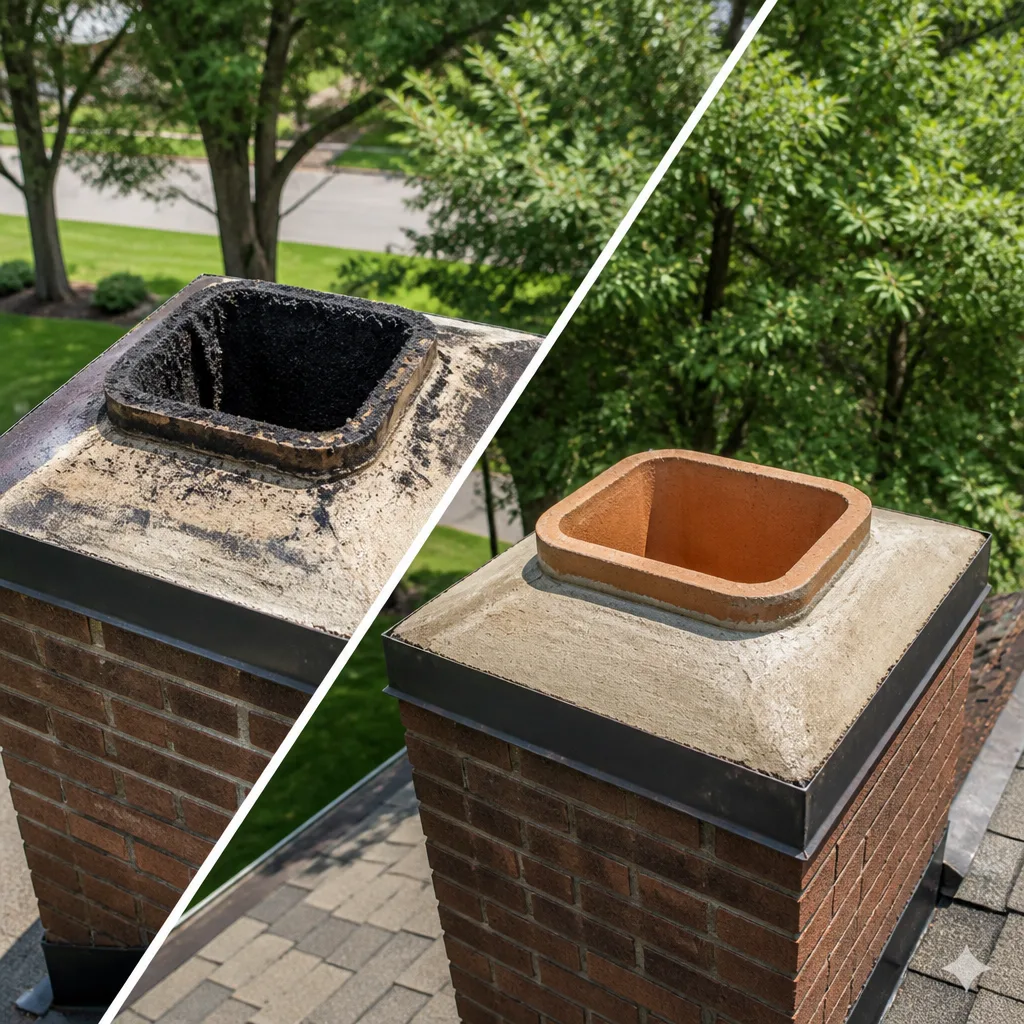
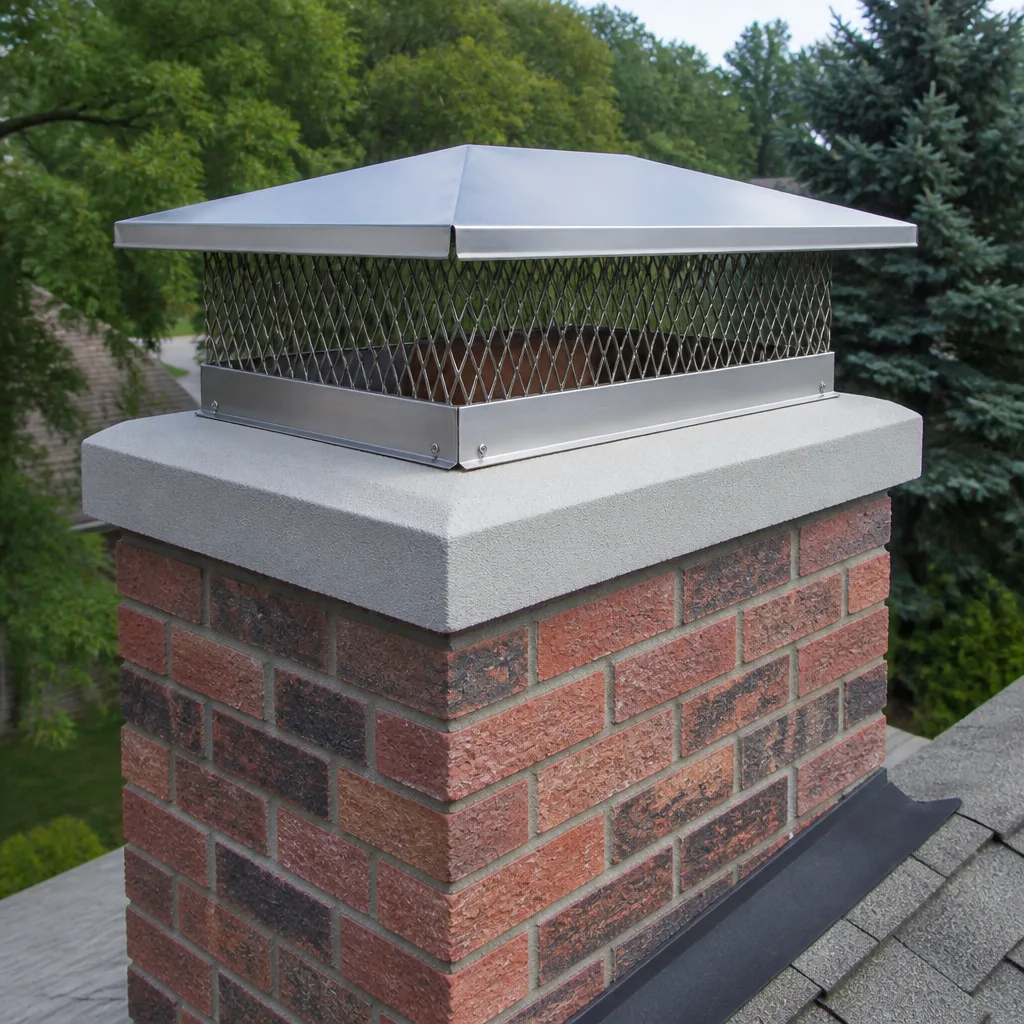
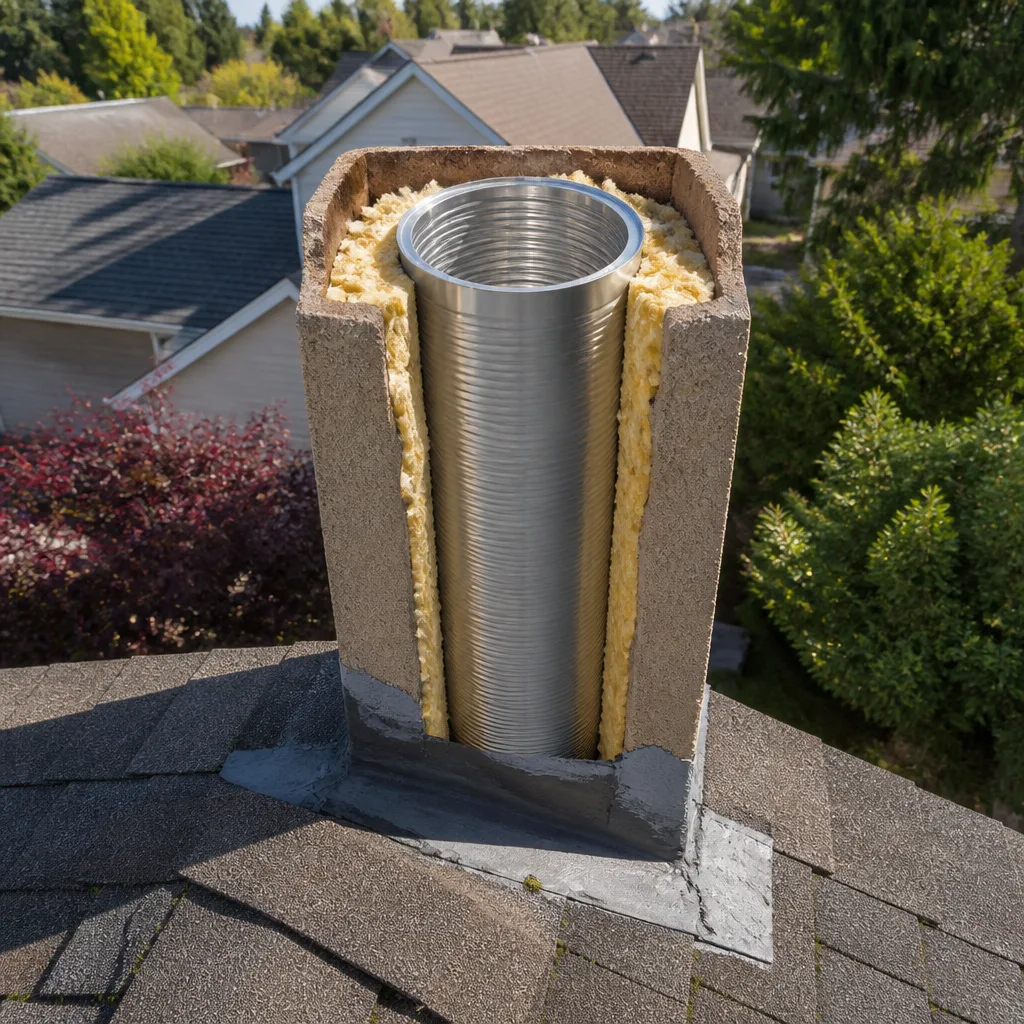
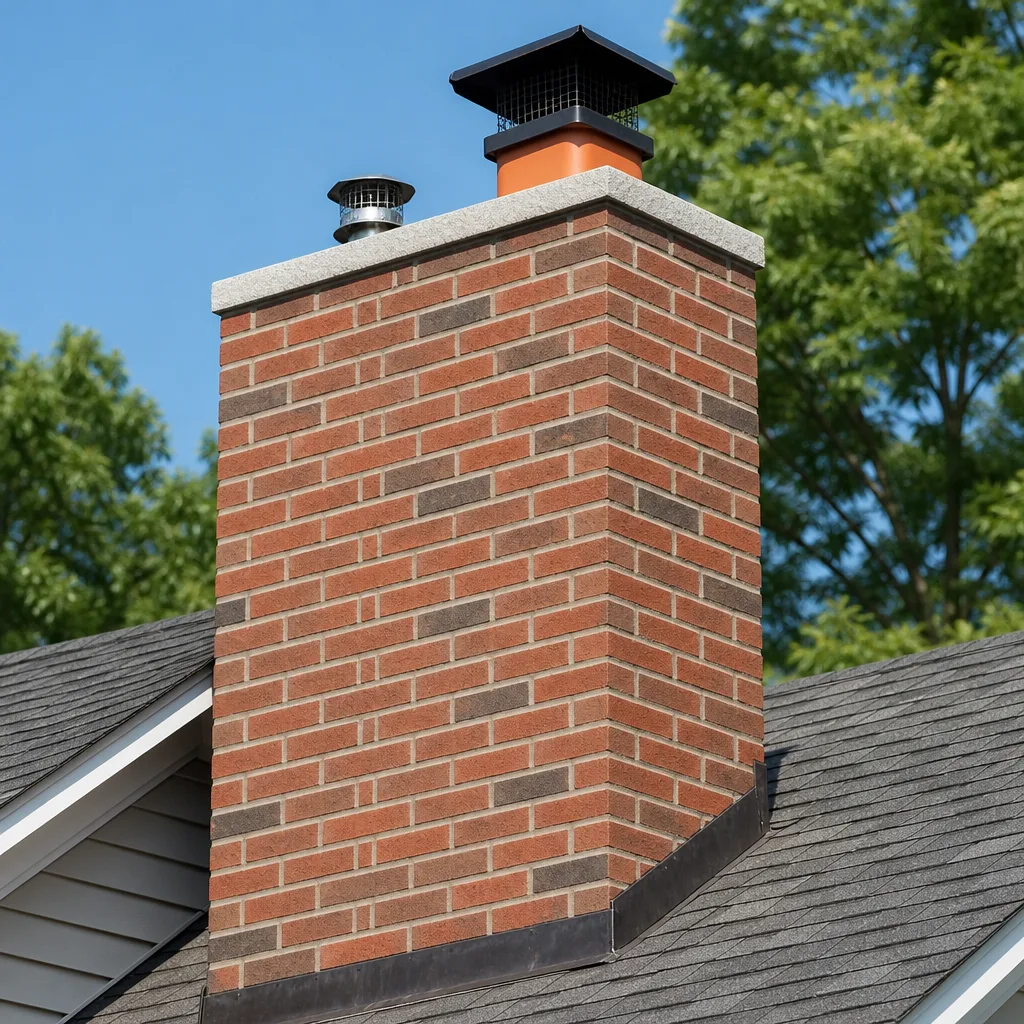
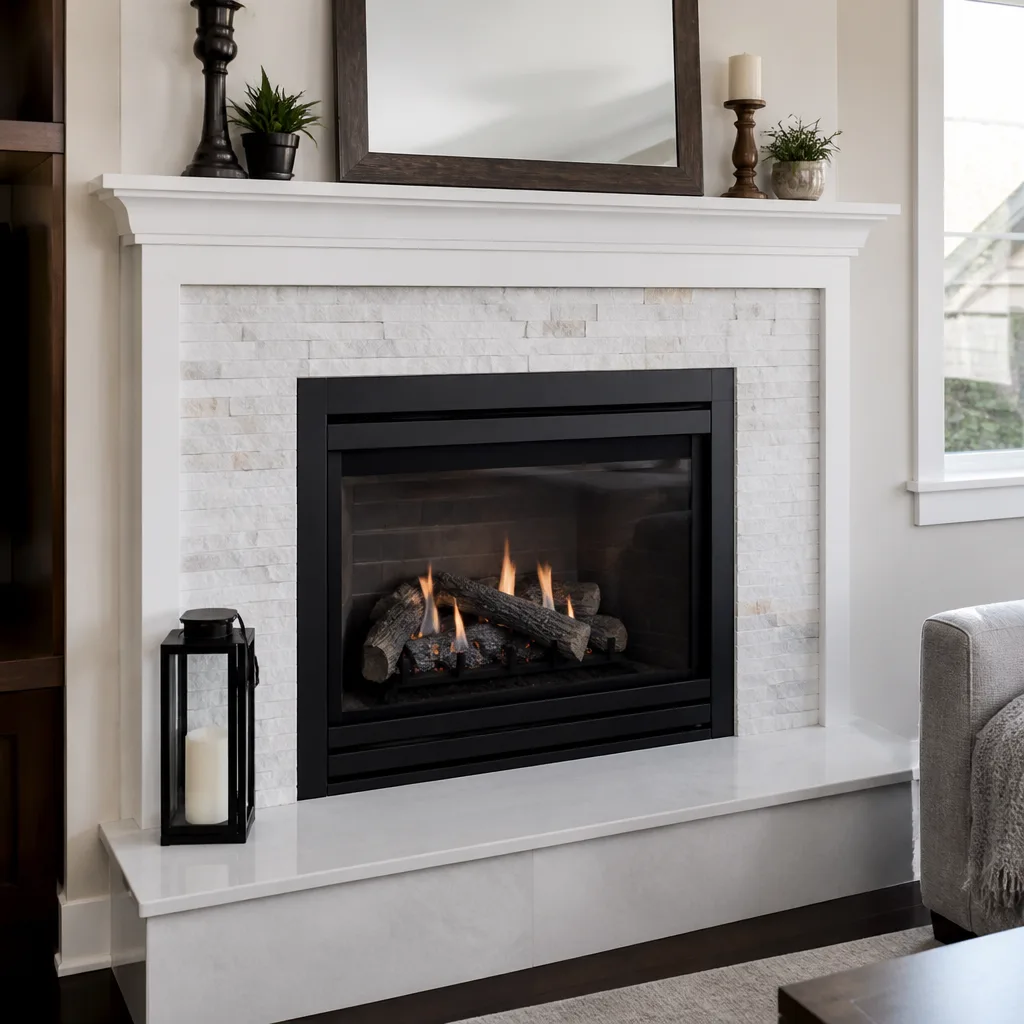
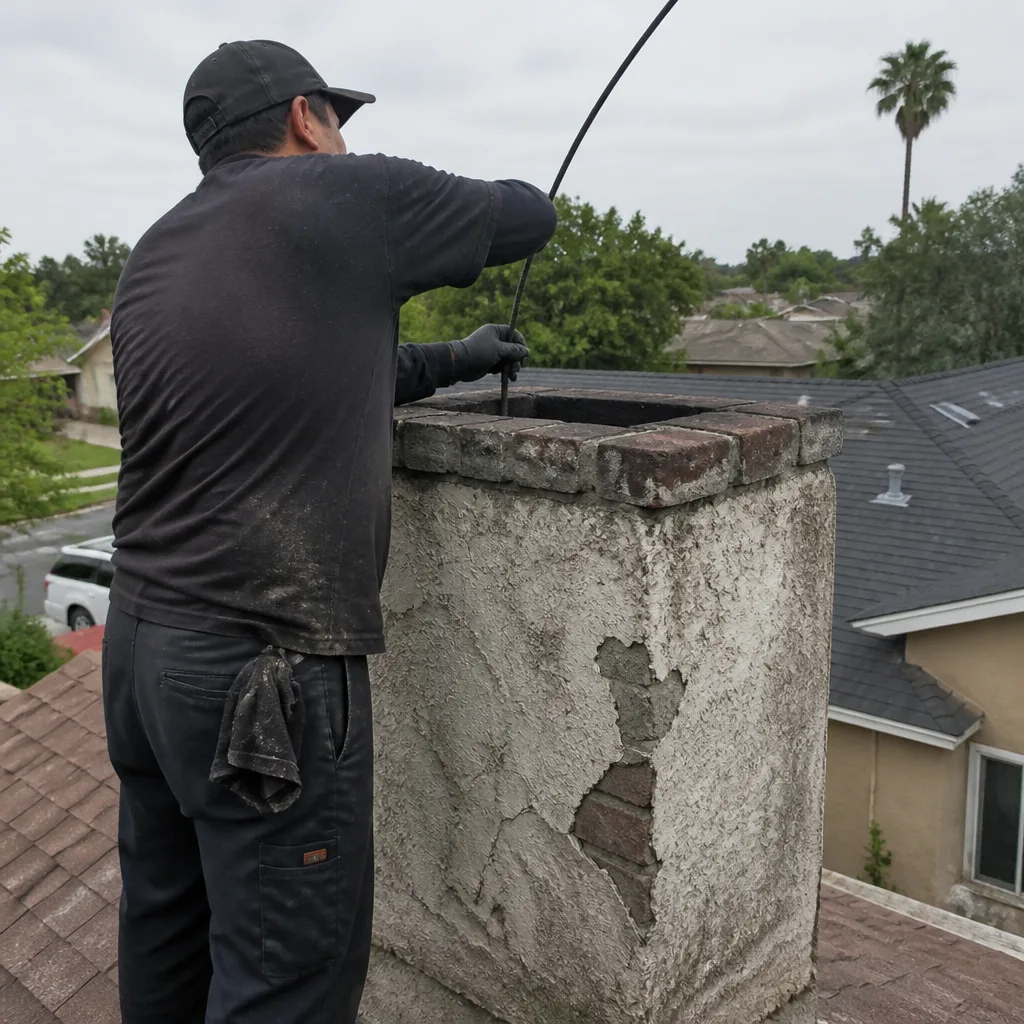 Before
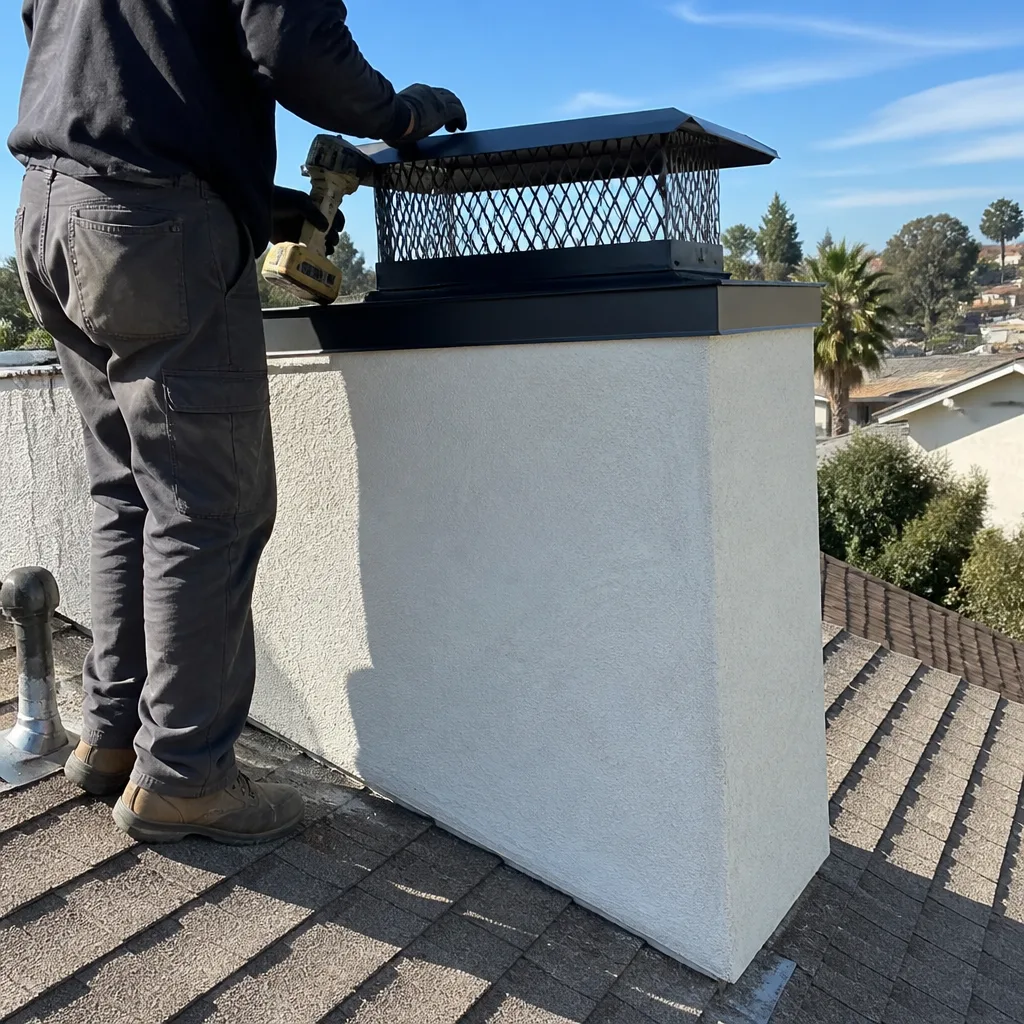 After
After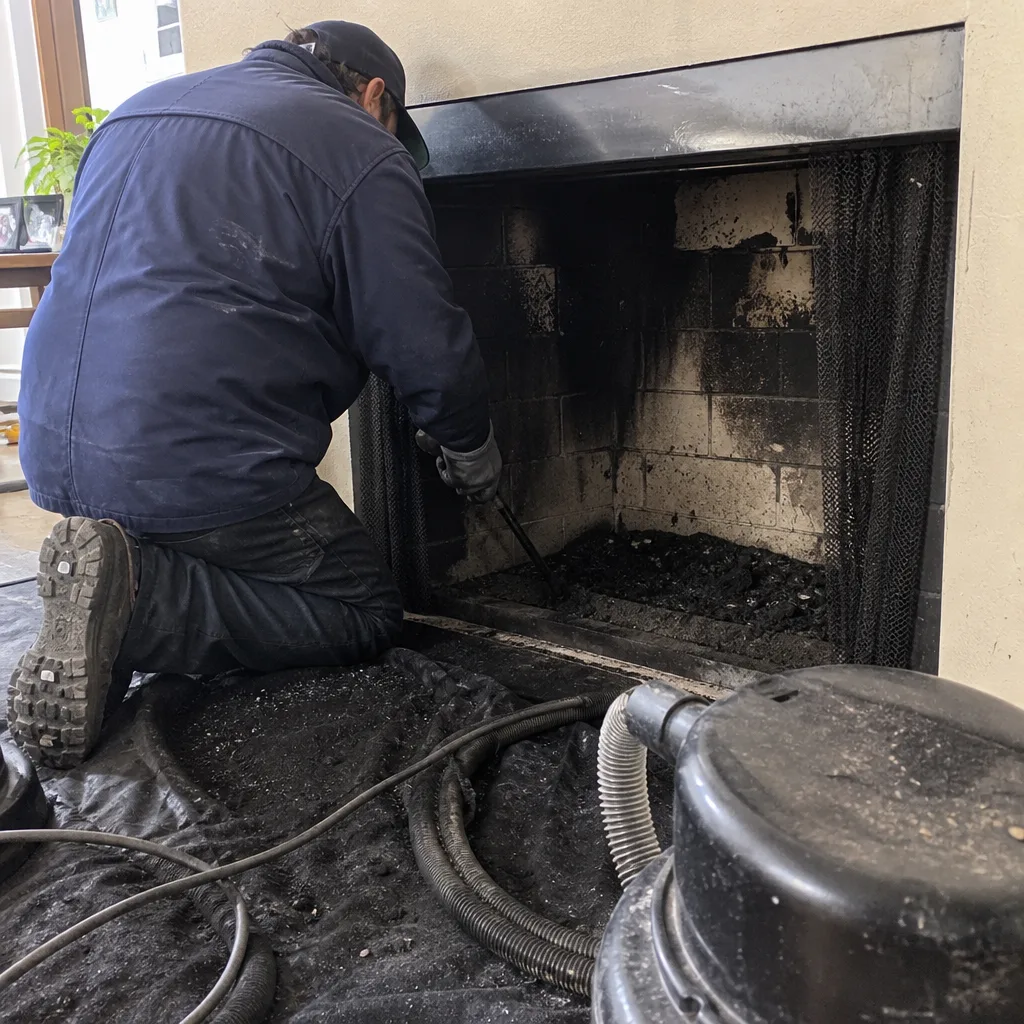 Before
 After
After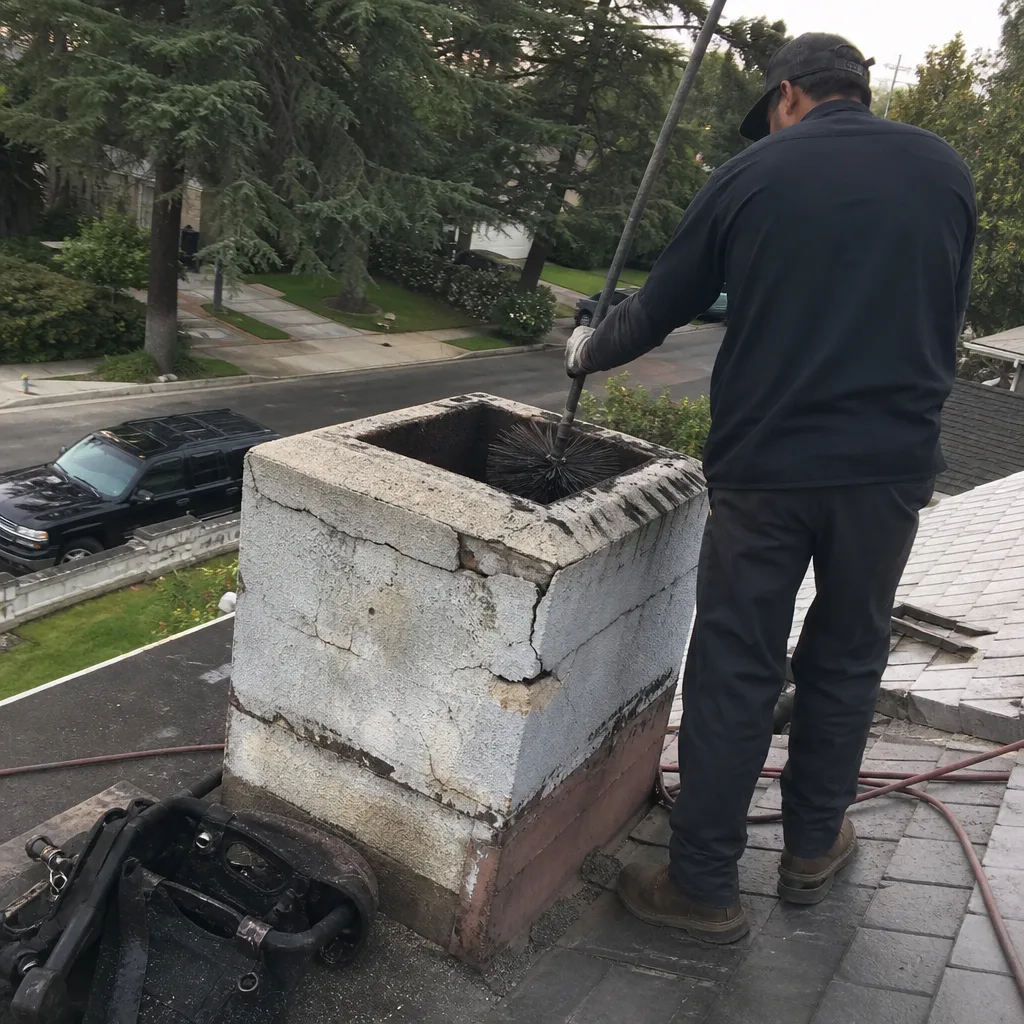 Before
 After
AfterDIY vs Professional Gas Fireplace Repair: What’s Safe to Do Yourself
Replacing a thermocouple is a 20-minute DIY task that costs $12 in parts. Touching the gas valve itself without a license is illegal in California and voids most homeowner’s insurance policies. Yet most online guides lump these together under the same vague heading of Gas Fireplace Repair Troubleshooting: Common Problems and How to Fix Them. In Los Angeles, where earthquakes shift gas lines and the Los Angeles Fire Department responds to hundreds of gas-related calls annually, knowing exactly where that line sits can keep you safe, solvent, and on the right side of the law. Here’s what we’ve learned in two decades of service calls across the San Fernando Valley to South Bay.
Quick Answer
Homeowners in Los Angeles can safely handle tasks downstream of the gas shut-off valve: cleaning glass, replacing remote batteries, swapping thermocouples and thermopiles, and vacuuming dust from burner ports. Anything involving the gas supply line, valve modification, pressure testing, or venting requires a licensed contractor under California law and carries insurance consequences if done without proper certification.
Table of Contents
- The Legal Line: What California Actually Allows
- DIY-Safe Tasks: Tools, Time, and Cost
- The Exact Moment DIY Stops: Warning Signs
- The Real Cost Math: When DIY Saves vs. Costs More
- Insurance, Permits, and the Hidden Risks of Unlicensed Work
- What Professionals Bring: Beyond the Toolbox
- Common Mistakes to Avoid
- When to Call a Professional
- Frequently Asked Questions
The Legal Line: What California Actually Allows
California draws a bright regulatory line that most DIY guides ignore. Under the California Business and Professions Code, Division 3, Chapter 9, any work on “gas piping, gas appliances, or gas vents” beyond basic maintenance requires a C-36 Plumbing Contractor license or equivalent certification from the relevant jurisdiction. The California Code of Regulations, Title 8, Section 5183, further mandates that gas system repairs affecting pressure or flow must be performed by qualified personnel.
Here’s what this means in practical terms for Los Angeles homeowners:
- Legal for homeowners: Cleaning glass panels, replacing decorative media (ceramic logs, stones), changing batteries in remotes or receivers, replacing thermocouples/thermopiles (the flame-sensing components), vacuuming burner ports, and testing basic ignition sequences.
- Requires licensed contractor: Any modification to gas valves, pressure regulation, gas line extension or rerouting, venting modifications, or installation of new gas appliances. This includes what seems minor: swapping a standing pilot to electronic ignition, adjusting manifold pressure, or replacing flex lines.
The Los Angeles Department of Building and Safety enforces these requirements through permit inspections. Unpermitted gas work discovered during home sales or insurance claims can trigger red tags, mandatory re-inspection, and in some cases, utility disconnection until a licensed contractor signs off.
We’ve responded to calls in Pasadena where a homeowner’s self-installed gas line to a new fireplace insert failed inspection during escrow. The $400 “savings” from skipping the contractor became a $2,800 emergency re-pipe and two weeks of delayed closing. The regulatory framework exists because gas leaks in Los Angeles’s dense neighborhoods don’t stay contained to one property.
DIY-Safe Tasks: Tools, Time, and Cost
These tasks sit entirely downstream of the gas shut-off valve and carry minimal risk when performed with the gas supply confirmed off and the unit cooled. We’ve listed realistic time estimates based on what we see in field calls across Los Angeles County.
1. Cleaning Glass Panels
Time: 15 – 20 minutes
Tools: Non-ammonia glass cleaner, microfiber cloth, screwdriver (for clip removal on some units)
Cost: $8 – $15 for cleaner and cloths
White film on fireplace glass is typically calcium and sulfur residue from combustion. Spray cleaner on the cloth first, not directly on the glass, to avoid moisture seeping into gaskets. In coastal Los Angeles neighborhoods like Venice and San Pedro, salt air accelerates metal clip corrosion; check that retaining clips move freely before reassembly.
2. Replacing Thermocouples and Thermopiles
Time: 20 – 40 minutes
Tools: Wrench set, multimeter (helpful but not required), replacement part matched to manufacturer spec
Cost: $12 – $35 for parts; universal kits run higher but may require adapter fittings
The thermocouple is a safety device: it generates millivoltage when heated, proving to the gas valve that a flame exists. No flame signal, no gas flow. When a pilot won’t stay lit, this is the most common culprit.
- Shut off gas at the fireplace shut-off valve (typically a key valve in the floor or wall nearby, or a knob on the gas line).
- Wait 20 minutes for complete cooling.
- Remove the access panel to expose the pilot assembly.
- Disconnect the thermocouple from the gas valve (usually a brass compression fitting; note the torque, as over-tightening cracks the nut).
- Remove the thermocouple from its clip at the pilot bracket.
- Install replacement in reverse order, ensuring the sensing tip sits directly in the pilot flame path.
- Restore gas, test ignition, and verify the pilot holds for 60 seconds before releasing the control knob.
We see failed DIY thermocouple replacements in Los Angeles most often because homeowners install universal-length units without trimming or properly routing the lead, causing it to contact hot surfaces and degrade prematurely. Buy the manufacturer-specified part when possible.
3. Vacuuming Burner Ports and Pilot Orifices
Time: 30 – 45 minutes
Tools: Shop vacuum with soft brush attachment, compressed air canister, pipe cleaners
Cost: $0 if tools already owned
Dust and pet hair clog burner ports, causing uneven flames or sooting. In Los Angeles’s older hillside homes, particularly in areas like Laurel Canyon and the Hollywood Hills, rodent activity in unused fireplaces adds nesting material to the mix. Vacuum gently; never use a wire or drill bit to “clear” ports, as this enlarges orifices and creates dangerous flame patterns.
4. Remote Control and Receiver Battery Replacement
Time: 10 minutes
Tools: Screwdriver for receiver access
Cost: $6 – $12 for batteries
Many “repair” calls we receive in Los Angeles are simply depleted remote batteries. Pro tip: replace receiver batteries annually during daylight saving time changes, even if the remote still functions. Weak receiver batteries cause intermittent ignition failures that mimic gas valve problems.
The Exact Moment DIY Stops: Warning Signs
There is a specific threshold where troubleshooting ends and professional territory begins. Recognizing it early prevents injury, property damage, and legal exposure. Stop immediately and call a licensed professional if you encounter any of the following:
- Any gas odor before, during, or after work. Natural gas in Los Angeles is odorized with mercaptan for detection. Even faint rotten-egg smell indicates a leak. Do not proceed. Shut off gas at the meter if the valve is accessible, evacuate, and call the gas utility emergency line from outside.
- Hissing sound from any connection. This indicates active gas escape under pressure, not residual line bleed-off.
- Corroded or damaged gas line, flex connector, or valve body. Surface rust on the valve handle is cosmetic; pitting, green corrosion (on brass), or physical damage to the valve body requires replacement by a licensed contractor.
- Pilot flame color changes from blue to yellow or orange after cleaning. This indicates incomplete combustion, potentially from incorrect gas pressure, dirty primary air intake, or misaligned burner. Carbon monoxide risk escalates.
- Soot accumulation on glass, walls, or logs after DIY maintenance. Sooting signals incomplete combustion. The fireplace is producing carbon monoxide at elevated levels. Stop using it immediately.
- Any work requiring movement of the gas shut-off valve itself. If the valve won’t fully open or close, is seized, or needs relocation, this is licensed work.
- Earthquake valve has tripped. Los Angeles requires seismic gas shut-off valves in many jurisdictions. If yours has activated, reset procedures vary by model, but underlying cause assessment and any valve replacement require licensed evaluation.
In our experience across Los Angeles, the most dangerous moment is the second attempt. A homeowner replaces a thermocouple successfully, gains confidence, then tackles the gas valve adjustment that “must” be the remaining problem. That progression is where we see close calls.
The Real Cost Math: When DIY Saves vs. Costs More
DIY gas fireplace repair saves money only in narrow, specific circumstances. Here’s the honest accounting we share with customers who call us after failed attempts.
| Scenario | DIY Cost | Professional Cost (Los Angeles market) | DIY Net Savings |
|---|---|---|---|
| Thermocouple replacement, correct diagnosis, successful install | $12 – $35 parts, 30 minutes labor | $180 – $280 (diagnostic + part + labor) | $145 – $268 |
| Thermocouple replacement, but actual problem was gas valve | $12 – $35 parts, 30 minutes labor, plus eventual professional diagnostic | $180 – $280 initial diagnostic, or $450 – $650 if valve replacement needed | Negative $145 – $280 (paid twice for diagnostic, delayed proper repair) |
| Remote battery replacement | $6 – $12, 10 minutes | $150 – $200 minimum service call | $138 – $194 |
| Glass cleaning and burner vacuuming | $8 – $15, 45 minutes | $150 – $200 as standalone service, or included in annual maintenance | $135 – $192 if standalone; $0 if bundled |
| Attempted gas valve adjustment, caused leak, required emergency call | $0 – $50 attempted tools/parts | $200 – $400 emergency diagnostic, $450 – $850 valve replacement, possible permit/inspection fees | Negative $600 – $1,200+ |
The misdiagnosis risk is what most DIY cost analyses omit. In Los Angeles’s variable climate, from coastal moisture in Marina del Rey to dry heat in Woodland Hills, gas fireplace symptoms have multiple potential causes. A lazy pilot in August may indicate a failing thermocouple, a draft issue from a blocked vent, or manifold pressure drop from utility-side fluctuations. The $12 thermocouple gamble is reasonable; the $0 gas valve adjustment gamble is not.
Tool amortization matters too. A quality multimeter ($40 – $80), manometer ($80 – $150 for accurate low-pressure measurement), and combustion analyzer ($400+) are required for proper diagnosis. For a homeowner who uses them once every five years, the per-use cost exceeds professional service.
Insurance, Permits, and the Hidden Risks of Unlicensed Work
California’s regulatory framework carries teeth that surface at the worst possible moments: during claims, sales, or emergencies.
Homeowner’s insurance implications: Most California policies contain exclusions for damage resulting from “unlicensed or unpermitted work.” This isn’t boilerplate. We’ve reviewed denial letters where insurers refused fire damage claims because a homeowner’s self-installed gas log set lacked proper gas line modification permitting. The exclusion applies even if the unlicensed work didn’t directly cause the loss, if it contributed to conditions that enabled it.
Permit requirements in Los Angeles: The Los Angeles Department of Building and Safety requires permits for:
- New gas fireplace installation
- Gas line extension or modification
- Venting system changes (including liner installation with brands like DuraFlex or Olympia Chimney systems)
- Replacement of gas valves or regulators
Permit-exempt maintenance includes cleaning, parts replacement that doesn’t modify gas or venting systems, and cosmetic changes. The line is functional: does the work alter how gas flows or combustion products vent?
Liability exposure: Unlicensed gas work that injures others, including tenants in multi-unit buildings common in Los Angeles’s dense neighborhoods, exposes the homeowner to personal liability beyond insurance limits. California courts have upheld negligence findings against homeowners who performed gas work without required licensing.
Escrow and disclosure: Los Angeles County real estate transactions require disclosure of unpermitted work. Unpermitted gas modifications discovered during pre-sale inspection become negotiation leverage for buyers or deal-killers. The cost to permit retroactively often exceeds original professional installation.
What Professionals Bring: Beyond the Toolbox
Licensed gas fireplace technicians in Los Angeles carry capabilities that aren’t available to homeowners at any price point.
Combustion analysis: Electronic analyzers measure carbon monoxide, oxygen, and carbon dioxide levels in flue gases to verify complete combustion. This is the only way to confirm safe operation. Visual flame appearance is insufficient; a “good looking” blue flame can still produce lethal CO levels if primary air mixture is incorrect.
Gas pressure measurement: Manometers verify inlet and manifold pressure against manufacturer specifications, typically 5.0 – 10.5 inches water column for natural gas in California. Pressure outside spec causes sooting, delayed ignition, or pilot dropout.
Leak detection: Electronic combustible gas detectors identify leaks at 10 – 20 parts per million, far below human detection thresholds. Bubble testing (soap solution) is a rough screen, not confirmation of leak-free assembly.
Material specification: Professional technicians specify appropriate materials for the application. In Los Angeles’s seismic zone, flexible gas connectors must meet specific ANSI standards and have limited service life. We’ve replaced improvised hardware-store flex lines with proper Gelco and HeatShield-compatible venting components that meet California seismic and fire-safety requirements.
Warranty and accountability: Manufacturer warranties on gas valves, burners, and ignition systems typically require installation by qualified personnel. DIY installation voids coverage. Our gas fireplace repair in Los Angeles includes written documentation that preserves these protections.
The Threshold Standard we operate under means every technician is background-checked, identity-verified, uniformed, and announced to you by name and photo before arrival. You’ll know exactly who is coming before that truck turns onto your street. This matters in Los Angeles, where home-service scams targeting seniors and single residents are well-documented by the LAPD.
Common Mistakes to Avoid
- Using a universal thermocouple without verifying millivolt output. Universal kits often produce 25 – 30 millivolts; your valve may require 35+ for reliable hold. The pilot stays lit during testing, then drops out under load. Match manufacturer spec exactly.
- Cleaning burner ports with wire or drill bits. Enlarged orifices create flame impingement on logs and sooting. In Los Angeles’s tight hillside construction, soot accumulation in shared wall cavities creates fire spread risk.
- Ignoring the gas shut-off valve location. Every fireplace must have a dedicated shut-off within six feet. If yours is buried behind built-in cabinetry from a 1980s remodel, that’s a code violation and safety hazard requiring professional correction.
- Assuming “no smell means no leak.” Mercaptan odorant can fade in stagnant gas lines, or be masked by other household odors. Electronic detection is the only reliable confirmation.
- Skipping annual professional inspection after DIY maintenance. DIY cleaning doesn’t replace venting inspection, gas pressure verification, or heat exchanger integrity checks. Los Angeles’s combination of earthquake movement, thermal cycling, and coastal corrosion accelerates component degradation.
- Using non-specified replacement media. That decorative “fire glass” from the home store may not be rated for your burner type. Improper media blocks flame ports, causes overheating, and voids manufacturer warranties.
When to Call a Professional
Call a licensed technician for our Gas Fireplace Repair services when your troubleshooting reaches any of these points: gas odor or suspected leak, valve or pressure work, venting modifications, sooting or combustion problems, or simply when you’ve invested two hours without clear diagnosis. In Los Angeles’s competitive service market, professional diagnostic fees are modest insurance against the costs of error.
Alcott Chimney Sweep offers free estimates for gas fireplace repair in Los Angeles. Every visit includes a written price before work begins, backed by our 365-Day Done Right Promise: if the repair fails, the second visit is free. Our technicians are Threshold Verified, background-checked, and identity-confirmed. You’ll receive their name and photo before arrival, and they’ll show photo ID at your door. Call (336) 863-3889 to schedule. We also provide chimney sweep in Los Angeles and chimney inspection in Los Angeles for complete hearth safety.
Frequently Asked Questions
No. Gas valve replacement requires a C-36 licensed plumbing contractor or equivalent certification under California Business and Professions Code. Doing this work yourself is illegal, voids most homeowner’s insurance, and creates liability exposure if the work causes injury or damage. Call (336) 863-3889 for a licensed evaluation and written estimate.
Diagnostic service typically runs $150 – $200. Common repairs like thermocouple replacement total $180 – $280; gas valve replacement ranges $450 – $650 including parts and labor. We provide a written price before any work begins, with no surprise charges. Complex venting repairs using professional materials like DuraFlex or Olympia Chimney systems are quoted specifically based on access and configuration.
Annual inspection is recommended, even for gas units that appear to function correctly. Los Angeles’s seismic activity, coastal salt air, and temperature swings stress components in ways not visible to homeowners. Annual service includes combustion analysis, gas pressure verification, and venting inspection that DIY maintenance cannot replicate.
Deferred maintenance leads to progressive combustion inefficiency, elevated carbon monoxide production, and component failure. Pilot assemblies clog with dust; burners develop hot spots that crack ceramics; heat exchangers corrode. The failure mode is typically not dramatic explosion but gradual degradation that produces odorless CO or sudden complete failure on the coldest night of the year. Schedule inspection before burning season begins.
No. Cleaning glass, vacuuming burners, and replacing batteries or thermocouples are maintenance tasks that don’t alter gas or venting systems and don’t require permits. Any work that modifies gas lines, valves, or venting does require Los Angeles Department of Building and Safety permitting. When in doubt, call us for clarification at (336) 863-3889.
If the thermocouple was correctly specified and installed, the cause is likely upstream: inadequate gas pressure from utility fluctuations, draft interference from blocked venting, or a failing gas valve that drops out under load. These require professional diagnostic tools to isolate. We’ve seen this symptom in hillside Los Angeles homes where wind patterns create intermittent downdrafts that extinguish pilots. Call for combustion analysis and pressure testing.
The Bottom Line
The DIY-versus-professional question for gas fireplace repair isn’t about your competence with tools. It’s about which side of the gas shut-off valve you’re working on, what California law permits, and whether the potential cost of error exceeds the certain cost of professional service. Downstream maintenance, cleaning, and basic parts replacement are reasonable homeowner tasks with proper precautions. Anything involving gas pressure, valve function, or venting integrity belongs with a licensed technician who carries combustion analyzers, liability insurance, and accountability for the outcome. In Los Angeles’s regulatory and seismic environment, that distinction protects your safety, your property value, and your legal standing.
Written by Ruben Castellano, Owner at Alcott Chimney Sweep, serving Los Angeles since 2002.