
Last updated October 9, 2026
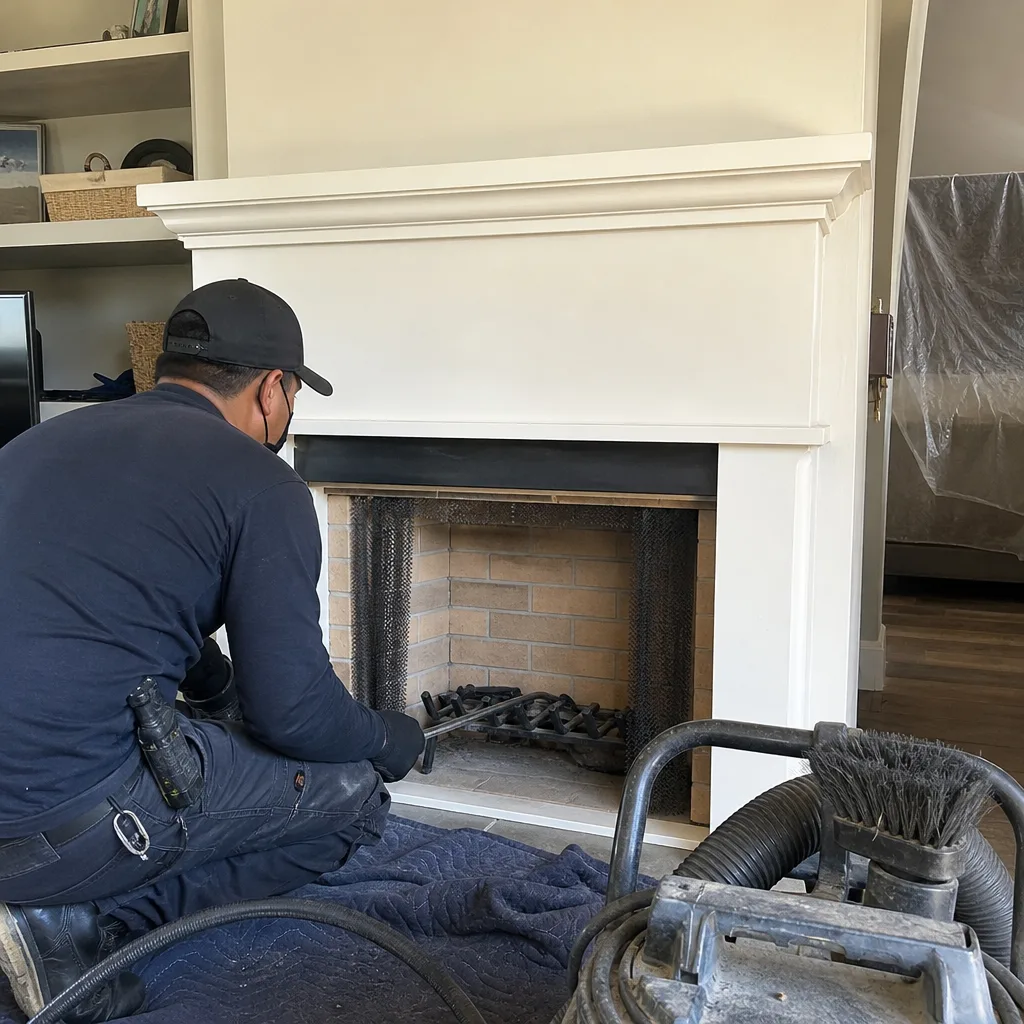
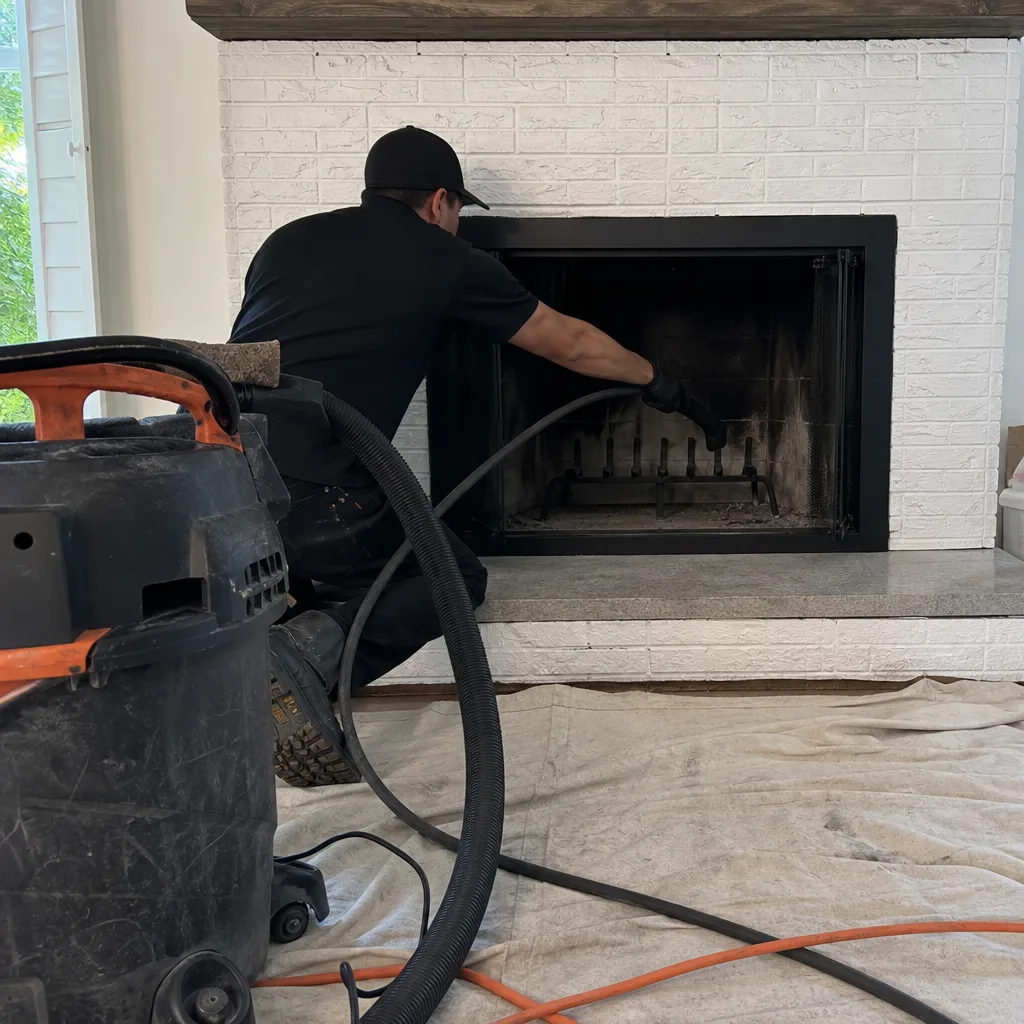
Level 1 sweep and inspection to the NFPA 211 annual standard - flue, crown, cap, and flashing checked and photographed
Chimney sweep logs do not sweep chimneys. They loosen some creosote - which then falls where a brush and vacuum still have to collect it.
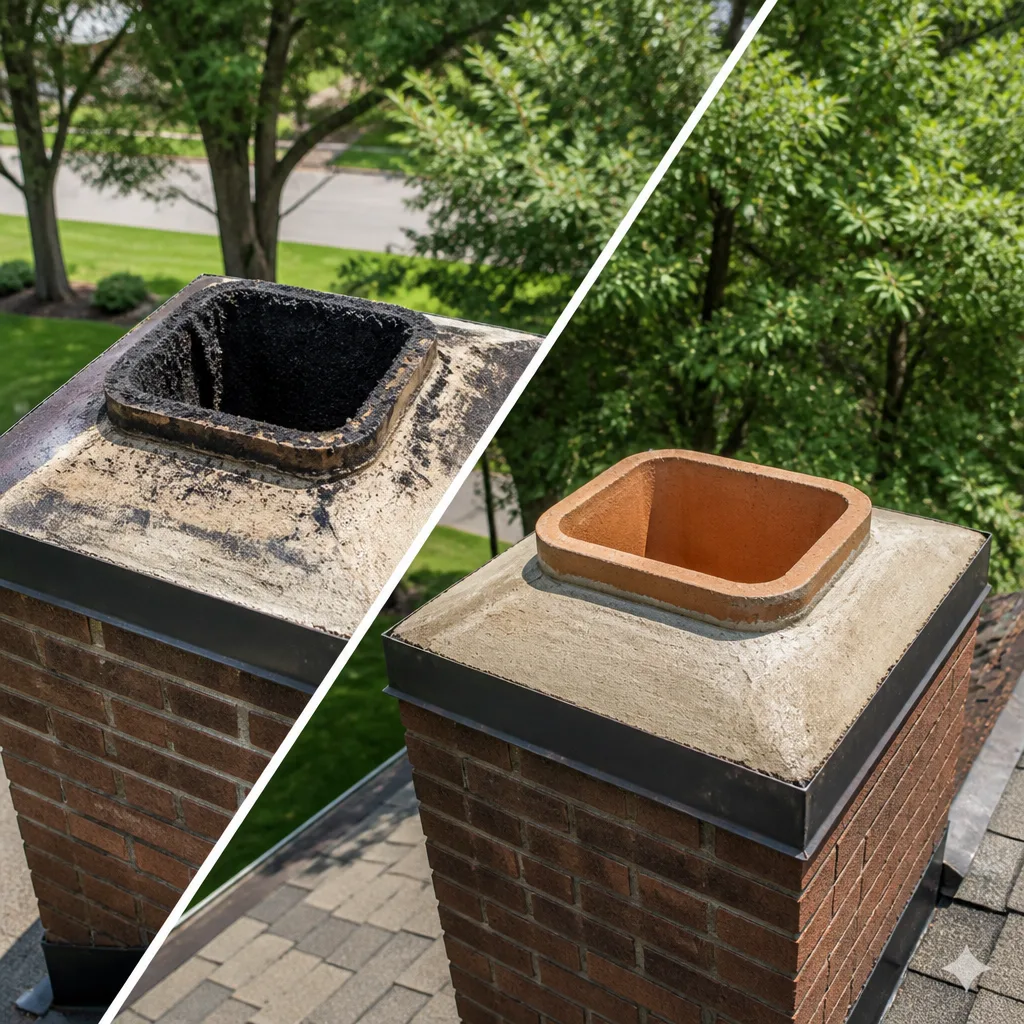
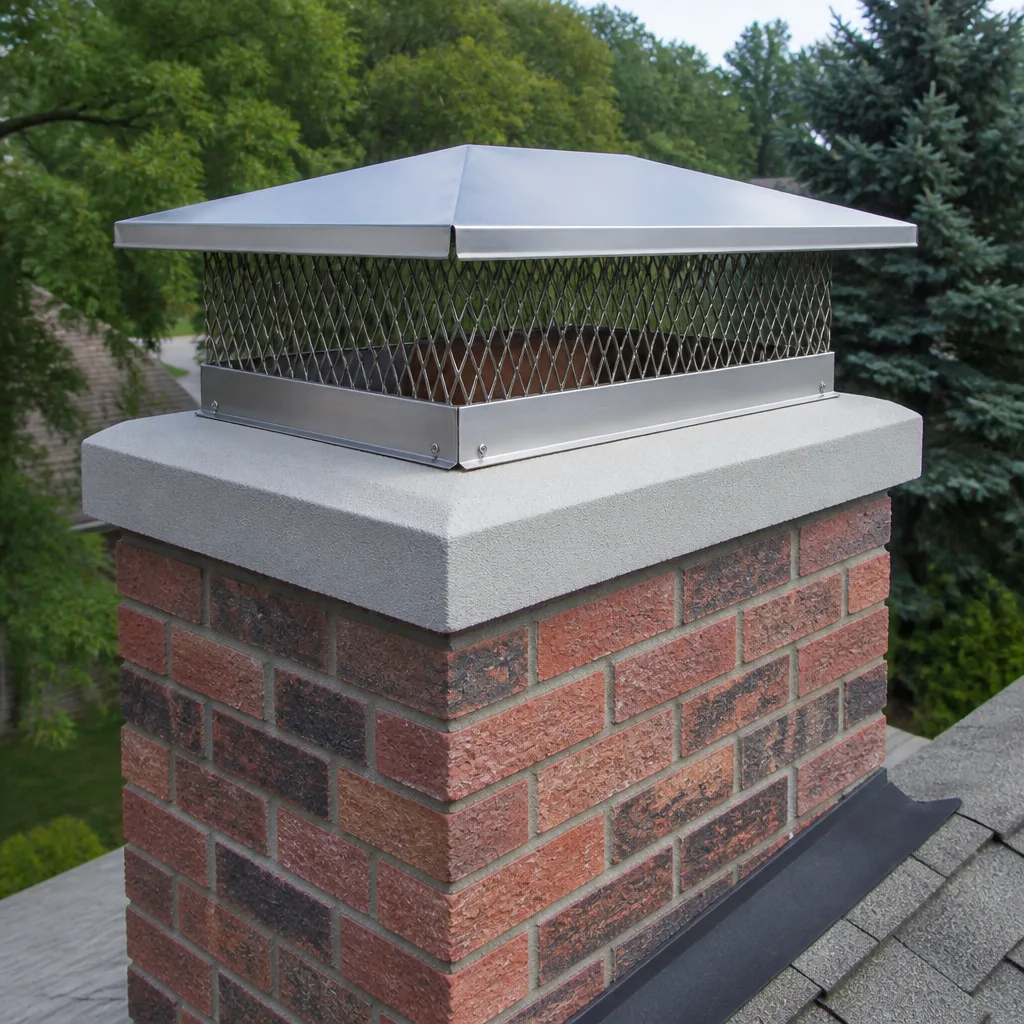
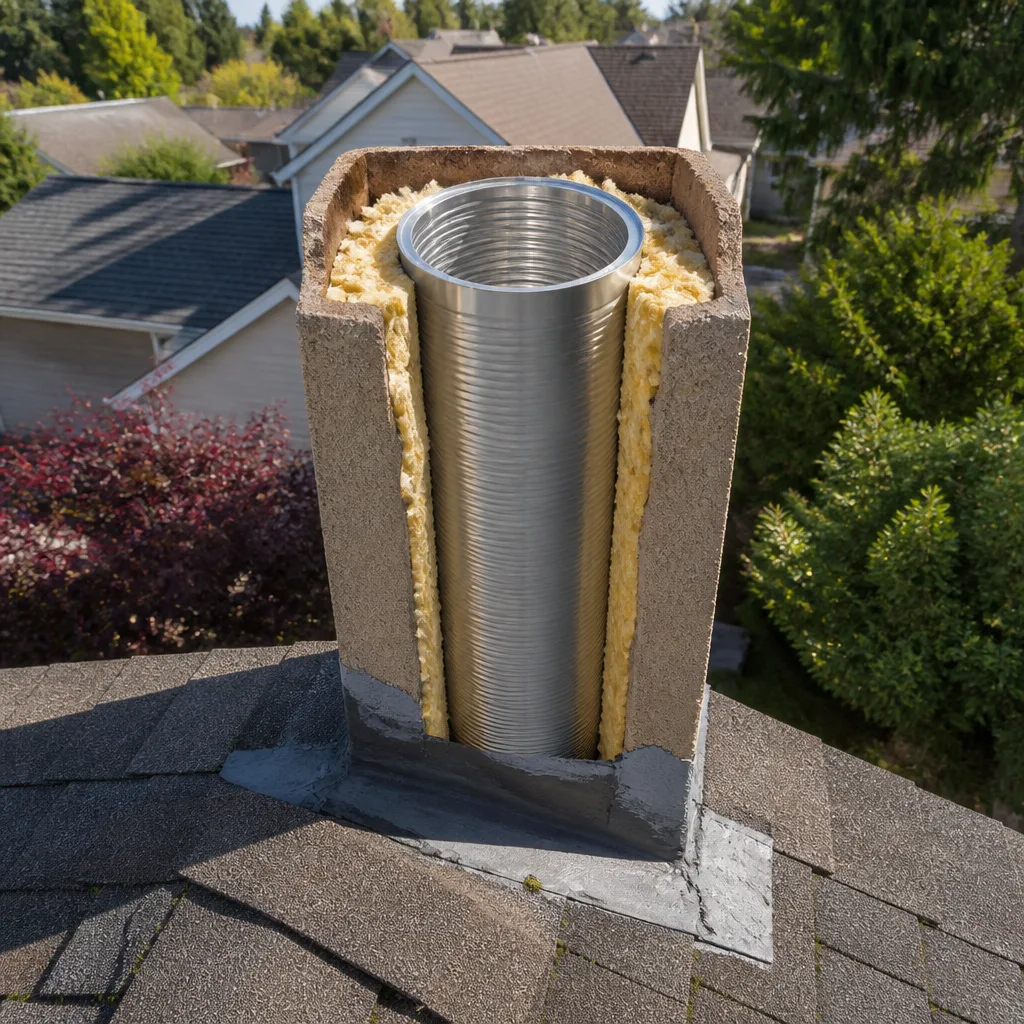
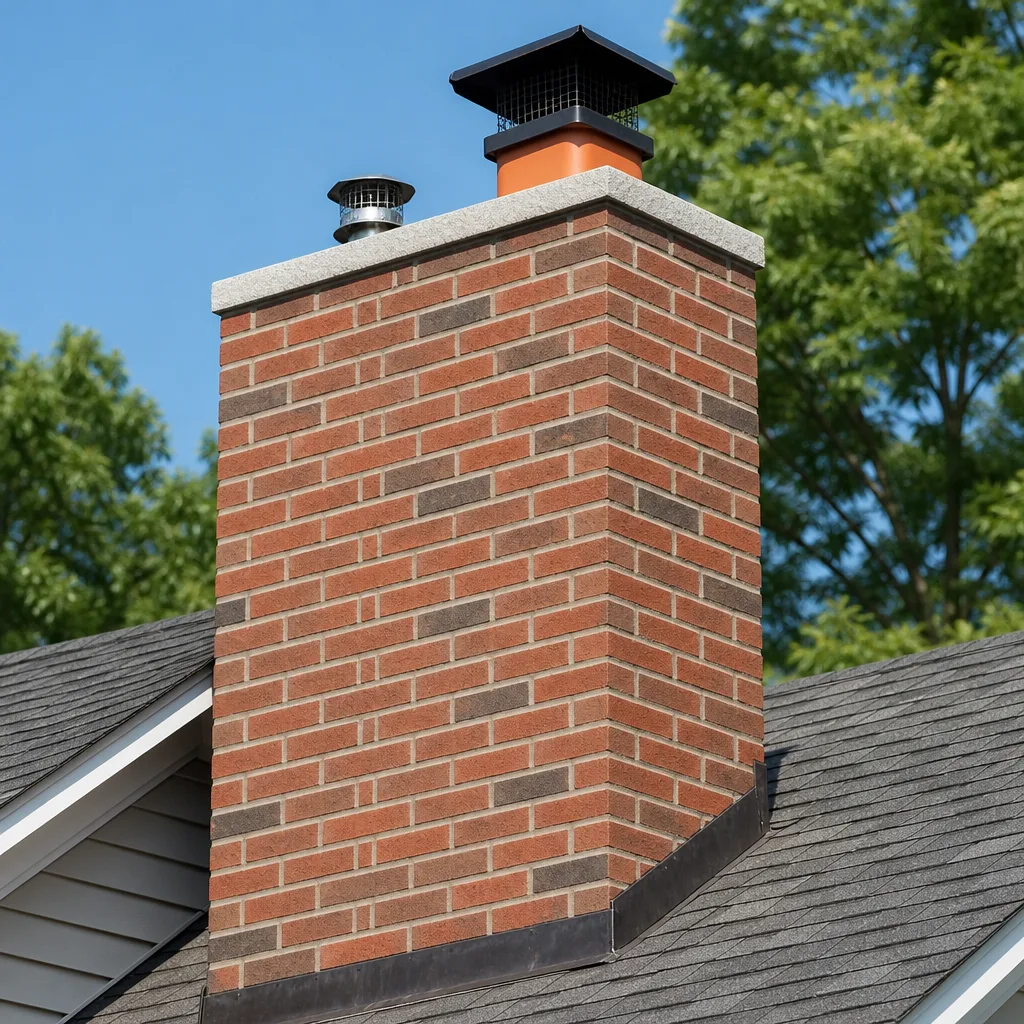
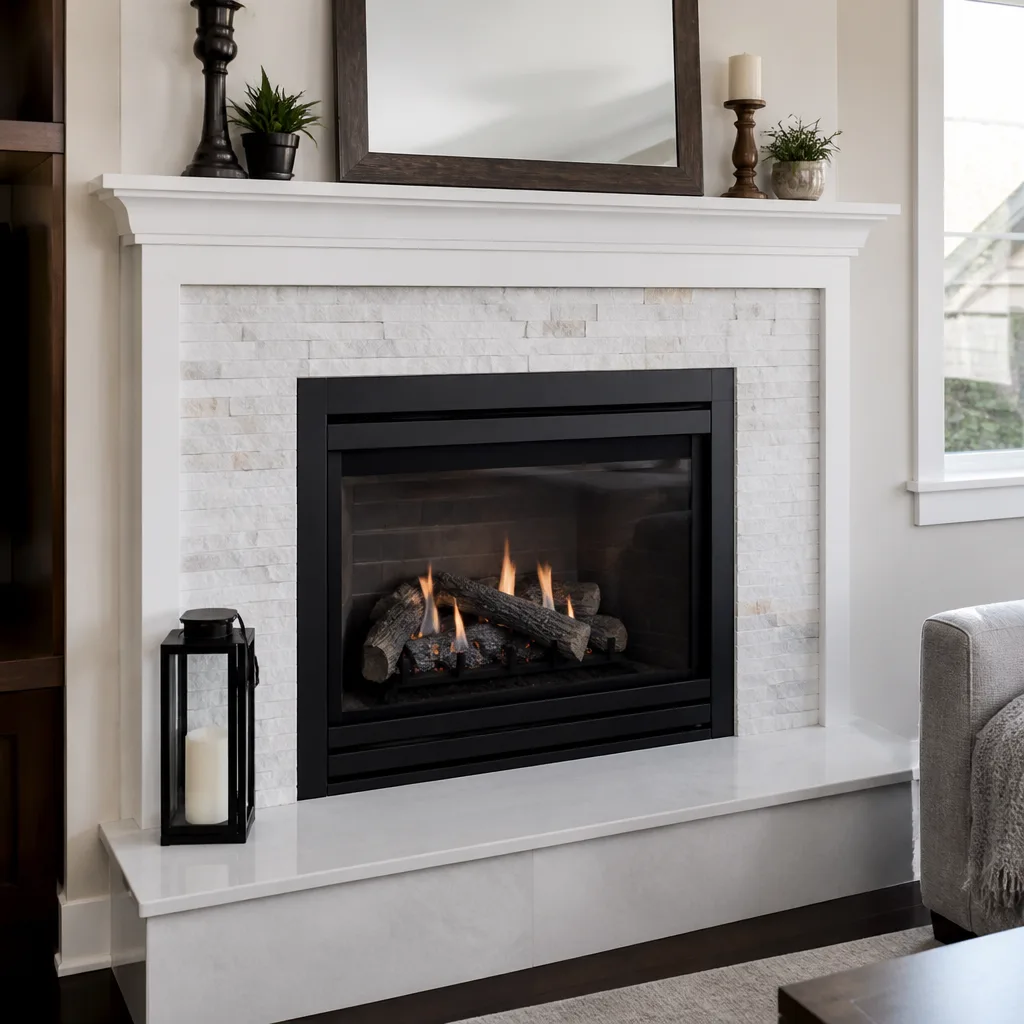
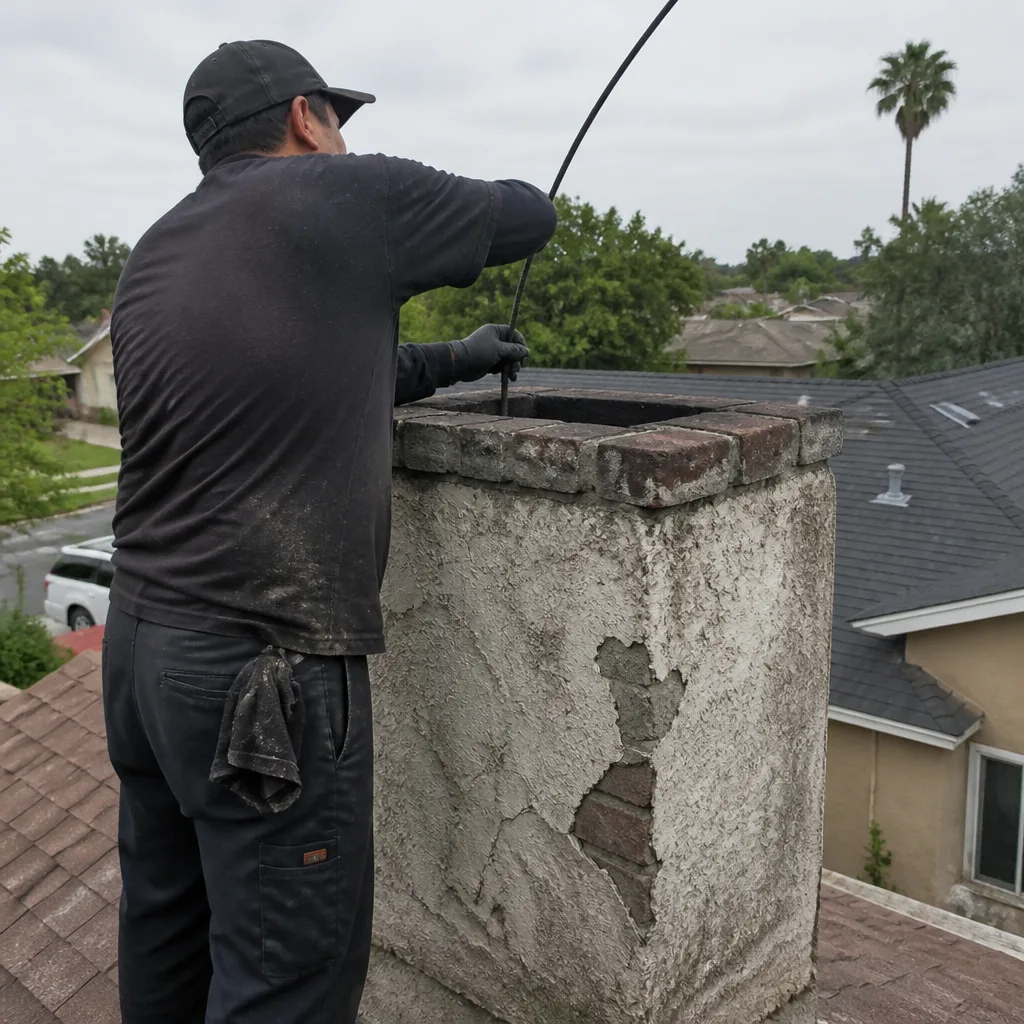 Before
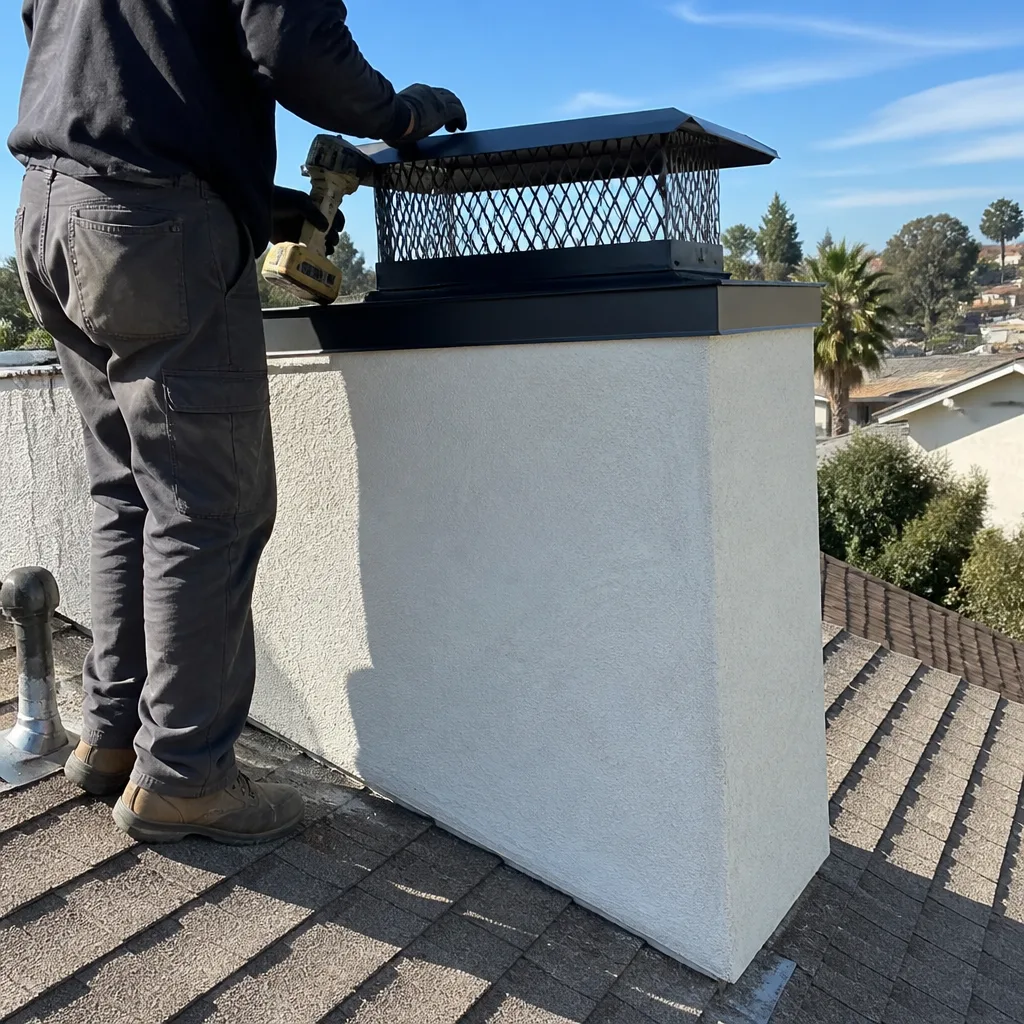 After
After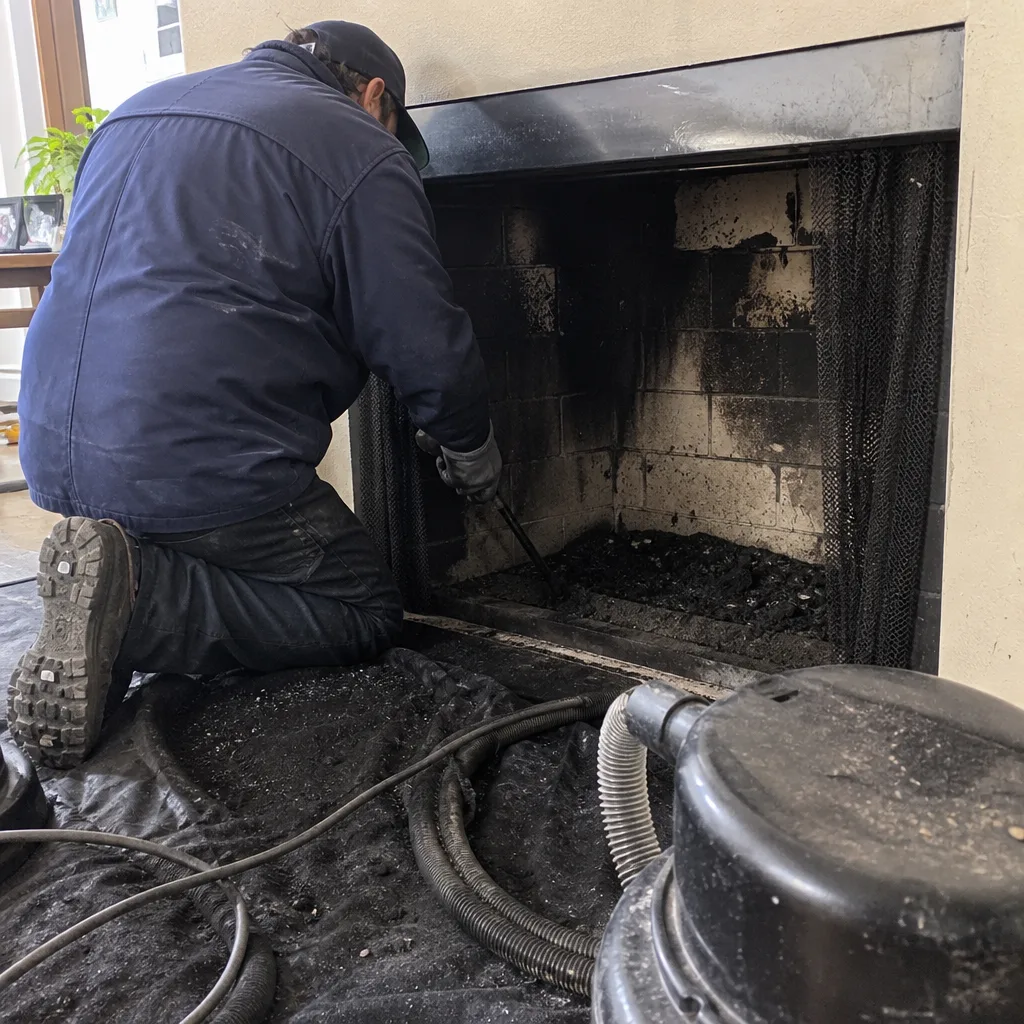 Before
 After
After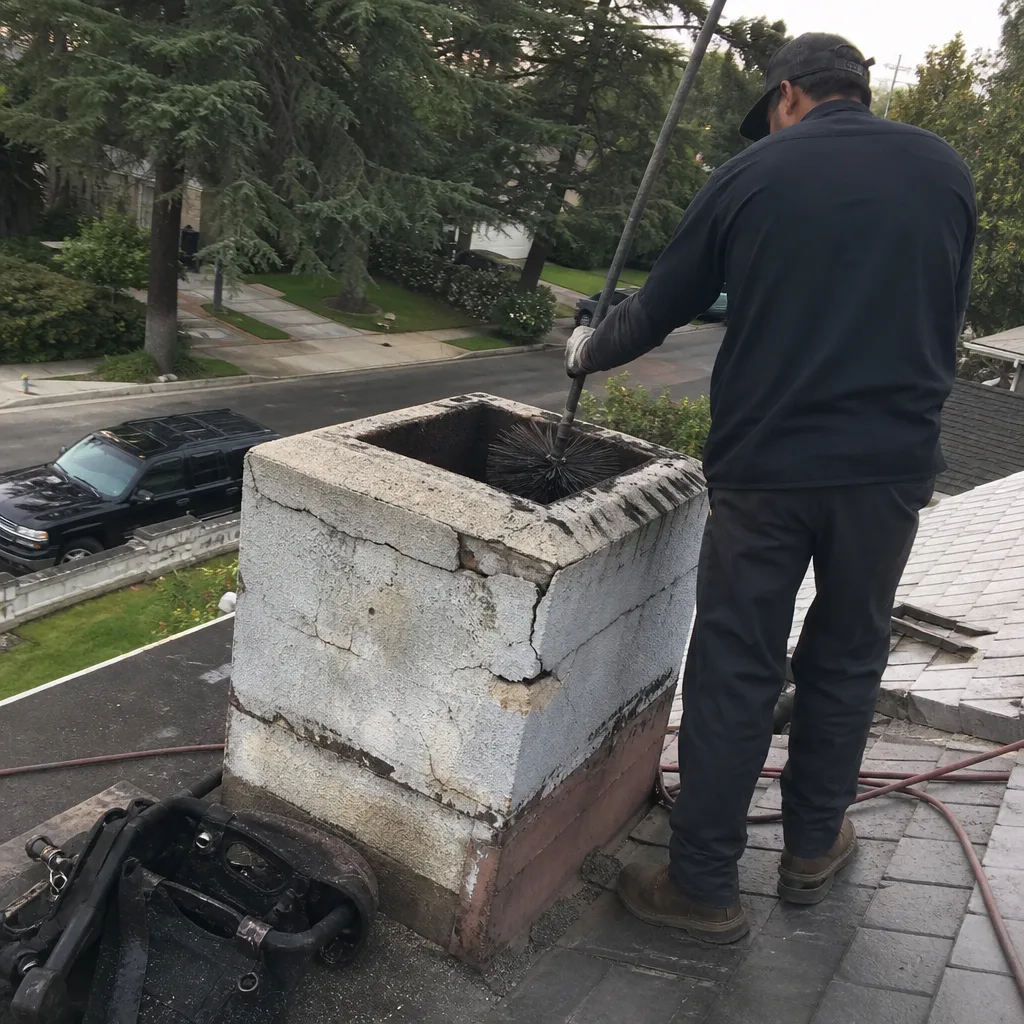 Before
 After
AfterChimney Sweep Maintenance Checklist for Los Angeles Homeowners
The month most Los Angeles homeowners forget to check their chimney – September – is the exact month a spark from a neighbor’s property is most likely to enter an uncapped, debris-filled flue. After eight months of disuse, your flue has become a dry collector of leaves, dust, and whatever the Santa Ana winds deposited last spring. In this guide, you’ll get a Chimney Sweep Maintenance Schedule: What to Do and When built for LA’s actual climate, not a generic four-season template from somewhere with snow. You’ll learn which tasks you can safely handle with a flashlight from inside your firebox, which ones require a trained technician, and how to document your chimney’s condition so you have a baseline if an insurance claim ever arises.
Quick Answer
A proper chimney maintenance checklist for Los Angeles homeowners includes monthly visual inspections from inside the firebox, a pre-season sweep and camera inspection each September before the first fire, post-wind-event checks of the exterior crown and cap, and annual professional evaluation of the flue liner and masonry. Most LA fireplaces need sweeping once per year because even infrequent use produces creosote, and our long dry seasons leave flues packed with wind-blown debris. Our Chimney Sweep services in Los Angeles typically run $180 – $280 before any repairs, with camera inspection and written condition report included.
Table of Contents
- Why LA Chimneys Need a Different Checklist
- Month-by-Month Maintenance Calendar
- Interior Inspection: What You Can Safely Check From Your Firebox
- Exterior Checks After Wind Events
- DIY-Safe Tasks vs. Technician-Only Work
- Documenting Your Chimney for Insurance Claims
- Common Mistakes to Avoid
- When to Call a Professional
- Frequently Asked Questions
Why LA Chimneys Need a Different Checklist
Most chimney maintenance guides assume you light fires four months straight and shut down for winter. That describes Cleveland, not Los Angeles. Here, the typical fireplace sits cold from April through October – seven months of disuse that create problems no generic checklist addresses.
Our climate creates three specific risks:
- Extended dry storage. A flue that hasn’t drawn smoke since March becomes a vertical tunnel collecting dust, pollen, and dried leaf matter. By September, that’s tinder.
- Santa Ana wind events. Sustained 40+ mph winds in fall and winter drive embers surprising distances. An uncapped flue becomes an entry point for hot debris from neighboring properties.
- Earthquake micro-damage. Minor seismic activity, common across the LA basin, stress-cracks masonry and shifts liner segments over time. These cracks widen slowly and aren’t visible from the firebox until they’re serious.
We’ve inspected chimneys in Pasadena where the homeowner lit their first December fire unaware that a June tremor had shifted their clay liner, creating a gap that vented carbon monoxide into the wall cavity for six months. The fire burned fine. The silent exhaust did not.
Los Angeles also lacks the freeze-thaw cycles that destroy masonry back east. Our chimneys fail differently – from thermal shock (rapid heating after long disuse), from liner corrosion accelerated by coastal salt air in neighborhoods like San Pedro and Marina del Rey, and from water intrusion during our brief but intense winter rains when cracked crowns finally get tested.
Your checklist needs to match these realities. The calendar below does.
Month-by-Month Maintenance Calendar
This calendar assumes you use your fireplace occasionally through winter, rarely in shoulder seasons, and never in summer. Adjust if you’re a daily user.
September: The Critical Pre-Season Month
Schedule your professional Chimney Sweep in Los Angeles now, before the first Santa Ana event and before every sweep company books solid. Demand peaks October 15 through December 1.
- Book sweep and Level 2 camera inspection
- Verify cap and spark arrestor are secure
- Check firebox for cracks, missing mortar, or white efflorescence (salt deposits indicating moisture intrusion)
- Test damper operation – it should open fully and seat closed without gaps
- Remove any bird nests or debris visible from below (do not reach up into the flue)
October: First Fire Protocol
After your sweep is complete and you’ve received the written condition report:
- Build a small, hot fire first – not a big slow one. Rapid heating of a cold flue actually reduces creosote adhesion compared to a smoldering start.
- Check that smoke draws up immediately, not into the room
- Smell for unusual odors – musty indicates residual moisture; chemical indicates debris
- Inspect exterior for smoke leaking from mortar joints (visible only during active firing)
November through February: Active Season Monitoring
Monthly, while the fireplace is in regular use:
- Check ash buildup – keep it under 2 inches for proper airflow
- Look for creosote glazing on firebox walls (shiny black coating)
- Listen for dripping during rain events – indicates crown or flashing failure
- After each Santa Ana wind event, walk outside and visually confirm cap position
March: Post-Season Shutdown
- Burn final fire and let system cool completely
- Close damper to prevent warm household air from escaping
- Remove remaining ashes to metal container (ashes can stay hot 72+ hours)
- Schedule any deferred repairs before the dry season makes masonry work harder to cure properly
April through August: Off-Season Vigilance
Every two months:
- Visually inspect firebox for new cracks or spalling (flaking surface)
- Confirm damper still seals – hold a lit incense stick near it; smoke should not rise
- Check exterior crown for new cracks after any seismic event (check USGS – anything over 3.0 within 10 miles warrants a look)
- Verify cap hasn’t shifted after spring wind storms
Key Cost Reference for LA Homeowners
| Service | Typical Range in Los Angeles | What’s Included |
|---|---|---|
| Standard chimney sweep | $180 – $280 | Brushing, debris removal, basic inspection |
| Level 2 camera inspection | $250 – $400 | Video scan of full flue, written report with images |
| Cap replacement (standard) | $200 – $450 | Stainless cap with spark arrestor, installed |
| Crown repair (minor crack sealing) | $300 – $600 | Professional-grade sealant, not hardware-store caulk |
| HeatShield flue resurfacing | $1,800 – $3,500 | Ceramic resurfacing system for deteriorated clay liners |
At Alcott Chimney Sweep, every customer receives a written price before any work starts. No surprise charges at the end of the job.
Interior Inspection: What You Can Safely Check From Your Firebox
You don’t need a ladder or to climb on your roof. A strong flashlight and 15 minutes give you useful information. Here’s what to look for, step by step.
- Open the damper fully. Shine your flashlight up the flue. You’re looking for:
- Obstructions – bird nests, leaves, or collapsed liner pieces
- Creosote buildup – black, tar-like, or flaky deposits. A thin dusting is normal; thick glazing is not
- Light penetration – you should see daylight at the top. If not, the flue may be blocked
- Inspect the firebox walls and floor. Look for:
- Cracks wider than a nickel in firebrick or refractory panels
- Spalling – surface flaking that exposes softer material beneath
- White powdery deposits (efflorescence) indicating moisture migration
- Rust on gas log lighters or damper hardware
- Check the smoke shelf. This is the flat area behind the damper. Shine light there:
- Accumulated debris indicates poor draft or missing cap
- Standing water means a serious leak above
- Examine the damper mechanism. Open and close it several times:
- Should move freely without grinding
- Should seal tightly when closed – check by looking for light gaps
- Corroded or broken parts need replacement before next season
What you find determines your next step. Thin creosote and intact masonry? You’re in good shape. Anything else, and you’ve got documentation to share with a professional.
Never attempt to clean the flue yourself with household tools. The risk isn’t just mess – it’s missing damage a camera inspection would catch, and it’s disturbing creosote in ways that can actually increase fire risk.
Exterior Checks After Wind Events
The Santa Ana winds that rake Los Angeles each fall and winter do more than fan wildfires. They test chimney caps, drive debris into uncapped flues, and exploit any existing crown cracks. After any sustained wind event (sustained 25+ mph or gusts over 40), perform this ground-level inspection.
What You Can See From the Ground
- Cap position. Is it centered on the flue, or shifted? A displaced cap often indicates damaged flue tiles beneath or failed mounting hardware.
- Visible cracks in the crown. The crown is the concrete slab topping your chimney. Hairline cracks are common; gaps you can fit a coin into are not.
- Missing or displaced mortar. Check the chimney above the roofline for new gaps between bricks.
- Flashing integrity. Where chimney meets roof, look for lifted, torn, or rusted metal. Water stains on interior ceilings near the chimney indicate flashing failure.
- Staining patterns. Dark streaks down the chimney face indicate water intrusion. White streaks indicate efflorescence from moisture moving through masonry.
When to Call Immediately After a Wind Event
Call for a Chimney Inspection in Los Angeles if you observe:
- Cap missing entirely
- Bricks or pieces of crown on the ground
- Smoke visibly leaking from mortar joints during a fire
- New interior ceiling stains after rain
We’ve responded to calls in the Hollywood Hills where a December Santa Ana gust deposited a neighbor’s patio umbrella debris into an uncapped flue. The homeowner smelled smoke in the attic – embers had ignited accumulated creosote in a cracked liner section. The cap would have prevented it entirely.
DIY-Safe Tasks vs. Technician-Only Work
Being a capable homeowner doesn’t mean being a reckless one. Here’s the clear boundary.
DIY-Safe
- Visual firebox inspection with flashlight
- Damper operation check
- Ground-level exterior observation
- Ash removal (to metal container, stored away from structure)
- Smoke and CO detector testing monthly
- Photographing condition for your records
Technician-Only
- Any work involving the roof, ladder, or heights
- Flue brushing or creosote removal
- Camera inspection of flue interior
- Liner assessment or repair
- Crown sealing or reconstruction
- Gas line or valve work on gas fireplaces
- Structural masonry repair
The threshold for “call a professional” is lower than many homeowners assume. Carbon monoxide is odorless and invisible. Liner gaps, internal masonry damage, and improper venting don’t announce themselves. A Level 2 camera inspection – standard with our sweeps – reveals what no flashlight from below can.
For Gas Fireplace Repair in Los Angeles, the DIY boundary is absolute. Gas valves, pressure regulators, and venting systems require specific training. Incorrect repair risks fire, explosion, or CO poisoning.
Documenting Your Chimney for Insurance Claims
Wildfire season in Los Angeles creates a specific documentation need. If ember intrusion or structural fire ever involves your chimney, your insurer will ask: “When was it last inspected? By whom? What did they find?” Vague answers cost claims.
Build a simple file:
- Photograph annually. Date-stamped photos of firebox, damper, exterior crown, and cap. Same angles each year for comparison.
- Keep all inspection reports. Written condition reports, especially those with camera imagery, establish baseline condition.
- Record any repairs. What was done, when, by which company, with what materials. Note trade brands used – DuraFlex, HeatShield, Gelco – as these indicate professional-grade work versus improvised fixes.
- Log wind and seismic events. Note dates of significant Santa Ana events or earthquakes over 3.0 nearby, with any post-event inspection findings.
- Store off-site. Cloud storage or a safe deposit box. Your house is the last place to keep the only copy.
We’ve worked with homeowners in Topanga and Malibu whose documentation of pre-fire chimney condition significantly accelerated their claims after wildfire-related losses. Those without records faced protracted disputes over whether damage was pre-existing.
Common Mistakes to Avoid
- Waiting until October to book a sweep. By then, every reputable company in Los Angeles is booked two weeks out, and you’re lighting fires unswept through the first cold snap.
- Assuming infrequent use means no creosote. Even two fires per season produce enough buildup to matter, and our dry climate means that buildup sits undisturbed, hardening, for months.
- Using the fireplace as a vent during a power outage. Never burn charcoal, use camping stoves, or run generators in or near the fireplace. CO poisoning deaths spike during LA’s rare outages.
- Ignoring the gas fireplace. Gas units need annual inspection of valves, thermocouples, and venting. A failed thermocouple can allow gas to flow unburned.
- Buying a cheap cap online. Box-store caps often lack proper spark arrestor mesh sizing for California’s wildfire codes. Professional-grade caps from Olympia Chimney or Famco meet actual standards.
- Sealing crown cracks with hardware-store caulk. It shrinks, cracks, and traps moisture. Proper crown repair uses professional-grade flexible sealants or full reconstruction.
- Skipping inspection after buying a home. In Los Angeles’s competitive market, buyers waive inspections. The chimney is often the most deferred item. Budget $400 – $600 for a full Level 2 inspection before your first fire.
When to Call a Professional
Call for professional evaluation if you smell smoke where it shouldn’t be, see debris or daylight blockage in the flue, notice new cracks or spalling, experience damper malfunction, or if it’s been more than 12 months since your last sweep and camera inspection. After any seismic event over 3.0 nearby, a structural check is prudent even without visible damage.
Alcott Chimney Sweep offers free estimates in Los Angeles – call (336) 863-3889. Every technician is background-checked and identity-verified to the Threshold Standard, announced to you by name and photo before arrival, and required to show a photo ID badge at your door. You’ll receive a written price before any work begins and a written 365-Day Done Right Promise on every repair. If a repair fails within that year, the second visit is free.
Frequently Asked Questions
A standard chimney sweep in Los Angeles typically costs $180 – $280, with a Level 2 camera inspection adding $250 – $400 depending on accessibility and number of flues. This includes brushing, debris removal, video documentation of flue condition, and a written report. Call (336) 863-3889 for an exact quote – estimates are free.
Once per year is the standard for occasional fireplace use, which describes most LA homeowners. Daily winter users should consider mid-season inspection. Even rarely-used flues need annual evaluation because our long dry seasons allow debris accumulation and because seismic activity can damage liners without any fires being lit. The National Fire Protection Association recommends annual inspection regardless of use frequency.
Three risks escalate predictably: creosote buildup increases chimney fire risk (a 2,000°F event that can crack masonry and ignite adjacent framing); liner deterioration allows carbon monoxide and smoke into wall cavities; and debris obstruction can backdraft deadly gases into living spaces. In Los Angeles specifically, an uncapped, unmaintained flue during Santa Ana wind conditions becomes an entry point for wildfire embers. The cost of prevention is a fraction of the cost of remediation.
You should never accept a liner replacement recommendation without seeing camera evidence. At Alcott Chimney Sweep, we show you the video. Clay tile liners crack from thermal shock and seismic stress; stainless steel DuraFlex liners corrode at joints. If damage is visible on camera and documented in your report, replacement is legitimate. If a technician recommends replacement without showing you the problem, seek a second opinion. Some conditions, like minor tile shifting, can be addressed with HeatShield resurfacing rather than full replacement.
We don’t recommend it. Proper chimney sweeping requires roof access, specialized brushes sized to your flue, and – critically – a camera inspection to assess liner condition that no homeowner can perform from below. More importantly, disturbing creosote incorrectly can compact it or create blockages that increase fire risk. The 20-foot fall from a typical Los Angeles roofline is not worth the savings.
A sweep removes combustible deposits from the flue. An inspection evaluates structural condition, liner integrity, and code compliance. In Los Angeles, we combine both: every sweep includes a basic visual inspection, and we recommend a Level 2 camera inspection annually to catch what eyes cannot see. Think of sweeping as brushing your teeth and inspection as the dental X-ray – both matter, for different reasons.
No. Gas fireplaces require annual inspection of the burner, pilot assembly, thermocouple, and venting system. Ceramic logs degrade and can block proper flame pattern. Moisture in gas lines causes corrosion. And vented gas units share chimney infrastructure with wood-burning systems – if your chimney serves both, both need evaluation. For Gas Fireplace Repair in Los Angeles, always use a technician trained on your specific unit type.
The Bottom Line
Los Angeles chimneys fail differently than chimneys elsewhere – from long disuse, wind-driven debris, seismic micro-damage, and wildfire ember intrusion. For more guides & resources on keeping your chimney safe, explore our blog. A maintenance checklist calibrated to these realities, not a generic seasonal template, protects your home and your household. The work breaks into two categories: monthly visual checks you can perform safely from inside your firebox, and annual professional sweep and camera inspection that catches what you cannot see. Document everything. Question recommendations without evidence. And schedule your pre-season sweep in September, before the Santa Ana winds arrive and every sweep company books solid.
Written by Ruben Castellano, Owner at Alcott Chimney Sweep, serving Los Angeles since 2002.