
Last updated October 9, 2026
Level 1 sweep and inspection to the NFPA 211 annual standard - flue, crown, cap, and flashing checked and photographed
Chimney sweep logs do not sweep chimneys. They loosen some creosote - which then falls where a brush and vacuum still have to collect it.
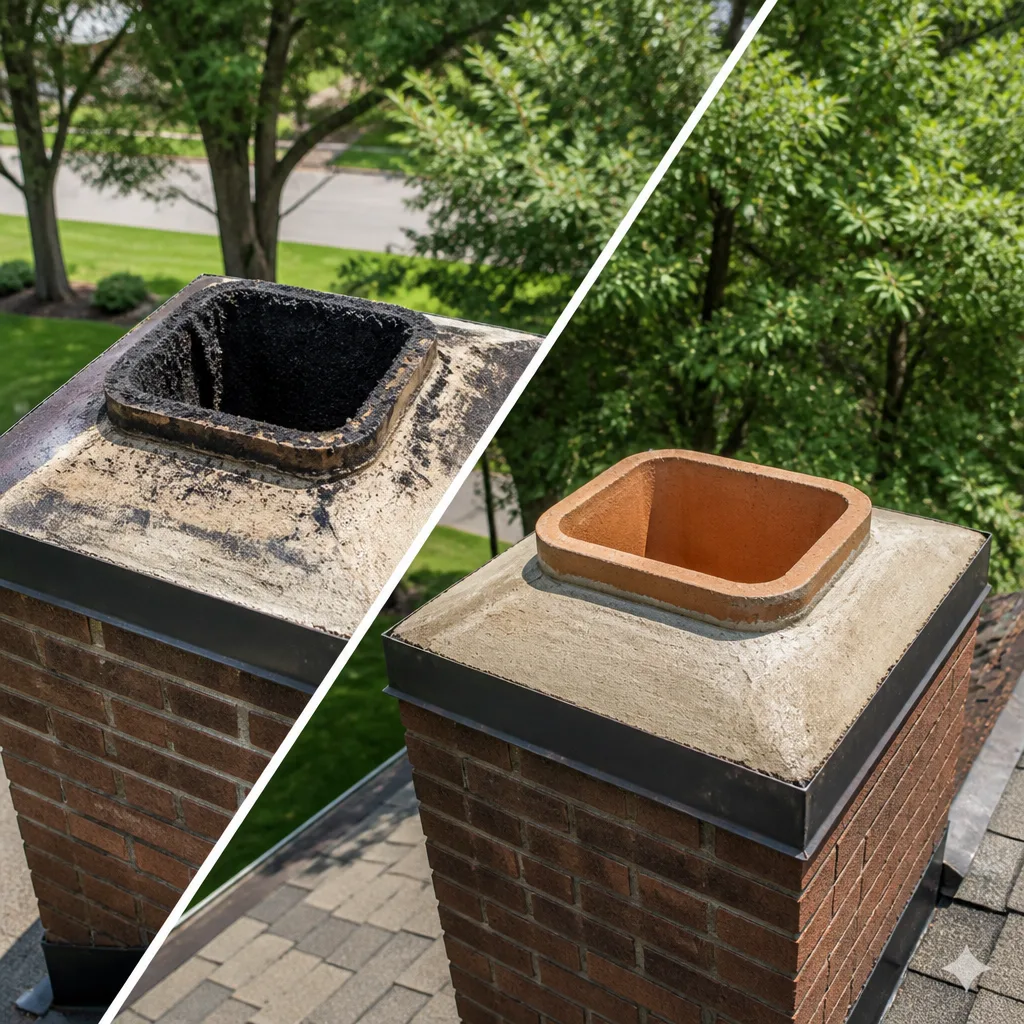
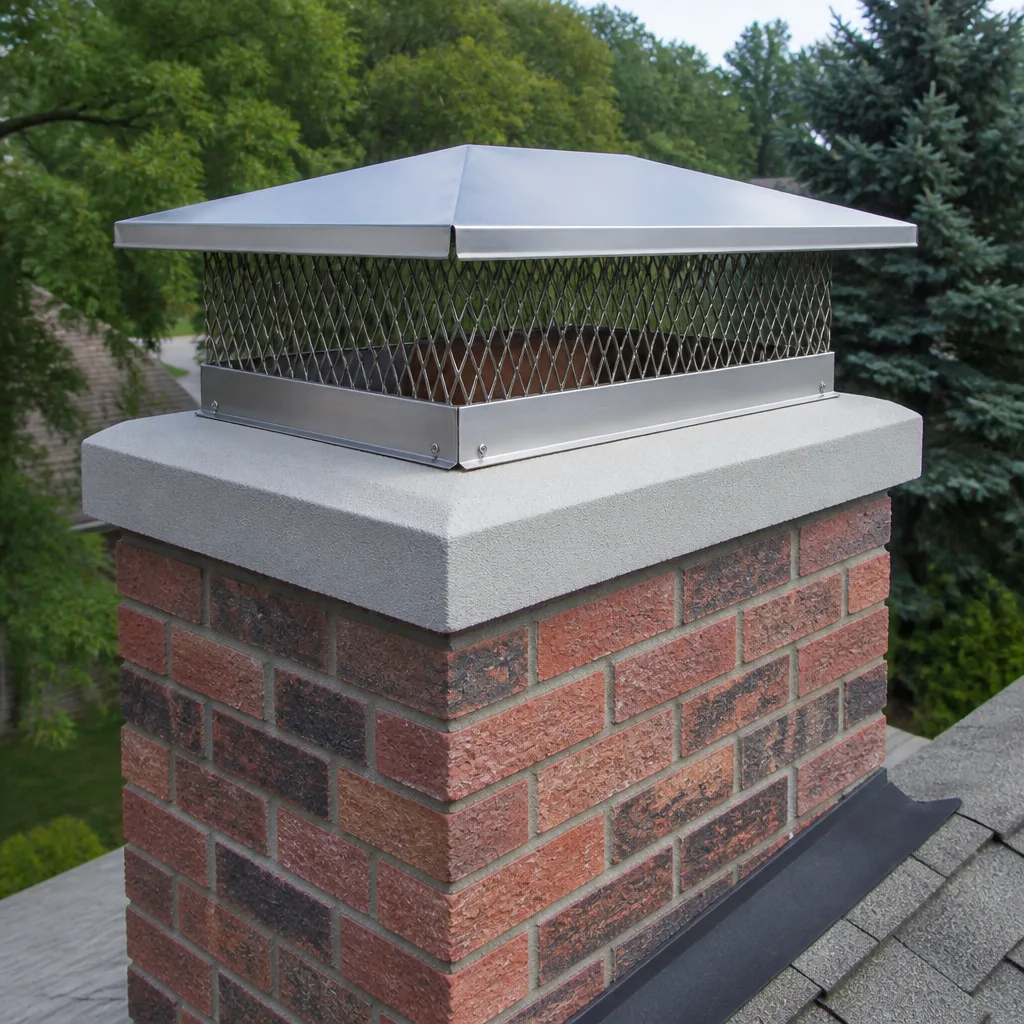
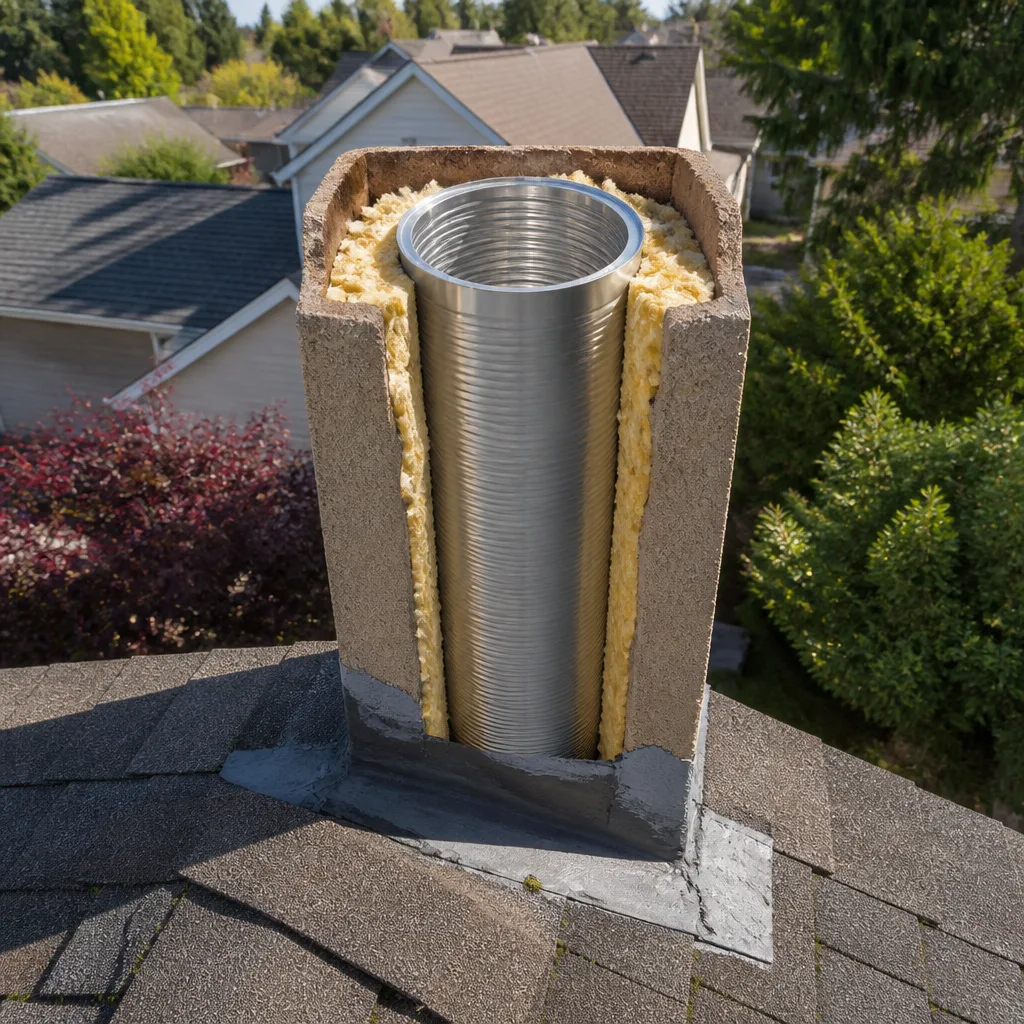
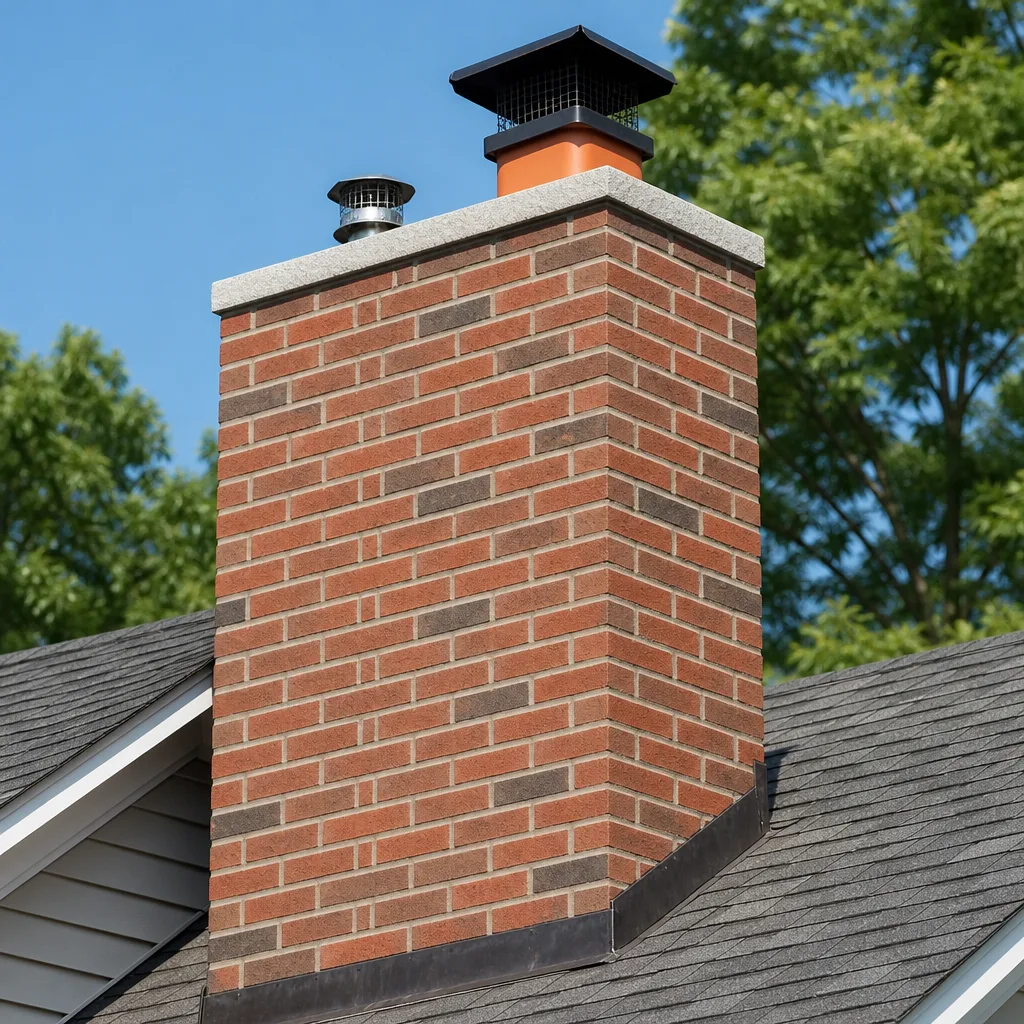
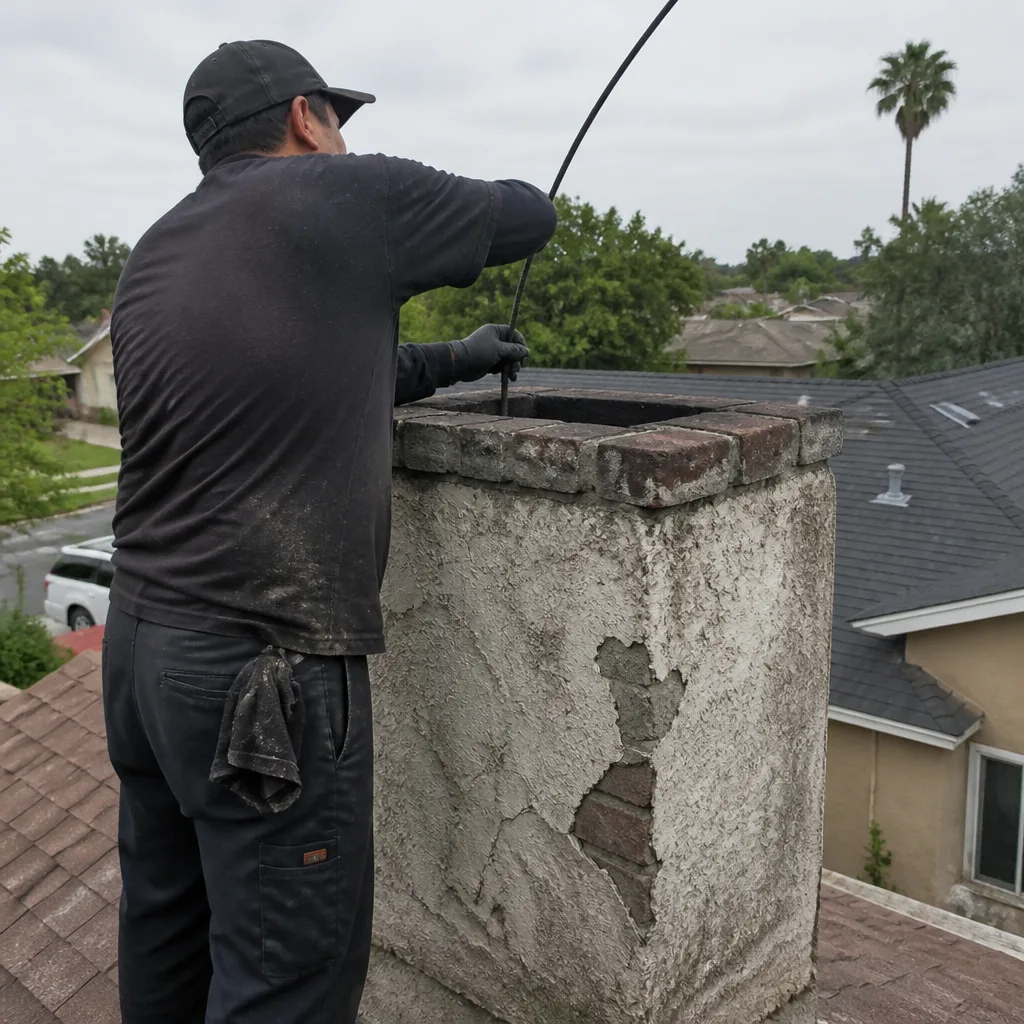 Before
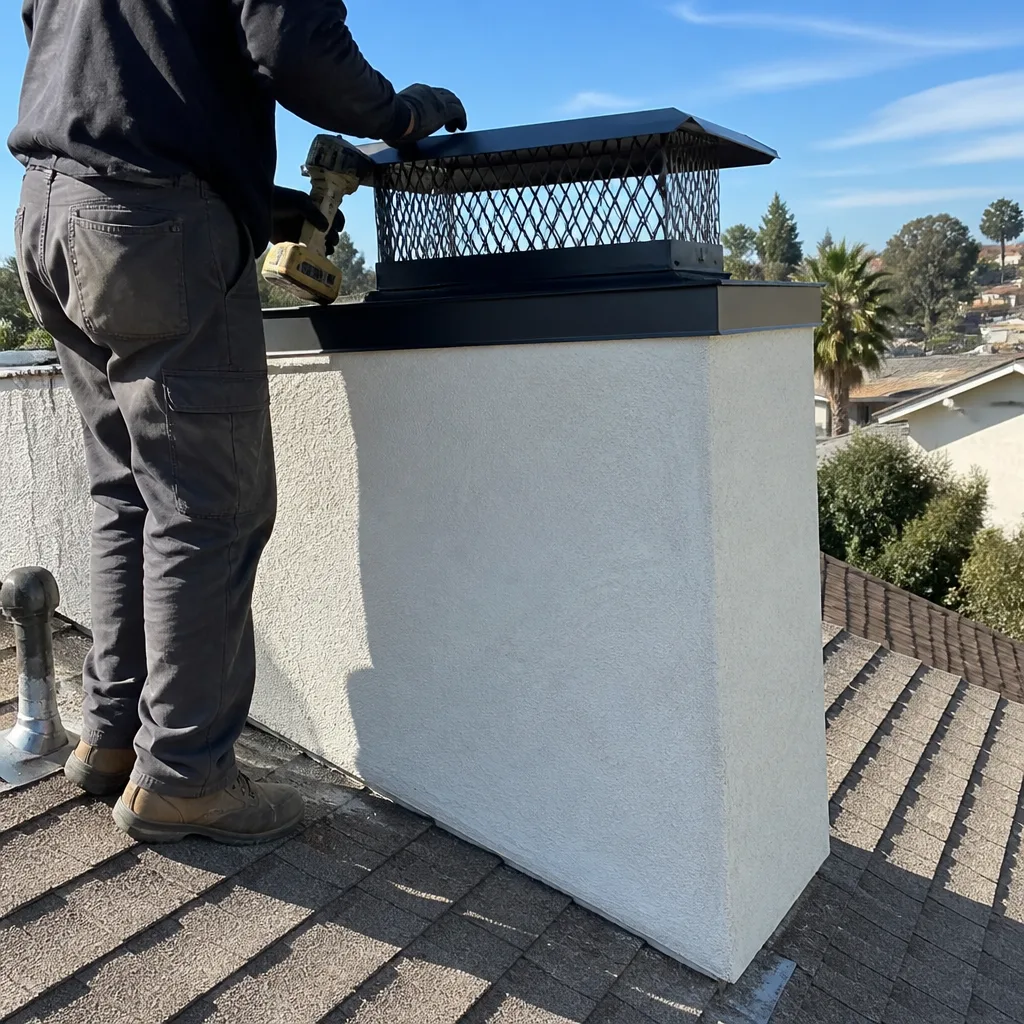 After
After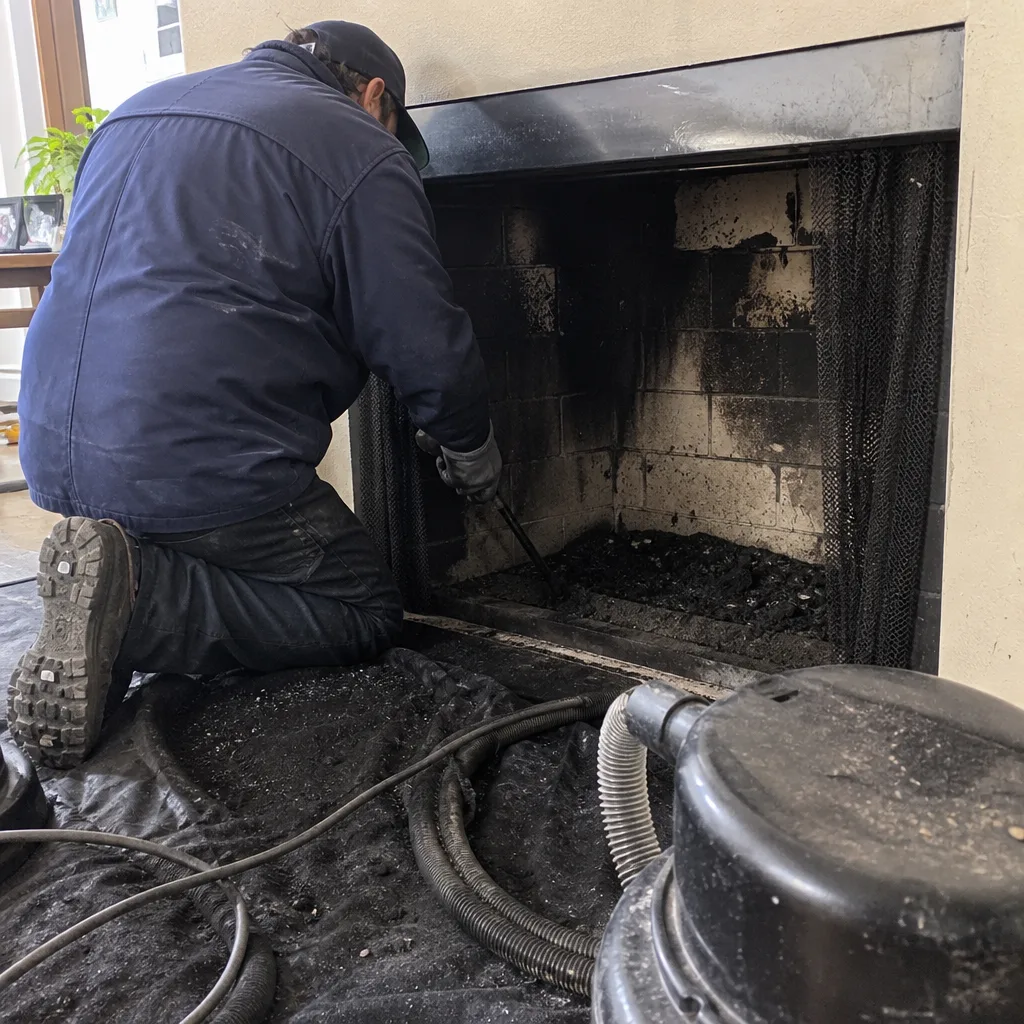 Before
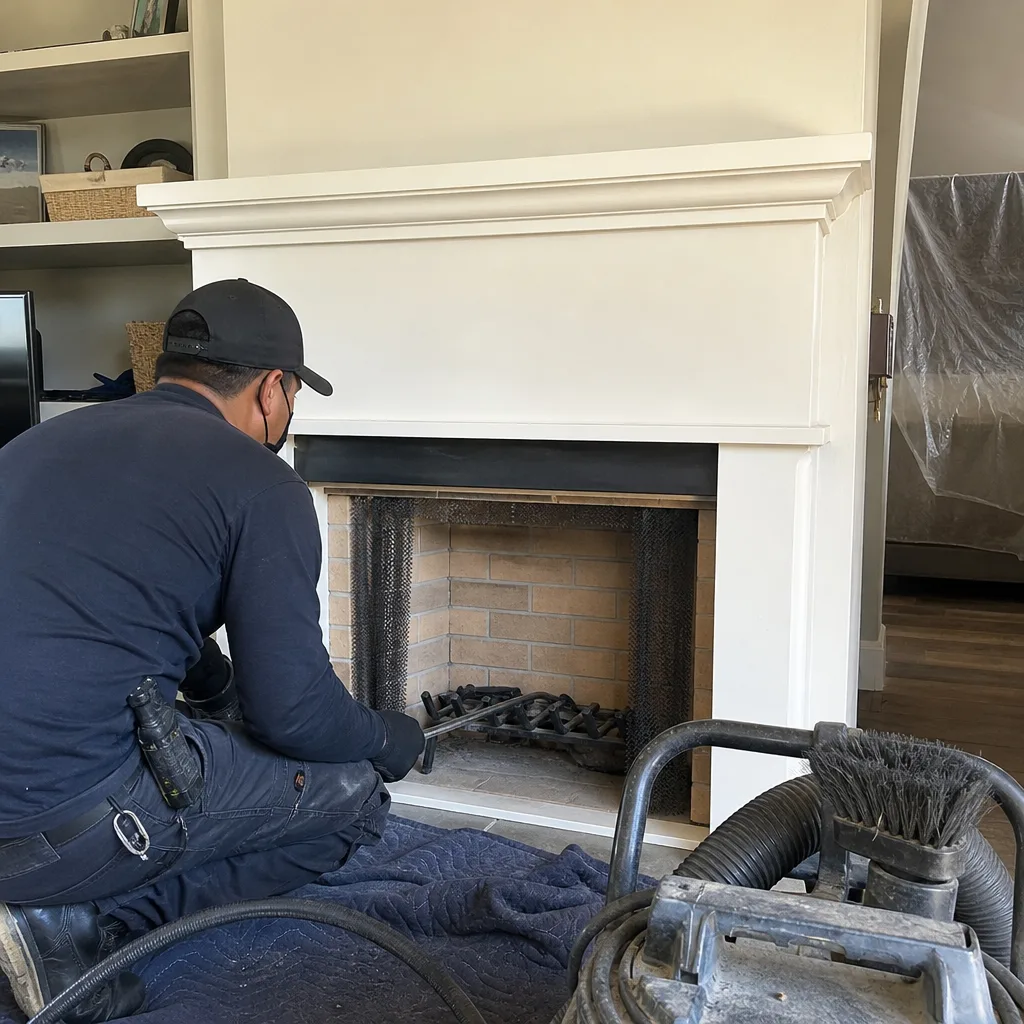 After
After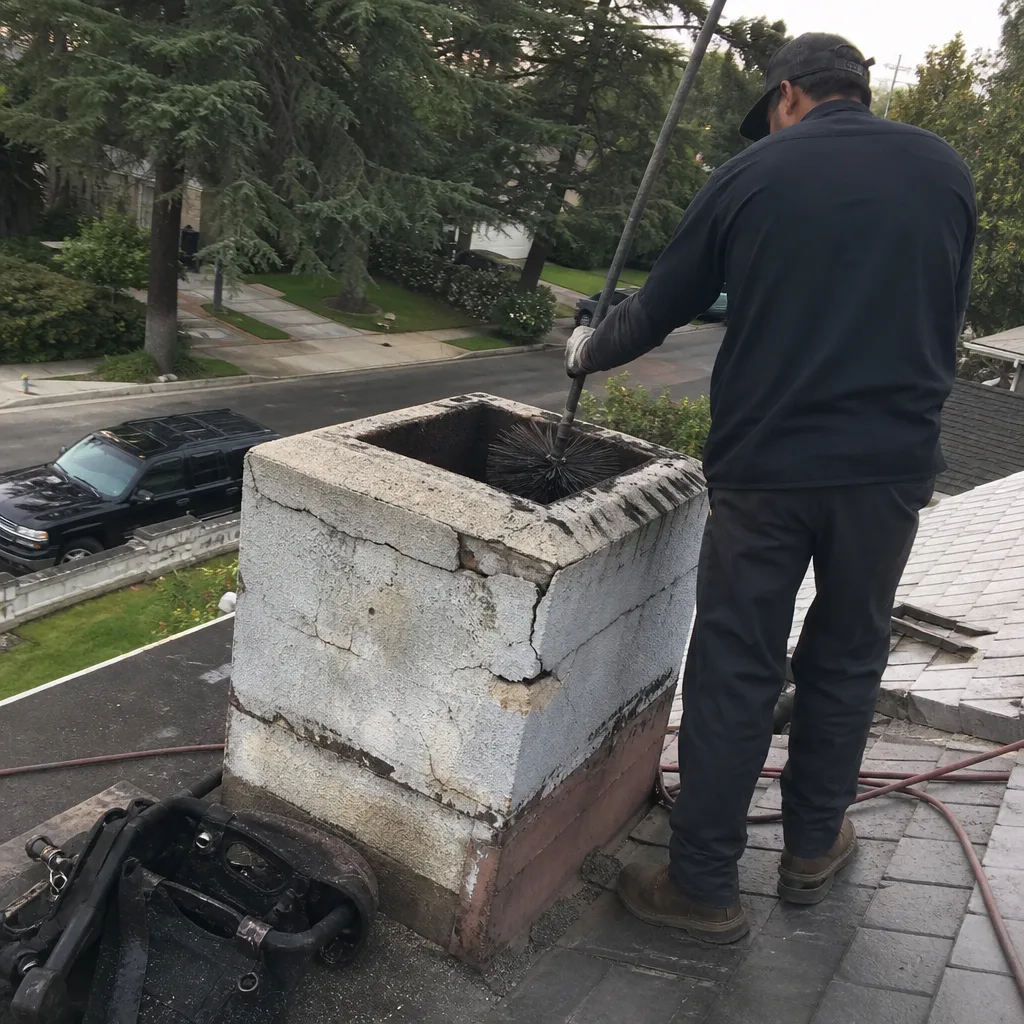 Before
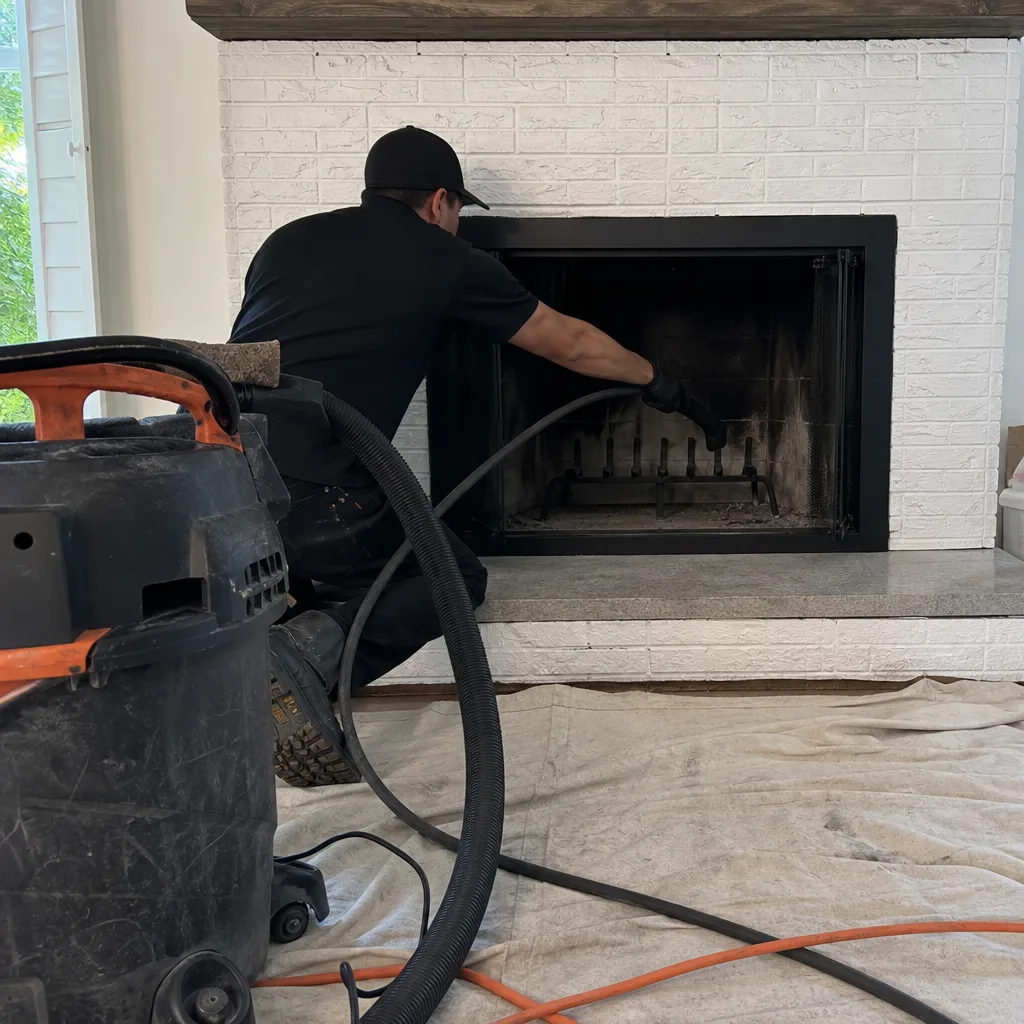 After
AfterChimney Sweep Warning Signs Every Homeowner Should Know
White staining on the outside of your chimney is called efflorescence, and most homeowners in Los Angeles scrub it off thinking it’s cosmetic. It’s actually your chimney’s only external signal that water is migrating through the masonry right now, dissolving salts and pushing them to the surface. By the time you notice it, the internal damage has already begun. In this guide, we’ll show you which warning signs demand immediate attention, which ones you can monitor, and why the most dangerous signals are rarely the dramatic ones people expect.
Quick Answer
The most dangerous chimney warning signs are subtle: white efflorescence on exterior brick (active water intrusion), a smoky odor when no fire is burning (third-degree creosote buildup), a damper that moves freely but won’t seal (carbon monoxide risk in gas fireplaces), and spalled or flaking firebrick (heat stress compromising the firebox). These conditions cause the majority of chimney fires and CO incidents we see in Los Angeles homes, yet homeowners routinely dismiss them as minor maintenance issues that a Chimney Sweep could easily identify.
Table of Contents
- Exterior Visual Signals: Active Damage vs. Cosmetic Concerns
- The Smoky Smell With No Fire: What Spring and Summer Odors Reveal
- Roofline Clues Visible From the Ground
- Reading Your Firebox Interior: Stains, Glaze, and Spalling
- The Damper Behavior Homeowners Misread as a Minor Inconvenience
- Common Mistakes to Avoid
- When to Call a Professional
- Frequently Asked Questions
Exterior Visual Signals: Active Damage vs. Cosmetic Concerns
Walk outside and look at your chimney. Most Los Angeles homeowners do this once a year, if that, and when they notice something off, they can’t tell whether to panic or paint over it. Here’s how to read what you’re seeing.
Five Signs of Active Structural Deterioration
- Efflorescence (white powdery staining). Those white streaks aren’t dirt. They’re salts crystallizing as water moves through your masonry, evaporates, and leaves minerals behind. In Los Angeles, this accelerates after winter rains when masonry absorbs moisture, then bakes in spring heat. The water is actively degrading mortar joints from the inside. Scrubbing it off treats the symptom; the disease is water penetration that will eventually cause spalling, loosened bricks, and structural compromise.
- Spalling brick faces. When you see brick surfaces flaking away, exposing the rough interior, water has already penetrated, frozen (yes, even in Los Angeles – nighttime winter temperatures drop below 40°F regularly in the Valley and foothill neighborhoods), and expanded. Each freeze-thaw cycle pops off another layer. Spalled bricks lose structural integrity and allow more water in. This isn’t cosmetic; it’s progressive failure.
- Missing or deteriorated mortar joints. Gaps between bricks wider than 1/4 inch, or mortar that crumbles when you scratch it with a key, mean your chimney’s structural bonding is compromised. In earthquake country, this matters enormously. A chimney with degraded mortar can separate from the house during seismic activity.
- Rust stains on masonry. Orange or reddish-brown streaks indicate corroding metal inside the chimney – typically the liner, damper hardware, or structural ties. Rust means moisture has reached metal components that are supposed to stay dry. The liner protecting your home from combustion gases is degrading.
- Leaning or separated chimney. Any visible tilt, gap between chimney and house wall, or pulling away from the roofline is an emergency. This indicates foundation settlement, corroded structural supports, or failed footings. In Los Angeles, where soft soils and seismic activity are facts of life, a leaning chimney can collapse partially or fully.
Four Signs That Are Purely Cosmetic (But Worth Monitoring)
- Uniform weathering discoloration. All brick fades and darkens unevenly over decades. If the surface is intact, the mortar is sound, and there’s no spalling or staining pattern, this is normal aging.
- Isolated dark streaks from roof runoff. Water cascading from a clogged gutter can stain chimney brick. The fix is the gutter, not the chimney. Check whether the staining correlates with a roof valley or downspout overflow.
- Minor crown hairline cracks under 1/8 inch. Concrete crowns develop surface crazing. Until cracks widen enough to admit water consistently, they’re not actively damaging. Seal and monitor annually.
- Old paint or sealant failure. Peeling exterior paint is an aesthetic issue unless it’s trapping moisture underneath. Never apply non-breathable sealants to historic brick chimneys in Los Angeles neighborhoods like Angelino Heights or West Adams; they accelerate decay by preventing evaporation.
We’ve inspected chimneys in Los Angeles homes where efflorescence had been present for three years, dismissed as “just some white stuff,” while water had completely destroyed the liner and rusted the damper assembly. The repair exceeded $4,200. Catching it at the efflorescence stage would have required $800 – $1,200 in crown repair and waterproofing.
The Smoky Smell With No Fire: What Spring and Summer Odors Reveal
You walk into the living room in June, no fire has burned for months, and it smells like a campfire. This specific odor at this specific time is one of the most misunderstood warning signs in chimney maintenance.
That smell indicates third-degree creosote, also called glazed creosote – a hard, shiny, tar-like deposit that forms when wood burns at low temperatures with incomplete combustion. Unlike the fluffy, sooty first-degree creosote that a standard sweep removes easily, glazed creosote is chemically altered. It has melted and resolidified on the flue walls, creating a dense, insulating layer that:
- Restricts flue diameter, reducing draft and causing more incomplete combustion
- Has a low ignition temperature (approximately 451°F, compared to 1,000°F+ for normal creosote)
- Absorbs and retains combustion odors, releasing them when humidity rises in warm weather
- Cannot be removed by standard brushing; it requires chemical treatment or rotary mechanical removal
The spring and summer timing matters. In Los Angeles, marine layer humidity in May and June, combined with warmer outdoor temperatures, raises the dew point inside the flue. The glazed creosote releases trapped volatile compounds. You’re smelling last winter’s fires because the deposit is still there, still active, still dangerous.
Homeowners often tell us they “just had the chimney swept” and still smell smoke. If the technician used standard brushes on glazed creosote, they likely polished it without removing it. The flue looks clean to a casual inspection, but the hazard remains. This is why we perform a camera inspection after every chimney sweep in Los Angeles – we verify removal, not just assume it.
A standard sweep for a Los Angeles home with normal first-degree creosote typically runs $200 – $300. Glazed creosote removal adds $150 – $400 depending on severity and flue length. The chemical treatment requires a 24 – 48 hour reaction period before mechanical removal. Attempting to burn it out is extremely dangerous; glazed creosote ignites explosively and burns at temperatures that damage clay flue tiles and stainless steel liners alike.
Roofline Clues Visible From the Ground
You don’t need a ladder to spot critical chimney crown and flashing problems. From your driveway or sidewalk, trained observation reveals what most homeowners miss.
What Deteriorated Crown Mortar Looks Like vs. Normal Weathering
The crown is the concrete or mortar cap sealing the top of your chimney where flue tiles emerge. It’s your chimney’s umbrella, and it fails predictably.
Normal weathering: Slight surface roughness, minor color variation from sun exposure, hairline surface cracks under 1/8 inch that don’t penetrate through. These develop over 10 – 15 years in Los Angeles UV exposure.
Active deterioration: Cracks wider than 1/8 inch that you can fit a coin edge into, chunks missing from edges or corners, visible separation between crown and top course of brick, or a crown that slopes toward the flue instead of away from it (poor original construction that pools water). In Los Angeles, thermal shock from 100°F days followed by 60°F marine layer evenings accelerates crack propagation.
The critical threshold: when cracks admit enough water to reach the flue liner interior. Test indirectly by checking your firebox after heavy rain. New moisture stains on firebox walls mean crown failure, even if the crown looks merely “weathered” from outside.
Flashing: The Hidden Water Highway
Chimney flashing – the metal where chimney meets roof – fails in characteristic patterns visible from ground level:
- Lifting or separated step flashing. You may see gaps where metal tabs that interweave with shingles have pulled loose. Wind-driven rain enters directly.
- Rust streaks on roofing below the chimney. Indicates corroded flashing, common in older Los Angeles homes with galvanized steel rather than modern copper or aluminum.
- Visible caulk or tar smears. These are repairs that have failed. Proper flashing doesn’t rely on sealant; it relies on metal overlap and integration with roofing. Tar patches are temporary, and their presence signals a history of leaks.
In our experience across Los Angeles neighborhoods from the Hollywood Hills to San Pedro, crown and flashing failures cause more hidden structural damage than any other chimney problem. Water rots roof framing, damages ceilings, destroys liners, and rusts dampers – all before you see a drip inside.
Reading Your Firebox Interior: Stains, Glaze, and Spalling
Your firebox – the brick or refractory concrete chamber where fires actually burn – tells a detailed story if you know what to look for. Open the damper, shine a flashlight upward and around, and compare what you see to these three categories.
Normal Smoke Staining
Light brown to black discoloration on the back wall and upper sides of the firebox is expected. It should be relatively uniform, dry to the touch, and superficial. This is carbon deposit from flame impingement, not a hazard. It accumulates over years and can be cleaned during routine service.
Glazed Creosote Deposits
Look for shiny, black or dark brown areas that appear varnished or lacquered. They may feel slightly tacky even when cold. These indicate the same third-degree creosote discussed earlier, but forming on the firebox walls rather than the flue. This happens when fires are consistently smoldering, when using unseasoned wood, or when the fireplace is used for “atmospheric” burning with the damper restricted.
Glazed creosote in the firebox is actually more accessible than flue glaze, but it’s also closer to the ignition source. A glowing ember or rolling flame can ignite it directly. We treat firebox glaze with the same chemical-mechanical process as flue glaze.
Spalled Firebrick: The Heat Stress Signal
Firebrick surfaces should be smooth and intact. When you see pitting, flaking, cracking through the brick face, or bricks that have rounded or eroded edges, you’re seeing spalling from heat stress. Several causes:
- Thermal shock. Rapid temperature changes from hot fires in cold flues, common in Los Angeles when homeowners light the first fire of winter in a 55°F house.
- Improper fuel. Burning construction scraps, painted wood, or other materials that burn too hot for the firebox design.
- Compromised firebrick quality. Original builder-grade firebrick in 1960s – 1980s Los Angeles tract homes was often low-duty refractory material inadequate for sustained use.
- Liner failure allowing flue gas migration. A cracked or missing liner lets superheated gases contact firebox walls at temperatures they weren’t designed for.
Spalled firebrick isn’t merely cosmetic. It reduces the insulating barrier between combustion temperatures (1,000°F+) and the combustible framing of your house. Building codes require specific clearances that depend on intact firebrick. Once spalling exceeds 1/4 inch depth over more than 10% of the firebox surface, repair or replacement is necessary. We typically see this in Los Angeles homes where the original firebrick was never designed for the frequency of use modern homeowners expect.
HeatShield resurfacing is one professional option for firebox restoration – a ceramic refractory coating applied to restore a smooth, heat-resistant surface without full rebuild. For severe cases, we install new firebrick or refractory panels. A camera inspection during your chimney inspection in Los Angeles determines which approach applies.
The Damper Behavior Homeowners Misread as a Minor Inconvenience
You pull the damper handle. It moves smoothly, maybe even easily. But when you look up the flue, the plate doesn’t fully close. Or it wobbles, or you can see daylight around the edge when it’s supposedly shut. This is not a minor inconvenience. In gas-equipped fireplaces, it’s a carbon monoxide risk that demands immediate attention.
Here’s why: gas fireplaces produce carbon monoxide continuously during operation, even when properly adjusted. The flue is supposed to exhaust these combustion gases. But when the fire is off, the damper must seal tightly to prevent conditioned air escape and, critically, to block backdrafting.
A loose or warped damper in a gas fireplace creates a path for CO to enter your living space under specific conditions:
- Negative pressure from exhaust fans (kitchen range hoods, bathroom fans, whole-house ventilation common in newer Los Angeles construction)
- Wind pressure on the chimney top creating downdraft
- Competing appliances drawing air from the same zone
- Seismic activity loosening connections (relevant in Los Angeles, where minor quakes shift ductwork and appliance alignments over time)
The insidious danger: CO incidents from this mechanism often happen when the fireplace isn’t running. The damper is open just enough, a downdraft occurs, and odorless, colorless gas enters. Homeowners with CO detectors may get a low-level alarm they can’t explain. Without detectors, symptoms develop gradually.
We check damper seal with a smoke pencil during every inspection. If the damper plate is warped, corroded, or the frame has shifted, replacement is necessary. Top-sealing dampers, installed at the chimney crown, provide a superior seal and eliminate this risk entirely. For gas fireplace applications, we may recommend a lock-top damper with a dedicated combustion air supply.
The threshold for action: if you can see visible gap around a closed damper, or if the handle moves without corresponding plate movement, schedule inspection before next use. This isn’t a “when we get around to it” repair.
Common Mistakes to Avoid
- Assuming no fire last winter means no creosote. Even infrequent fires produce creosote, and one smoldering overnight burn can generate more glaze than a season of hot, quick fires. Los Angeles homeowners who use their fireplaces “just for ambiance” often have the worst glazed deposits because they burn with restricted air.
- Cleaning efflorescence without addressing the water source. Power-washing white stains makes your chimney look better for six months while water continues destroying it internally. The correct sequence is: identify water entry point, repair crown/flashing/masonry, then remove staining if desired.
- Using the “burn it out” method for creosote. Intentionally hot fires to remove buildup are how chimney fires start. Controlled, yes. Predictable, no. We’ve responded to emergencies in Los Angeles where this approach cracked flue tiles and ignited roof structures.
- Hiring based on coupon price without verifying what’s included. A $99 sweep that doesn’t include camera inspection, that doesn’t verify creosote removal, that doesn’t check damper function – you’ve paid for theater, not safety. Our written price before work begins includes all inspection elements; there’s no “oh, we need to charge extra for the camera” surprise.
- Ignoring gas fireplace symptoms because “it’s cleaner than wood.” Gas fireplaces produce water vapor that condenses in cool flues, causing liner corrosion. They produce CO that demands perfect venting. They accumulate dust and debris on burners that affects combustion quality. Annual service is essential.
- Waiting for “the burning season” to schedule. In Los Angeles, chimney professionals’ schedules compress between October and January. By February, early birds have their inspections done and any repairs completed before first use. Late schedulers face delays, rush fees from less reputable operators, or the temptation to use a questionable chimney “just this once.”
- Trusting a stranger at your door without verification. Chimney scams spike in fall across Los Angeles County – unsolicited inspections claiming “dangerous conditions,” immediate demand for cash payment, no written documentation. Every Alcott technician is Threshold Verified: background-checked, identity-verified, and you’ll receive their name and photo before arrival. They show photo ID at your door, every time, no exceptions.
When to Call a Professional
Call for immediate inspection if you observe: visible spalling or missing mortar on exterior masonry; a smoky odor when no fire is burning; any gas fireplace damper that doesn’t seal completely; rust stains on interior firebox walls; or a chimney that has visibly shifted or separated from your house. These conditions escalate from maintenance to hazard faster than most homeowners expect.
Even without warning signs, the National Fire Protection Association recommends annual chimney inspection for all wood-burning systems, and gas fireplace manufacturers typically require annual service to maintain warranty coverage. For more guides & resources on maintaining your system, visit our blog. In Los Angeles, where mild winters mean fireplaces may sit unused for eight months, that dormant period allows moisture damage, pest intrusion, and debris accumulation to progress unnoticed.
Alcott Chimney Sweep offers free estimates in Los Angeles. Call (336) 863-3889 to schedule. You’ll receive a written price before any work begins, a camera inspection with photo documentation you can review yourself, and our 365-Day Done Right Promise on every repair. If a repair fails within the coverage period, the second visit is free.
Frequently Asked Questions
A standard chimney sweep for a typical Los Angeles home with a single wood-burning fireplace typically runs $200 – $300 before any repairs. Glazed creosote removal adds $150 – $400. Gas fireplace service ranges $150 – $250. We provide a written price before any work starts, and estimates are free. Call (336) 863-3889 for exact pricing for your system.
You shouldn’t accept any liner recommendation without camera evidence you can see for yourself, as covered in our The Complete Chimney Inspection Guide for Los Angeles Homeowners. At Alcott, we show you the video during the inspection and explain exactly what we’re observing: cracks, gaps, deterioration patterns, and how they relate to your specific fuel type and appliance. If the condition can be safely monitored rather than immediately replaced, we’ll say so. Our written price includes liner specifications using professional trade brands like DuraFlex or Olympia Chimney – not improvised substitutes.
The NFPA recommends annual inspection for all chimney systems. Sweeping frequency depends on use: heavy use (3+ times weekly during season) needs annual sweeping; moderate use (1 – 2 times weekly) can often go two years if inspection shows minimal creosote; gas fireplaces need annual service for warranty and safety regardless of apparent cleanliness. Los Angeles marine layer moisture makes annual inspection particularly valuable for identifying water intrusion early.
Progressive creosote buildup increases chimney fire risk, with third-degree glaze igniting at temperatures reached during normal operation. Water intrusion destroys liners, rusts dampers, and damages surrounding structure – repairs that typically cost 5 – 10x preventive maintenance, which is why Choosing the Right Chimney Cleaning Brand: A Buyer’s Guide for Los Angeles matters for long-term protection. Gas fireplace neglect risks CO exposure from deteriorated burners or venting. In Los Angeles, we’ve seen $800 annual maintenance skipped become $6,000+ rebuilds after three years of water damage.
Not always, but it’s never purely cosmetic. Light, isolated efflorescence on a new chimney may indicate initial curing moisture working out. Persistent, heavy, or recurring efflorescence – especially after rain – signals active water migration that will cause damage. The key is pattern and persistence. We evaluate whether the source is crown failure, flashing leak, porous brick, or failed waterproofing, then address the cause rather than the symptom.
Homeowners can and should perform regular visual checks: exterior brick condition, damper operation, firebox appearance, and unusual odors. But flue interior evaluation requires specialized camera equipment and trained interpretation. Creosote stage identification, liner condition assessment, and structural evaluation require professional training. Think of it like checking your oil versus diagnosing engine knock – one is homeowner maintenance, the other needs expertise. We encourage the visual checks; we provide the technical assessment.
The Bottom Line
The chimney problems that injure or kill homeowners rarely announce themselves dramatically. They whisper through white stains, vague odors, loose handles, and subtle brick changes. Learning to read these signals – and distinguishing active deterioration from cosmetic aging – lets you act before small problems become emergencies. In Los Angeles, where chimneys endure seismic stress, marine layer moisture, and intense UV cycling, that literacy matters more than in milder climates. Schedule your inspection before you need it, verify what you’re told with camera evidence, and never let a stranger into your home without knowing their name and face in advance.
Written by Ruben Castellano, Owner at Alcott Chimney Sweep, serving Los Angeles since 2002.