
Last updated October 9, 2026
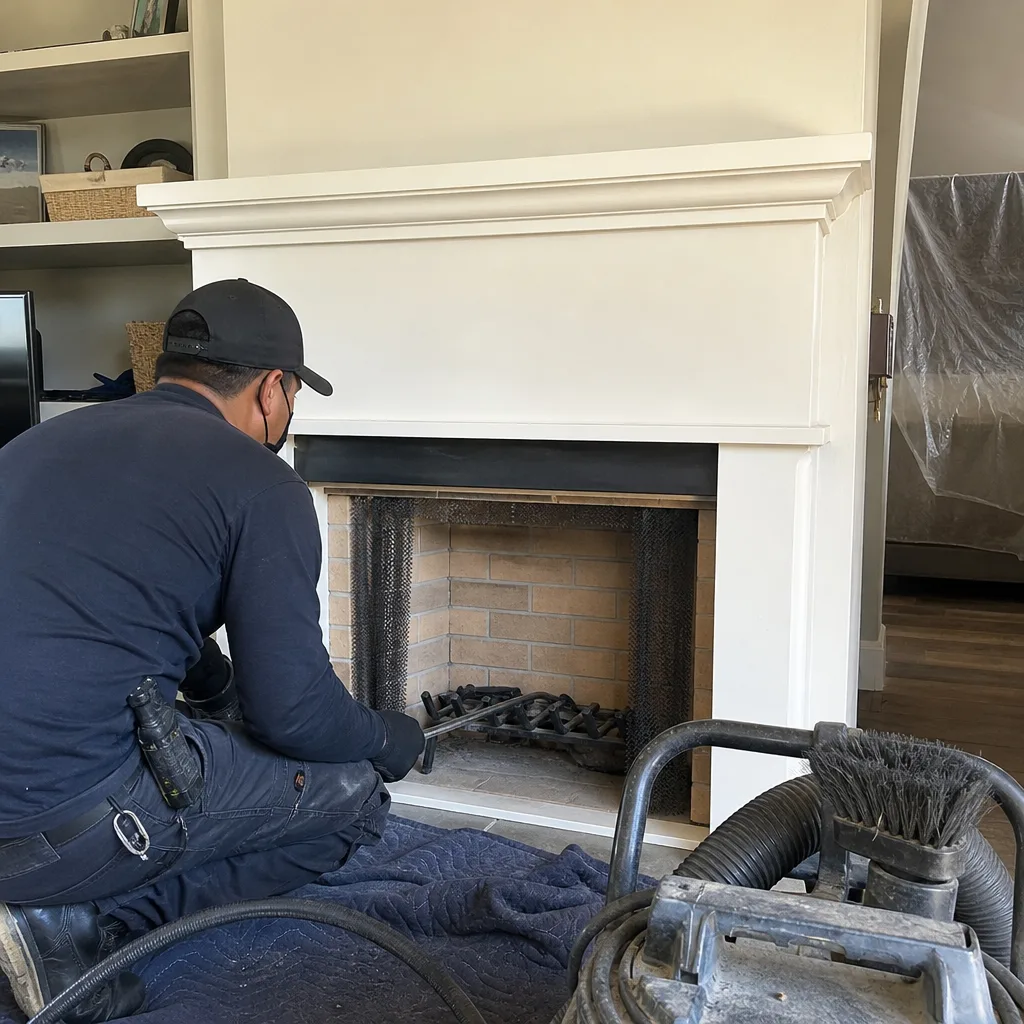
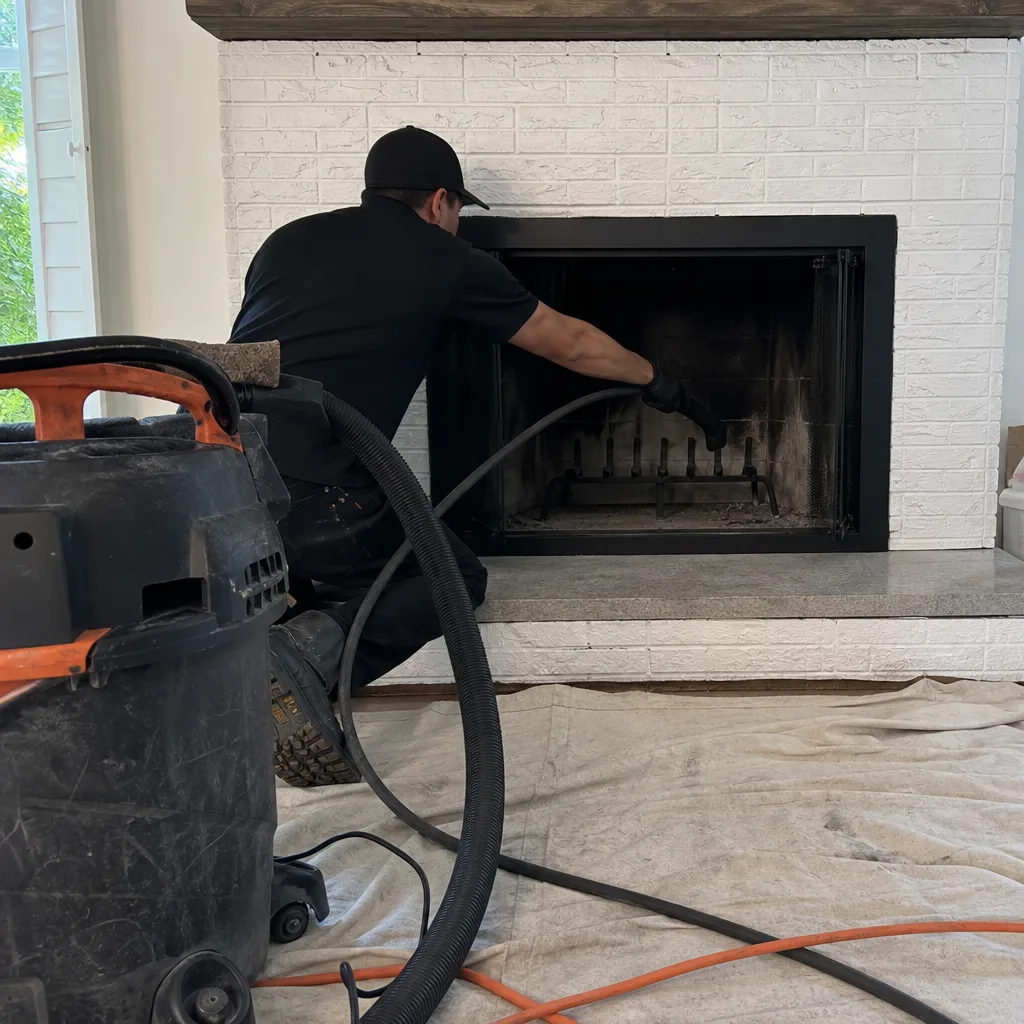
Level 1 sweep and inspection to the NFPA 211 annual standard - flue, crown, cap, and flashing checked and photographed
Chimney sweep logs do not sweep chimneys. They loosen some creosote - which then falls where a brush and vacuum still have to collect it.
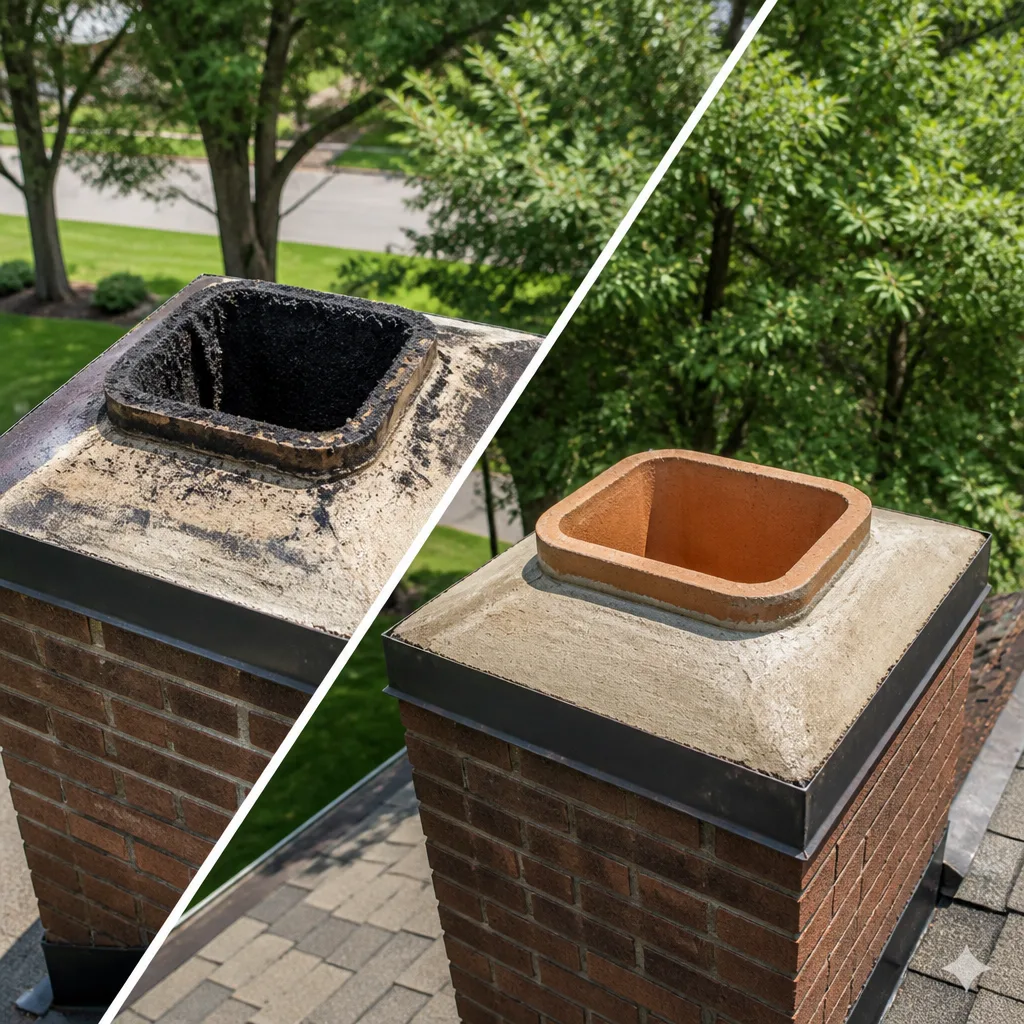
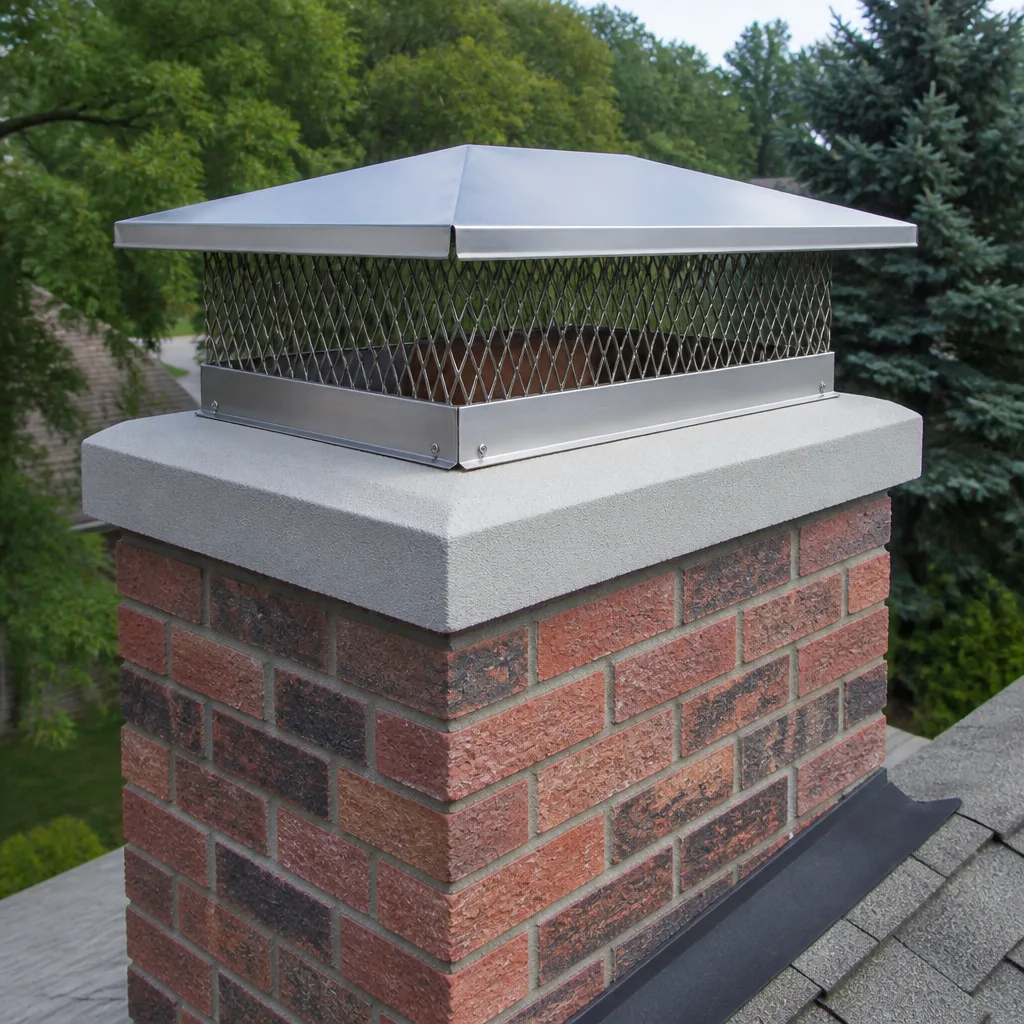
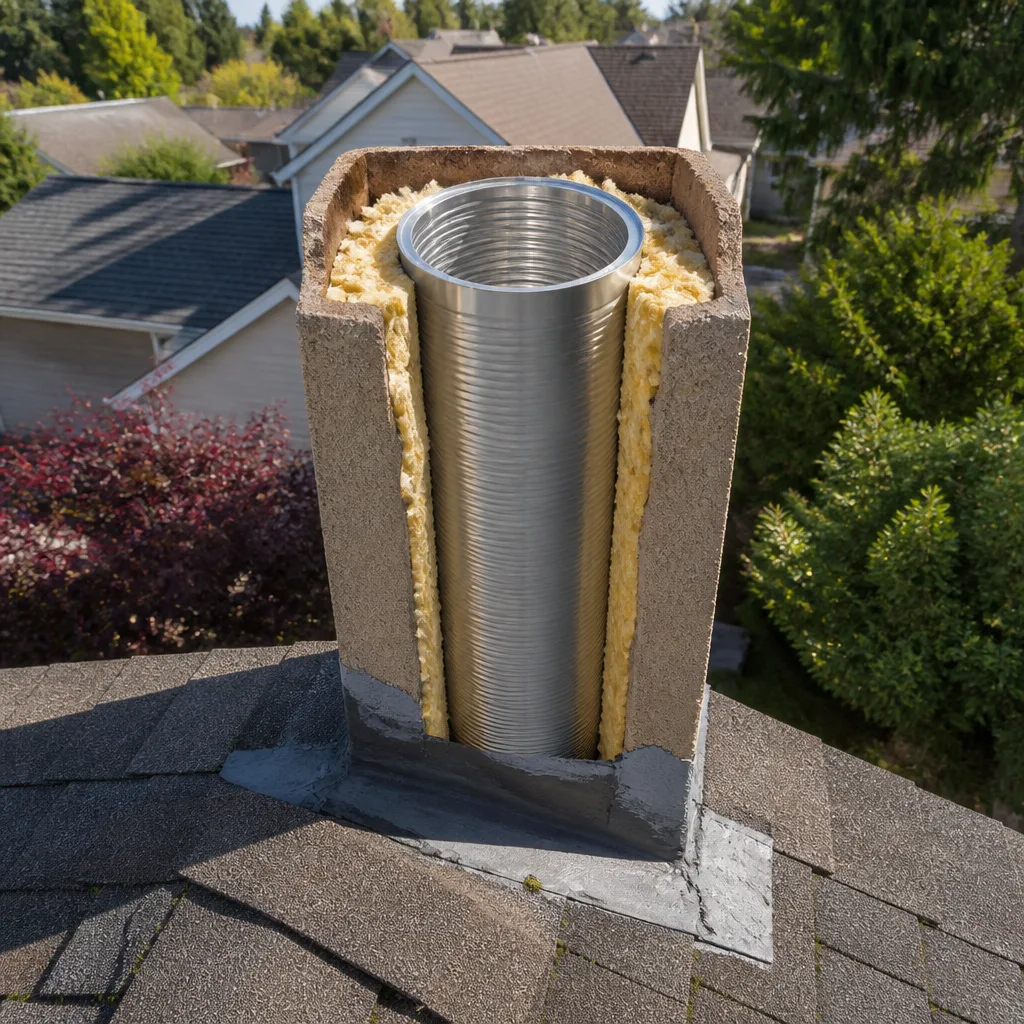
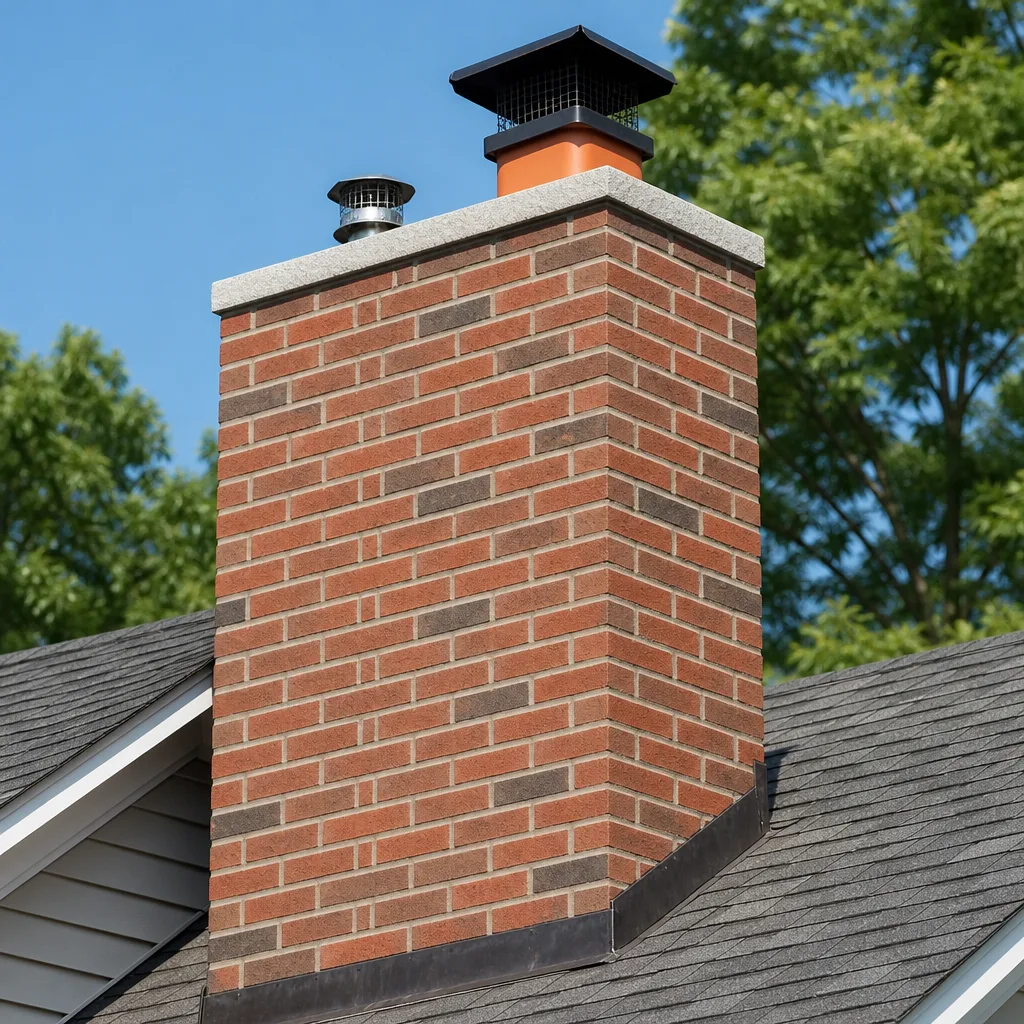
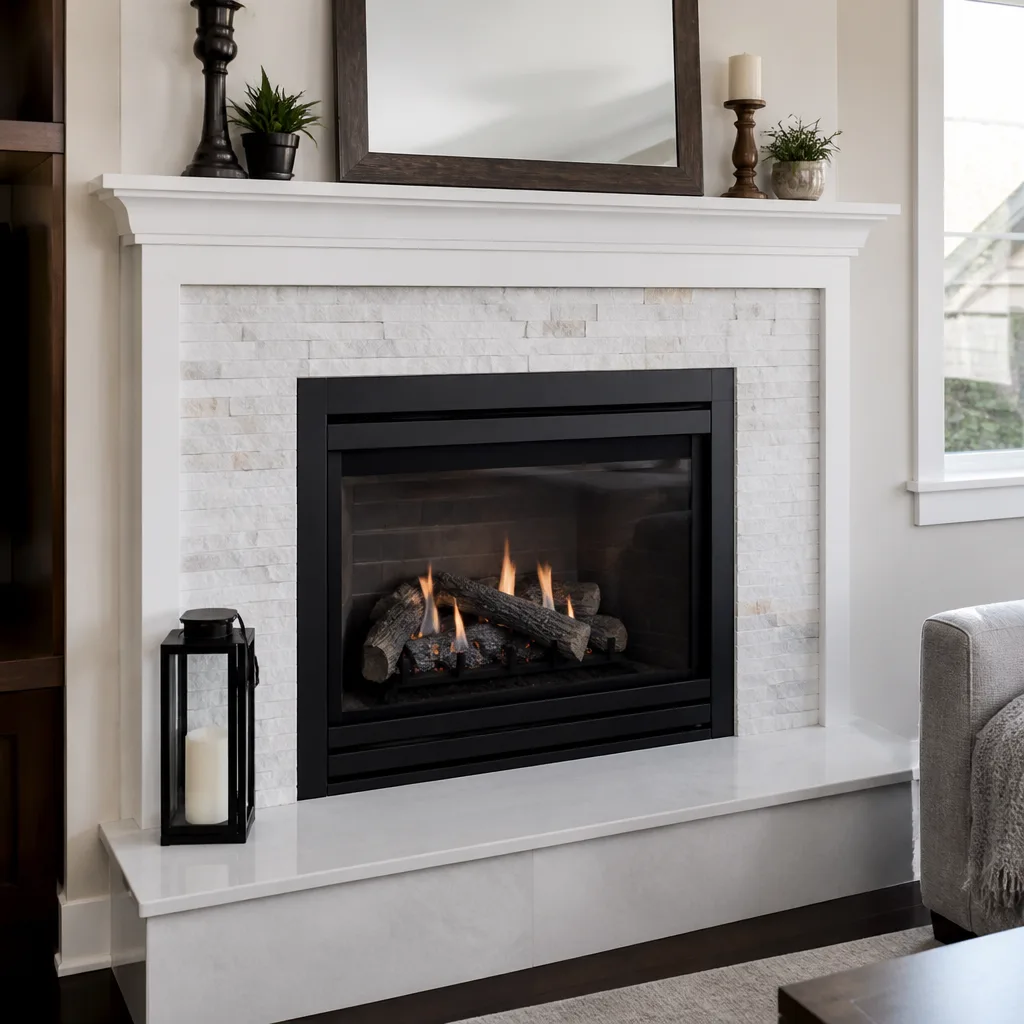
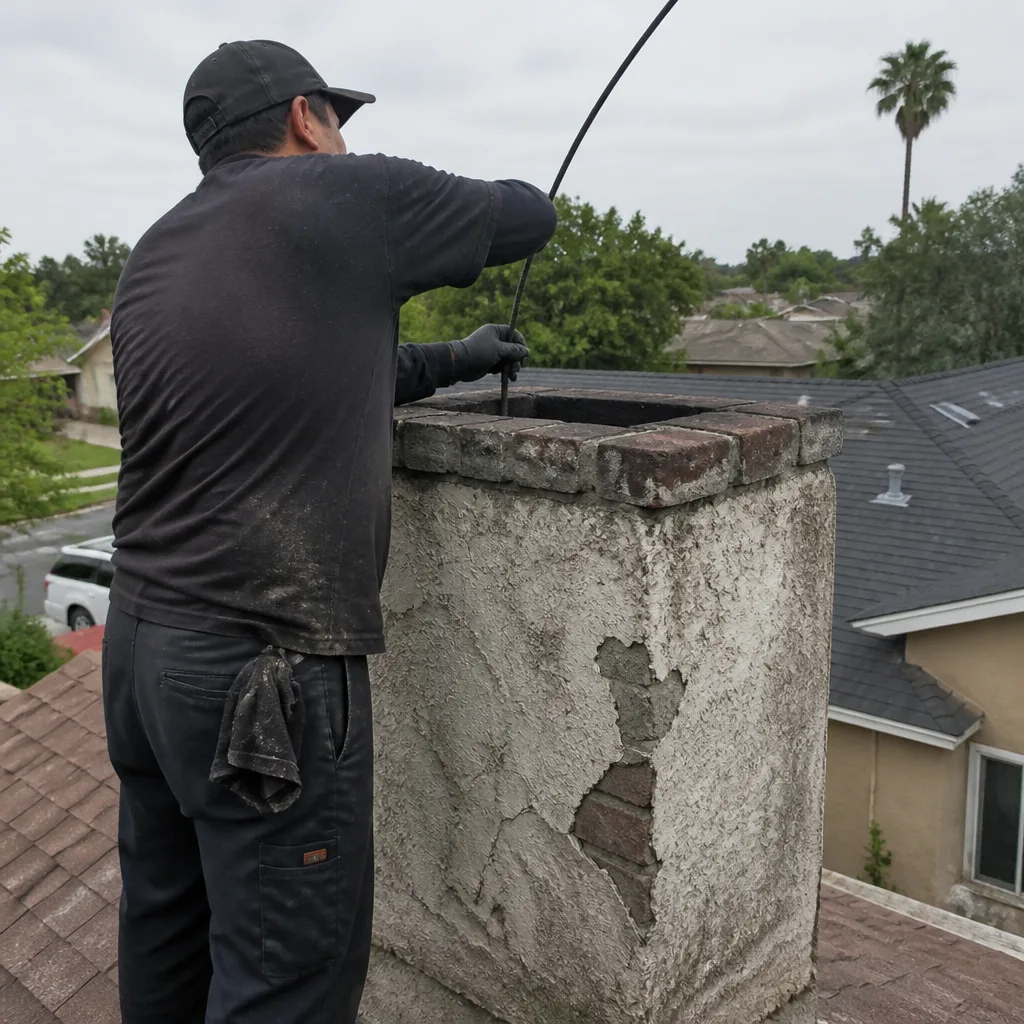 Before
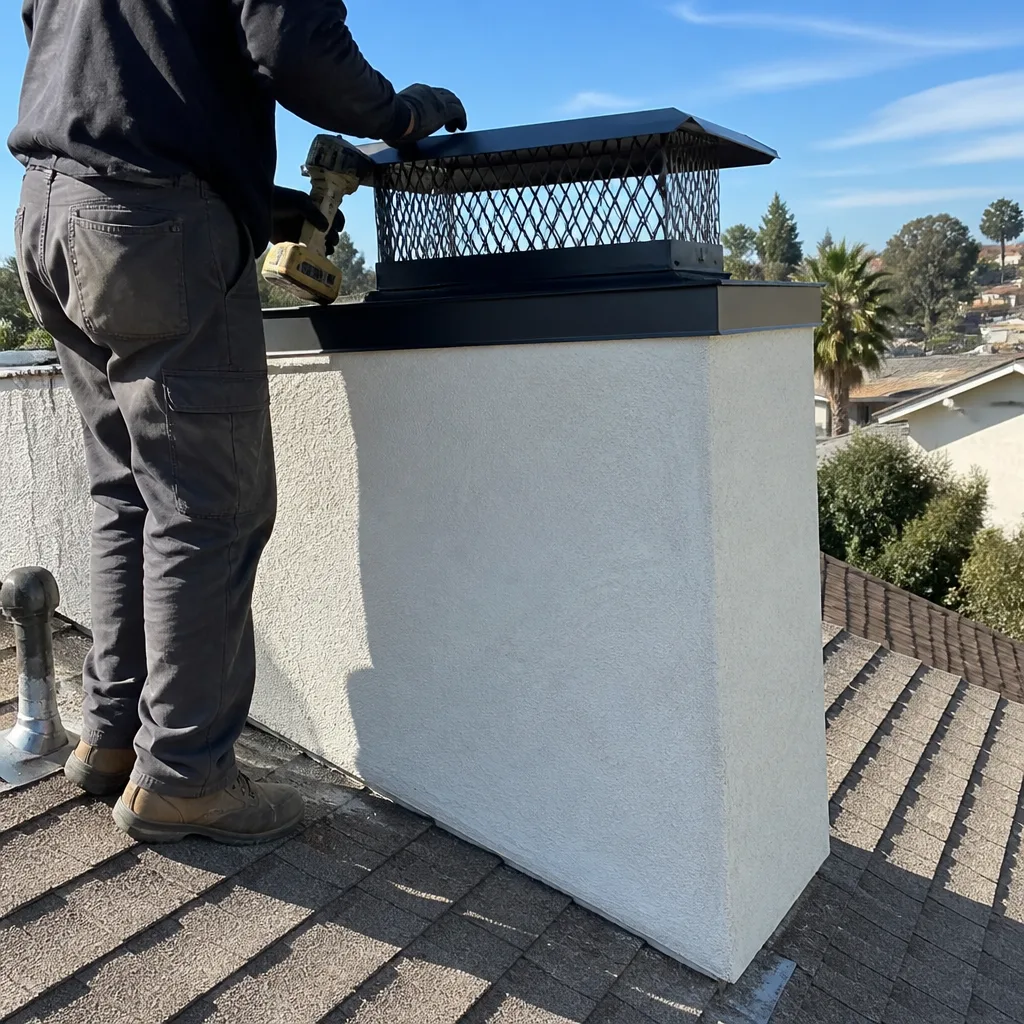 After
After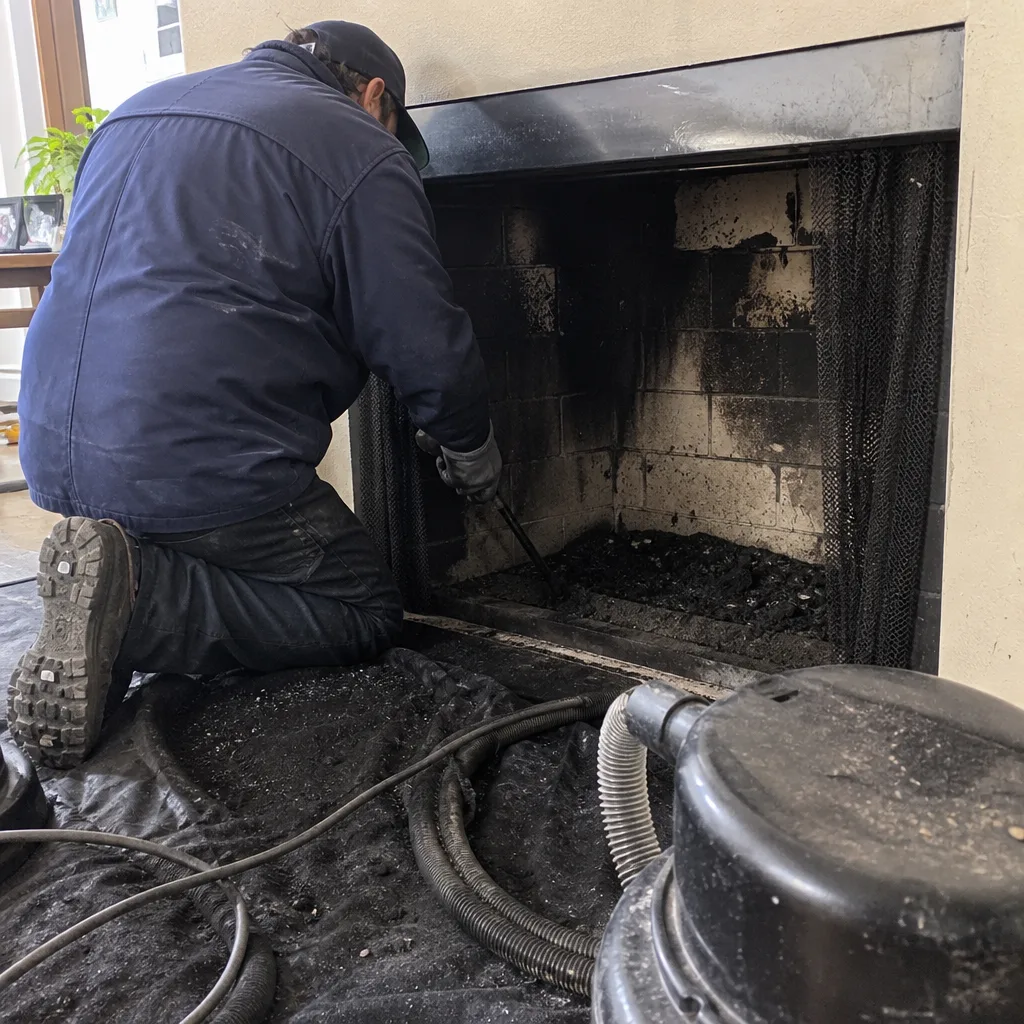 Before
 After
After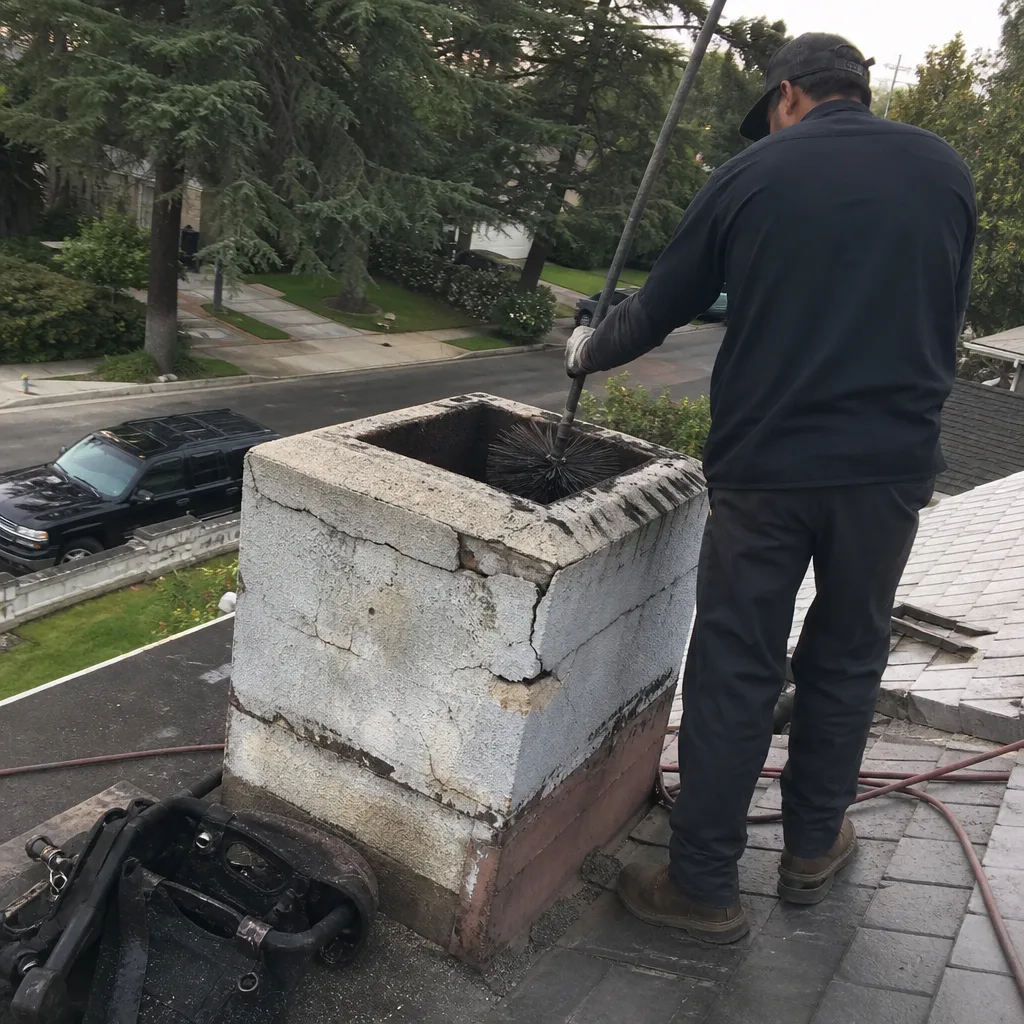 Before
 After
AfterChoosing the Right Chimney Cleaning Brand: A Buyer’s Guide for Los Angeles
Every chimney company in Los Angeles claims to be “licensed, bonded, and insured” – but that phrase has no single legal definition in California, and three companies using it can mean three completely different things. We’ve been sweeping chimneys across this city since 2002, and we’ve watched homeowners pay premium prices for technicians who carried the bare minimum paperwork while skipping the protections that actually matter. This guide will show you how to cut through the marketing noise and identify the real commitments that separate a trustworthy chimney service from a liability waiting to happen. For more guides & resources, visit our blog.
Quick Answer
The right chimney cleaning brand in Los Angeles is the one that puts four things in writing before any work starts: a fixed price, a detailed scope of work, the verified identity of the technician coming to your home, and a guarantee that lasts at least one full year. Everything else – logos, slogans, and claims of “licensed, bonded, and insured” – is negotiable marketing until it’s documented and signed.
Table of Contents
- How to Decode “Licensed, Bonded, and Insured” in California
- The Four Written Commitments That Actually Matter
- Why Most Chimney Guarantees Are Worthless – and What to Demand Instead
- How to Read Google Reviews Like a Fraud Investigator
- The One Question That Exposes Upsell Tactics
- Professional Trade Brands vs. Box-Store Substitutes
- Common Mistakes to Avoid
- When to Call a Professional
- Frequently Asked Questions
- The Bottom Line
How to Decode “Licensed, Bonded, and Insured” in California
Walk through any Los Angeles neighborhood from Silver Lake to San Pedro and you’ll find chimney companies plastering “licensed, bonded, and insured” across their trucks, websites, and door hangers. The problem? California doesn’t regulate chimney sweeping as a standalone trade. There’s no specific “chimney sweep license” issued by the state.
Here’s what each word actually means, and how to verify it in under five minutes.
“Licensed”
Most chimney companies in Los Angeles operate under a C-29 (Masonry) contractor’s license, a C-61/D-49 (Hearth) classification, or a general B license. Some hold no contractor’s license at all and operate legally as maintenance services. To check any claim, go to the California Contractors State License Board and enter the license number. You’ll see the exact classification, whether it’s active, and any disciplinary actions. If a company won’t give you a six- or seven-digit license number, that’s your first red flag.
“Bonded”
A bond is not insurance. It’s a financial guarantee, usually $15,000 for California contractors, that compensates homeowners if the company abandons a job or violates contract terms. Ask for the bond number and the surety company name. Then call the surety directly. This takes three minutes and eliminates half the companies making this claim.
“Insured”
General liability insurance covers damage to your property. Workers’ compensation covers injuries to employees on your property. Request a certificate of insurance (COI) with your name and address listed as the certificate holder. In our experience across Los Angeles, from hillside homes in the Hollywood Hills to compact lots in Koreatown, the companies that hesitate to produce a COI usually have something to hide. A legitimate company emails one within the hour.
The bottom line: these three words are table stakes, not differentiators. The company that treats them as a complete trust package is the company that’s hoping you won’t ask follow-up questions.
The Four Written Commitments That Actually Matter
After verifying the basics, shift your focus to documentation. These four written commitments are what separate a professional operation from a fly-by-night sweep.
1. Written Price Before Work Begins
A standard chimney sweep in Los Angeles typically runs $175 – $325 before any repairs, as detailed in The Complete Chimney Sweep Guide for Los Angeles Homeowners. Camera inspections add $85 – $150. Liner work, when needed, ranges from $1,800 – $4,500 depending on flue size and accessibility. Any company that won’t put a number on paper before starting work is reserving the right to change that number after you’re committed.
At Alcott Chimney Sweep home, we deliver a written price on every job. Not an estimate range – a fixed price. If we find additional issues during inspection, we document them with photos, explain the scope, and provide a separate written price for that work. You approve it or you don’t. No surprises at the door.
2. Detailed Scope of Work
The scope should specify: what type of sweeping (manual brush, rotary power sweeping, or both); whether a Level 1 or Level 2 NFPA inspection is included; camera inspection of the flue; debris containment and cleanup; and what happens if damage is found. Vague language like “clean chimney” is an invitation to dispute.
3. Technician Identity Verification
In a city as spread out as Los Angeles, you’re often home alone when service providers arrive. You deserve to know exactly who is coming. The Threshold Standard requires that every technician pass a background check and identity verification before ever stepping on a customer’s property. We send our customers the technician’s name and photo before we arrive, and our techs show a photo ID badge at the door – every time, no exceptions. This isn’t a premium upgrade. It’s the minimum standard for letting a stranger into your home.
4. Guarantee Terms in Writing
A guarantee without specifics is a slogan. We’ll cover what those specifics should look like in the next section.
Why Most Chimney Guarantees Are Worthless – and What to Demand Instead
Here’s a dirty secret of the chimney industry: the “30-day guarantee” is designed to expire before problems appear. Creosote buildup doesn’t cause a chimney fire in 30 days. A failed liner installation might not show symptoms for months. A 30-day guarantee protects the company, not the homeowner.
Los Angeles presents specific challenges that make short guarantees especially inadequate. Our Mediterranean climate with dry summers and occasional winter rains creates thermal cycling stress on masonry. Santa Ana winds can drive debris into uncapped flues. Earthquake country means structural settling that affects chimney alignment over time. A guarantee needs to span at least one full heating season, and ideally one full year, to be meaningful.
Here’s what a legitimate guarantee should include:
- Coverage period: Minimum 365 days from completion date
- What’s covered: Specific failures of workmanship and materials, listed explicitly
- Remedy: Free return visit to correct the failure, including labor and materials
- Exclusions: Clear statement of what voids the guarantee ( homeowner modifications, natural disasters, etc.)
Our 365-Day Done Right Promise covers every repair we complete. If the work fails within that year, the second visit is free. We put this in writing on every job, included at no extra charge. Not because we’re generous, but because accountability is the only honest way to operate.
How to Read Google Reviews Like a Fraud Investigator
Google reviews are useful, but not in the way most homeowners think. The overall star rating matters less than the language patterns in individual reviews. Here’s how to distinguish genuine quality signals from manufactured praise.
Red Flags: Reviews That Suggest Incentivized or Fake Feedback
- Identical phrasing across multiple reviews. “Great service, highly recommend” repeated verbatim by different accounts is a template.
- Reviews posted in clusters. Six five-star reviews in three days, then silence for months, suggests a review drive rather than organic satisfaction.
- No mention of specific technician names or job details. Generic praise without specifics is easy to fabricate.
- Reviewers with only one review ever posted. Check the profile. Single-review accounts are often created for the purpose.
- Responses from the owner that are identical. Copy-paste “Thank you for your business” replies suggest volume over engagement.
Green Flags: Language That Signals Genuine Experience
- Specific technician names and descriptions of appearance or professionalism
- Mention of price paid, or comparison to other quotes received
- Description of what was found during inspection and how it was explained
- References to follow-up communication or warranty claims
- Photos attached by the reviewer (harder to fake, and Google verifies location data)
In Los Angeles, where many chimney companies serve multiple counties and even states, look for reviews that mention specific neighborhoods – Highland Park, Baldwin Hills, Mar Vista – and specific dates. Local specificity is difficult to manufacture at scale.
The One Question That Exposes Upsell Tactics
Ask this exact question during your initial call: “If your inspection finds something that needs repair, will you show me photo or video evidence before recommending the work, and can I have time to decide without pressure?”
The response will instantly reveal the company’s operating philosophy.
A company that treats homeowners like capable adults will say yes, explain their documentation process, and confirm that you control the timeline. A company built on upsell pressure will deflect, mention “safety urgency,” or offer a “same-day discount” if you commit immediately.
We’ve rebuilt flues in 1920s Spanish Colonial homes in Los Feliz where previous companies had declared the chimney “unsafe” and quoted $8,000 in emergency work – without showing the homeowner a single image. When we arrived with a camera, we found localized damage that required $1,200 in targeted repairs and a new cap. The chimney was safe to use while the homeowner considered options. Transparency doesn’t cost us sales. It builds the trust that brings customers back for decades.
The honest answer to most chimney problems in Los Angeles is: “This needs attention, here’s what it looks like, and here’s what happens if you wait.” Not: “Sign now or your house burns down.”
Professional Trade Brands vs. Box-Store Substitutes
When repairs are needed, the materials matter as much as the technician. Professional chimney work requires products rated for high-temperature, corrosive flue-gas environments. Box-store substitutes often fail within seasons.
Here are the brands we specify and install, and why they matter:
- DuraFlex – Proprietary stainless steel liner systems with specific alloy grades (316Ti, 304) rated for wood, gas, and oil applications. The difference between a DuraFlex liner and a generic “stainless liner” is the weld quality, expansion tolerance, and UL listing for the exact fuel type.
- HeatShield – Cerfractory resurfacing system for restoring clay flue tiles without full liner replacement. Properly applied by certified technicians, it carries a 20-year warranty. Improperly applied, it delaminates and traps moisture against the original tile.
- Gelco – Chimney caps and accessories with specific mesh sizing for California’s ember-exposure zones. Generic caps often have larger mesh that allows sparks to escape, a genuine fire hazard in Los Angeles’s wildland-urban interface areas.
We also work with Olympia Chimney, Famco, and Copperfield products where the application calls for them. The point isn’t the brand name itself. It’s that these are materials specified by chimney professionals for specific technical requirements, not substitutes chosen for distributor margin.
When evaluating a chimney company in Los Angeles, ask what brand of liner they’d install and why. A technician who can’t name the manufacturer or explain the alloy specification is installing whatever the warehouse had in stock.
Common Mistakes to Avoid
- Assuming all “licensed” companies carry the same coverage. A C-29 masonry license and a general B license have different bonding requirements and different scopes of legal authority. Verify the specific classification.
- Booking based on the lowest quote without a written scope. In our experience across Los Angeles, the lowest initial quote often balloons by 40 – 60% once the technician is on-site and “discovers” additional issues.
- Ignoring the chimney between burns. Los Angeles homeowners with gas fireplaces often assume no maintenance is needed. Gas flues still require inspection for condensation damage, debris obstruction from Santa Ana winds, and deteriorated connections.
- Hiring based on a door hanger alone. The companies that blanket neighborhoods with seasonal flyers are often the least accountable. No physical office, no verifiable history, no recourse if something fails.
- Accepting verbal guarantees. If it isn’t written on company letterhead with specific terms, it doesn’t exist. We’ve replaced failed liner work from companies that “guaranteed” their work verbally and disappeared within two years.
- Neglecting to verify workers’ compensation coverage. If a technician is injured on your property and the company lacks this coverage, your homeowner’s policy may be the primary payer. This is especially critical in Los Angeles, where steep roof pitches in the hills and multi-story construction increase fall risk.
When to Call a Professional
Call a chimney professional before your first fire of the season if you notice any of these: visible creosote flakes in the firebox, a strong smoky odor when the fireplace isn’t in use, white staining (efflorescence) on exterior brick, or a damper that sticks or won’t fully open. After any earthquake, even minor shaking, have the chimney inspected for structural shifting. In Los Angeles, where many chimneys serve decorative gas units that haven’t run in months, test the ignition and check for gas odor before the first cool evening.
Alcott Chimney Sweep offers free estimates in Los Angeles – call (336) 863-3889. Our Chimney Sweep in Los Angeles, Chimney Inspection in Los Angeles, and Gas Fireplace Repair in Los Angeles services include written pricing, photo documentation, and our 365-Day Done Right Promise on every repair.
Frequently Asked Questions
A standard chimney sweep in Los Angeles typically costs $175 – $325 for a single flue, with Level 2 camera inspections adding $85 – $150. Repairs, liner work, or masonry restoration are priced separately after documented inspection. Call (336) 863-3889 for an exact quote – estimates are free.
You need a new liner if inspection reveals cracked clay tiles, gaps between tiles, or deterioration that allows combustion gases to reach combustible framing. We document this with camera footage you can see yourself. Some liners can be restored with HeatShield resurfacing rather than full replacement, which we always explore first. Call (336) 863-3889 for an inspection with photo evidence.
The National Fire Protection Association recommends annual inspection for all chimneys, with sweeping frequency based on use and fuel type. Wood-burning fireplaces in regular use need annual sweeping. Gas units need annual inspection for connection integrity and venting. Occasional use still requires inspection due to debris, moisture, and seismic settling common in Los Angeles.
Skipped maintenance leads to creosote accumulation (a leading cause of chimney fires), blocked flues that force carbon monoxide into living spaces, and undetected structural damage that becomes exponentially more expensive to repair. In Los Angeles’s dry climate, a single spark from a compromised flue can ignite nearby vegetation. The cost of prevention is a fraction of the cost of remediation.
Visit the California Contractors State License Board website, enter the six- or seven-digit license number, and confirm the classification (C-29, C-61/D-49, or B), active status, and any disciplinary history. The entire process takes under three minutes. Any company that won’t provide a license number should be declined.
A sweep removes combustible deposits from the flue. An inspection evaluates the condition of the entire system – flue, liner, masonry, crown, cap, and connections – against NFPA standards. In our work across Los Angeles, we perform both together because you cannot properly inspect a dirty flue, and sweeping without inspection misses critical safety issues. Our Chimney Inspection in Los Angeles service includes both when needed.
The Bottom Line
The right chimney cleaning brand in Los Angeles isn’t the one with the flashiest truck or the most aggressive advertising. It’s the one that puts accountability in writing: a fixed price, a verified technician, a documented scope, and a guarantee that lasts long enough to matter. Verify the license. Demand the certificate of insurance. Ask the one question about photo evidence and pressure-free decisions. And never accept a guarantee that expires before the problem would appear.
We’ve been serving Los Angeles homeowners since 2002 because this approach works. Not because we’re the cheapest, but because we’re the most certain – certain pricing, certain identity, certain outcomes.
Written by Ruben Castellano, Owner at Alcott Chimney Sweep, serving Los Angeles since 2002.