
Last updated October 9, 2026
Level 1 sweep and inspection to the NFPA 211 annual standard - flue, crown, cap, and flashing checked and photographed
Chimney sweep logs do not sweep chimneys. They loosen some creosote - which then falls where a brush and vacuum still have to collect it.
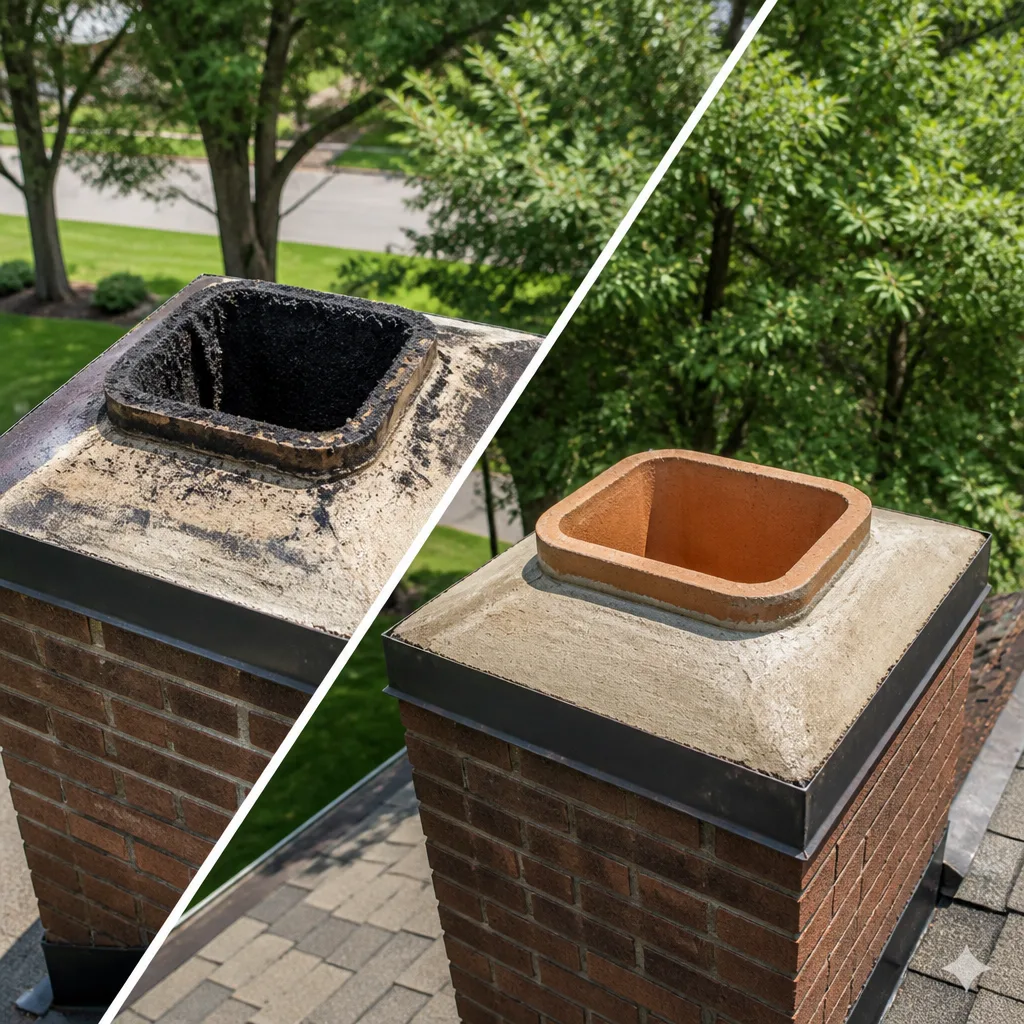
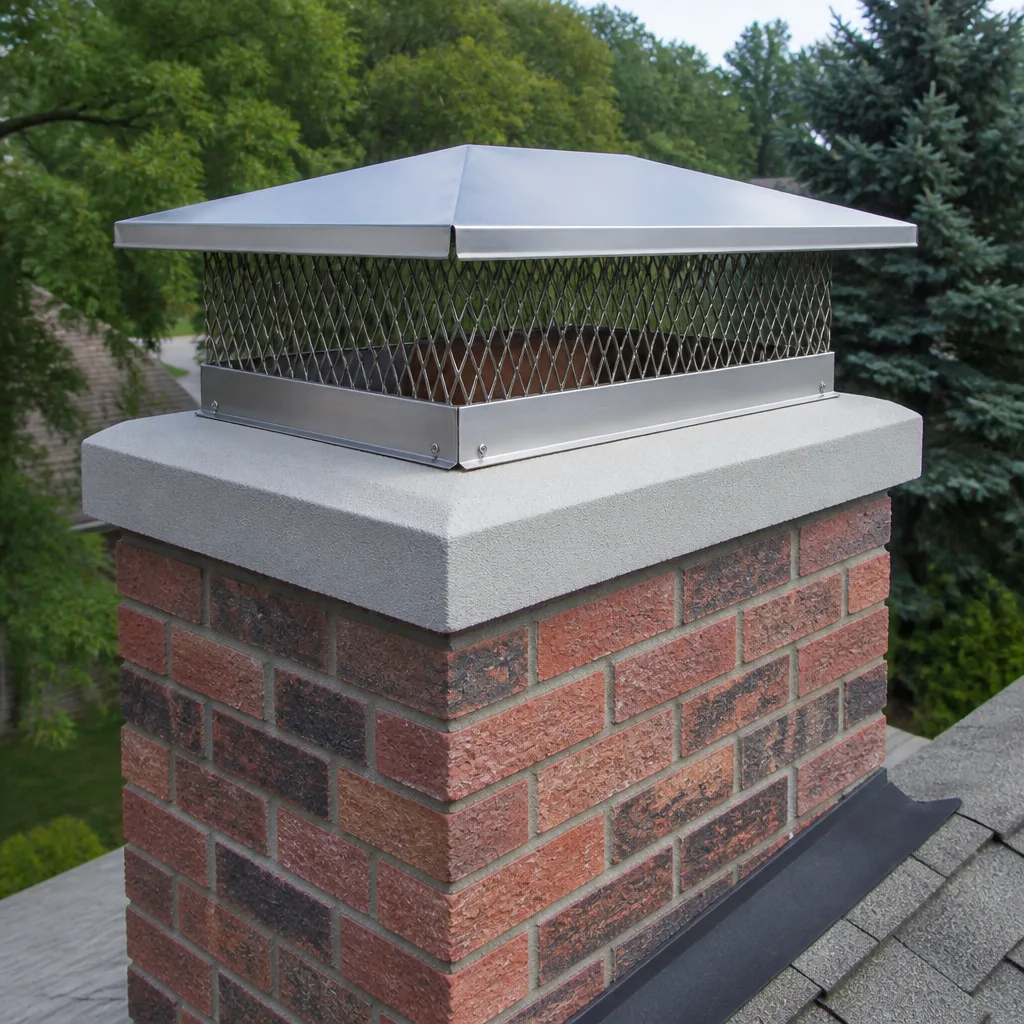
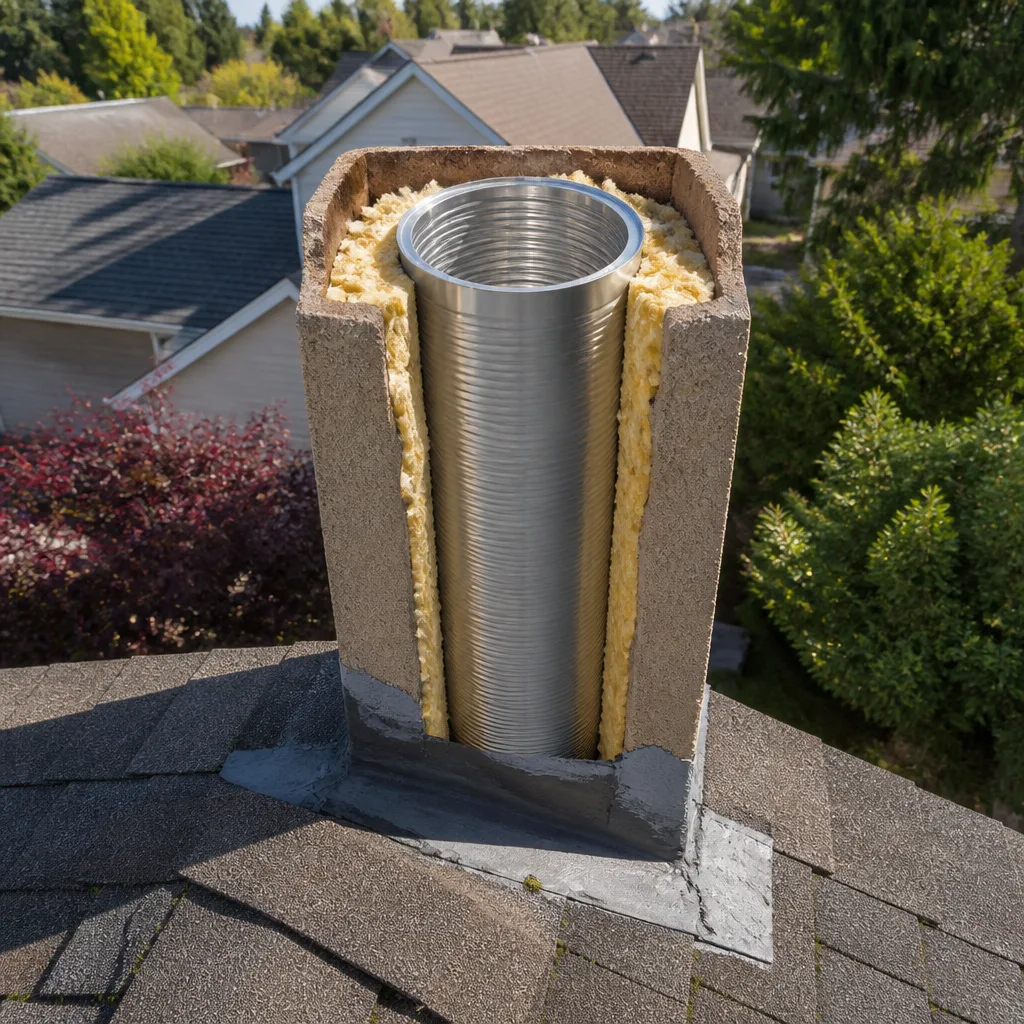
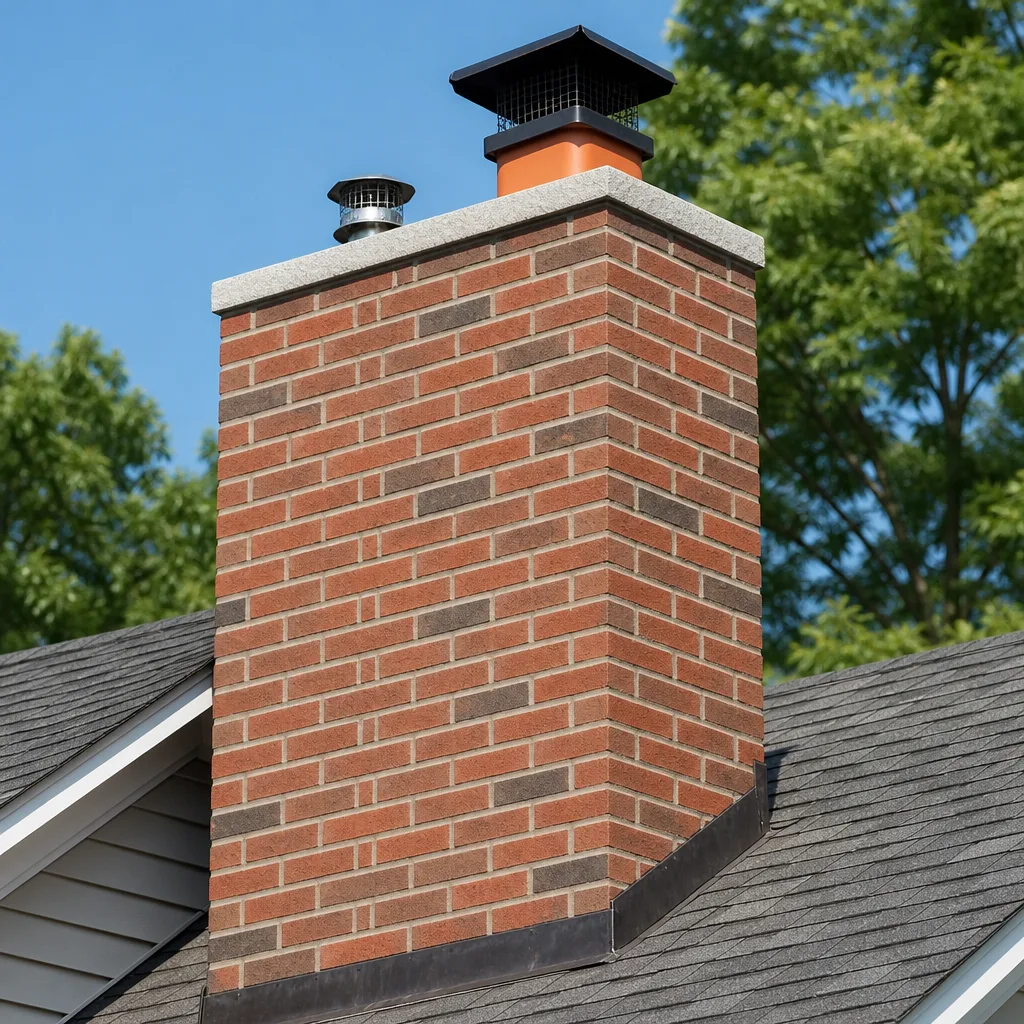
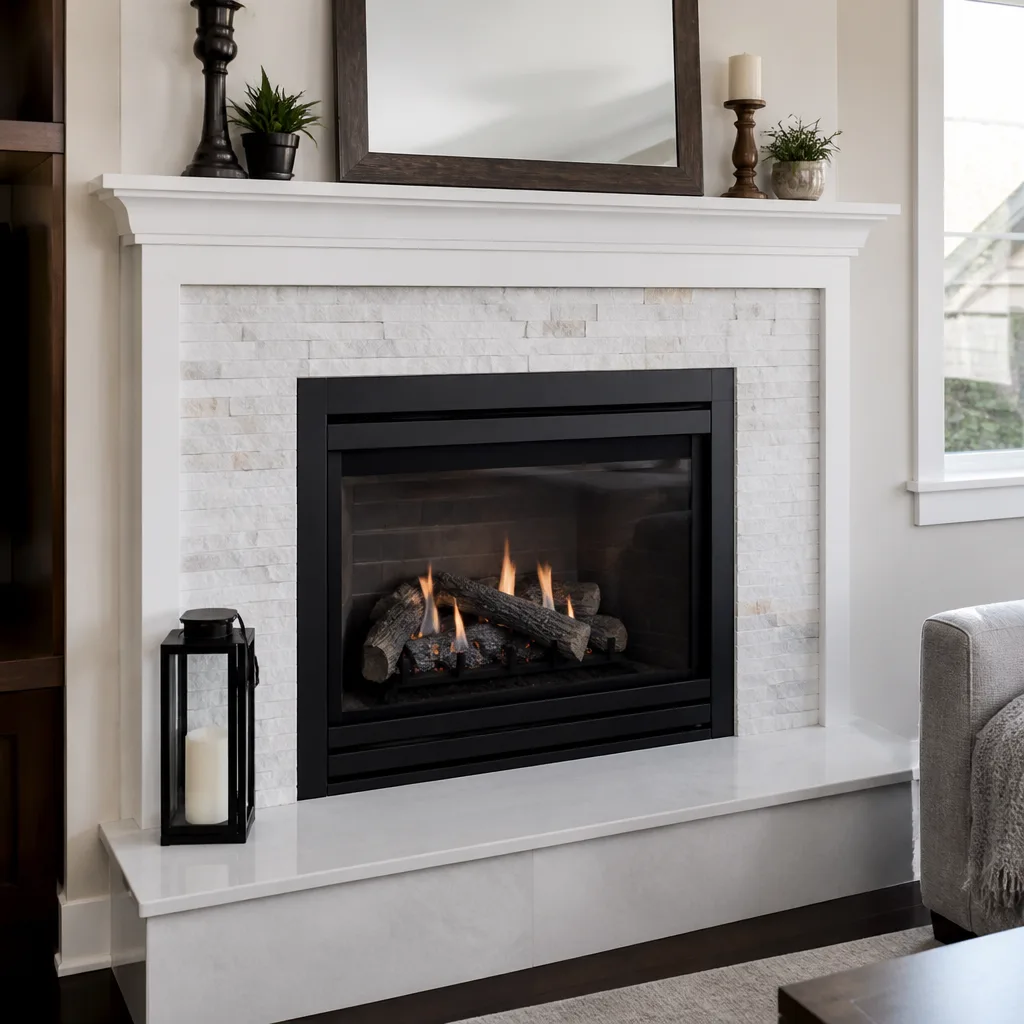
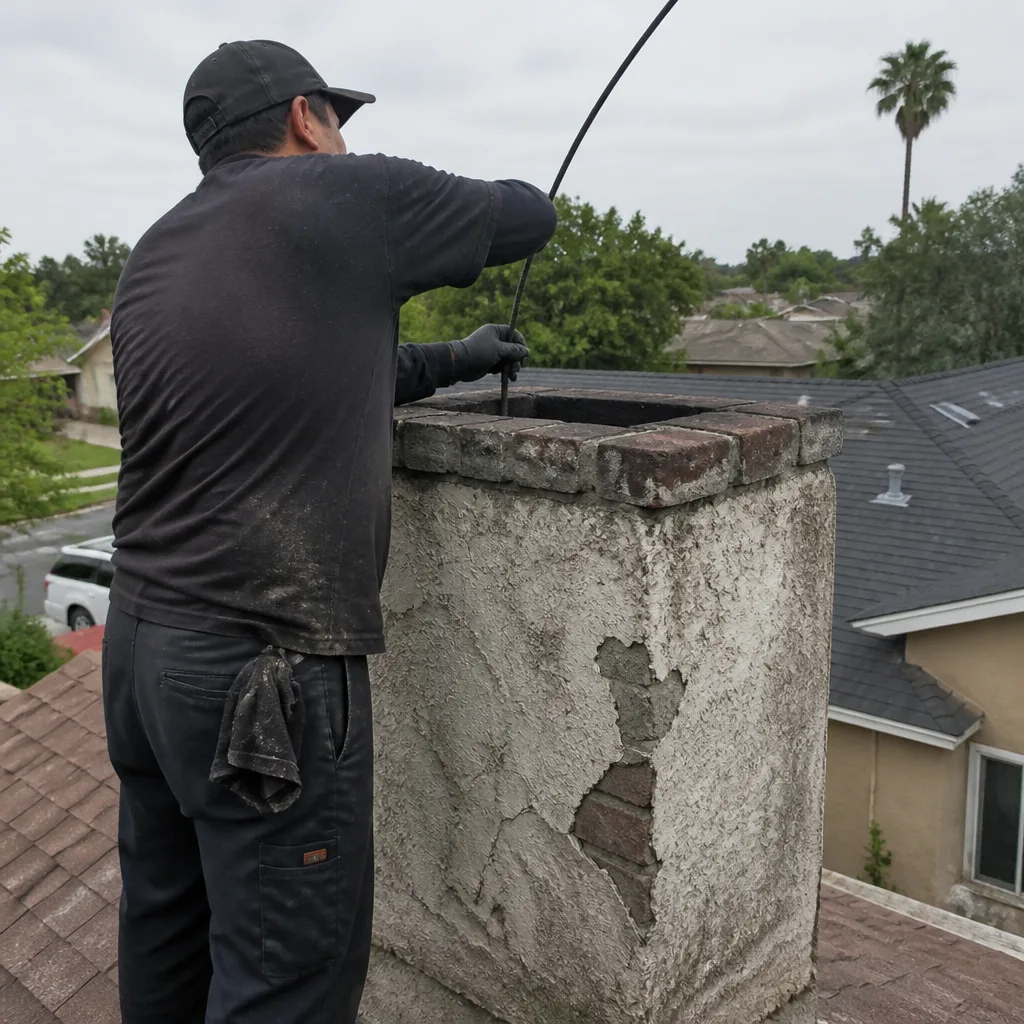 Before
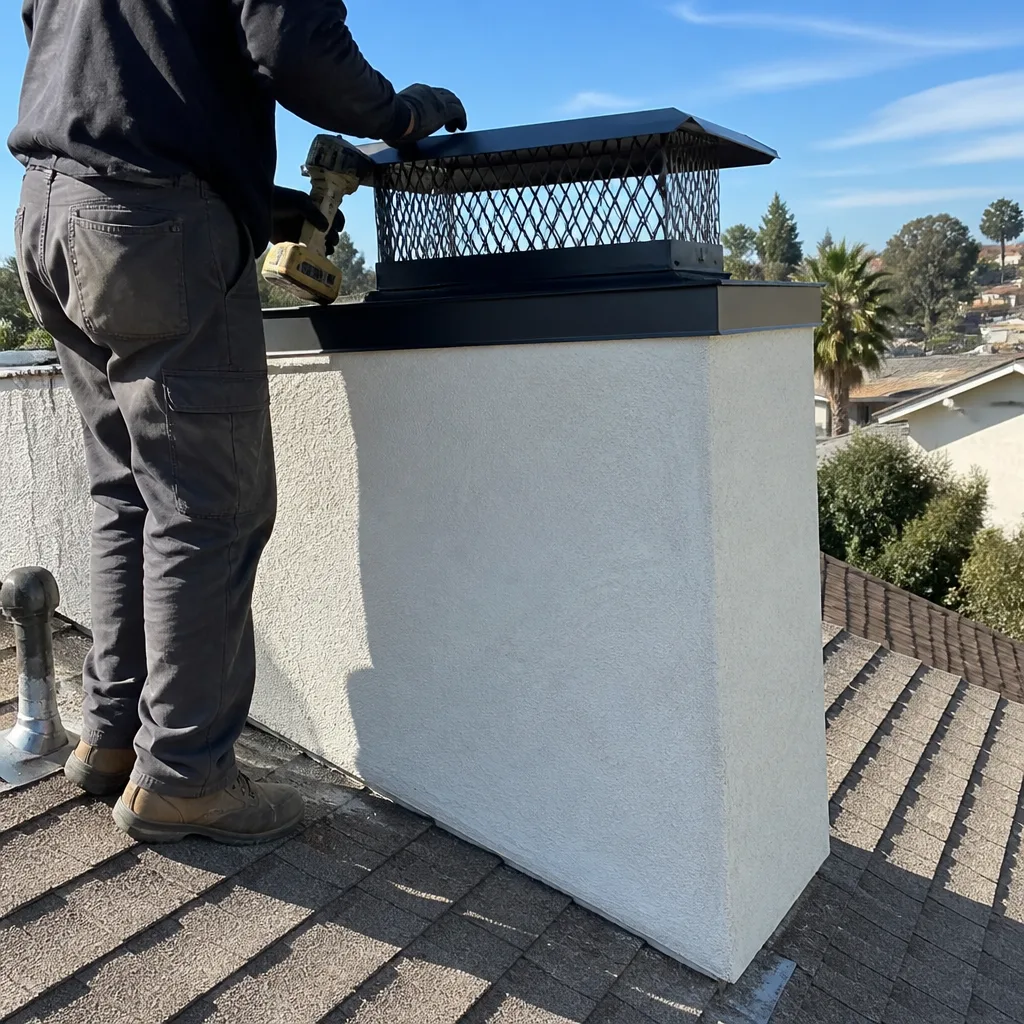 After
After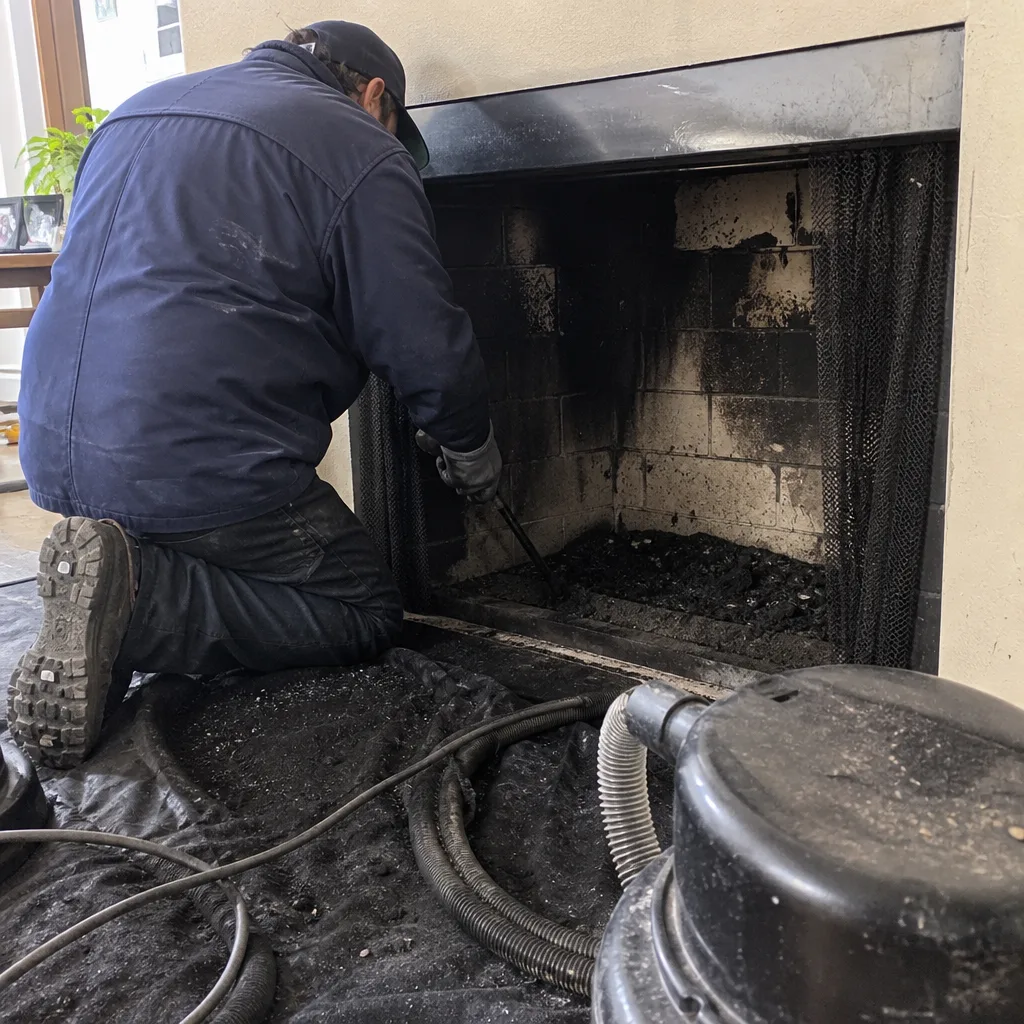 Before
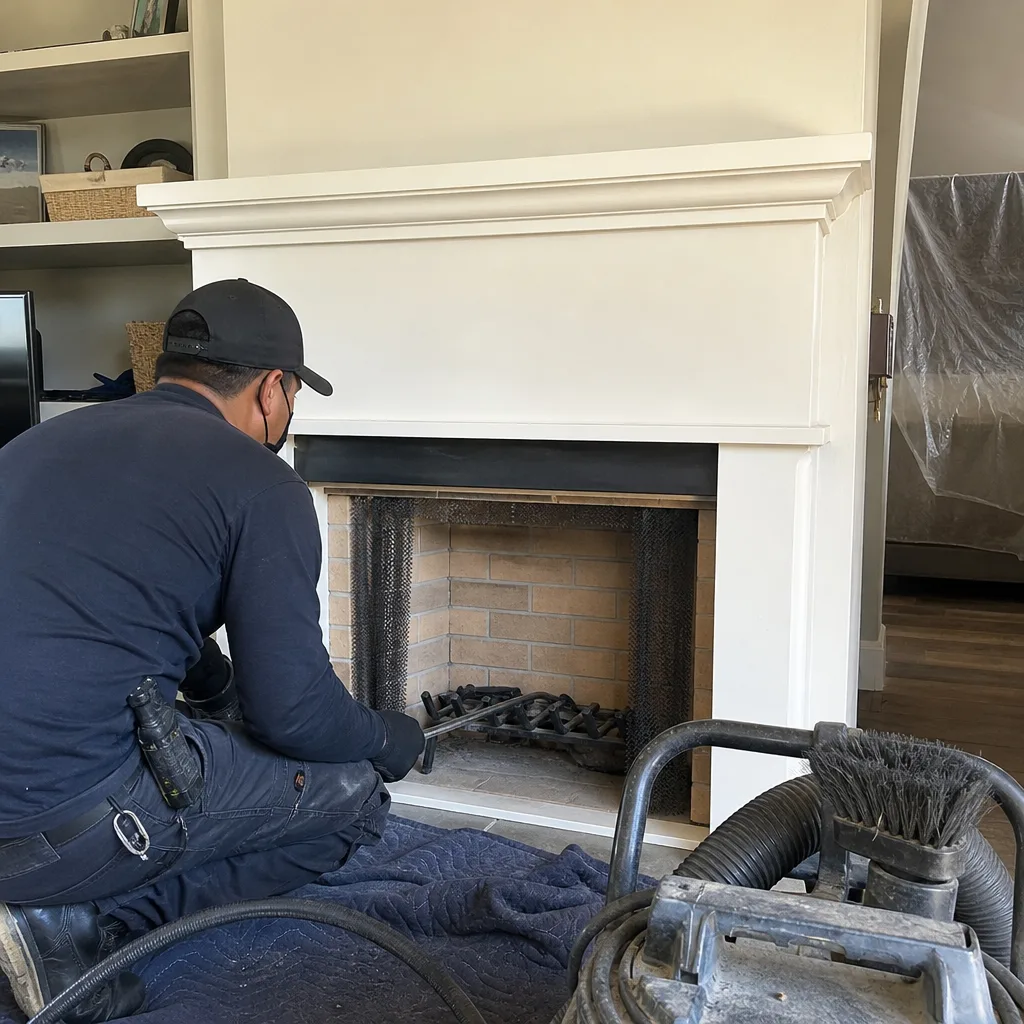 After
After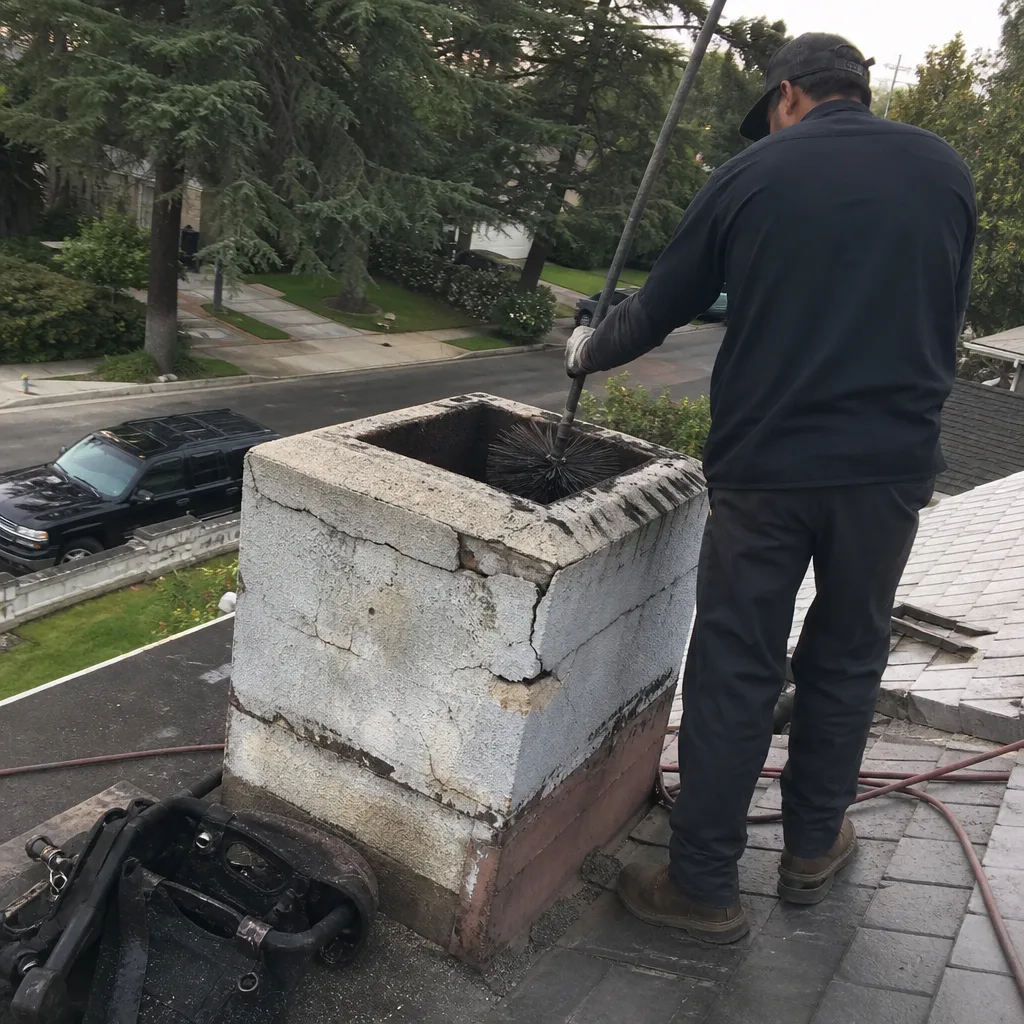 Before
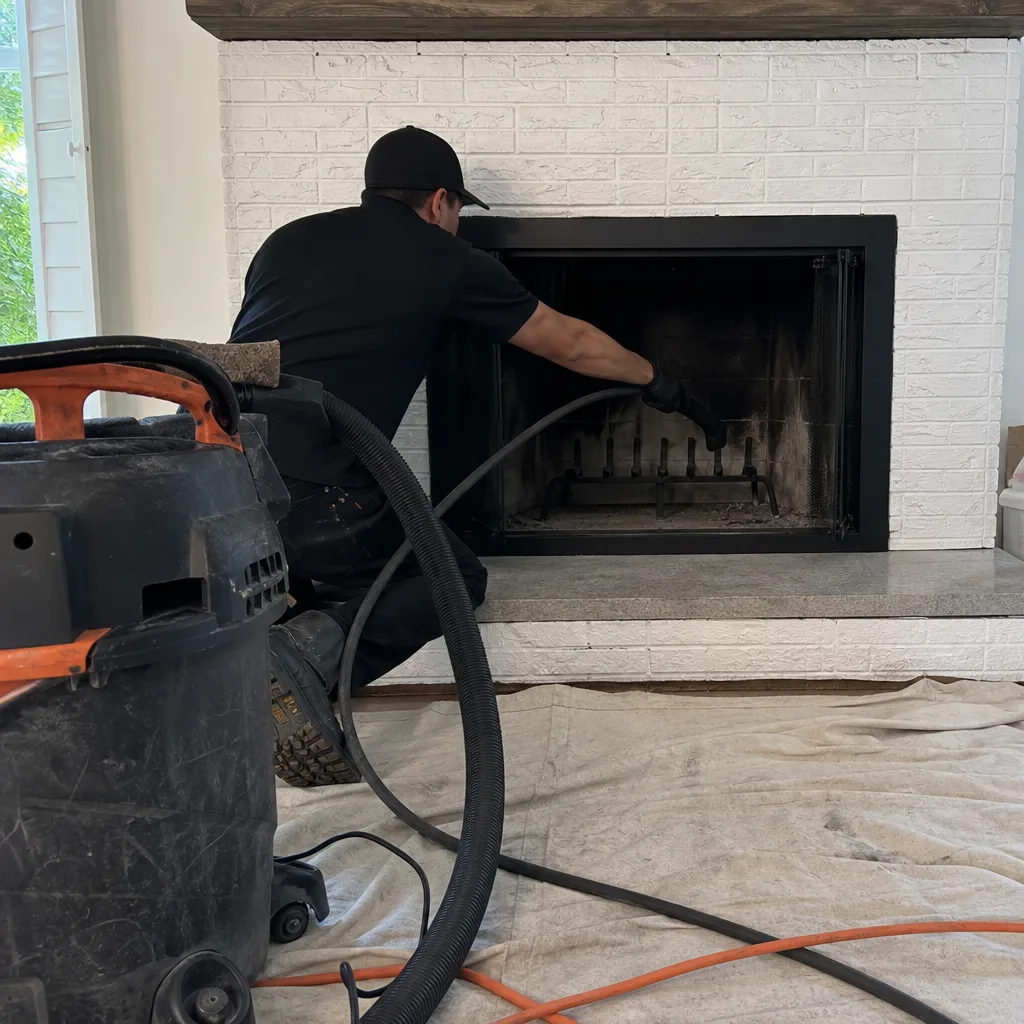 After
AfterThe Complete Chimney Inspection Guide for Los Angeles Homeowners
After the 1994 Northridge earthquake, inspectors found that roughly 30% of surveyed chimneys had structural damage that wasn’t visible from the exterior – and those chimneys were in use until someone looked inside. In Los Angeles, where seismic risk, mild winters, and a housing stock heavy on prefab fireplaces create a unique risk profile, most homeowners don’t know what a proper chimney inspection actually covers or which of the three NFPA inspection levels their situation demands. This guide walks you through exactly what each level involves, what Los Angeles conditions do to chimneys over time, how to read an inspection report like a professional, and how to use that report whether you’re buying, selling, or staying put. For more guides & resources, visit our blog.
Quick Answer
Chimney Inspection services in Los Angeles evaluate the full venting system – flue, liner, firebox, damper, crown, and exterior masonry or prefab enclosure – for structural integrity, creosote buildup, and damage from earthquakes, moisture, or wildlife. Most LA homes need a Level 2 inspection, which includes camera examination of the flue interior and costs $200 – $450 depending on accessibility and roof height. A Level 1 visual check ($120 – $180) is only appropriate when the system hasn’t changed and no problems are suspected.
Table of Contents
- NFPA 211 Inspection Levels: What Each Actually Covers
- Why Earthquake History Changes Everything in Los Angeles
- Prefab Fireplace Failure Modes LA Inspectors See Most
- What a Complete Inspection Report Must Include
- Using Your Inspection in an LA Real Estate Transaction
- How Often Should a Los Angeles Chimney Be Inspected?
- Common Mistakes to Avoid
- When to Call a Professional
- Frequently Asked Questions
NFPA 211 Inspection Levels: What Each Actually Covers
The National Fire Protection Association defines three inspection levels, and understanding the difference protects you from both under-inspection and overselling.
Level 1: The Visual Check
A Level 1 inspection examines readily accessible portions of the chimney exterior, interior, and connecting appliance. The technician looks for obstructions, creosote buildup, and basic structural soundness without specialized tools. In Los Angeles, this level is appropriate only when:
- The appliance or venting system hasn’t changed
- No chimney fire, earthquake, or operational problem has occurred
- You’re continuing normal use under unchanged conditions
Typical Los Angeles price range: $120 – $180.
Level 2: The Camera Examination
This is the standard we recommend for virtually every Los Angeles homeowner who hasn’t had a documented inspection in the past 12 months. A Level 2 adds internal camera scanning of the flue liner, examination of accessible attics and crawl spaces, and inspection of the chimney’s exterior from roof level. It catches earthquake micro-fractures, liner gaps, and animal nesting that Level 1 cannot see.
At Chimney Inspection in Los Angeles, we perform Level 2 inspections with written photo documentation and a condition summary. Typical Los Angeles price range: $200 – $450, with two-story homes in hilly neighborhoods like Silver Lake or the Hollywood Hills toward the higher end due to roof access complexity.
Level 3: The Investigative Inspection
Level 3 involves removing components – chimney crowns, interior walls, or surrounding framing – to access concealed areas. It’s required only when a hidden hazard is strongly suspected and cannot be verified otherwise. Think of it as diagnostic surgery, not routine maintenance. Typical Los Angeles starting range: $800 – $1,500+, depending on demolition and restoration needs.
Key distinction: If any Los Angeles home has experienced a 4.0+ magnitude earthquake since its last inspection, NFPA guidance effectively requires Level 2 minimum. The 2019 Ridgecrest sequence, the 2020 Inglewood tremor, and dozens of smaller but significant shakers have created this condition for most LA County homes.
Why Earthquake History Changes Everything in Los Angeles
Los Angeles sits on the Pacific Ring of Fire with over 100 fault lines running through the county. Chimney damage from seismic activity follows patterns that differ from normal weathering.
We’ve inspected chimneys in Pasadena where hairline cracks in the flue liner, invisible from the firebox, had opened gaps allowing exhaust to enter wall cavities. In Sherman Oaks, we found chimney crowns separated from flue tiles by a quarter inch – enough to funnel rainwater directly onto the framing. These are not dramatic collapses. They’re slow, hidden failures that progress until someone looks inside with a camera.
The specific earthquake-related failure modes we document in Los Angeles include:
- Flue liner displacement. Clay tile liners can shift at joints, creating gaps that leak combustion gases. Thermal expansion and contraction after seismic shifting accelerates this.
- Crown separation. The concrete crown at the chimney top can crack or pull away from the flue, allowing water intrusion that destroys masonry from within.
- Foundation settling. Chimneys built on separate foundations from the main structure are especially vulnerable to differential settling after ground shaking.
- Chase pan failure. Prefab chimney chase pans – the metal “roof” over factory-built chimneys – can warp or pull free, creating leaks that rot the surrounding structure.
After any seismic event, even one you slept through, the threshold for inspection drops significantly. A 3.5 magnitude quake centered near your ZIP code warrants attention. A 4.0+ event makes Level 2 inspection prudent regardless of visible exterior condition.
Prefab Fireplace Failure Modes LA Inspectors See Most
Los Angeles housing stock from the 1970s forward relies heavily on zero-clearance prefabricated fireplaces – metal fireboxes with metal flue pipes enclosed in a wooden chase. These systems heat efficiently and install cheaply, but they age differently than masonry and require distinct inspection criteria.
In condos from Downtown to Marina del Rey and tract homes across the San Fernando Valley, we regularly see four prefab-specific problems that masonry-oriented inspectors miss:
- Chase pan deterioration. The metal cap on top of the wooden chase rusts through in 15 – 25 years in LA’s coastal moisture and inland heat cycles. Water enters, the chase framing rots, and the metal flue loses support. We replace chase pans with Gelco or custom-fabricated components that match original specifications.
- Firebox metal fatigue. Repeated heating and cooling cycles crack weld seams and thin the metal. These cracks can allow fire to reach the surrounding framing. Camera inspection from below and visual inspection from above are both required.
- Improper termination clearances. Prefab systems require specific clearances to combustible materials at the roof penetration. Additions, re-roofing, or DIY repairs often violate these without obvious external signs.
- Missing or damaged refractory panels. The simulated brick panels inside the firebox protect the metal shell. Cracked or eroded panels expose the shell to direct flame contact and accelerate metal fatigue.
When we inspect prefab systems, we verify the original manufacturer’s listed clearances and termination requirements. Generic “chimney inspection” without this manufacturer-specific knowledge is incomplete for these systems. We document whether the installation matches listed requirements and flag deviations in writing.
What a Complete Inspection Report Must Include
An inspection without documentation is an opinion. For Los Angeles homeowners – especially those in transactions, insurance disputes, or warranty claims – the written report is the product you’re paying for.
Every complete inspection report should contain these elements:
- System identification. Manufacturer, model, and installation date for prefab systems; construction type, dimensions, and liner material for masonry.
- Condition photographs. Timestamped images of the flue interior, firebox, damper, crown or chase top, and exterior from multiple angles.
- Clear findings with locations. Not “some cracking observed” but “hairline crack in third flue tile from top, east-facing surface, approximately 4 inches long.”
- Code and standard references. Specific NFPA 211 sections or local code requirements that apply to each finding.
- Prioritized recommendations. Immediate safety hazards, maintenance items, and monitoring recommendations, each with timeframes.
- Estimated repair scope and range. Written pricing before any work begins – this is our standard practice, not an upgrade.
Three items that, if missing, mean the inspection wasn’t complete:
- No camera images of the flue interior. Visual firebox inspection alone cannot assess liner condition. Demand to see what the camera saw.
- No written summary of findings. Verbal reports evaporate. Written documentation protects you and creates accountability.
- No clear statement of inspection level performed. If the report doesn’t state “Level 1,” “Level 2,” or “Level 3,” you cannot verify whether the scope matched your need.
At Alcott Chimney Sweep home, every Level 2 inspection includes a photo report with these elements, plus our written price for any recommended work before you decide. Our Chimney Sweep in Los Angeles service follows the same documentation standard.
Using Your Inspection in an LA Real Estate Transaction
Los Angeles real estate moves fast, and chimney conditions create negotiation leverage that most buyers and sellers underuse. The inspection report becomes a transactional document when you know how to read it strategically.
Seller-Repair Items
These findings typically become seller responsibilities in LA purchase negotiations:
- Active water intrusion. Stains, efflorescence, or rusted components indicating current leaks that threaten structural elements.
- Blocked or obstructed flue. Bird nests, collapsed liner sections, or significant creosote deposits that render the system unusable.
- Carbon monoxide pathway hazards. Any condition that could allow exhaust gases into living spaces, including disconnected flue sections or significant liner gaps.
- Missing or non-functional components. Dampers that won’t close, missing spark arrestors, or absent chimney caps required by local code.
Buyer-Acceptance Items
These conditions are typically disclosed but don’t trigger repair obligations:
- Historical repairs done correctly. A HeatShield liner resurfacing from 2018 with documentation is a selling point, not a defect.
- Normal wear within expected lifespan. A clay tile liner at year 40 of a 50-year expected life, with no active damage, is information, not a demand.
- Cosmetic exterior staining. Efflorescence from past moisture that has been resolved doesn’t require action unless active leakage is documented.
The critical distinction: buyer-acceptance items should still be documented in your purchase file. If the liner fails in year three of ownership, you’ll want to prove the condition was disclosed, not hidden. For sellers, commissioning your own Level 2 inspection before listing eliminates surprise findings that derail escrow. In competitive LA markets, a clean inspection report with documentation can justify asking price and accelerate closing.
How Often Should a Los Angeles Chimney Be Inspected?
NFPA 211 recommends annual inspection for all chimney systems, regardless of use frequency. In Los Angeles, this baseline shifts based on specific local conditions.
Annual inspection is essential when:
- You burn wood, even occasionally during “sweater weather” weeks
- You experienced any seismic activity in the past 12 months
- Your home is 25+ years old with original chimney components
- You’re in a coastal zone (Santa Monica, Venice, San Pedro) where salt air accelerates metal corrosion
Biennial inspection may suffice when:
- You use a gas fireplace exclusively, with no wood burning
- The system is under 10 years old with documented prior inspections
- No seismic events have occurred since last inspection
- You’ve had no operational problems (smoke backup, odors, draft issues)
Gas systems still require inspection. We’ve found deteriorated gas log sets creating soot deposits, failed thermocouples creating ignition hazards, and venting blockages from deteriorated chase materials. Our Gas Fireplace Repair in Los Angeles service addresses these specifically.
The “I never use it” homeowner is often the most at-risk. Unused chimneys become homes for birds, squirrels, and raccoons. Nesting materials block vents. Deterioration progresses unseen. An annual inspection catches these before they become emergency situations.
Common Mistakes to Avoid
- Hiring based on lowest price without verifying inspection level. A $99 “inspection” that’s only Level 1 visual check misses the conditions that matter most in earthquake country. Ask explicitly: “Will you camera-scan the flue interior?”
- Assuming a home inspection covers the chimney. General home inspectors visually examine chimneys from ground level or roof edge. They do not camera-scan flues, evaluate liner condition, or assess prefab system clearances. This is specialist work.
- Ignoring prefab-specific requirements. Treating a zero-clearance fireplace like masonry leads to incorrect repair recommendations and potential safety violations. Verify your technician understands your system’s manufacturer specifications.
- Accepting verbal findings. Without written documentation, you have no recourse if problems emerge later and no leverage in real estate transactions. Every finding should be in writing with photographic evidence.
- Delaying inspection after seismic events. The 2019 Ridgecrest earthquakes damaged chimneys across a wide radius. Many homeowners who felt only light shaking discovered significant liner displacement months later when they lit their first winter fire.
- Neglecting the chase pan on prefab systems. This single component fails predictably and causes cascading damage. Annual visual check of the chase top from roof level or with a pole camera prevents $3,000+ chase rebuilds.
- Using unverified contractors. In Los Angeles, anyone with a truck and ladder can claim chimney expertise. Verify background checks, identity verification, and trade-specific training before allowing roof access.
When to Call a Professional
Call for inspection promptly when you notice smoke backup into the room, unusual odors during fireplace use, visible exterior cracks or leaning, water stains on walls or ceilings near the chimney, or animal sounds from the flue. After any earthquake you feel, or upon learning of significant seismic activity nearby, schedule Level 2 inspection regardless of visible condition.
For Los Angeles homeowners buying or selling property, commission your own Level 2 inspection rather than relying solely on the other party’s report. Independence matters when thousands of dollars in negotiations hang on the findings.
Alcott Chimney Sweep offers free estimates in Los Angeles – call (336) 863-3889. Every technician is Threshold Verified: background-checked, identity-verified, and announced to you by name and photo before arrival. You’ll know exactly who is coming before that person reaches your door.
Frequently Asked Questions
Level 1 visual inspections typically run $120 – $180, Level 2 camera examinations range $200 – $450 depending on roof height and access difficulty, and Level 3 investigative inspections start around $800 and scale with demolition and restoration needs. Two-story homes in hilly neighborhoods like the Hollywood Hills or Pacific Palisades fall toward the higher end due to roof access requirements. Call (336) 863-3889 for an exact quote – estimates are free.
A legitimate liner recommendation comes with camera images showing cracks, gaps, or deterioration, plus a clear explanation of why the existing condition creates a hazard. At Alcott Chimney Sweep, we show you the camera footage and explain the finding before recommending any repair. Nothing is suggested without visual evidence you can see for yourself, and you’ll receive a written price before any work begins. If an inspector recommends liner replacement without showing you the damage, seek a second opinion.
Inspection is annual; sweeping frequency depends on use. The Chimney Safety Institute of America recommends sweeping when creosote buildup reaches 1/8 inch. For occasional Los Angeles wood burners (10 – 20 fires per season), this typically means sweeping every 1 – 3 years. Frequent burners need annual or more frequent sweeping. Gas fireplaces require inspection but not sweeping unless soot deposits are found.
Undetected creosote buildup creates chimney fire risk. Hidden liner damage from past earthquakes can allow carbon monoxide into living spaces or spark fires in wall cavities. Water intrusion from failed crowns or chase pans destroys surrounding structure, often invisibly until repair costs multiply. In Los Angeles specifically, seismic damage progresses from minor to major when unaddressed. The cost of annual inspection is a fraction of emergency repair or health consequences. Call (336) 863-3889 to schedule – estimates are free.
Sweeping removes creosote, debris, and obstructions. Inspection evaluates system condition, identifies hazards, and documents findings. These are distinct services, though they often occur together. A technician can sweep without inspecting (not recommended) or inspect without sweeping (appropriate when the system is clean but condition is unknown). At Alcott Chimney Sweep, we perform both services with equal documentation standards.
Homeowners can check for obvious exterior damage, ensure damper operation, and verify cap presence. Internal flue evaluation requires specialized camera equipment, roof access training, and knowledge of code requirements. In Los Angeles, where earthquake damage and prefab-specific failure modes create complex conditions, professional inspection provides documentation and expertise that DIY examination cannot replicate. For safety-critical systems, professional evaluation is the prudent choice.
The Bottom Line
In Los Angeles, chimney inspection is earthquake preparedness, not just fire prevention. For more details, see our Complete Chimney Sweep Guide for Los Angeles Homeowners. The three NFPA levels exist because different conditions demand different scrutiny – and most LA homes need Level 2 with camera documentation. Prefab fireplaces, which dominate post-1970 construction, fail in ways masonry inspections miss. Written reports with photographs protect your health, your transaction, and your warranty claims. Schedule based on use, age, and seismic history, not just calendar convenience. And verify that your technician’s credentials match the accountability you expect before they set foot on your roof.
Written by Ruben Castellano, Owner at Alcott Chimney Sweep, serving Los Angeles since 2002.