
Last updated October 9, 2026
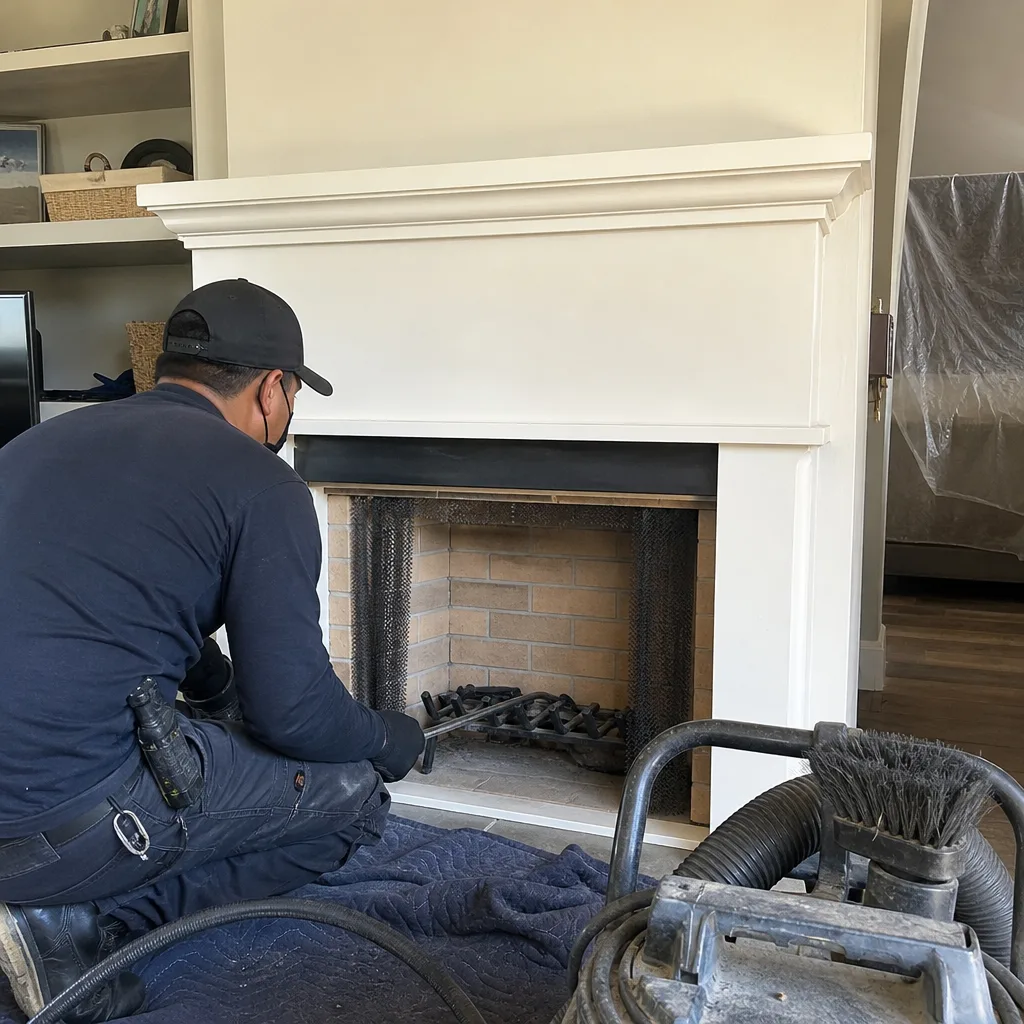
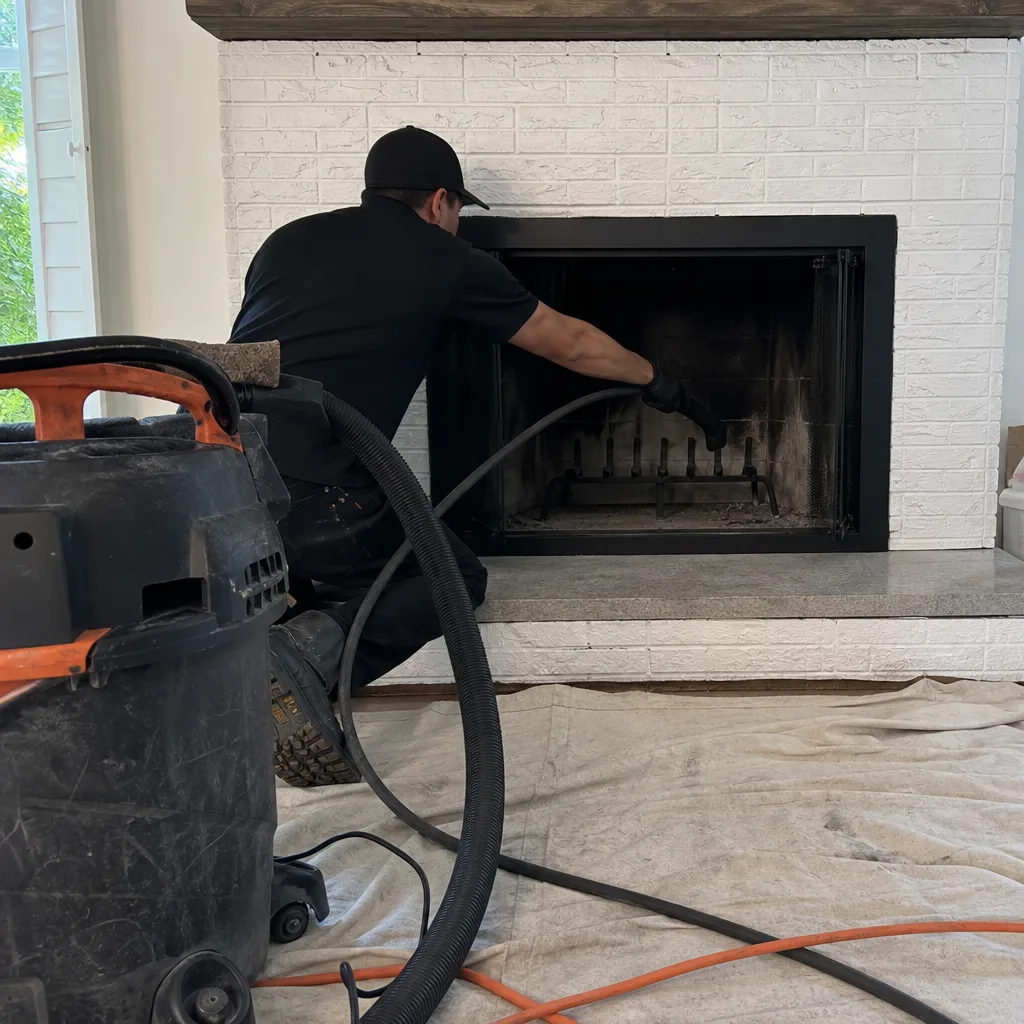
Level 1 sweep and inspection to the NFPA 211 annual standard - flue, crown, cap, and flashing checked and photographed
Chimney sweep logs do not sweep chimneys. They loosen some creosote - which then falls where a brush and vacuum still have to collect it.
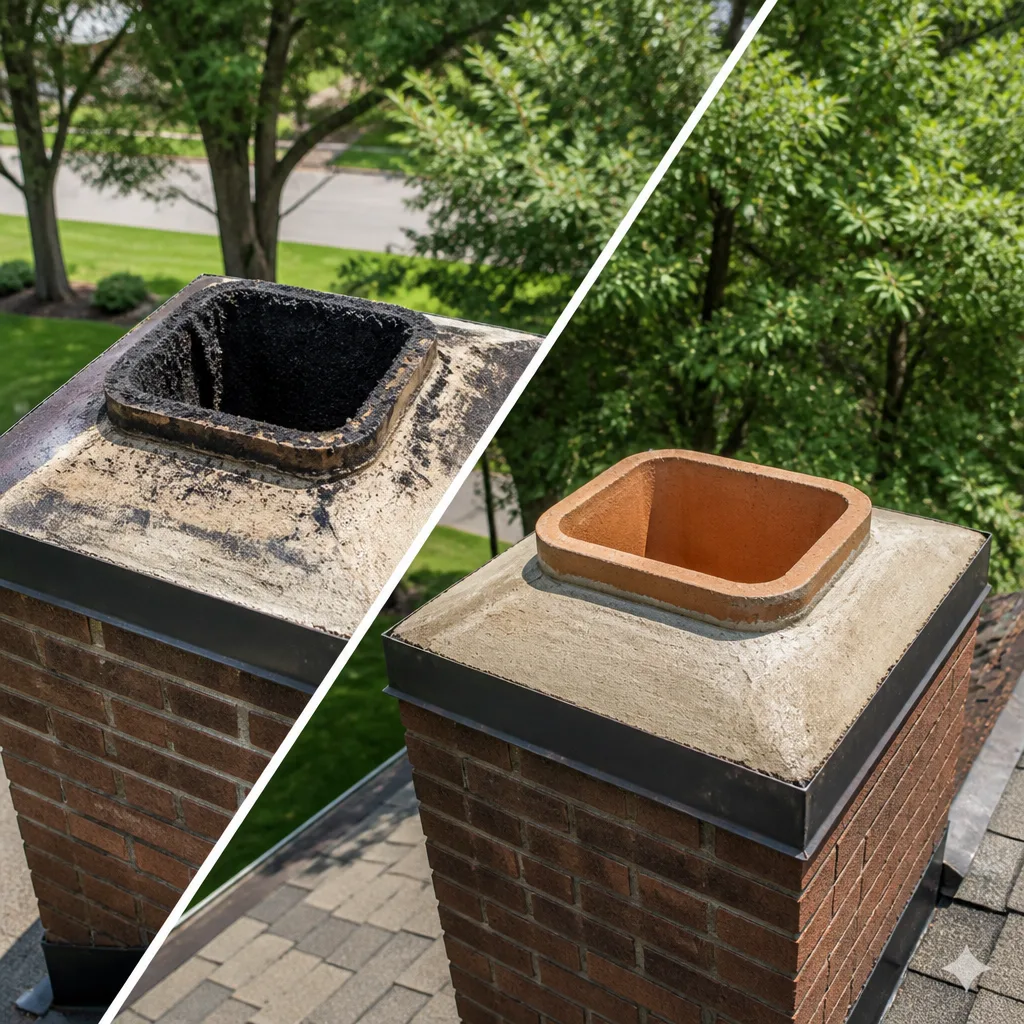
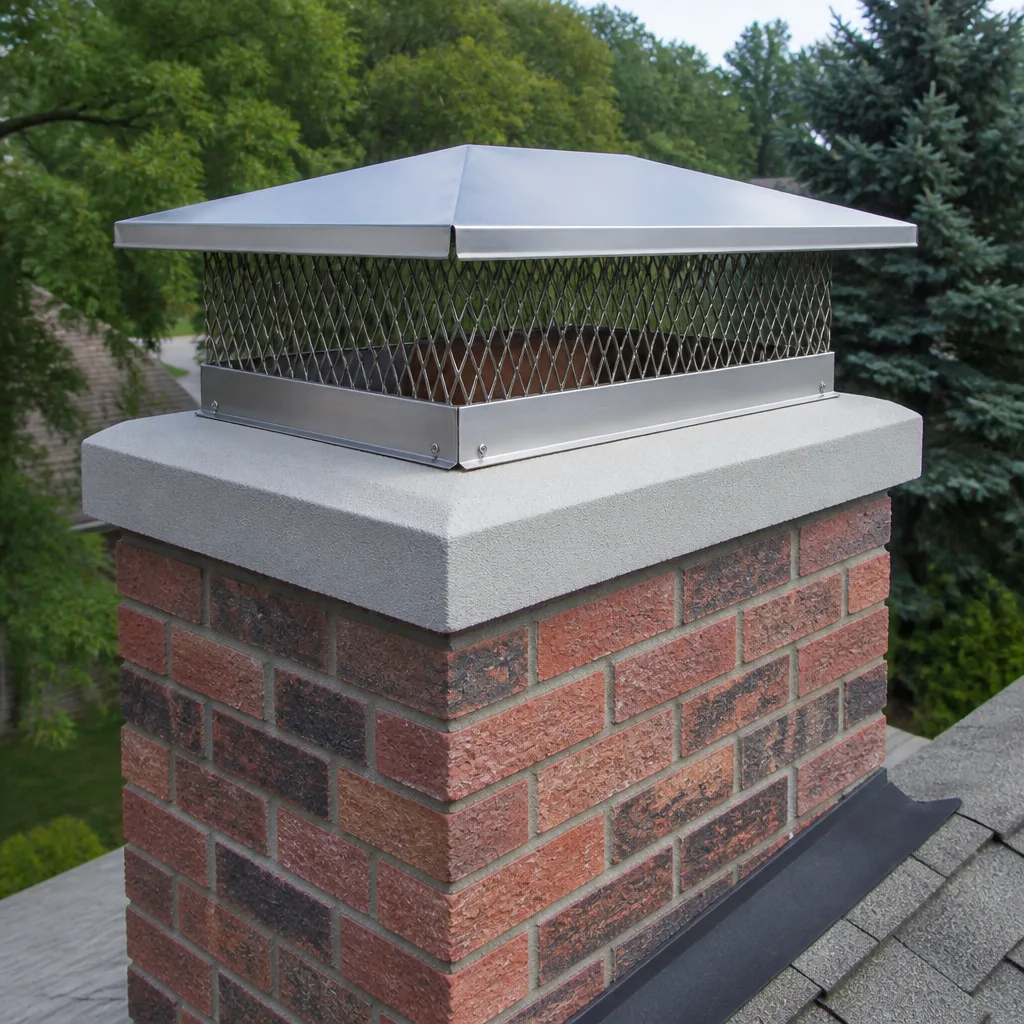
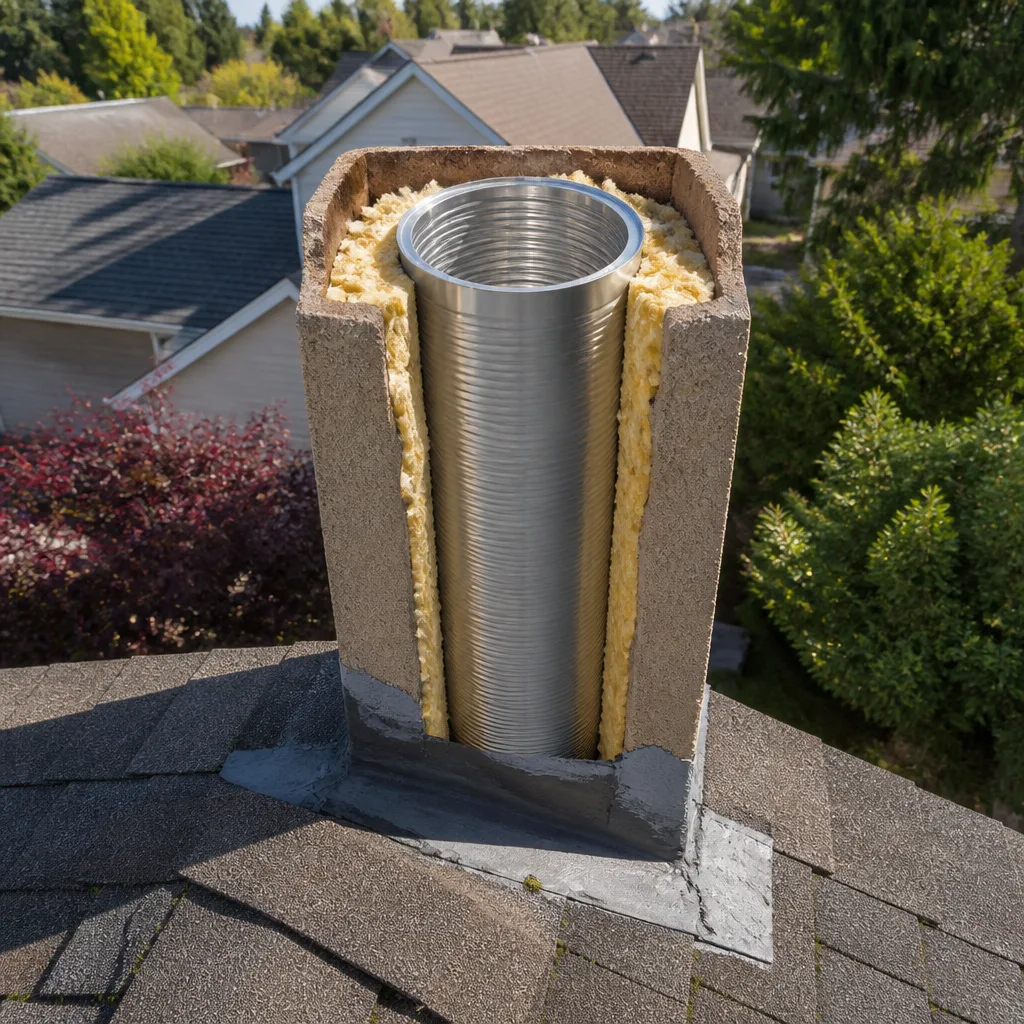
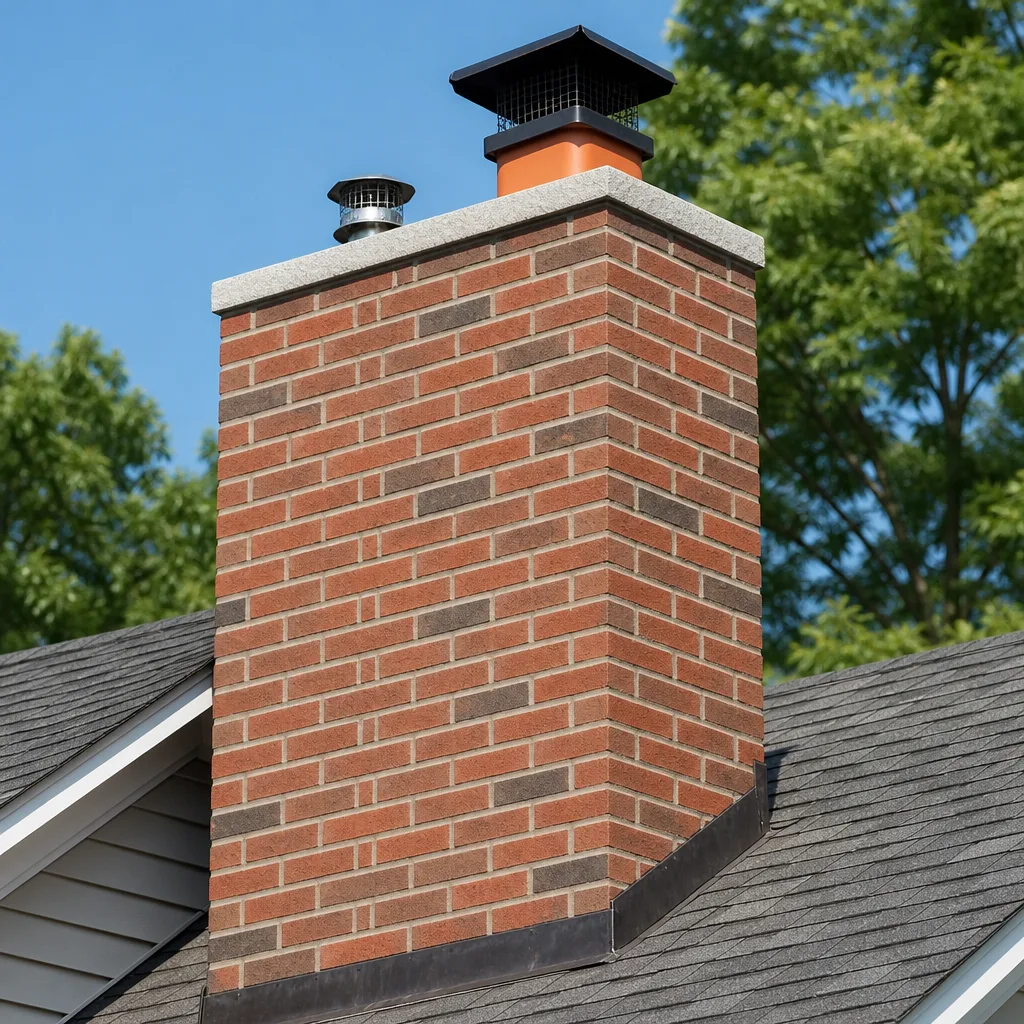
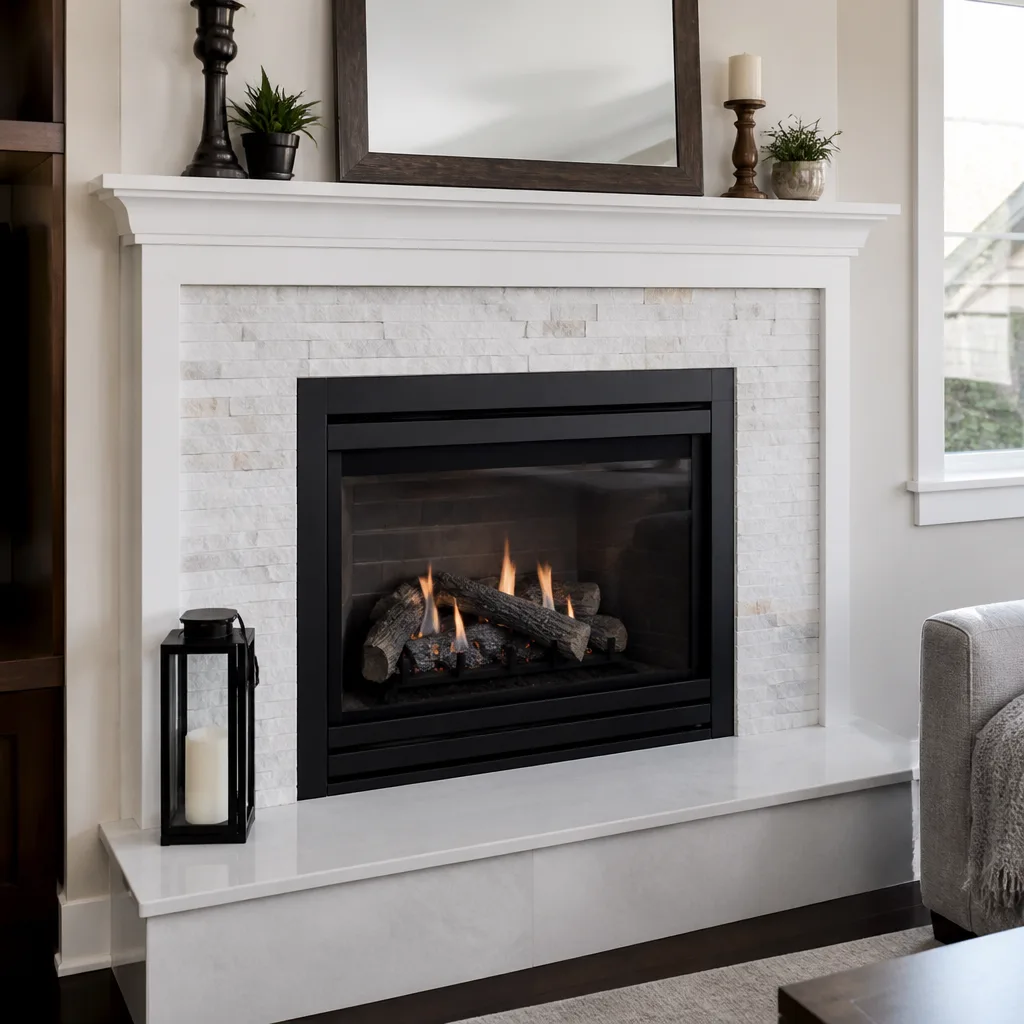
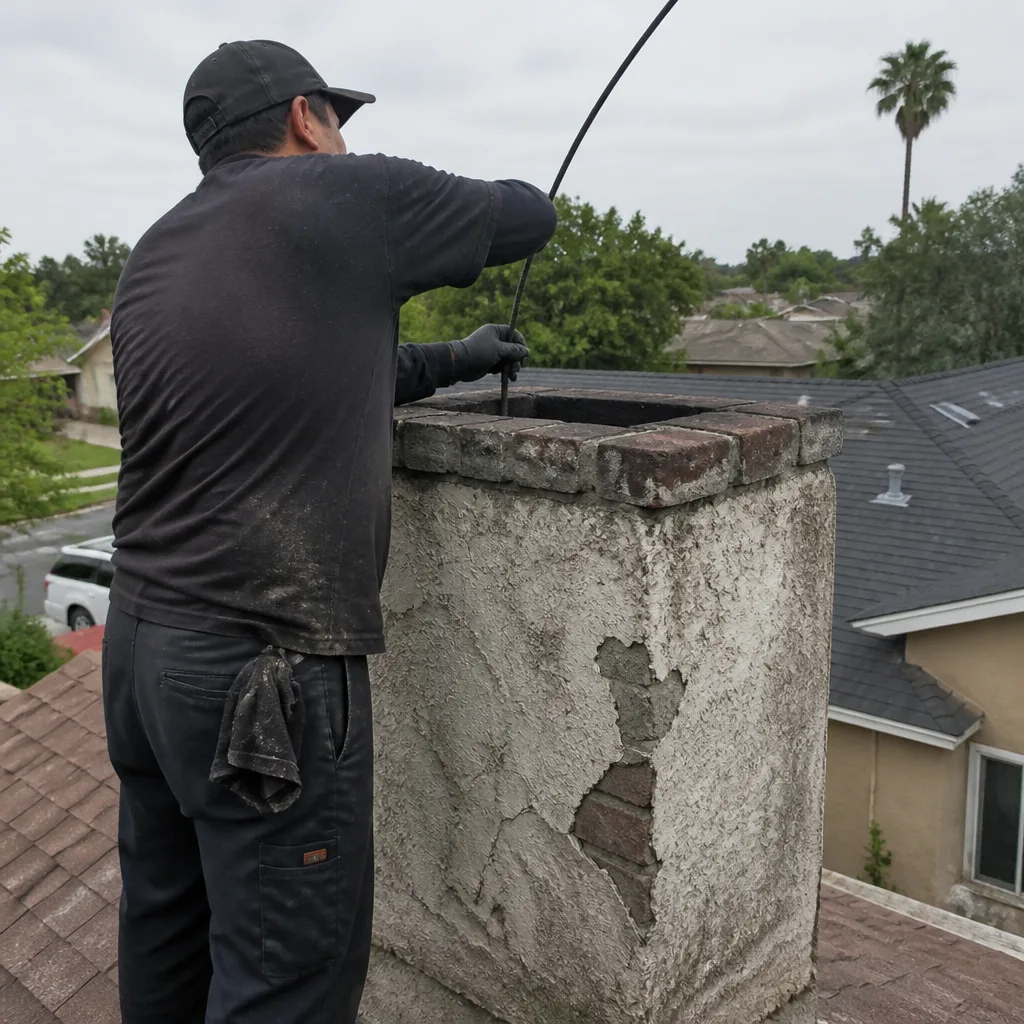 Before
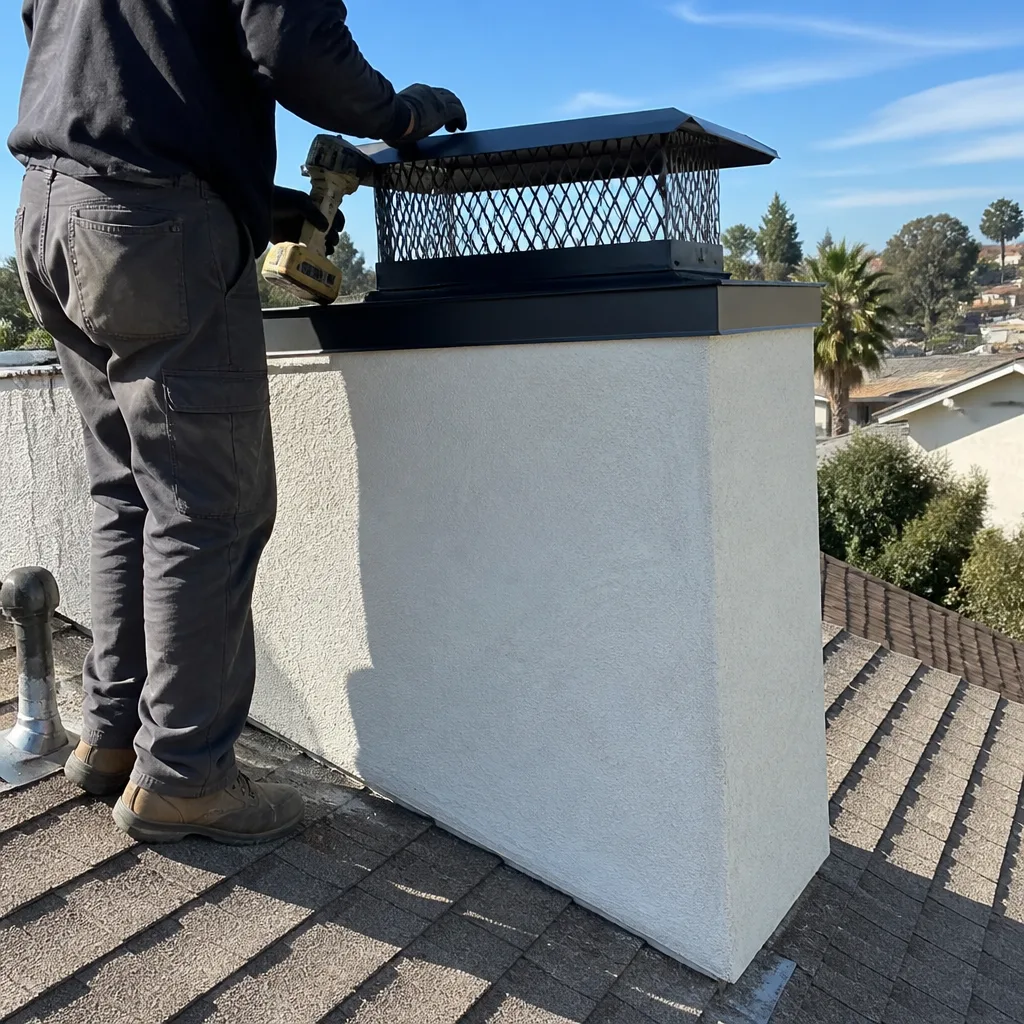 After
After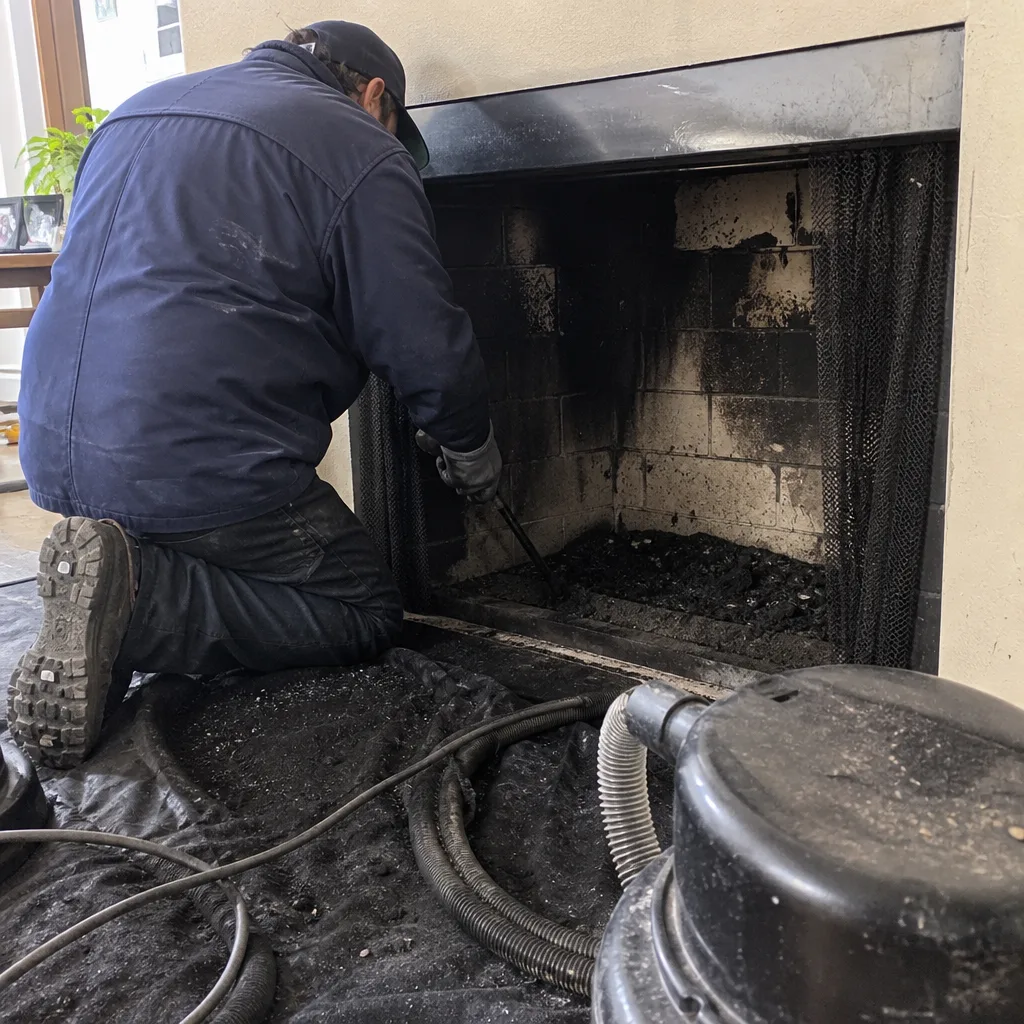 Before
 After
After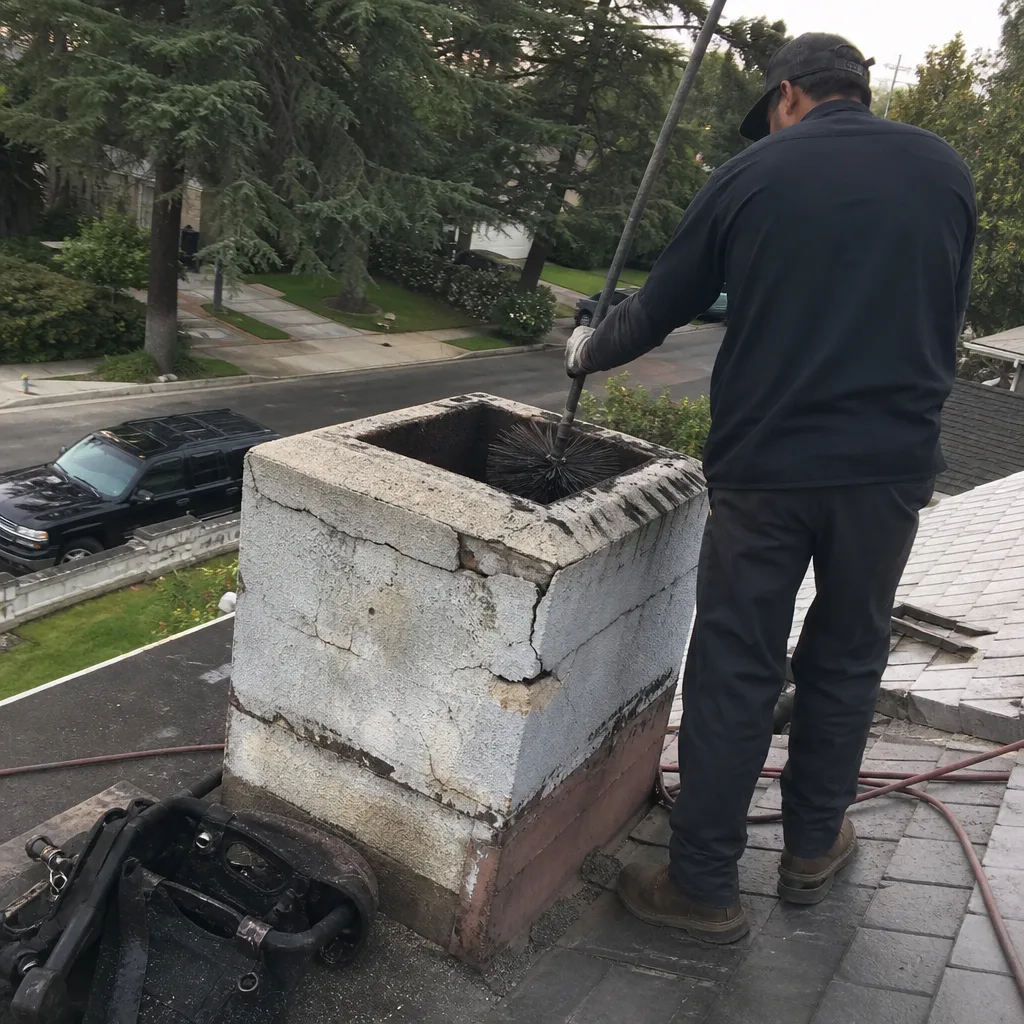 Before
 After
AfterHow Long Does Gas Fireplace Repair Take? Timelines and What to Expect
Here’s something most Los Angeles homeowners don’t realize until they’re staring at a cold hearth in December: the actual repair work on your gas fireplace might take 45 minutes, but the total project can stretch to three weeks. We’ve been doing gas fireplace repair in Los Angeles since 2002, and the single biggest source of frustration isn’t the complexity of the fix – it’s the gap between how long the technician works and how long your fireplace stays out of service. In this guide, we’ll break down what drives each timeline independently, which repairs can finish same-day, and the specific questions to ask before booking that separate a quick fix from a multi-week ordeal.
Quick Answer
Most Gas Fireplace Repair services in Los Angeles take 1 to 3 hours of actual technician labor, but the total project duration ranges from same-day to 3 weeks depending entirely on parts availability. Repairs using stocked components (thermocouples, thermopiles, basic valves) finish in a single visit; repairs requiring discontinued OEM parts for 1990s inserts common in Encino, Sherman Oaks, and Pasadena hillside homes typically wait 7-14 days for sourcing.
Table of Contents
- Labor Time vs. Total Project Duration: Two Different Questions
- Same-Day Repairs: What Can Be Fixed in One Visit
- Parts-Dependent Repairs: Realistic Timelines by Component
- The Los Angeles Parts Challenge: Discontinued Models and Regional Supply
- How to Shorten Your Timeline: Questions to Ask Before Booking
- What Your Technician Can Do on the First Visit
- How Repair Type Affects Cost and Scheduling in Los Angeles
- Common Mistakes to Avoid
- When to Call a Professional
- Frequently Asked Questions
- The Bottom Line
Labor Time vs. Total Project Duration: Two Different Questions
Homeowners ask “how long does repair take” and technicians answer with bench-time estimates. Both are correct, and both miss the point.
The labor time – how long a technician’s hands are on your fireplace – follows predictable patterns. A thermocouple replacement takes 30-60 minutes. A gas valve swap runs 45-90 minutes. A full burner assembly rebuild might stretch to 3 hours. These numbers assume access is straightforward and the unit isn’t built into custom millwork.
But total project duration includes diagnostic scheduling, parts identification, ordering, shipping, and return scheduling. In Los Angeles, where many homes in neighborhoods like Brentwood, Pacific Palisades, and the Hollywood Hills contain fireplaces installed during the 1980s and 1990s building boom, that second timeline dominates the first.
Here’s the breakdown we use with every customer:
| Phase | Typical Duration | Homeowner Control |
|---|---|---|
| Initial diagnostic visit | 1-2 hours | Schedule at your convenience |
| Parts identification & sourcing | Same day to 2 weeks | Depends on model age and parts network |
| Parts shipping to Los Angeles | 1-5 business days | None – regional distributor dependent |
| Return repair visit | 1-3 hours labor | Schedule after parts arrive |
The key insight: you can control scheduling, but you cannot control whether your 1994 Heat-N-Glo insert has a valve still in production. That’s why the questions you ask before booking matter more than the calendar date you pick.
Same-Day Repairs: What Can Be Fixed in One Visit
Certain repairs require no ordered parts and finish in a single appointment. These represent roughly 40% of the service calls we handle in the Los Angeles area, particularly for units manufactured after 2005 with standardized components.
Repairs typically completed same-day:
- Thermocouple replacement – The safety sensor that confirms your pilot flame is lit. These are universal-fit items we stock on every truck. 30-60 minutes.
- Thermopile replacement – Generates the millivoltage to open your gas valve. Another stocked standard. 45-75 minutes.
- Pilot assembly cleaning or adjustment – Often the issue is debris, spider webs, or misalignment rather than part failure. 30-45 minutes.
- Basic control module reset or replacement – For newer units with readily available modules. 60-90 minutes.
- Log set repositioning and burner port cleaning – Cosmetic and performance issues that don’t require parts. 45-60 minutes.
Same-day repairs share one characteristic: the technician carries the replacement component. At Alcott Chimney Sweep, our trucks are stocked with thermocouples, thermopiles, and common valves for major manufacturers. But “common” is doing heavy lifting here. A Robertshaw 7000 series valve for a basic millivolt system? Likely on the shelf. A proprietary SIT valve for a European import installed in a 1992 Santa Monica condo? That’s a different conversation.
The Los Angeles climate plays a role too. Our mild winters mean many fireplaces see intermittent use – turned on for December through February, then ignored. That pattern creates a specific failure mode: components that worked fine in March seize by November. The good news is these are often cleaning and adjustment issues, not part failures. The bad news is homeowners discover this only when cold weather arrives and every chimney company in Los Angeles is booked solid, which is why our Seasonal Chimney Cleaning Care for Los Angeles: Year-Round Homeowner’s Guide recommends off-season maintenance.
Parts-Dependent Repairs: Realistic Timelines by Component
When a repair requires ordered parts, the timeline extends based on three factors: manufacturer support, distributor inventory, and shipping distance to Los Angeles.
Gas valve replacement
Labor: 45-90 minutes. Total project: 3 days to 3 weeks.
Standard millivolt valves for current production units ship in 2-3 business days from regional warehouses in Ontario or Bakersfield. Discontinued valves for 1990s inserts require cross-referencing, aftermarket sourcing, or fabrication – each adding days. We’ve seen homeowners in Los Feliz wait 18 days for a specific Heat-N-Glo valve that crossed three distributor warehouses before reaching our supplier.
Burner assembly replacement
Labor: 1.5-3 hours. Total project: 5 days to 4 weeks.
Complete burner assemblies are model-specific and rarely stocked. For units still in production, 5-7 business days is typical. For discontinued models, we often need to verify the exact part number against the unit’s data plate, then search salvage networks or contact the manufacturer directly. Some 1980s Majestic units in older Pasadena homes have no replacement burner available; the solution becomes a complete insert replacement, which is a different project entirely.
Firebox or refractory panel repair
Labor: 2-4 hours. Total project: 1-3 weeks.
Refractory panels crack from thermal cycling and improper log placement. For current models, panels ship in 3-5 days. For discontinued units, we sometimes use HeatShield refractory resurfacing products as an alternative – applied in a single extended visit rather than waiting for factory panels that may never arrive.
Glass door or gasket replacement
Labor: 30-60 minutes. Total project: 3-10 days.
Gasket material is universal; glass is not. Tempered glass must match the exact dimensions and mounting pattern. Some manufacturers maintain glass inventory for 15-year-old units. Others don’t. The difference determines whether you’re heating your living room next weekend.
Chimney liner or venting repair
Labor: 3-6 hours. Total project: 1-2 weeks.
When gas fireplace venting requires DuraFlex liner replacement or modification, we schedule a dedicated crew day. Material ships from our distributor in 2-3 business days, and we coordinate the install to minimize disruption. This is less common for standalone gas fireplaces than for inserts venting through existing chimneys, but in Los Angeles’s hillside neighborhoods with older masonry, it comes up regularly.
The Los Angeles Parts Challenge: Discontinued Models and Regional Supply
Los Angeles has a specific problem that doesn’t affect Phoenix or Denver in the same way: an enormous installed base of fireplaces from the 1985-2005 building boom, many in custom configurations, many from manufacturers that consolidated or exited the market.
Walk through a 1995-built home in Calabasas, Woodland Hills, or the Palos Verdes Peninsula and you’ll likely find a direct-vent insert from a brand that’s changed hands three times. The original company was acquired by a private equity firm in 2003, merged with a competitor in 2008, and the parts inventory was liquidated to a regional distributor in Texas who maintains limited cross-reference records.
This matters because “discontinued” doesn’t mean “unrepairable.” It means “requires detective work.” Our technicians photograph data plates, measure components, and contact salvage specialists. Sometimes we find the part in a distributor’s back stock. Sometimes we identify a cross-referenced component from a competing manufacturer that fits with minor modification. And sometimes we tell a homeowner honestly: this unit has reached end of supported life, and continuing to invest in repairs is throwing money at an unsolvable supply chain problem.
The Los Angeles regional distribution network adds another variable. Unlike the Northeast, where multiple distributor warehouses cluster within a few hours’ drive, our regional suppliers concentrate in the Inland Empire and Las Vegas. A part that ships same-day from a New Jersey warehouse to a Philadelphia technician takes 2-3 days to reach Los Angeles. There’s no workaround for geography.
What we can do: maintain relationships with the largest regional distributors, maintain our own limited inventory of high-failure components for popular discontinued models, and be transparent with homeowners about sourcing timelines before any work begins. At Alcott Chimney Sweep, we explain the parts situation during the diagnostic visit and provide a written estimate that separates labor from materials with realistic arrival dates. No surprises, no phantom “it’ll be here Tuesday” promises we can’t keep.
How to Shorten Your Timeline: Questions to Ask Before Booking
The right questions before scheduling separate a one-visit fix from a month-long saga. Here’s what to ask any company you’re considering for gas fireplace repair in Los Angeles:
- “Do you stock thermocouples, thermopiles, and common gas valves on your service trucks?” A company that carries standard components can complete 40% of repairs same-day. A company that diagnoses and orders everything per-visit automatically adds a week.
- “Will you confirm the exact part number and availability before I commit to the repair?” Some companies collect a diagnostic fee, identify the problem, then discover the part is unobtainable. You pay for information you can’t use. We verify availability before presenting a written price – it’s part of our standard process, not an extra step.
- “What happens if the part is discontinued?” The honest answer should include: cross-reference searching, aftermarket alternatives, salvage sourcing, and a clear recommendation if repair becomes impractical. Any company that guarantees they can source any part for any unit is either lying or planning to bill you for their failed search.
- “Do you charge a second trip fee if parts need to be ordered?” Some Los Angeles chimney companies charge full diagnostic rates for return visits. At Alcott Chimney Sweep, our written price includes all labor for the repair; if parts require a return trip, that labor is already accounted for. No additional charges.
- “Can you provide a photo or video of the failed component so I understand what I’m paying for?” This isn’t about trust – it’s about clarity. A cracked thermocouple is visually obvious. A failed gas valve isn’t. Documentation helps you make an informed decision and provides a record if questions arise later.
- “What’s your actual policy if the repair doesn’t solve the problem?” Vague “satisfaction guarantees” mean nothing. Our 365-Day Done Right Promise specifies: if any repair fails within the coverage period, the second visit is free. Written, not implied.
These questions reveal whether a company operates with stocked inventory and transparent processes, or whether they’re booking diagnostics and figuring out logistics afterward, as we cover in our How to Hire a Chimney Cleaning Contractor in Los Angeles: A Step-by-Step Guide. In our experience, the latter approach is why so many Los Angeles homeowners spend November with non-functional fireplaces.
What Your Technician Can Do on the First Visit
Even when parts must be ordered, the first visit shouldn’t be wasted time. Here’s how to maximize that appointment:
Complete the full diagnostic
A thorough diagnostic identifies all issues, not just the obvious failure. We’ve diagnosed “gas valve failure” on first inspection and discovered during deeper testing that the valve was fine but the control module was sending erratic signals. Ordering the wrong part adds a week. Testing everything on visit one prevents this.
Document the unit completely
Your technician should photograph the data plate (model, serial, manufacturing date), the installed components, and the venting configuration. These images become the reference for parts sourcing and protect against ordering errors. We send these to homeowners by text or email as part of our standard documentation.
Verify venting integrity
Gas fireplace problems sometimes stem from venting issues rather than component failure. A blocked vent termination, damaged flex liner, or improper slope in the vent run causes symptoms that mimic valve or control problems. Identifying this on visit one prevents ordering unnecessary parts and discovering the real problem on visit two.
Provide the written price with parts timeline
Before we leave any Los Angeles home, we provide a written price that separates labor, materials, and estimated parts arrival date. If the timeline doesn’t work for your needs – you’re hosting family for the holidays, you’re selling the home – you know immediately and can make an informed decision.
Perform safe temporary measures if appropriate
In some cases, we can restore limited functionality while awaiting parts. A manual gas valve can sometimes substitute for a failed automatic valve, with clear safety instructions and a follow-up commitment. We never leave a unit in an unsafe condition, but we also don’t default to “nothing until everything arrives” when a temporary solution is appropriate and clearly communicated.
How Repair Type Affects Cost and Scheduling in Los Angeles
Timeline and cost correlate, but not always in obvious ways. Here’s what we see in the Los Angeles market:
Basic service call with same-day repair: $180 – $340
Covers diagnostic, thermocouple/thermopile replacement, cleaning, adjustment. Scheduled and completed in one visit. Most common September through November when homeowners test systems before heavy use.
Gas valve replacement with stocked component: $340 – $520
Diagnostic plus valve replacement, same day or next day if we need to pull from our local inventory. Standard millivolt valves fall in this range.
Gas valve replacement with ordered OEM component: $420 – $680
Higher material cost for proprietary valves, plus extended timeline. The price difference from stocked valves is primarily the part itself, not additional labor.
Burner assembly or control module replacement: $520 – $890
Model-dependent pricing. High-end units with complex controls or discontinued assemblies trend toward the upper range. We always verify availability before presenting this estimate.
Venting or liner repair with DuraFlex: $1,200 – $2,800
Material-intensive work scheduled as a dedicated crew day. Includes inspection, measurement, material ordering, and installation. For Los Angeles homes with original masonry chimneys modified for gas inserts, this prevents carbon monoxide hazards and restores proper draft.
Every estimate we provide is written and itemized before any work begins. No surprise charges, no “we found something else” add-ons after you’re committed. If our diagnostic reveals additional issues, we stop, explain, and provide a revised written price for your approval.
Common Mistakes to Avoid
- Waiting until cold weather to test your fireplace. In Los Angeles, first cold snap in late November sends thousands of homeowners to the phone simultaneously. Schedule a test fire in October. If there’s a problem, you’ll have time for parts sourcing without competing for appointment slots.
- Assuming all chimney companies stock parts. Many operate as inspection and cleaning services that subcontract repairs or order everything per-job. Ask specifically about parts inventory before booking.
- Accepting verbal estimates for parts-dependent repairs. A verbal “$400 plus parts” becomes $700 when the discontinued valve costs $340 and shipping adds $45. Written estimates with specific part numbers and sourcing timelines protect you.
- Ignoring venting problems because the fireplace “still works.” A gas fireplace with compromised venting doesn’t fail dramatically – it slowly deteriorates, potentially leaking carbon monoxide. Any diagnostic should include venting inspection, not just component testing.
- Repairing a unit that’s exceeded its service life. We’ve replaced three valves in a 1988 insert over five years for a Pasadena homeowner who spent $1,800 on a unit worth $400 in scrap. At some point, honesty about replacement makes more sense than continued repair.
- Choosing based on lowest diagnostic fee alone. A $49 diagnostic that identifies a problem but can’t fix it because the company has no parts network costs more in time and repeated visits than a $120 diagnostic from a fully equipped service.
- Not asking about technician verification. You’re letting someone into your home with access to gas lines. At Alcott Chimney Sweep, every technician is Threshold Verified – background-checked, identity-verified, and you’ll know their name and see their photo before they arrive. This isn’t just a convenience; it’s a security standard we consider non-negotiable.
When to Call a Professional
Call a qualified technician if your pilot won’t stay lit, you smell gas at any time, the main burner cycles irregularly or fails to ignite, or you notice soot accumulation on logs or glass that wasn’t present before. These symptoms indicate combustion or control issues that require professional diagnosis and repair.
Don’t attempt to disassemble gas valves, modify gas lines, or override safety controls yourself. Gas fireplace components operate under pressure and involve combustion gases that can cause fire, explosion, or carbon monoxide exposure if handled improperly.
Alcott Chimney Sweep offers free estimates for gas fireplace repair in Los Angeles. Call (336) 863-3889 to schedule. You’ll receive a Threshold Verified technician, a written price before any work begins, and realistic timeline expectations based on actual parts availability for your specific unit.
Frequently Asked Questions
Same-day repairs finish in 1-3 hours of technician time; parts-dependent repairs typically take 1-3 weeks total in the Los Angeles market due to regional distributor shipping and discontinued model sourcing. For more guides & resources on fireplace maintenance, visit our blog. Call (336) 863-3889 for a free estimate with timeline specific to your unit.
Yes, if the repair uses standard components like thermocouples, thermopiles, or common gas valves that the technician stocks. Roughly 40% of repairs we complete in Los Angeles finish in a single visit. Repairs requiring OEM parts for discontinued 1990s inserts common in Encino and Sherman Oaks typically require ordering.
The labor is quick – a gas valve replacement takes 45-90 minutes – but sourcing discontinued or proprietary parts involves cross-referencing, distributor searches, and shipping from regional warehouses in Ontario, Bakersfield, or Las Vegas. The timeline is driven by supply chain, not skill.
Check your unit’s data plate for manufacture date; units from 1985-2005 are higher risk. Ask your service company specifically whether they stock parts for your brand and model, and whether they’ll verify availability before you commit to repair. At Alcott Chimney Sweep, we do this verification as standard practice.
Keep the unit turned off and the gas valve in the closed position. Don’t use the fireplace with failed safety components. Your technician can advise whether temporary manual operation is appropriate for your specific situation, with clear safety limitations.
We guarantee our 365-Day Done Right Promise on all completed repairs – if the repair fails, the second visit is free. For parts sourcing timelines, we provide realistic estimates based on distributor feedback, not optimistic guesses. If a part proves unobtainable, we communicate that promptly with alternative options.
The Bottom Line
Gas fireplace repair duration in Los Angeles depends almost entirely on whether your unit needs stocked standard components or ordered specialty parts. The labor itself is predictable – 1-3 hours for most repairs. The uncertainty lies in parts sourcing, especially for the discontinued inserts common in our older neighborhoods. Ask the right questions before booking, demand written prices with realistic timelines, and test your fireplace in October before the seasonal rush. The homeowners who understand this distinction avoid the frustration of a cold living room and a technician who can’t finish the job.
Need a timeline for your specific unit? Alcott Chimney Sweep provides free estimates with verified parts availability. Call (336) 863-3889.
Written by Ruben Castellano, Owner at Alcott Chimney Sweep, serving Los Angeles since 2002.