
Last updated October 9, 2026
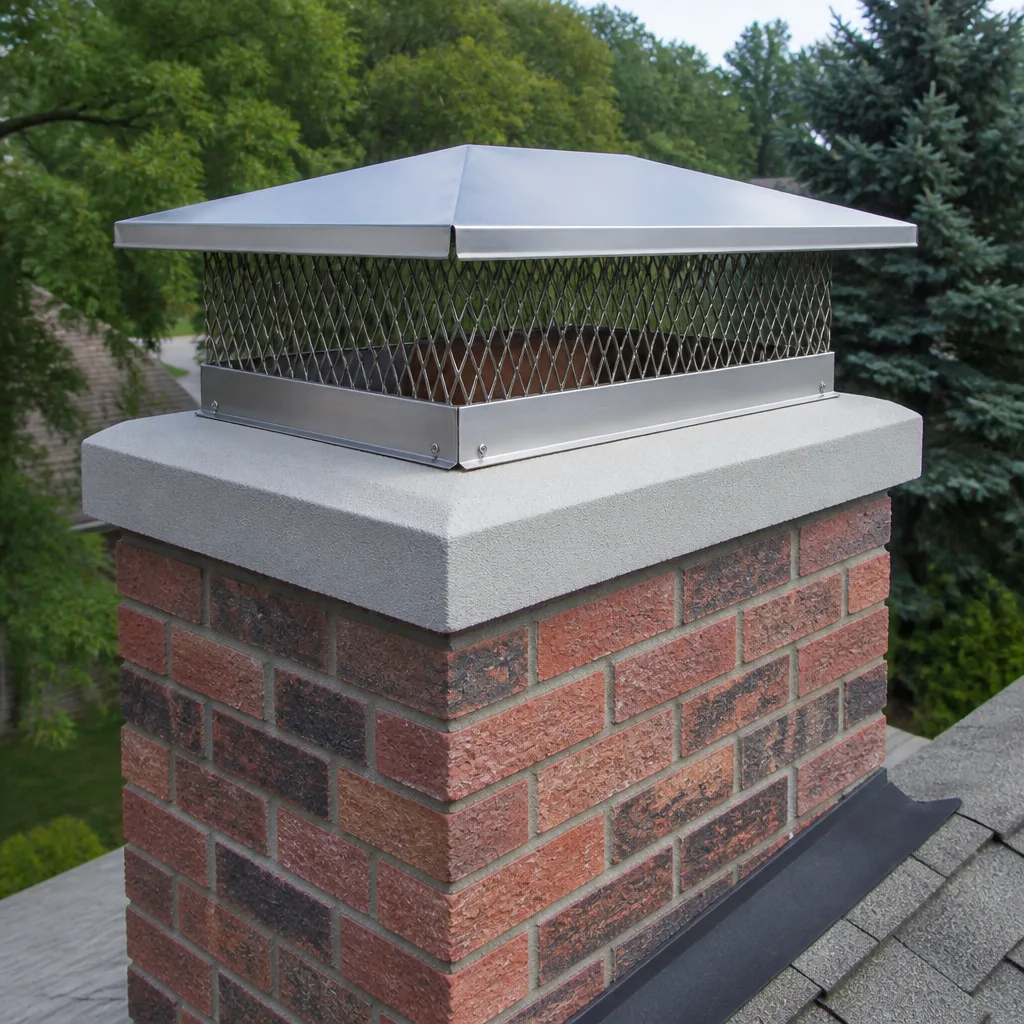
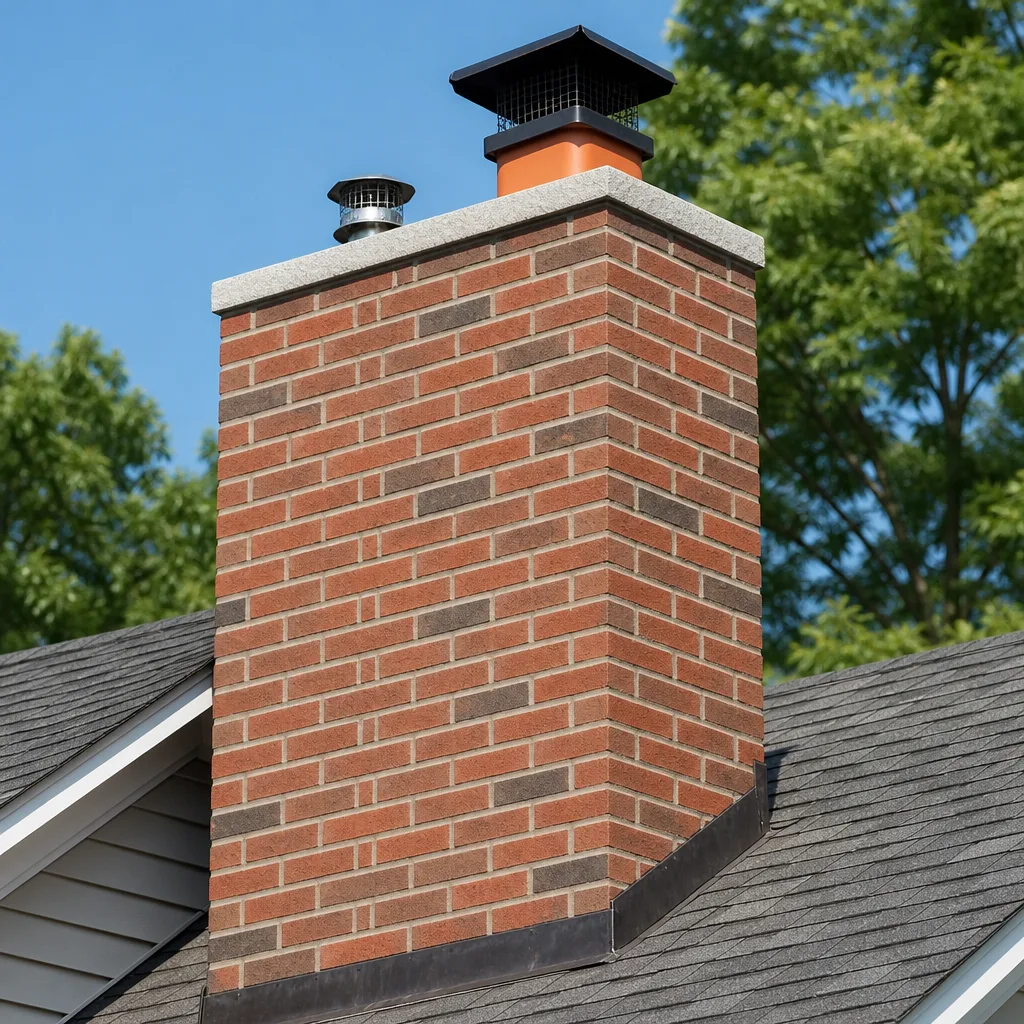
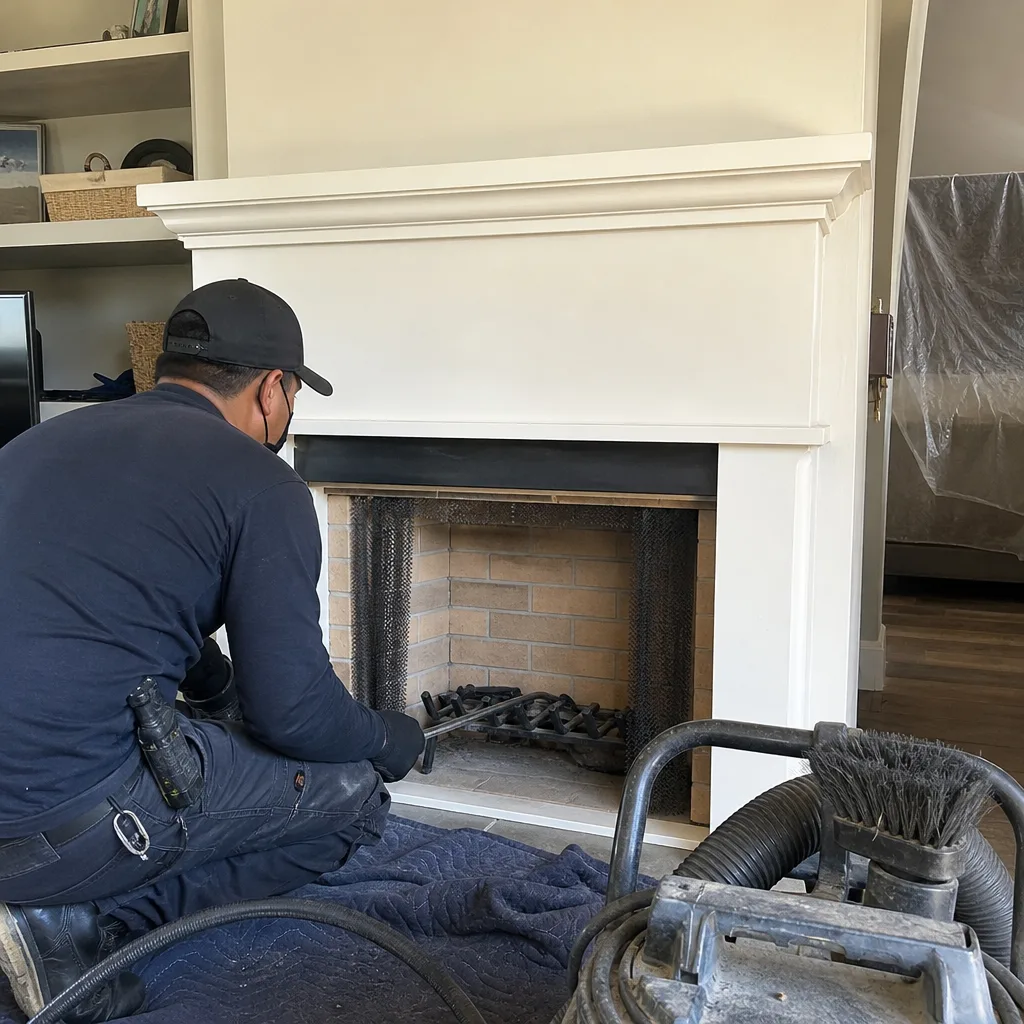
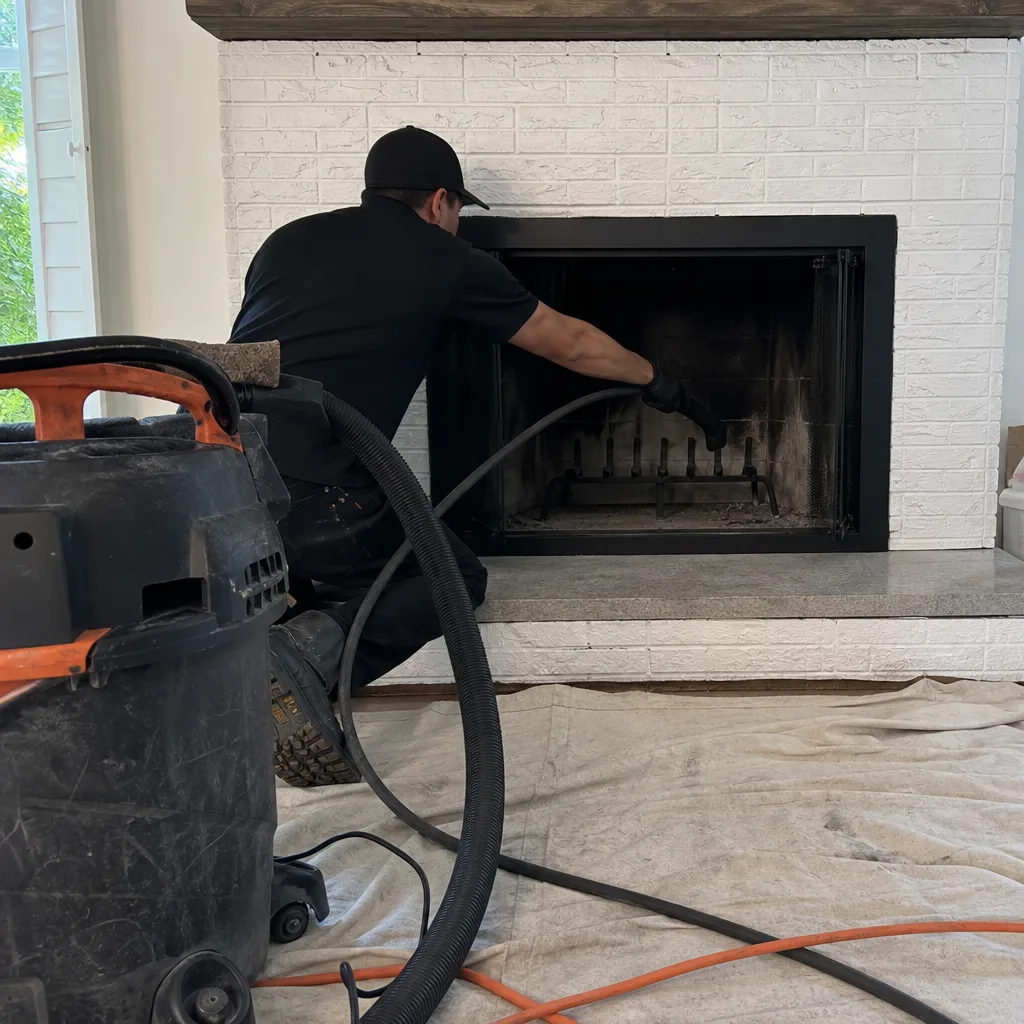
Level 1 sweep and inspection to the NFPA 211 annual standard - flue, crown, cap, and flashing checked and photographed
Chimney sweep logs do not sweep chimneys. They loosen some creosote - which then falls where a brush and vacuum still have to collect it.
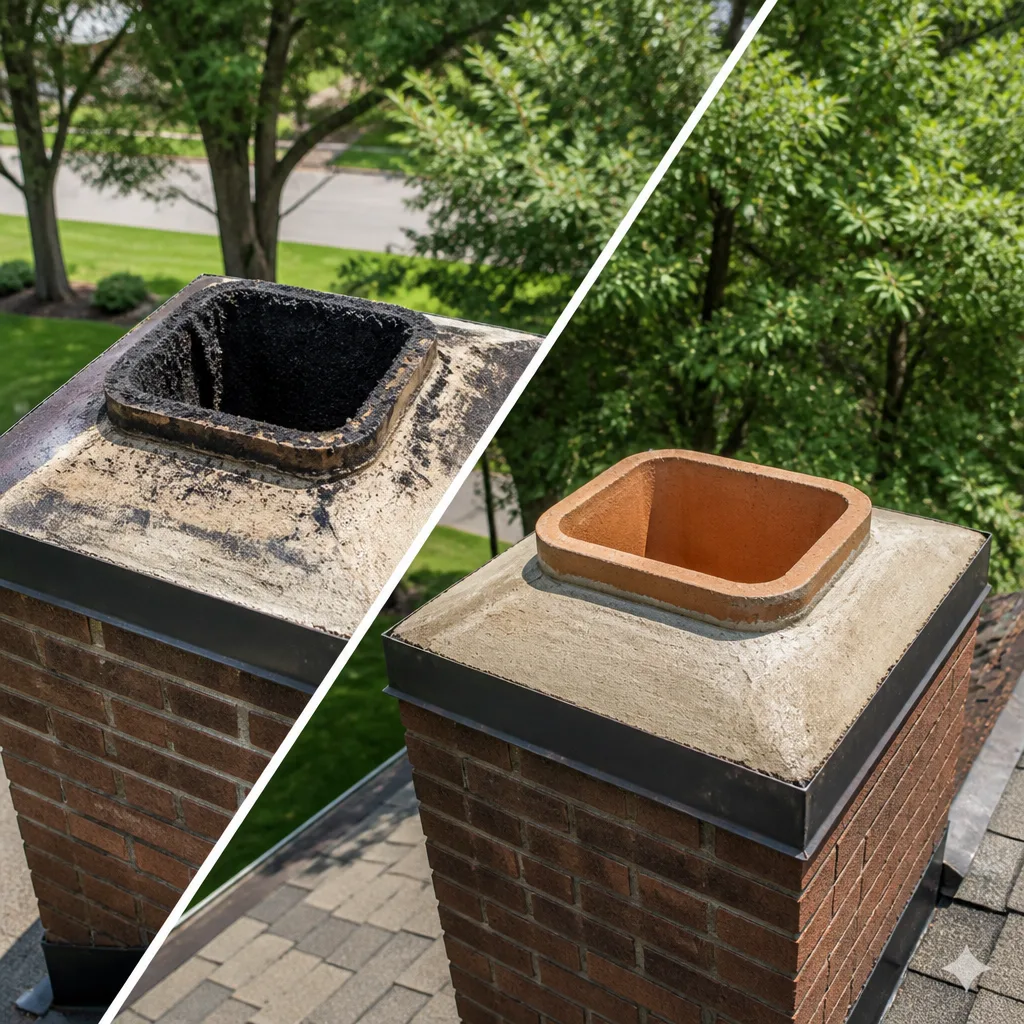
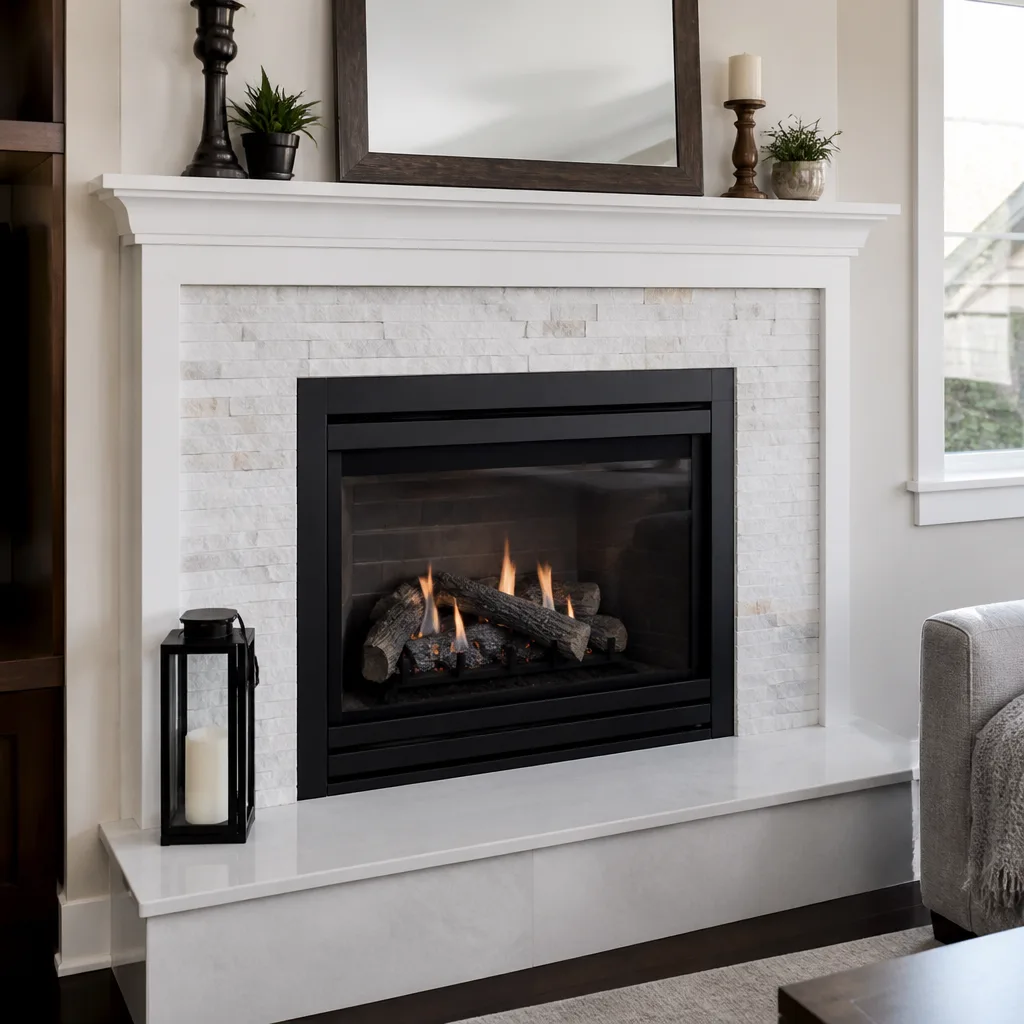
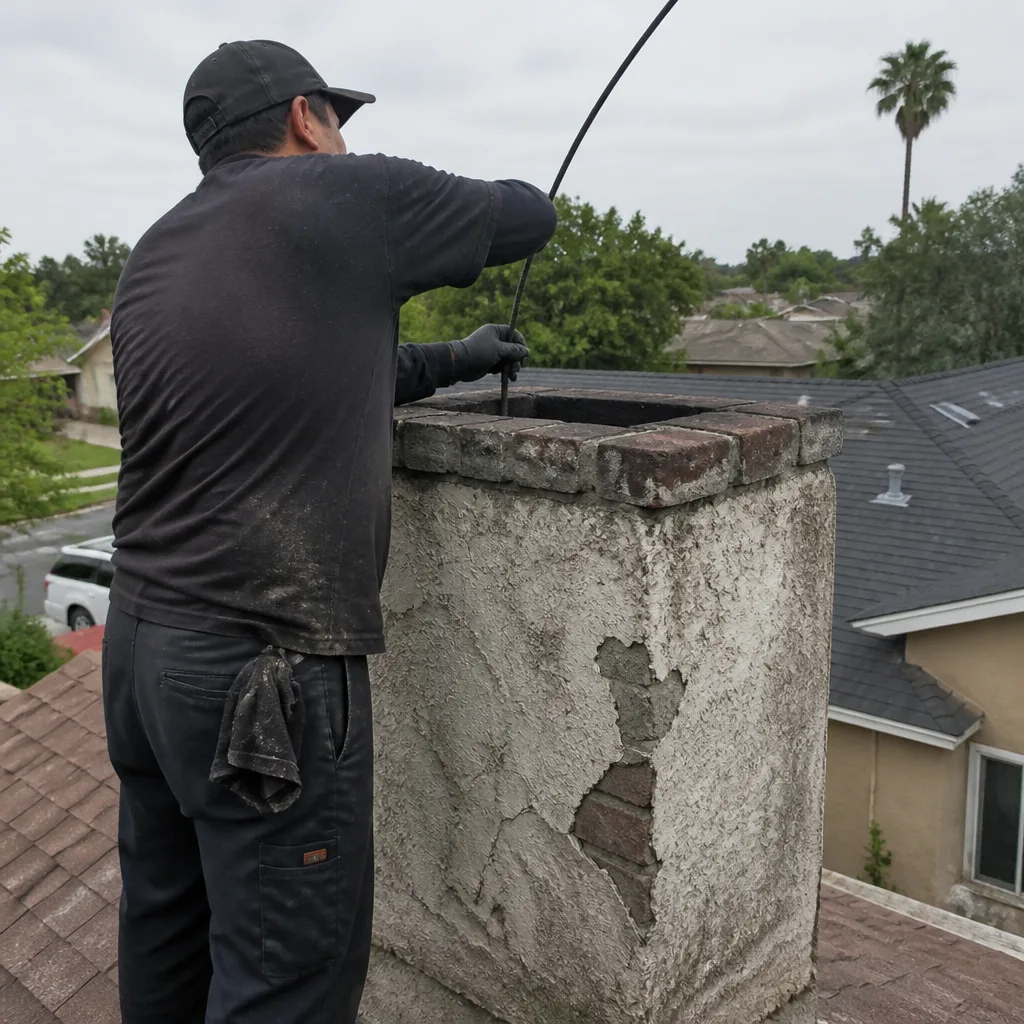 Before
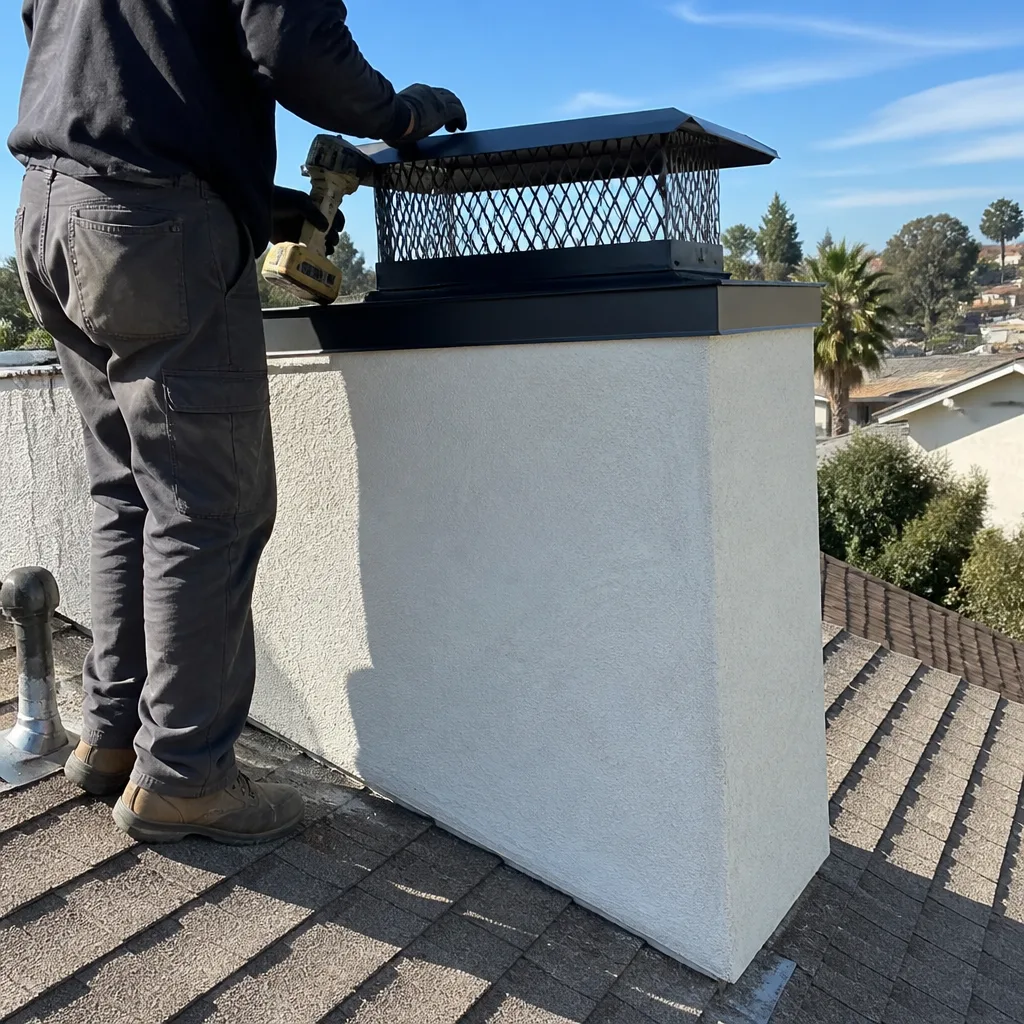 After
After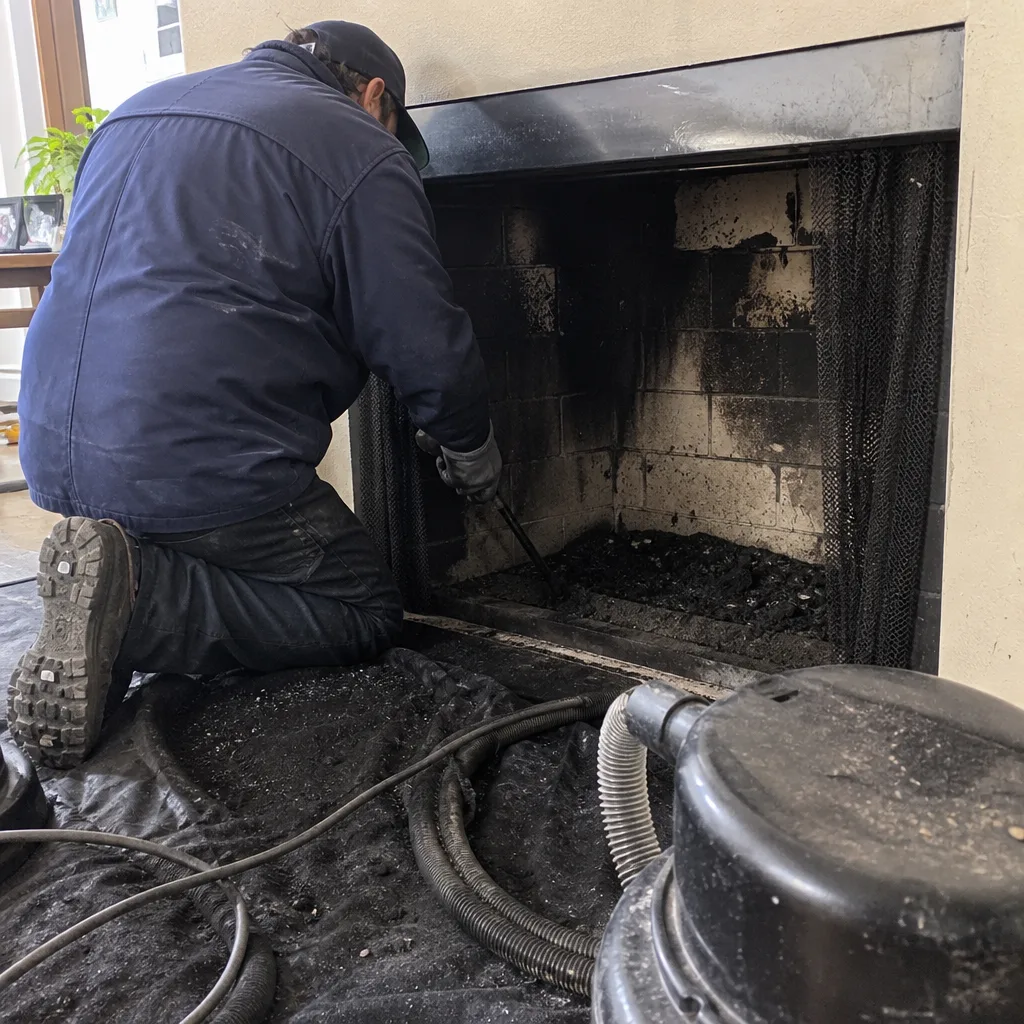 Before
 After
After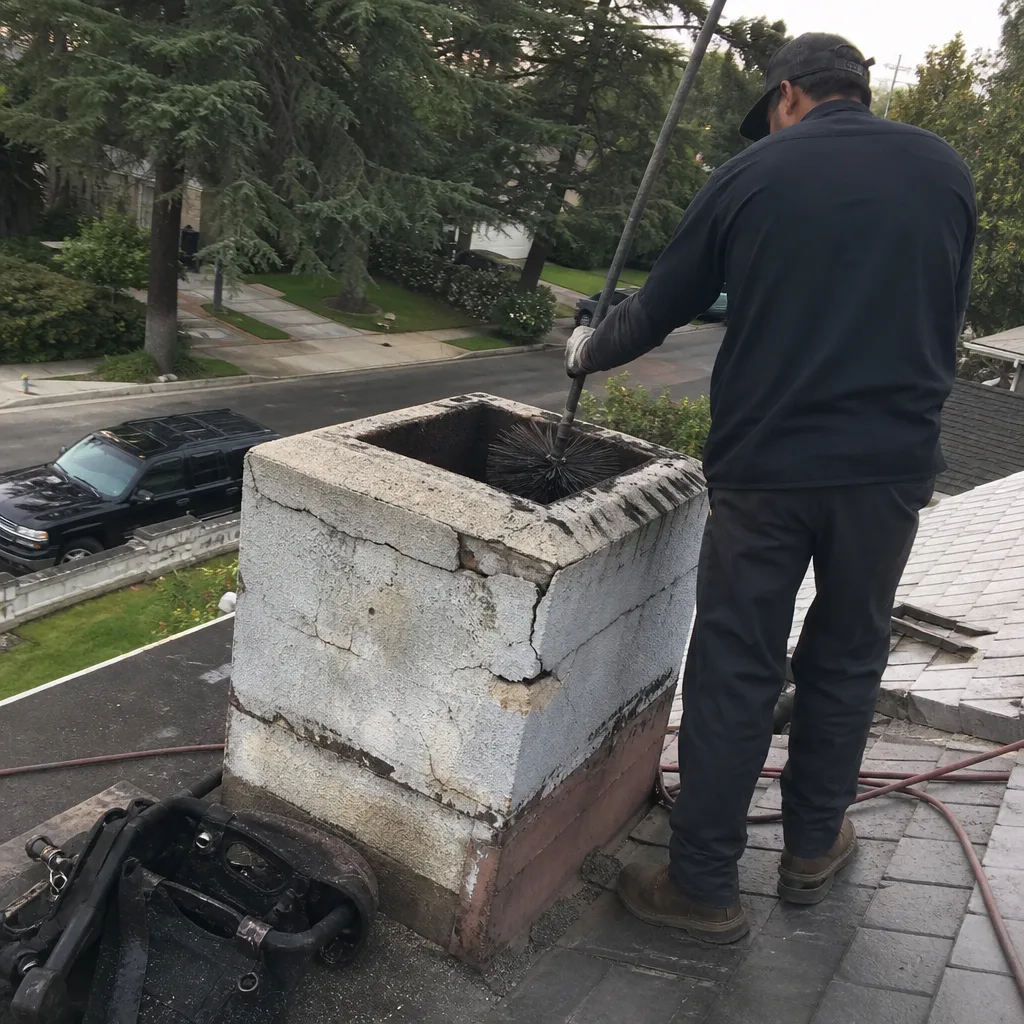 Before
 After
AfterChimney Cleaning Cost Breakdown: The Los Angeles Homeowner’s Reference for 2026
The $49 chimney cleaning advertised across Los Angeles isn’t a bargain – it’s a documented loss-leader designed to get a foot in your door. In 2023, the California State Contractors License Board issued warnings against chimney companies using rock-bottom pricing to pressure homeowners into unnecessary repairs averaging $3,800. Los Angeles homeowners deserve better than bait-and-switch tactics. This guide gives you real 2026 price ranges, explains exactly what drives cost variation in our market, and shows you how to read any invoice like a professional so you’ll know whether a quote is fair, inflated, or a red flag.
Quick Answer
A standard chimney sweep in Los Angeles costs between $225 and $375 for a typical single-flue wood-burning fireplace, including a basic Level I inspection. Most Los Angeles homeowners with standard systems pay in the $275 – $325 range when no additional repairs are needed. Prices climb when creosote buildup is heavy, access is difficult, or a camera inspection (Level II) is required for real estate transactions or suspected damage.
Table of Contents
- How the $49 Loss-Leader Actually Works
- Real 2026 Price Ranges for Los Angeles
- Five Variables That Legitimately Raise Your Quote
- How to Read a Fair Invoice – and Spot Upsell Red Flags
- Why Los Angeles Pricing Differs from National Averages
- How a 365-Day Guarantee Changes the Total Cost of Ownership
- Common Mistakes to Avoid
- When to Call a Professional
- Frequently Asked Questions
- The Bottom Line
How the $49 Loss-Leader Actually Works
We’ve been sweeping chimneys in Los Angeles since 2002, and the $49 cleaning has never made mathematical sense. A properly equipped technician, vehicle, insurance, and disposal costs alone exceed that figure before the truck leaves the depot. So how does it exist?
The model is straightforward: the low price buys access to your home. Once inside, the technician (often commission-only, often minimally trained) identifies “urgent” problems requiring immediate repair. The Chimney Safety Institute of America has documented this pattern nationwide, and California’s consumer protection agencies have specifically cited Los Angeles County as a hotspot.
Here’s what typically unfolds:
- The $49 service is a “basic sweep” excluding the inspection legally required by California building codes for any solid-fuel appliance.
- The technician “discovers” cracked flue tiles, dangerous creosote glazing, or a “failing” liner – sometimes using scare tactics about chimney fires or carbon monoxide.
- A repair estimate of $2,500 – $6,500 is presented as urgent, with pressure to decide immediately.
- The original $49 service was never the product; your anxiety was.
Legitimate Los Angeles chimney companies price transparently because the actual work has real costs. At Alcott Chimney Sweep home, we provide a written price before any work begins – always included, never negotiable. No homeowner should feel pressured into thousands in repairs without time to verify, compare, or simply sleep on it.
Real 2026 Price Ranges for Los Angeles
These figures reflect what established, insured Los Angeles chimney companies charge for straightforward jobs without complications. Prices include standard labor, basic materials, and the written documentation California requires.
| Service | Low Range | Typical Range | High Range | What Drives the High End |
|---|---|---|---|---|
| Standard chimney sweep + Level I inspection | $225 | $275 – $325 | $375 | Heavy creosote, steep roof access, insert removal |
| Level II inspection (camera scan) | $325 | $400 – $500 | $650 | Multi-flue system, real estate deadline, hard-to-access cleanout |
| Chimney cap replacement (standard stainless) | $275 | $350 – $450 | $600 | Custom sizing, wind-resistant design for canyon areas |
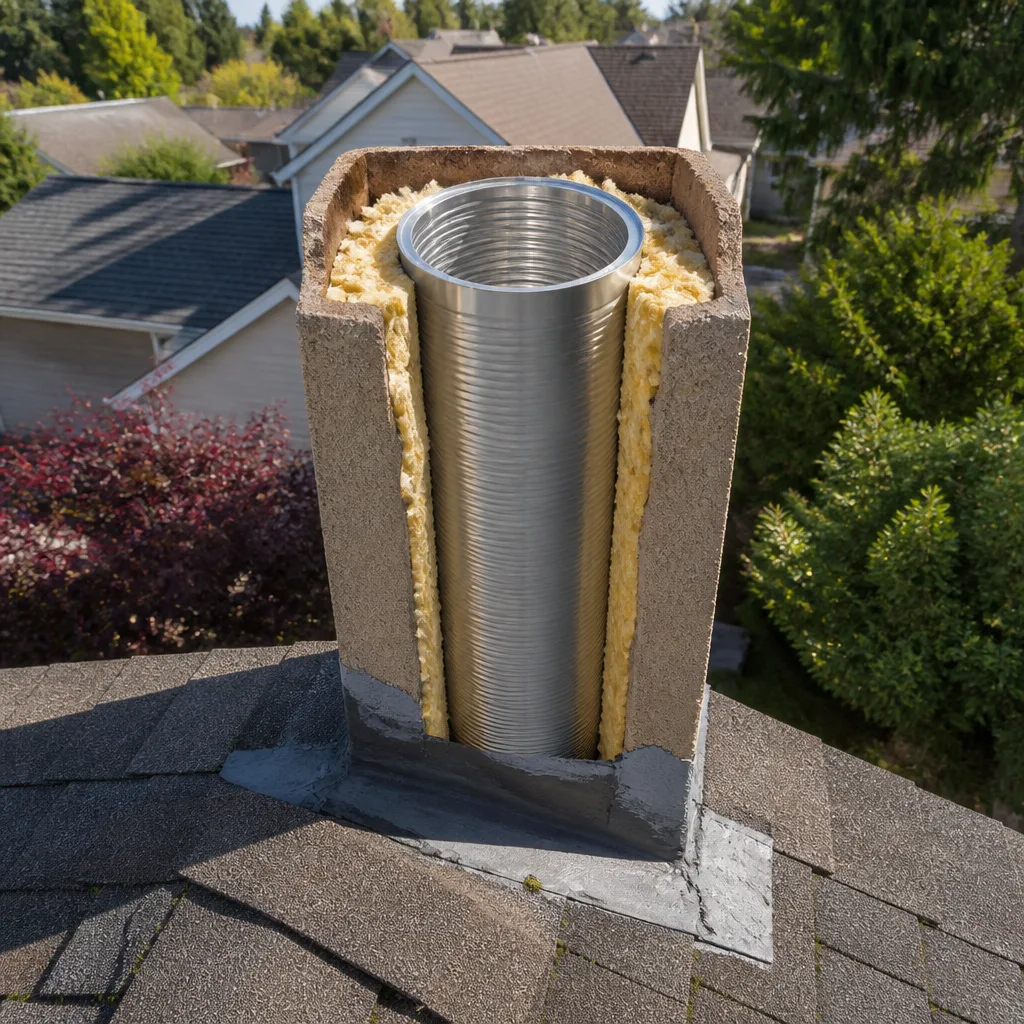
| Flue liner repair (HeatShield resurfacing) | $1,200 | $1,800 – $2,500 | $3,500 | Multiple flues, severe spalling, full relining with DuraFlex |
| Full stainless steel liner installation (DuraFlex) | $2,800 | $3,500 – $4,500 | $6,000+ | Tall flue (two+ stories), offset connections, masonry repairs |
Gas fireplace repair in Los Angeles typically runs $175 – $425 for standard service calls, with parts extra. We cover this separately in our Gas Fireplace Repair in Los Angeles guide.
These ranges assume a standard Los Angeles metro location. Homes in Topanga Canyon, Malibu hills, or the steeper slopes of the Santa Monica Mountains often sit at the higher end due to access difficulty and extended drive time.
Five Variables That Legitimately Raise Your Quote
Not every high quote is a scam, and not every low quote is a deal. These five factors explain real cost variation we encounter across Los Angeles neighborhoods:
1. Flue Height and Architecture
A single-story home in Venice with a 15-foot flue takes roughly 45 minutes to sweep properly. A two-story Spanish Colonial in Los Feliz with a 35-foot flue, multiple offsets, and a decorative shroud requires significantly more time, specialized equipment, and often a second technician for safety. Taller flues mean more liner to inspect, more creosote to remove, and more physical demand on the technician.
2. Creosote Stage and Buildup Type
Creosote – the tar-like byproduct of wood combustion that causes chimney fires – develops in three stages. Stage 1 is powdery and brushes off easily. Stage 2 is crunchy and requires more aggressive tools. Stage 3 is glazed, hardened, and nearly impossible to remove without chemical treatment or rotary equipment.
In Los Angeles, we see accelerated Stage 3 buildup in two specific scenarios: homeowners burning unseasoned eucalyptus (common in hillside neighborhoods with fallen trees) and those using their fireplaces as primary heat sources during Santa Ana wind events when power outages strike. Stage 3 removal can add $75 – $150 to a standard sweep.
3. Access Difficulty
Steep-pitched clay tile roofs in Hancock Park. Tight crawl-space cleanouts in 1920s bungalows. Rooftop decks blocking ladder placement in modern Venice builds. Each requires additional time, specialized equipment, or modified safety protocols. Los Angeles building stock spans a century of architectural styles, and access challenges are rarely visible from the street.
4. Fireplace Type and Configuration
Factory-built metal fireplaces, historic Rumford designs, wood-burning inserts with connected stainless liners, and see-through units each demand different tools and techniques. Inserts must often be disconnected and removed from the firebox to access the flue properly – a 30 – 45 minute addition to the job. We specify this in our written price before work begins so there’s no surprise.
5. Inspection Level Required
California real estate transactions, insurance claims, and suspected damage all trigger Level II inspections involving video camera examination of the entire flue interior. This requires specialized equipment, takes 45 – 90 minutes, and produces the documented report buyers, sellers, and insurers require. A Level I visual inspection suffices for annual maintenance on systems with no known issues. Our Chimney Inspection in Los Angeles page details when each level applies.
How to Read a Fair Invoice – and Spot Upsell Red Flags
A legitimate Los Angeles chimney invoice should itemize clearly. Here’s what proper documentation looks like:
- Service description: Specific language (“Level I inspection per NFPA 211,” “sweep of single flue for open wood-burning fireplace”)
- Labor hours or flat-rate designation: Either time logged or explicit flat-rate pricing
- Materials used: Specific products, not generics (“HeatShield cerfractory foam,” “stainless cap, Famco or equivalent”)
- Condition assessment: Written findings with photo documentation
- Recommendations with priority level: Distinguishing “required for safe operation” from “recommended for longevity”
- Future maintenance timeline: When next sweep is due based on use patterns
Three line items that should prompt questions:
- “Chimney deodorizer” or “chemical treatment” priced above $80 without prior discussion. Some treatments are legitimate for severe creosote, but they’re often sold as unnecessary add-ons.
- “Emergency waterproofing” applied same-day without evidence of active leaks. Proper crown and flashing repair requires dry conditions and specific materials – not a spray-can application during your sweep.
- Any repair estimate exceeding $1,000 without photo or video evidence you can see yourself. Modern chimney cameras produce clear footage. If a technician claims serious damage but won’t show you, that’s not professionalism – it’s a control tactic.
At Alcott, nothing is recommended without camera evidence you can review yourself. We email inspection footage and written findings within 24 hours. Work that can safely wait is explicitly identified as such.
Why Los Angeles Pricing Differs from National Averages
National chimney sweep averages cited online ($150 – $250) rarely apply to Los Angeles. Here’s why our market runs higher – legitimately:
Labor costs and compliance: California’s minimum wage, workers’ compensation rates, and mandatory sick leave provisions exceed most states. A chimney company operating legally in Los Angeles carries higher fixed costs than counterparts in Texas or Ohio. Unlicensed operators undercutting these costs often lack workers’ comp coverage, leaving homeowners liable if a technician is injured on their property.
Insurance requirements: General liability, commercial auto, and workers’ compensation for technicians working at height – Los Angeles carriers charge premiums reflecting our litigation environment and wildfire-risk ratings. Properly insured companies pass a portion of this through; uninsured ones gamble with your financial exposure.
Drive time and logistics: A technician serving Pacific Palisades, then Echo Park, then San Pedro burns two to three hours in traffic. Efficient routing limits daily appointments to three or four, versus six or seven in compact Midwest markets. That time is a real cost distributed across fewer jobs.
Climate-specific wear patterns: Los Angeles’s combination of marine moisture (coastal neighborhoods), thermal cycling (inland valleys), and occasional seismic stress produces unique masonry degradation. Santa Monica chimneys see salt-air corrosion of metal components. San Fernando Valley systems endure extreme expansion-contraction cycles. These patterns require local experience to assess accurately.
We’ve swept chimneys from Venice to Pasadena since 2002, and the “same service, different city” comparison rarely holds. Our Chimney Sweep in Los Angeles page details our specific service approach.
How a 365-Day Guarantee Changes the Total Cost of Ownership
Price comparisons often miss what happens after the invoice is paid. Here’s a concrete example:
A Los Angeles homeowner receives two quotes for suspected liner damage. Company A bids $2,200 for HeatShield resurfacing with a 30-day workmanship warranty. Company B bids $2,650 for the same scope with our 365-Day Done Right Promise – if the repair fails, the second visit is free.
At month four, thermal expansion causes the resurfacing to crack – a known risk with cerfractory materials if application conditions weren’t optimal. Company A’s warranty has expired. The homeowner pays $395 for a re-inspection, then $1,100 for partial re-application. Total outlay: $3,695.
Company B’s repair fails in the same timeframe. The second visit is free. Total outlay remains $2,650.
The “expensive” quote was $445 cheaper over the ownership period. This isn’t hypothetical – we’ve performed free return visits under our guarantee when materials didn’t perform as expected, because accountability is the point. Every repair carries a written guarantee; if it fails within the coverage period, the second visit is free. No negotiation, no proof-of-purchase runaround.
When evaluating quotes, ask specifically: “What happens if this repair fails, and for how long are you responsible?” Vague assurances (“we stand behind our work”) without written terms and duration are not guarantees. They’re conversation-enders.
Common Mistakes to Avoid
- Booking based on price alone without verifying license and insurance. Check the CSLB license number, confirm active workers’ compensation, and ask for a certificate of insurance. In Los Angeles, unlicensed operators are common and leave homeowners exposed.
- Skipping the inspection to save money. California building code requires inspection of solid-fuel chimneys. A sweep without inspection is incomplete work, and it misses the conditions that actually threaten your home.
- Accepting same-day pressure for major repairs. Any repair exceeding $1,000 deserves a second opinion and time to review evidence. Legitimate companies don’t require immediate decisions.
- Ignoring neighborhood-specific risks. Homes in brush-fire zones like Topanga or the Hollywood Hills face stricter clearance requirements. A company unfamiliar with Los Angeles Fire Department vegetation management zones may miss critical compliance issues.
- Assuming all “certified” technicians are equally vetted. Ask specifically about background checks and identity verification. The Threshold Standard requires both before any technician steps on your property – this isn’t universal in our industry.
- Neglecting gas fireplace maintenance. Los Angeles homes with gas inserts often skip service for years. Venting obstructions, valve degradation, and combustion irregularities develop silently. Annual inspection is as critical as for wood systems.
- Failing to request photo documentation. Modern chimney cameras produce clear, dated footage. Any company unwilling to share what they found is asking for trust they haven’t earned.
When to Call a Professional
Call a certified chimney professional if you notice smoke entering your living space, a persistent tar-like odor from the fireplace, visible cracks in exterior masonry, white efflorescence staining (indicating moisture intrusion), or if it’s been more than 12 months since your last professional service. After any seismic event, even minor, a Level II inspection is prudent – Los Angeles’s fault systems produce ongoing micro-movements that stress chimney structures.
Alcott Chimney Sweep offers free estimates in Los Angeles – call (336) 863-3889. You’ll know your technician’s name and see their photo before we arrive, and they’ll show a photo ID badge at your door. Every technician is Threshold Verified: background-checked, identity-verified, and uniformed. Written price before work begins. Written guarantee on every repair.
Frequently Asked Questions
A standard chimney sweep with Level I inspection in Los Angeles typically costs $275 – $325 for a single-flue wood-burning fireplace with normal creosote buildup and standard roof access. Heavy glazing, steep pitches, or insert removal can push this to $375. Call (336) 863-3889 for an exact quote – estimates are free.
You need a new liner if video inspection shows cracked tiles, gaps between tiles, or missing mortar joints that allow combustion gases to enter your home’s structure – a genuine carbon monoxide and fire risk. You don’t need one based on a technician’s word alone. At Alcott, we show you the camera footage and explain exactly what we’re seeing before recommending any liner work. Work that can safely wait is identified as such.
The National Fire Protection Association recommends annual inspection for all chimney systems, with sweeping frequency determined by use and fuel type. In Los Angeles, homeowners burning wood more than three times weekly during cooler months should sweep annually. Occasional users can often extend to every two years if the annual inspection shows minimal buildup. Eucalyptus and other soft woods common in local tree fall accelerate creosote accumulation.
Skipped maintenance allows creosote accumulation, which ignites at approximately 451°F and burns at temperatures exceeding 2,000°F – hot enough to crack masonry and ignite adjacent framing. Blocked or deteriorated flues can also vent carbon monoxide into living spaces. In Los Angeles, where many homes have open floor plans and sleeping areas near fireplaces, the exposure risk is significant. The cost of prevention is a fraction of fire restoration or medical intervention.
California labor compliance, higher insurance premiums, extended drive times in traffic, and local climate-specific wear patterns all contribute to legitimate cost differences. A $175 sweep in a low-cost Midwest market reflects different regulatory and logistical conditions. Be wary of Los Angeles companies matching those prices – they’re typically cutting corners on insurance, technician training, or scope of work.
Every repair carries our 365-Day Done Right Promise: if the work isn’t right, we make it right, and if the repair fails within that period, the return visit is free. This is included at no extra charge, not sold as an upgrade. We specify the coverage period and exact terms in writing before any work begins – because vague promises are what we’re positioned against.
The Bottom Line
Chimney cleaning in Los Angeles costs what it costs because proper work requires trained technicians, proper insurance, real equipment, and accountability that extends beyond the invoice date. The $49 loss-leader persists because enough homeowners don’t yet know the model. This guide gives you the framework to evaluate any quote: real price ranges for our market, five legitimate cost variables, invoice red flags, and the guarantee terms that protect your investment over time. The cheapest quote today rarely survives contact with reality. The transparent one, backed by written terms and visible evidence, usually does.
Written by Ruben Castellano, Owner at Alcott Chimney Sweep, serving Los Angeles since 2002.