
Last updated October 9, 2026
Level 1 sweep and inspection to the NFPA 211 annual standard - flue, crown, cap, and flashing checked and photographed
Chimney sweep logs do not sweep chimneys. They loosen some creosote - which then falls where a brush and vacuum still have to collect it.
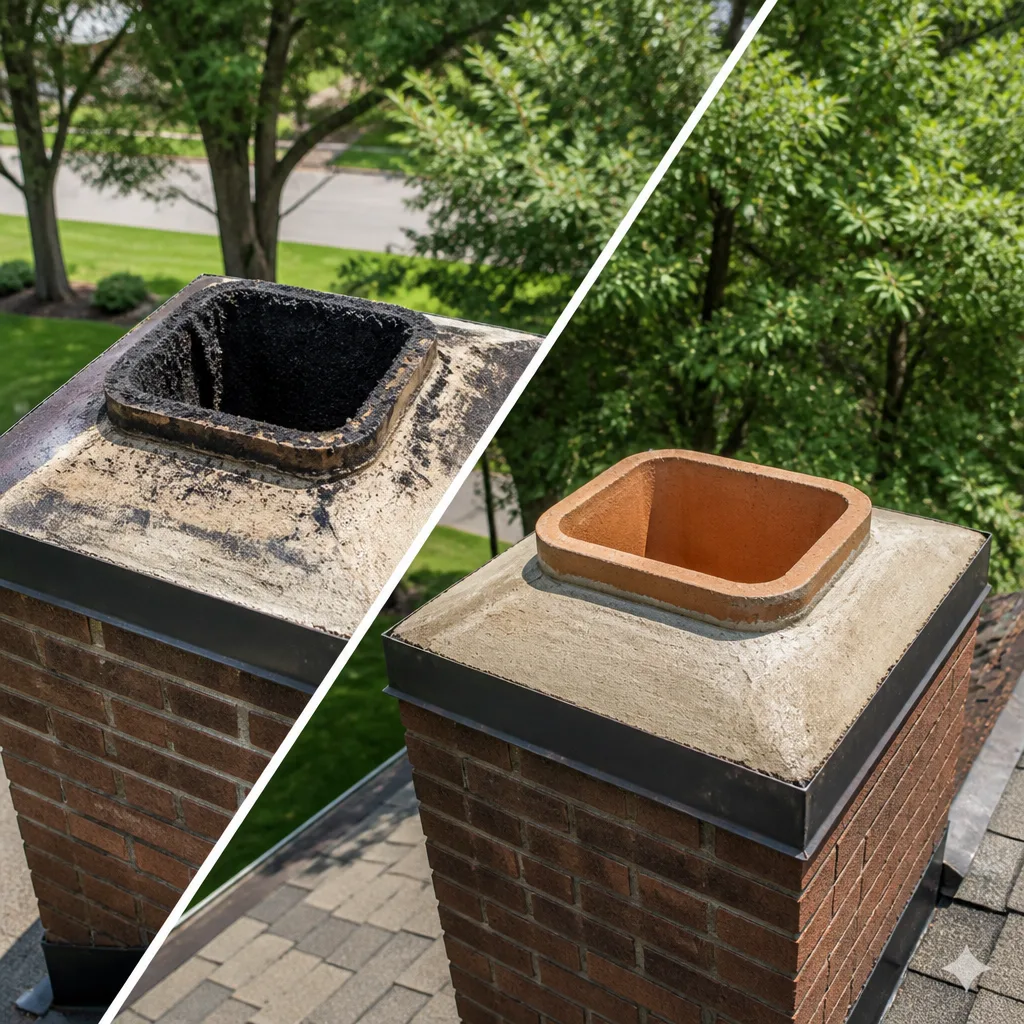
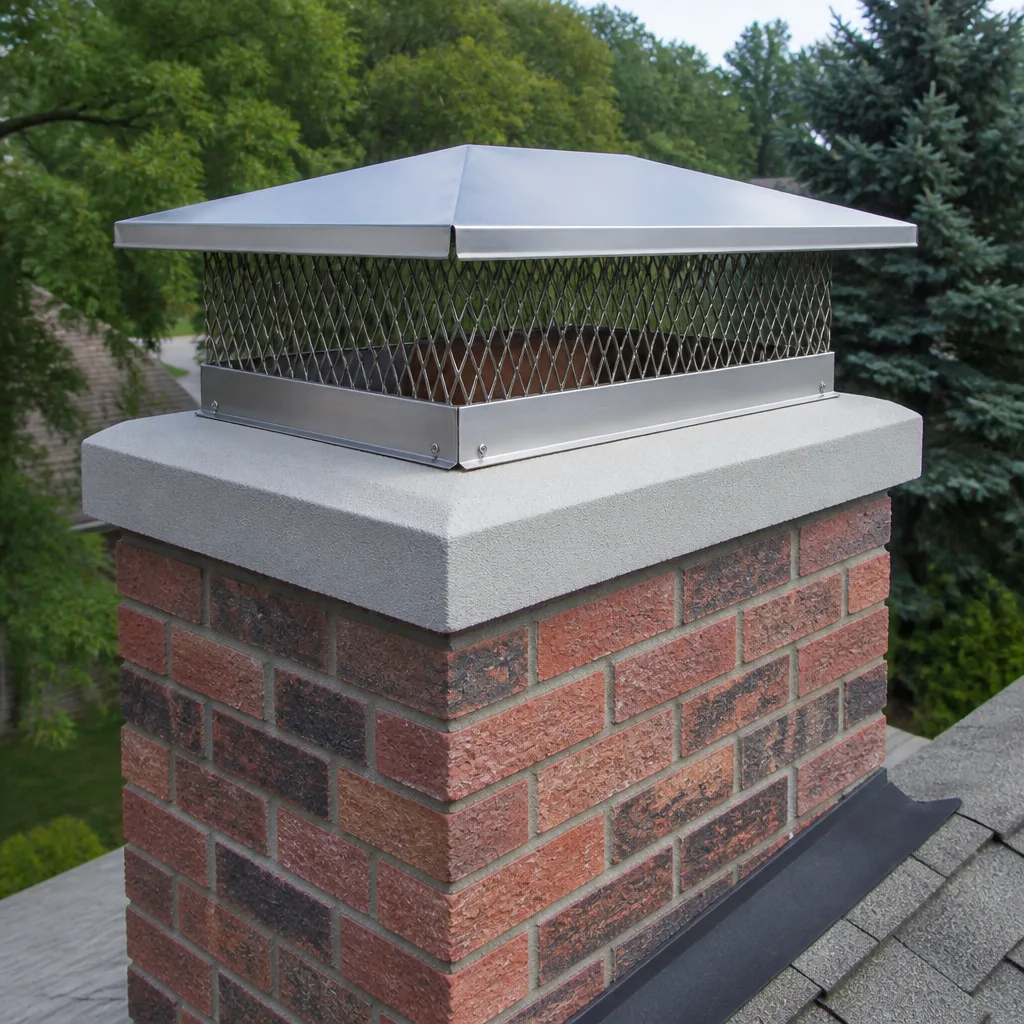
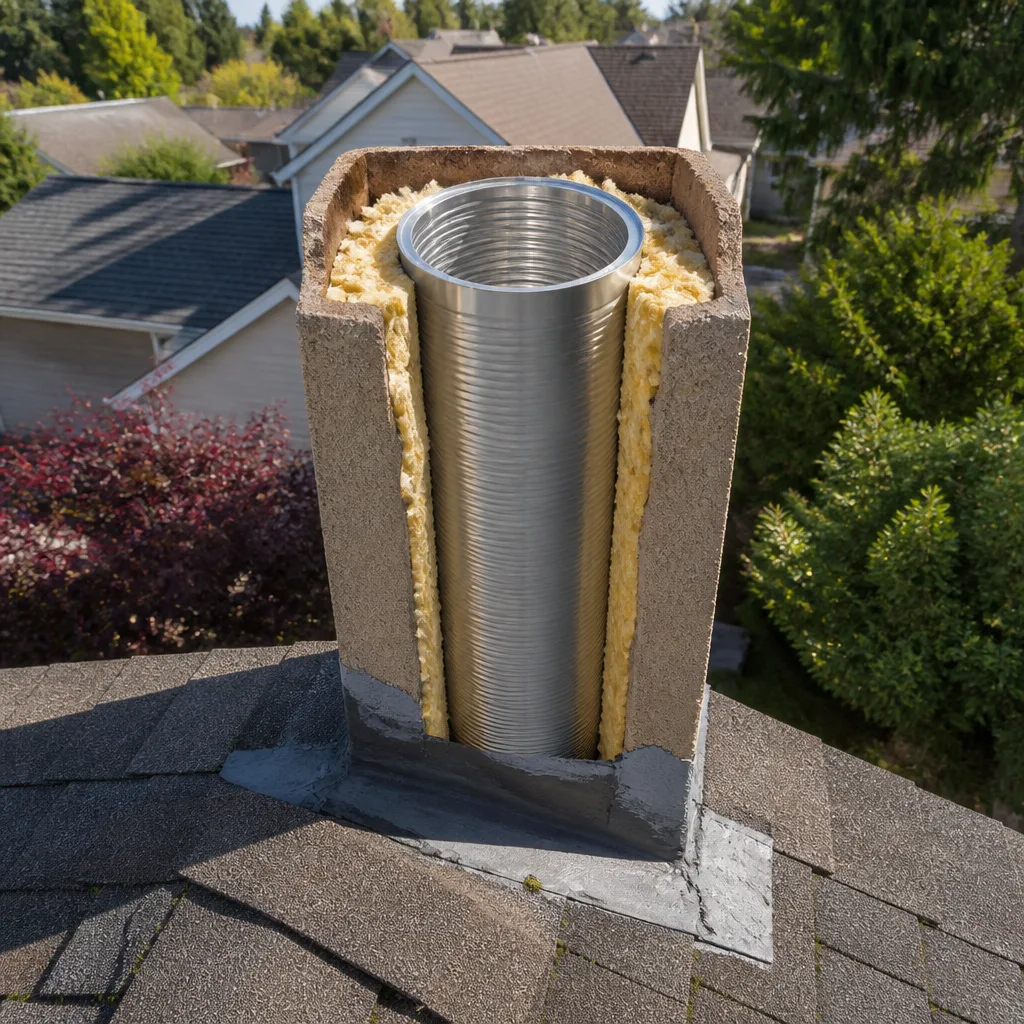
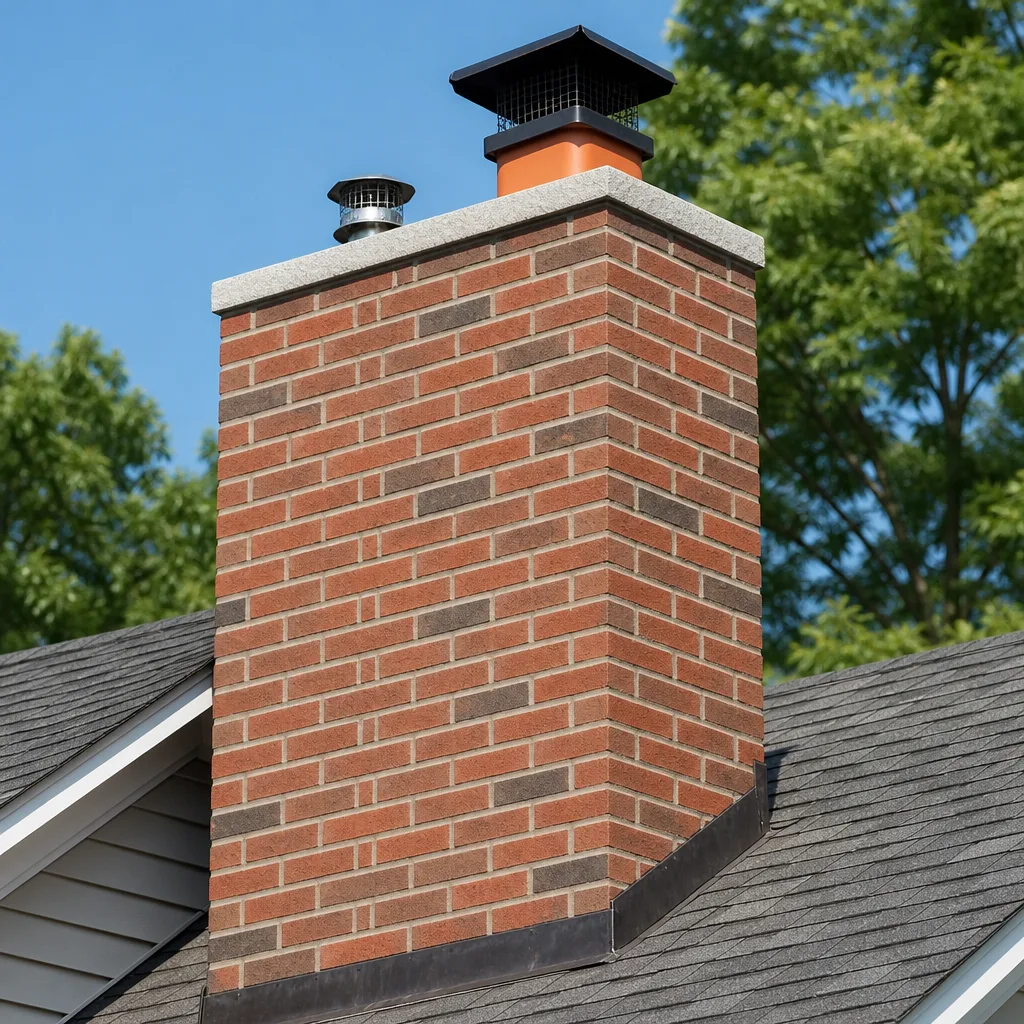
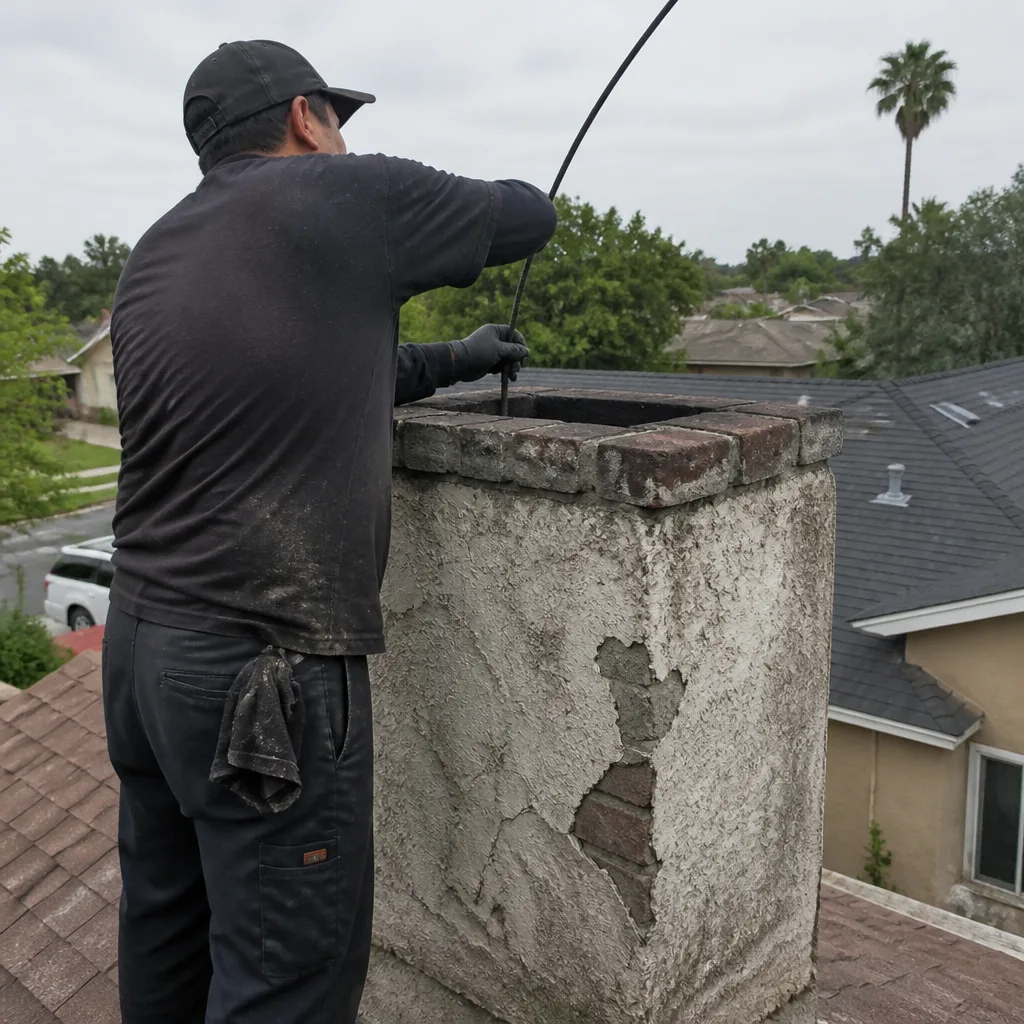 Before
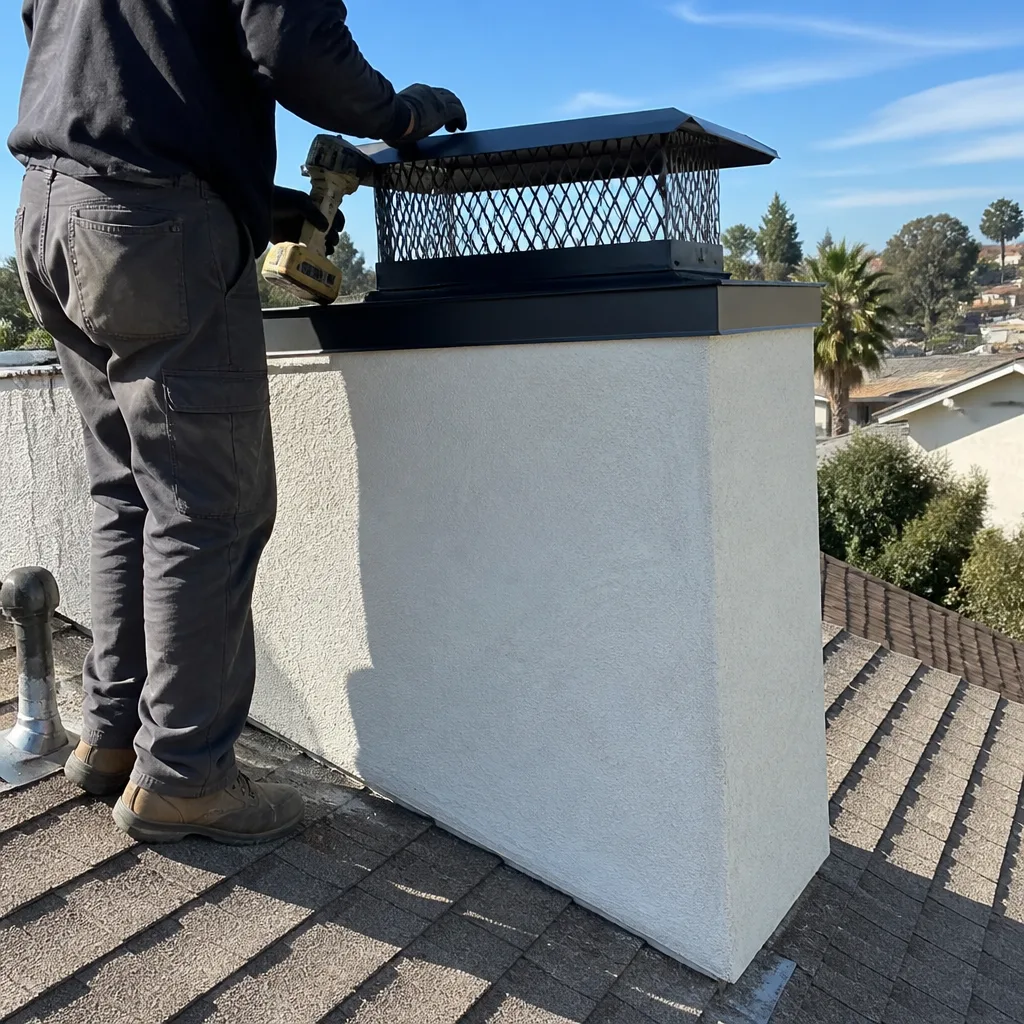 After
After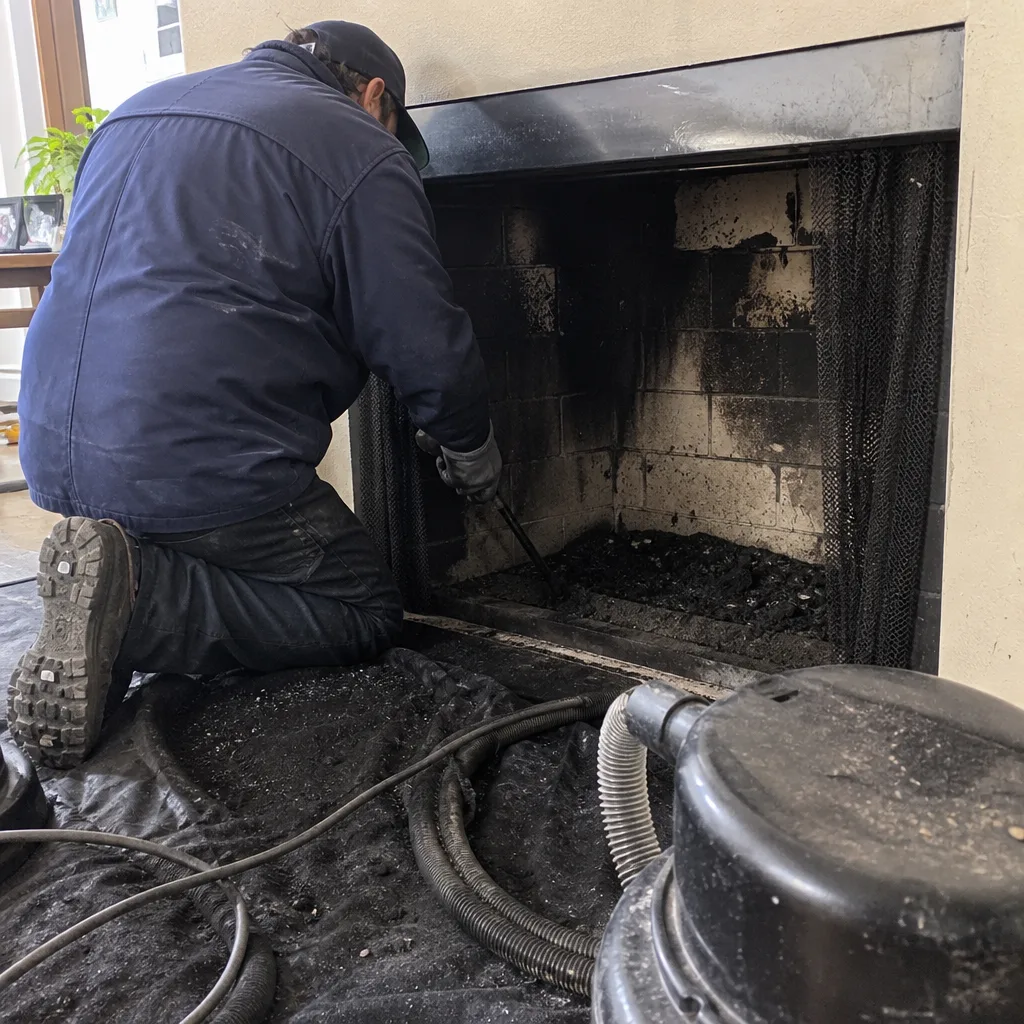 Before
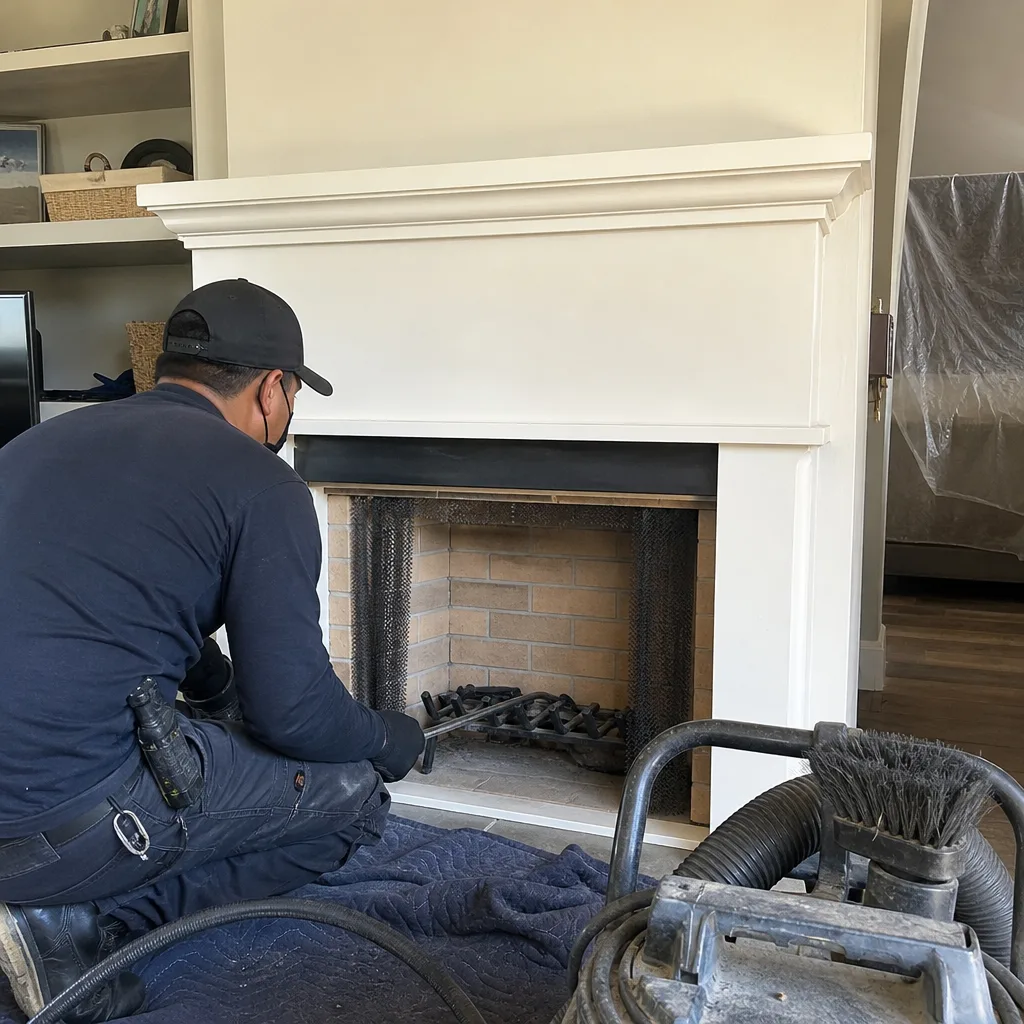 After
After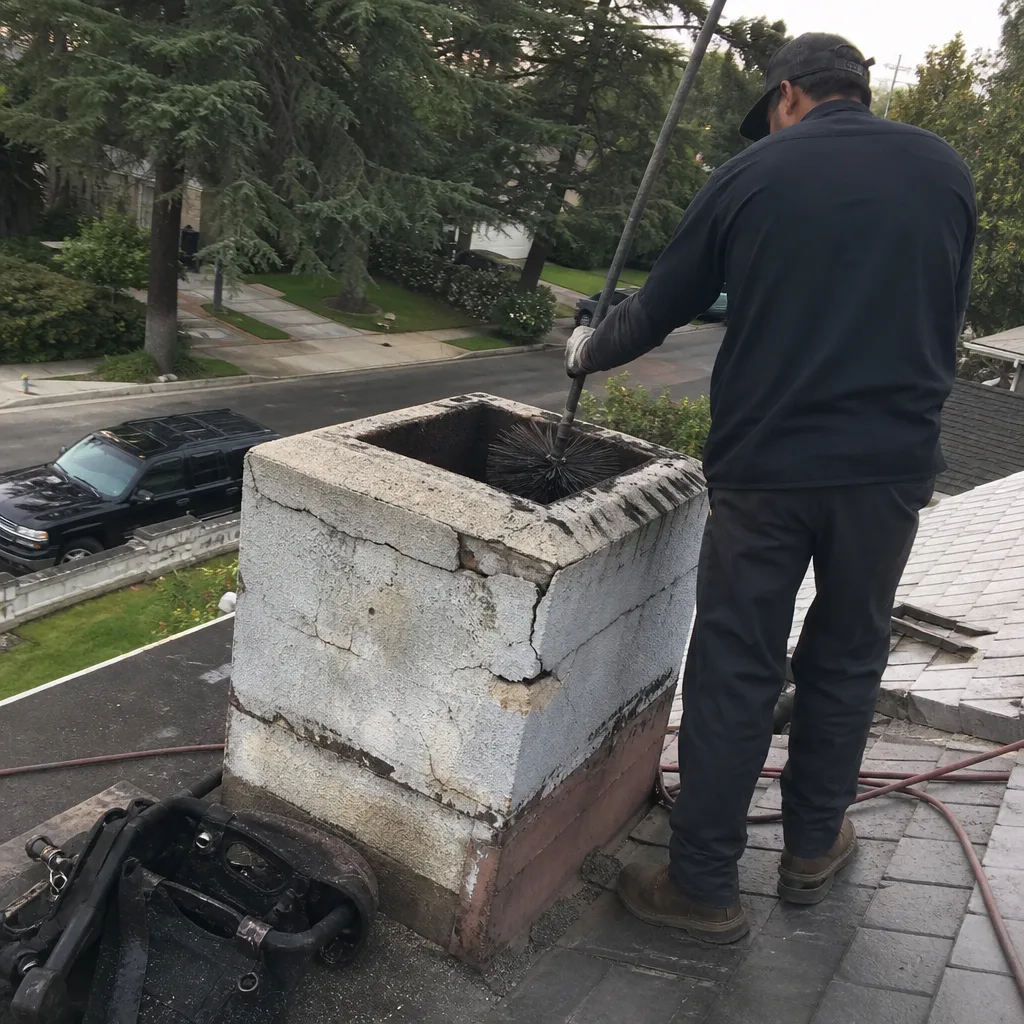 Before
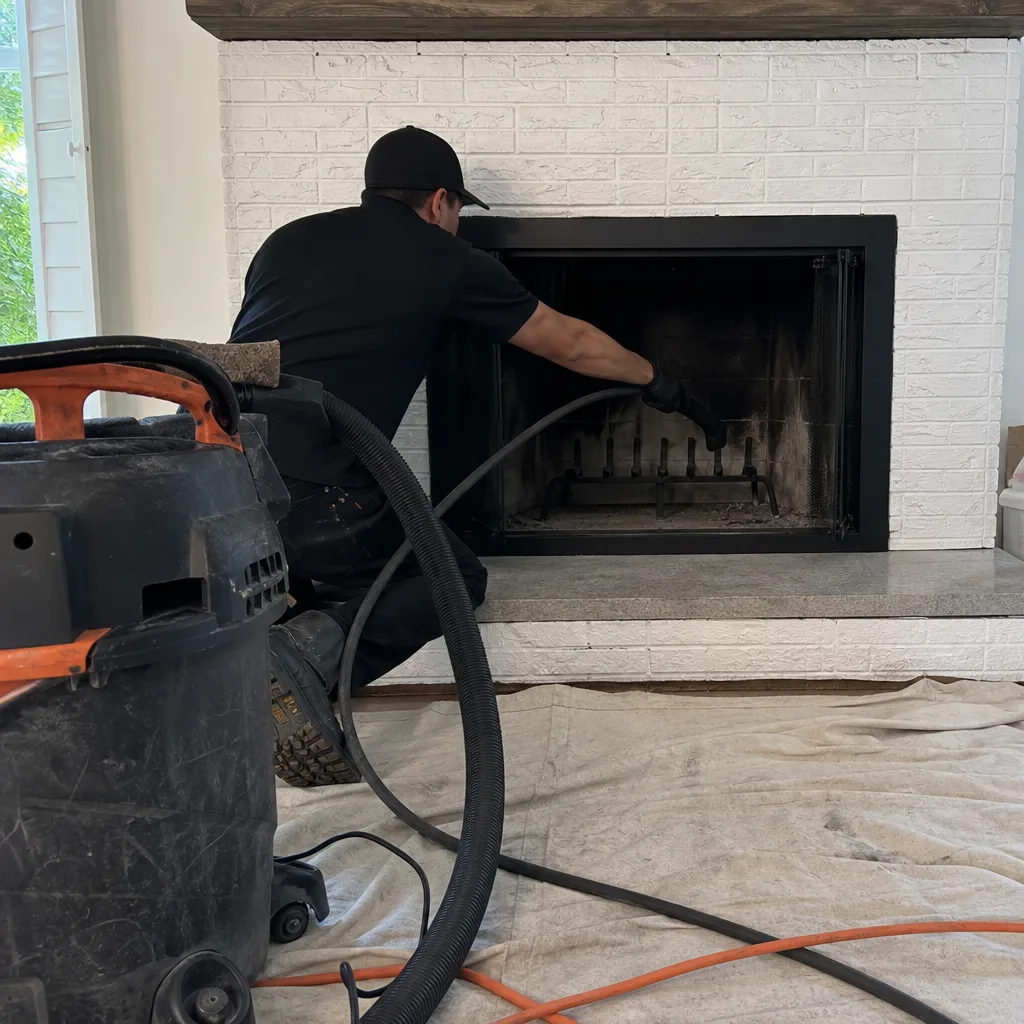 After
AfterChimney Cleaning Permits, Codes & Inspections in CA: What You Need to Know
Most Los Angeles homeowners assume a chimney cleaning never requires a permit. That’s mostly true, until it isn’t. The moment a technician replaces a liner, installs a new cap, or performs certain repairs, California building code kicks in – and the permit responsibility may fall on you, not the contractor. We’ve been sweeping chimneys across LA since 2002, and we’ve seen homeowners blindsided by failed real estate transactions, insurance disputes, and city red tags because someone skipped the paperwork. This guide and our more guides & resources separate what California requires, what Los Angeles County enforces, and what your chimney company is actually obligated to tell you. These three things are rarely the same.
Quick Answer
Standard chimney sweeping and Level I inspections in California do not require permits. However, any repair, liner replacement, structural modification, or new component installation triggers California Building Code requirements and typically requires a permit pulled through your local building department. In Los Angeles County, fire hazard severity zones add additional inspection layers, and NFPA 211 standards – referenced by California law – mandate Level II inspections when property changes hands or after chimney fires.
Table of Contents
- Cleaning vs. Repair: Where the Permit Line Actually Sits
- California Building Code Requirements for Chimney Work
- LA County Fire Codes and High Hazard Zones
- What NFPA 211 Actually Requires of Homeowners
- Level II Inspection Reports: Legal Documentation and Real Estate Sales
- How to Verify a Contractor Pulled the Right Permit
- Your Liability When Permits Are Skipped
- Common Mistakes to Avoid
- When to Call a Professional
- Frequently Asked Questions
- The Bottom Line
Cleaning vs. Repair: Where the Permit Line Actually Sits
The distinction matters because it determines who files paperwork, who pays fees, and who carries liability if something goes wrong.
No permit required: A standard chimney sweep removes creosote – that tar-like, highly flammable buildup that causes chimney fires – from the flue, smoke chamber, and firebox. A Level I inspection, which examines readily accessible portions of the chimney, also needs no permit. These are maintenance activities. In our experience across neighborhoods from Sherman Oaks to Silver Lake, roughly 60% of annual service calls fall into this category.
Permit required: The line crosses when work involves:
- Replacing or relining a flue with stainless steel, aluminum, or cast-in-place systems like HeatShield
- Installing a new chimney cap, crown, or chase cover where none existed
- Rebuilding fireboxes, smoke chambers, or portions of the chimney structure
- Installing factory-built fireplace inserts or wood stoves
- Any modification to clearances to combustibles
- Gas line work connected to gas fireplace repair or conversion
Here’s where Los Angeles homeowners get caught. A technician might say they’re “just cleaning” while simultaneously proposing a liner replacement because the existing clay flue is cracked. The cleaning itself needs no permit. The liner replacement does. We’ve encountered cases in the Hollywood Hills where a homeowner signed a single work order, paid a single invoice, and never realized the contractor performed permitted work without pulling the permit. That oversight becomes the homeowner’s problem during a sale or insurance claim.
The California Contractors State License Board requires licensed contractors to pull permits for work within their trade. However, enforcement is complaint-driven, not proactive. Many chimney companies bet on never being caught. You shouldn’t bet with them.
California Building Code Requirements for Chimney Work
California adopts the International Building Code with state-specific amendments, currently based on the 2022 IBC with 2023 California amendments. For chimneys, the relevant sections fall under Chapter 10 and the California Residential Code.
Key requirements that affect homeowners directly:
- Masonry chimneys must conform to specific construction standards for height, wall thickness, and lining materials. Unlined masonry chimneys are not grandfathered indefinitely; they must be lined or relined when deterioration is documented.
- Factory-built chimneys must be installed per manufacturer specifications, using listed components. Mixing brands or improvising connections voids the listing and violates code.
- Clearances to combustibles are non-negotiable. In Los Angeles, where many homes in neighborhoods like Los Feliz and Echo Park were built in the 1920s-1940s with tighter framing, original clearances often no longer meet current standards when modifications occur.
- Gas venting systems have separate requirements under the California Mechanical Code. A gas fireplace repair that involves venting modifications triggers both building and mechanical permit requirements.
Permit fees vary by jurisdiction. In the City of Los Angeles, residential chimney permits typically run $150-$400 depending on scope, with plan check fees added for structural work. LA County unincorporated areas use a different fee schedule. Pasadena, Santa Monica, and Long Beach each maintain their own building departments with separate processes.
Importantly, California law requires permits to be posted on-site during work. If your chimney technician is performing permitted work and no placard is visible, that’s a red flag. The permit also triggers mandatory inspections – rough inspection before concealment, final inspection before sign-off. Skipping these inspections means the work is not legally complete, even if it looks finished.
LA County Fire Codes and High Hazard Zones
Los Angeles County contains some of California’s most severe wildfire risk areas. The California Department of Forestry and Fire Protection (CAL FIRE) maps these as Fire Hazard Severity Zones, and LA County has adopted additional requirements beyond state minimums.
What this means for chimney owners:
In Very High Fire Hazard Severity Zones – including substantial portions of Topanga, Malibu, the Santa Monica Mountains, and foothill communities from Altadena to La Crescenta – chimney and fireplace maintenance carries heightened scrutiny. The LA County Fire Code requires:
- Spark arresters on all chimney terminations in designated wildland-urban interface areas
- Minimum chimney heights above rooflines and adjacent vegetation
- Annual inspection documentation for certain structures, particularly multi-family and commercial occupancies
- Clearance requirements from tree branches and combustible overhangs that exceed standard building code minimums
We’ve serviced homes in Pacific Palisades where the difference between standard code and LA County Fire Code clearance requirements was nearly four feet. A contractor working from generic California knowledge without local LA County familiarity could install a code-compliant cap that still violates fire code.
The practical impact: if you live in or near the Santa Monica Mountains, Angeles National Forest interface, or any area with chaparral vegetation, your chimney work may need dual compliance – building code for the structure, fire code for the location. Only one permit may be visible, but both sets of rules apply. Ask specifically. Most competitors won’t volunteer this distinction.
What NFPA 211 Actually Requires of Homeowners
NFPA 211, Standard for Chimneys, Fireplaces, Vents, and Solid Fuel-Burning Appliances, is the national standard that California building codes reference. Despite its technical name, its core requirements are straightforward and surprisingly specific about homeowner obligations; for a deeper look, see our Chimney Inspection Troubleshooting: Common Problems and How to Fix Them.
Inspection frequency: NFPA 211 requires annual inspection of all chimneys, fireplaces, and vents. Not “when you remember.” Not “every few years.” Annual. The standard also mandates inspection upon sale or transfer of property, and after any chimney fire or external event (earthquake, lightning strike, significant wind damage). See our Chimney Inspection Maintenance Schedule: What to Do and When for timing guidance.
Three inspection levels exist:
- Level I: Visual examination of accessible portions during routine cleaning. Appropriate when conditions haven’t changed and appliance use is consistent.
- Level II: Required upon sale, transfer, or after changes to the system. Includes video scanning of internal flue surfaces, accessible portions of attics and crawl spaces, and documentation of clearance conditions. This is the inspection that protects real estate transactions.
- Level III: Destructive inspection when concealed hazards are suspected. Requires removal of building components to access hidden portions of the chimney structure.
NFPA 211 is not itself law in California, but California codes incorporate it by reference. This matters because insurance companies and courts treat NFPA 211 as the applicable standard of care. If your chimney causes a fire and you haven’t had the inspections the standard requires, your insurer may dispute coverage. We’ve seen this in claims from the San Fernando Valley to South LA.
The standard also specifies that chimney cleaning (sweeping) should occur “as often as necessary” based on creosote accumulation, with annual minimums. In Los Angeles, where many homeowners burn Duraflame-type logs or limited wood due to air quality restrictions, creosote buildup is slower than in colder climates. But the inspection requirement remains annual regardless of use frequency.
Level II Inspection Reports: Legal Documentation and Real Estate Sales
The Level II inspection is where most Los Angeles homeowners encounter code requirements unexpectedly. If you’re selling a home in LA, your buyer’s inspector will likely request documentation. If you don’t have it, the buyer may demand a new inspection, often with a short timeline that limits your contractor choice.
A legally defensible Level II inspection report must include:
- Date of inspection and inspector identification
- Property address and appliance/system identification
- Video or photographic documentation of flue interior conditions
- Measurement of flue dimensions and clearances
- Documentation of any defects, with reference to applicable code sections
- Recommended corrective actions, prioritized by severity
- Statement of whether the system is suitable for continued use, with conditions if applicable
In our experience, roughly 40% of Level II inspections in older Los Angeles neighborhoods reveal conditions requiring correction before sale completion. Common findings include:
- Cracked clay flue tiles in pre-1970s construction (ubiquitous in Mid-Wilshire and Koreatown)
- Improper clearances where prior owners finished basements or added built-ins
- Missing or deteriorated chimney caps allowing water intrusion
- Evidence of previous chimney fires undetected by the current owner
The report becomes part of the property’s disclosure history. A clean Level II report from a recognized provider smooths transactions. A report with unaddressed recommendations can derail them, or force price reductions exceeding the repair cost.
We provide written reports with every Chimney Inspection in Los Angeles, including photo documentation and clear prioritization of any findings. Nothing is recommended without visual evidence you can see yourself.
How to Verify a Contractor Pulled the Right Permit
This is where homeowners have more power than they realize, and where too many contractors rely on homeowner passivity.
Step-by-step verification:
- Ask before work begins. Any contractor performing permitted work should be able to state the permit number or confirm application status. Vague answers – “we’ll take care of it,” “it’s included,” “don’t worry about it” – warrant follow-up.
- Request the permit application copy. In California, the property owner must sign permit applications for work on their property. If you didn’t sign anything, no permit was pulled in your name. Some jurisdictions allow contractor-pulled permits, but the property owner remains the permit holder of record.
- Verify online. The City of Los Angeles Department of Building and Safety maintains an online permit history search. LA County, Pasadena, Santa Monica, and most incorporated cities offer similar tools. Search by your address. Permits should appear within days of application.
- Confirm inspection scheduling. A pulled permit means nothing without passed inspections. Ask when inspections are scheduled. Be present if possible. The inspector works for your protection, not the contractor’s convenience.
- Request final documentation. Upon completion, you should receive a Certificate of Final Inspection or equivalent sign-off. This is what title companies and insurers request. Without it, the work is incomplete in the eyes of the building department.
We’ve encountered situations in Beverly Hills and Brentwood where homeowners paid premium prices for liner replacements, only to discover no permit existed. The work was technically competent, but legally nonexistent. When they sold, the absence of permit history triggered buyer demands for re-inspection or price reductions.
At Alcott Chimney Sweep home, we pull permits when required, schedule inspections around your availability, and provide final documentation before final payment is due. Our written price, delivered before any work begins, specifies whether permit costs are included or separate. No surprises.
Your Liability When Permits Are Skipped
California places significant liability on property owners for unpermitted work, even when a contractor performed it without the owner’s knowledge. This surprises people. It shouldn’t.
Specific liability exposures:
- Real estate disclosure: California requires disclosure of unpermitted work on Transfer Disclosure Statements. Failure to disclose can void sale contracts and expose sellers to post-sale litigation.
- Insurance coverage: Many homeowner policies exclude damage resulting from unpermitted work. If a chimney fire originates in an unpermitted liner installation, your insurer may deny the claim.
- Code enforcement: LA County and incorporated cities can issue correction notices or red tags requiring permit retroactivity, with penalties that compound monthly. We’ve seen $5,000 jobs become $15,000 ordeals after code enforcement involvement.
- Contractor recourse: If your unlicensed or improperly licensed contractor disappears, you have no state recovery fund access. The Contractors State License Board maintains a recovery fund for licensed contractor defaults, but only for properly permitted work.
The “I didn’t know” defense fails in California courts. The property owner is presumed responsible for their property’s compliance. This is why we emphasize: verify permits yourself, don’t delegate trust.
Our Threshold Standard means every technician is background-checked, identity-verified, and announced by name and photo before arrival. But we still encourage homeowners to verify our permits independently. Trust, but verify, isn’t skepticism – it’s smart property management.
Common Mistakes to Avoid
- Assuming “cleaning” covers everything. In Los Angeles, many companies use “chimney cleaning” as a broad term that includes proposed repairs. Read the scope of work carefully. Ask specifically: “Does this proposal include any repair or replacement?” If yes, ask about permits.
- Accepting verbal permit assurances. A contractor saying “we’re all set” means nothing. Request the permit number, verify it online, and confirm inspection scheduling in writing.
- Ignoring fire hazard zone requirements. If you live in Topanga, Malibu, or the Angeles National Forest foothills, standard building code compliance may not satisfy LA County Fire Code. Ask specifically about fire code requirements, not just “code.”
- Skipping Level II inspection before purchase. In competitive LA real estate markets, buyers sometimes waive inspection contingencies. A chimney fire or liner replacement discovered post-purchase costs far more than a pre-sale inspection. We’ve seen $200 inspections prevent $8,000 surprises in Eagle Rock and Highland Park.
- Hiring based on lowest price without license verification. Unlicensed operators often skip permits to offer lower prices. Verify license status at cslb.ca.gov before signing. The savings evaporate when liability attaches.
- Failing to retain documentation. Keep permits, inspection reports, and final sign-offs for the duration of ownership plus seven years. These documents transfer with the property and protect against future disputes.
- Assuming gas fireplace work needs no permit. Gas fireplace repair involving venting, gas line modification, or valve replacement typically requires both building and mechanical permits in Los Angeles. The “it’s just gas” assumption has cost homeowners thousands in retrofit permits.
When to Call a Professional
Call a qualified chimney professional when: you’re buying or selling a home and need Level II documentation; you’ve never had your chimney inspected and don’t know its condition; you smell smoke where you shouldn’t, or your fireplace drafts poorly; you’re considering any repair, liner replacement, or component installation; or you’ve experienced a chimney fire, earthquake, or significant weather event.
In Los Angeles, where mild winters mean many homeowners use fireplaces intermittently, problems often develop unnoticed until they’re serious. Creosote doesn’t stop accumulating because you burned less. Water intrusion from missing caps continues year-round.
Chimney Sweep in Los Angeles services from Alcott Chimney Sweep include written prices before any work begins, written guarantees on every repair, and free return visits if any repair fails within our coverage period. We install professional-grade materials including DuraFlex liner systems and Copperfield components – the brands chimney professionals specify, not improvised substitutes. Gas Fireplace Repair in Los Angeles is also available with the same upfront pricing and guarantee structure.
Call (336) 863-3889 for a free estimate. A live person answers around the clock.
Frequently Asked Questions
No. Routine chimney sweeping and Level I inspections are maintenance activities that do not trigger permit requirements under California Building Code. Permits become required when repair, replacement, or structural modification is performed. Call (336) 863-3889 for a free estimate – we’ll tell you upfront if your situation requires permits.
A standard chimney sweep in Los Angeles typically runs $200 – $350 before any repairs, with Level II inspections adding $150 – $300 depending on accessibility and documentation requirements. Permit costs for repair work are separate and vary by jurisdiction – $150 – $400 in the City of Los Angeles, with different schedules in Pasadena, Santa Monica, and unincorporated LA County. We provide written prices before any work begins, with permit costs specified separately when applicable. Call (336) 863-3889 for an exact quote – estimates are free.
Not always. A liner is necessary when the existing flue is damaged, unlined, or incompatible with your appliance type. We document liner conditions with video inspection and provide photographic evidence before recommending replacement. In many Los Angeles homes built before 1950, clay flue tiles have deteriorated but remain serviceable with proper maintenance. When replacement is needed, we specify HeatShield resurfacing or DuraFlex stainless steel systems based on your specific configuration, not generic solutions. Call (336) 863-3889 for an inspection with documentation you can see yourself.
NFPA 211 requires annual inspection of all chimney systems. Sweeping frequency depends on use and fuel type. In Los Angeles, where many homeowners burn manufactured logs or limited wood due to air quality regulations, annual sweeping may suffice even with moderate use. Heavy wood burners or those using unseasoned fuel may need more frequent service. The inspection determines whether sweeping is needed – we don’t sell unnecessary cleaning. Our 365-Day Done Right Promise covers every completed job.
Skipped maintenance allows creosote accumulation, which causes chimney fires – over 25,000 annually nationwide, with significant property loss and occasional fatalities. Water intrusion from deteriorated caps or crowns damages structural components, leading to costly rebuilding rather than preventive repair. In Los Angeles, skipped maintenance also means undetected conditions that surface during real estate transactions, often with compressed timelines that limit contractor choice and increase cost. The annual inspection cost is minor compared to these outcomes. Call (336) 863-3889 to schedule.
Verify directly through your local building department’s online permit search using your property address. In the City of Los Angeles, use the Department of Building and Safety’s permit history tool. Permits should appear within days of application, and inspections should be scheduled and completed before final payment. Any contractor reluctant to provide permit numbers or inspection schedules warrants concern. At Alcott Chimney Sweep, we document permit status in our written proposals and provide final inspection sign-offs before project closeout.
The Bottom Line
California chimney regulation splits cleanly between maintenance you can schedule freely and modifications that require official oversight. Know which category your work falls into. Verify permits independently, not on contractor assurance alone. In Los Angeles, fire hazard zones add requirements that generic California advice misses. Document everything, especially Level II inspection reports that protect real estate transactions. The cost of compliance is predictable; the cost of non-compliance is not. We’ve guided LA homeowners through this landscape since 2002. The principles haven’t changed, even as the enforcement has tightened.
Written by Ruben Castellano, Owner at Alcott Chimney Sweep, serving Los Angeles since 2002.