
Last updated October 9, 2026
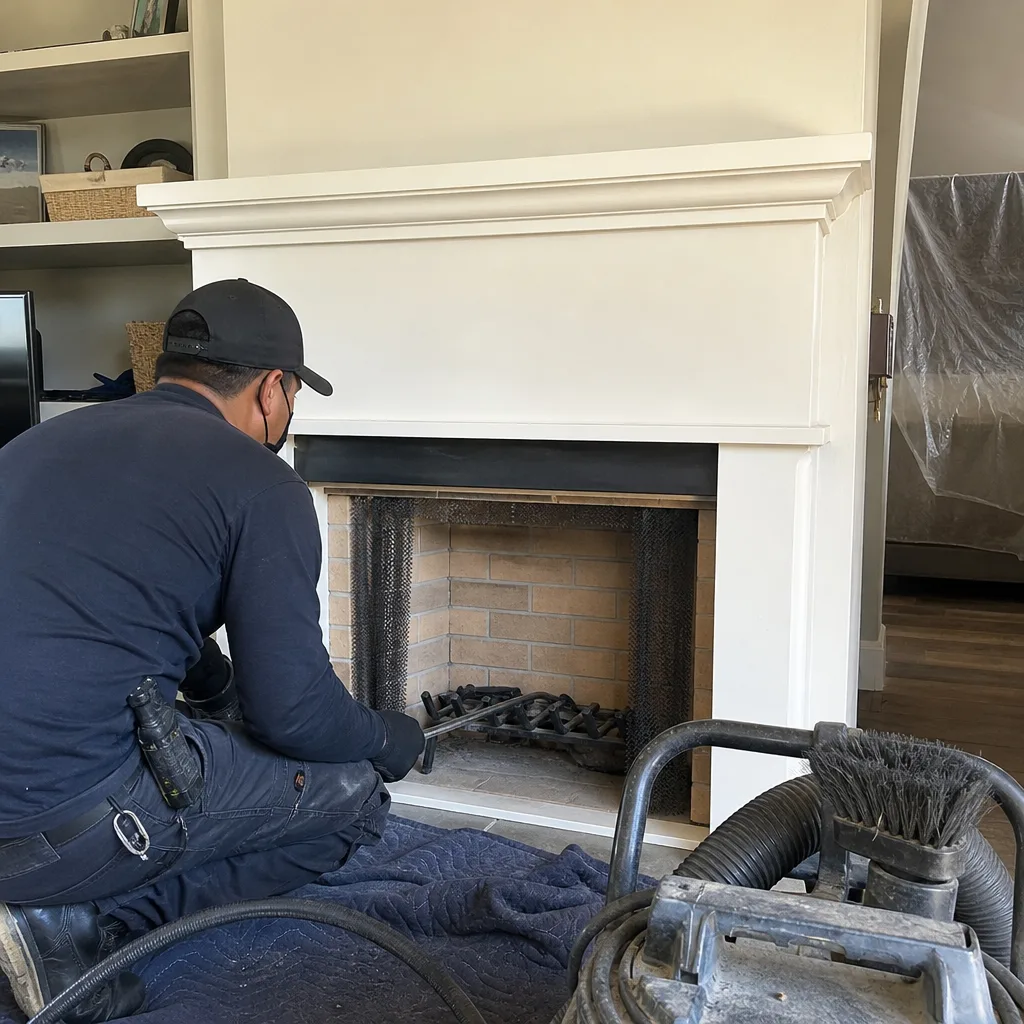
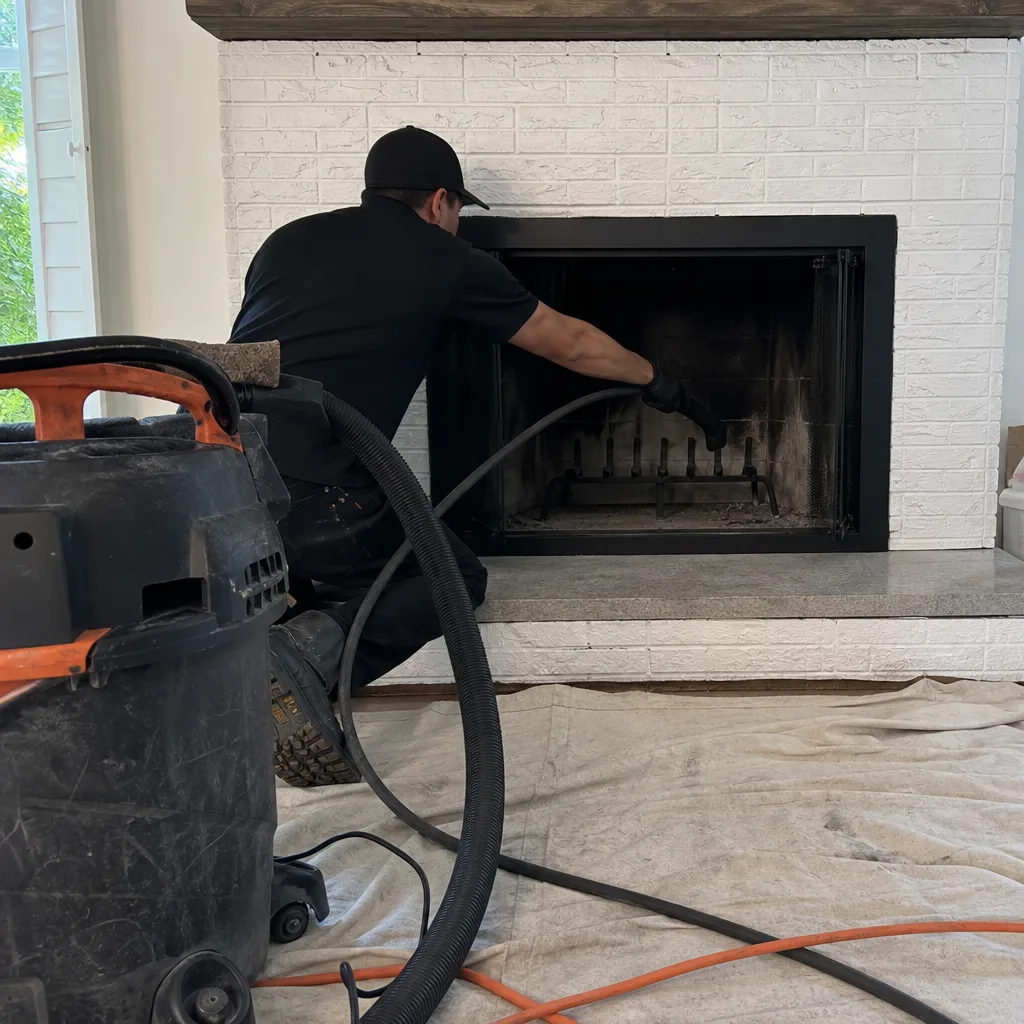
Level 1 sweep and inspection to the NFPA 211 annual standard - flue, crown, cap, and flashing checked and photographed
Chimney sweep logs do not sweep chimneys. They loosen some creosote - which then falls where a brush and vacuum still have to collect it.
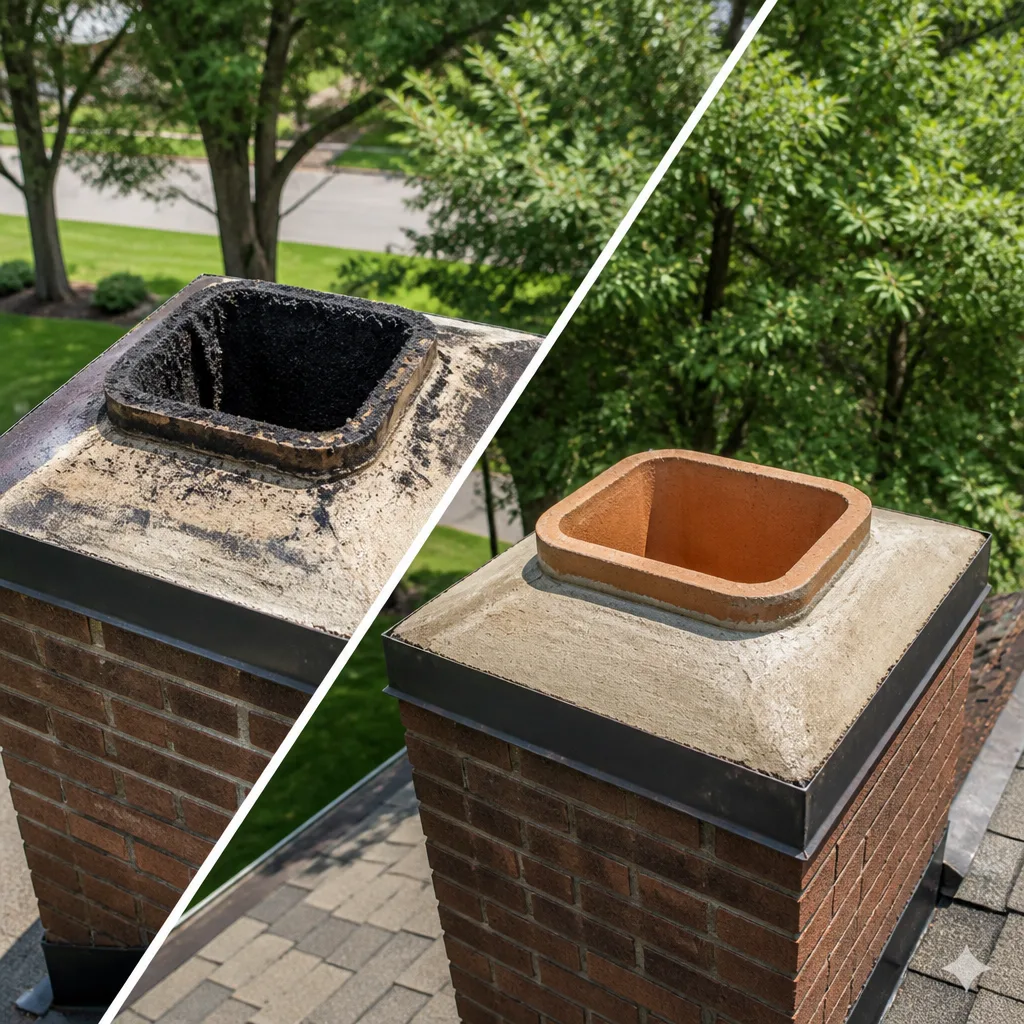
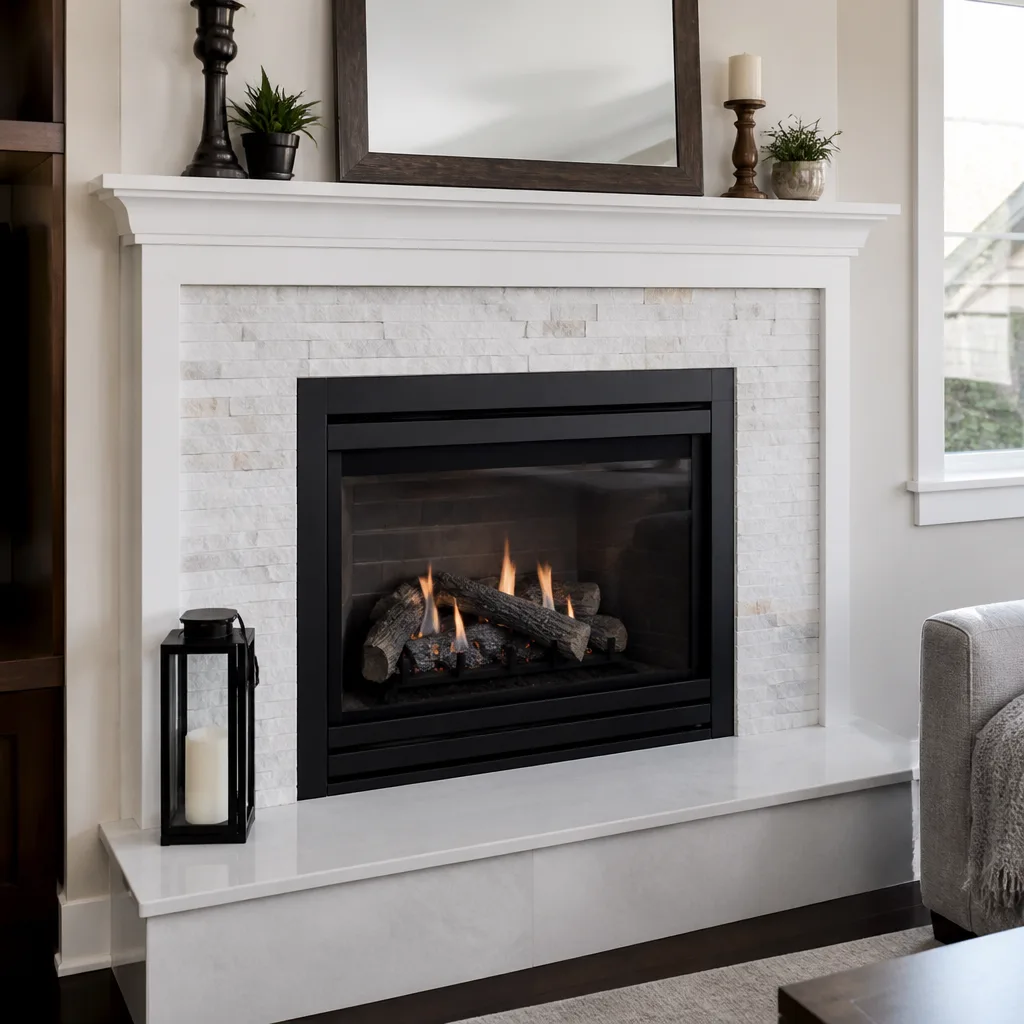
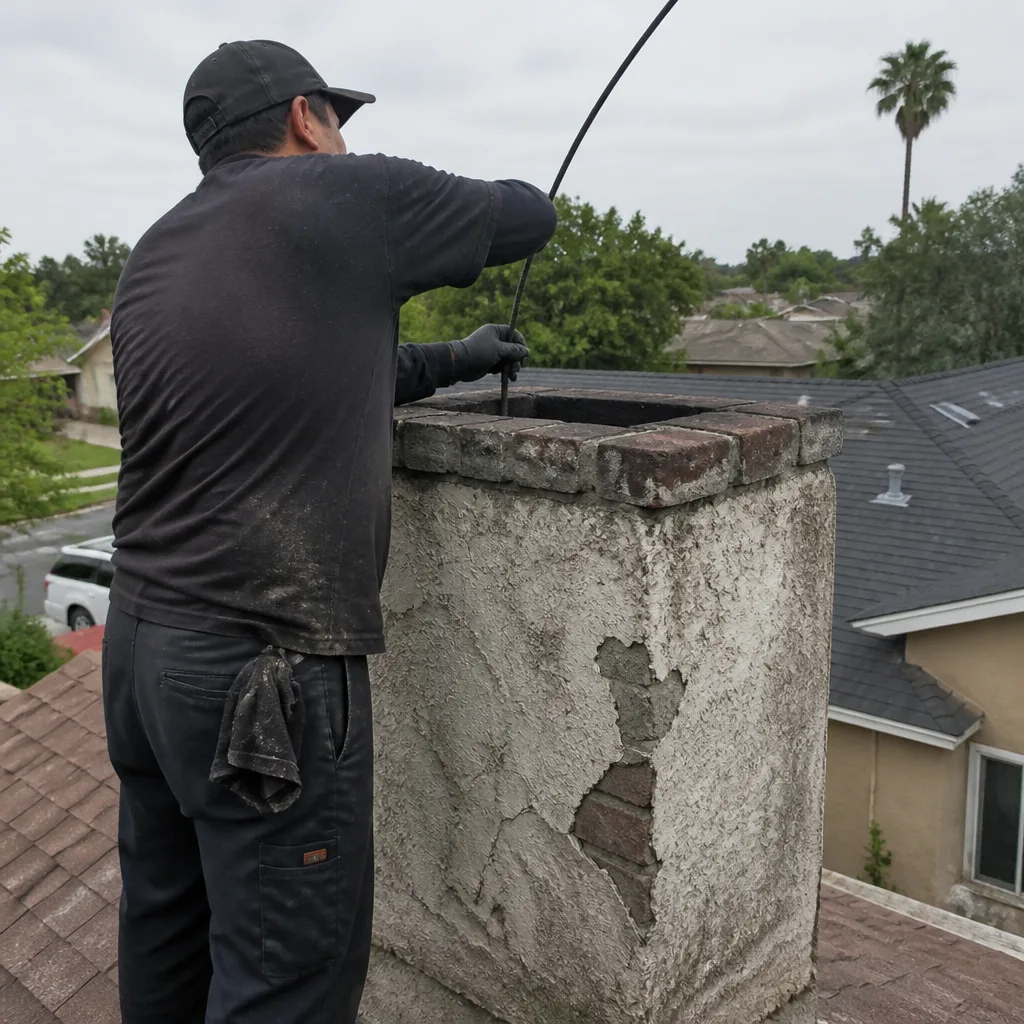 Before
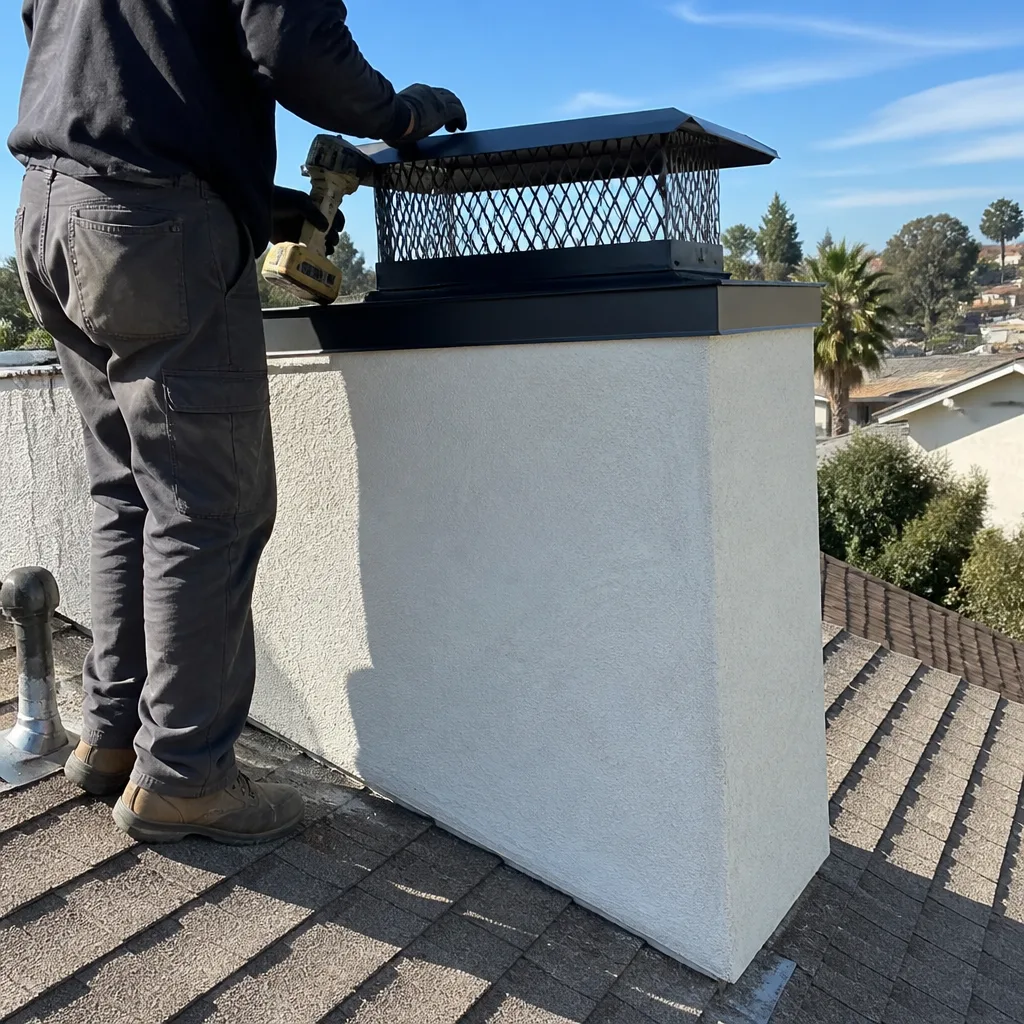 After
After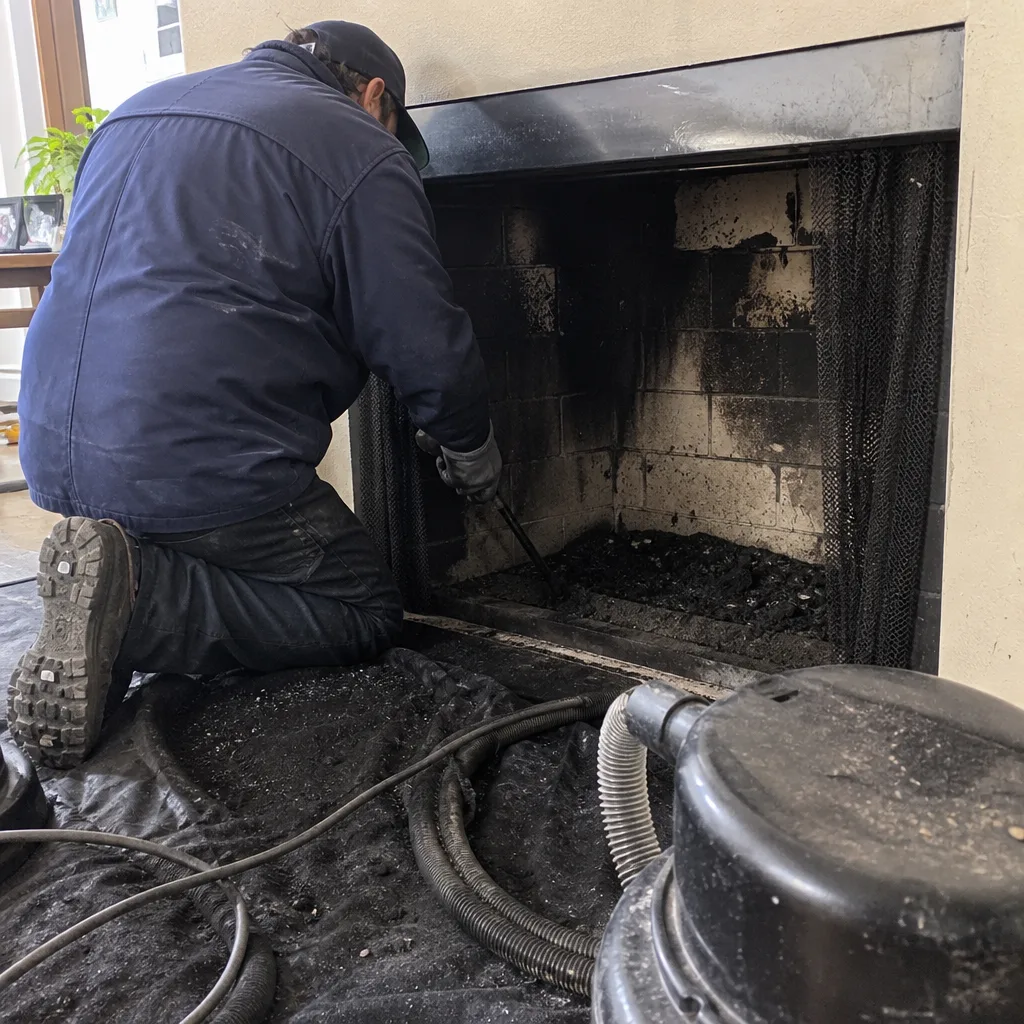 Before
 After
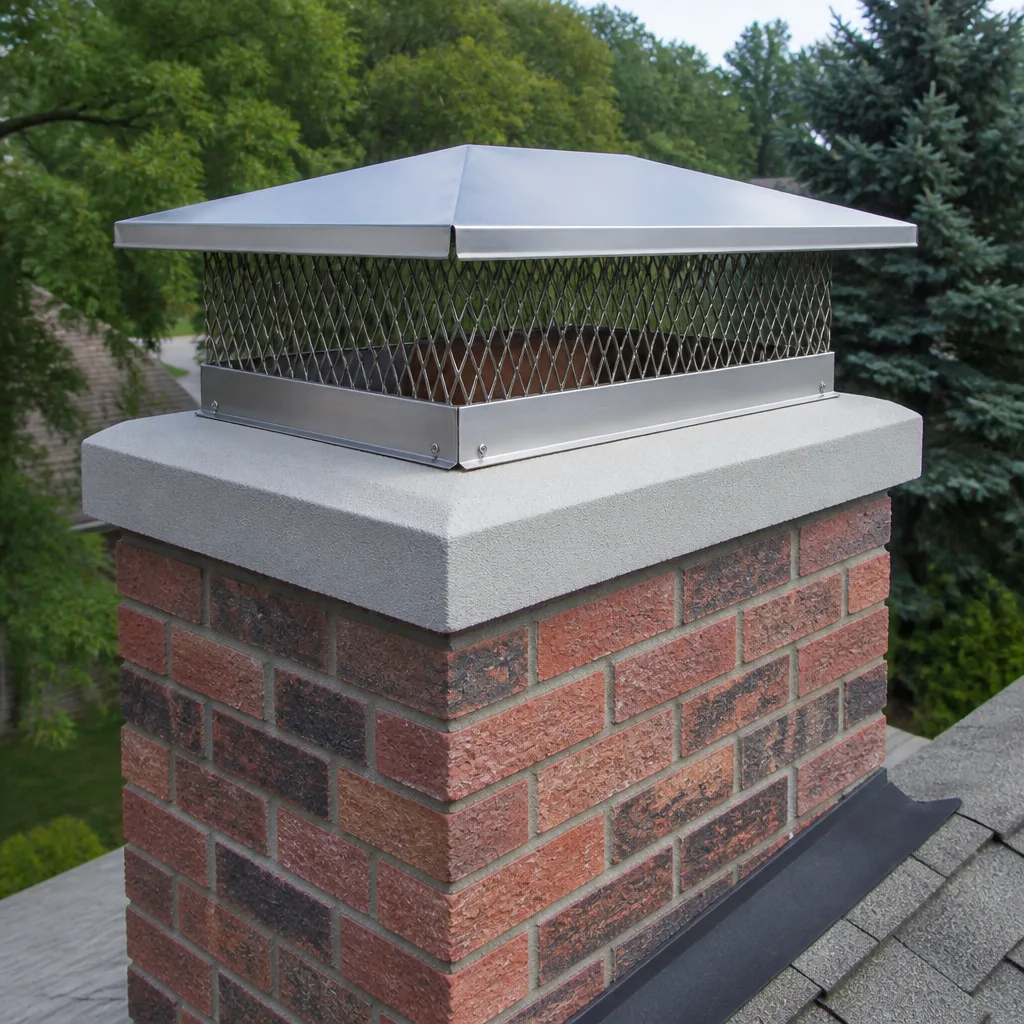
After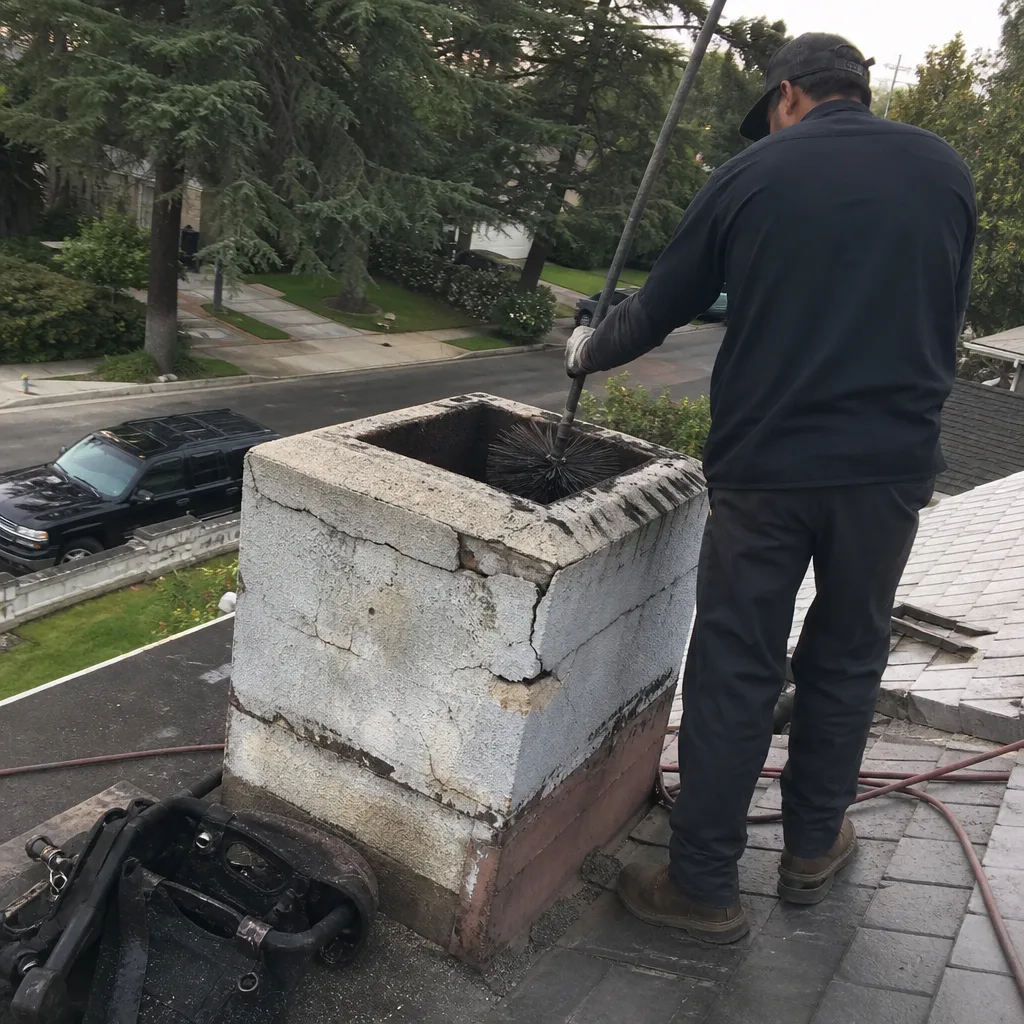 Before
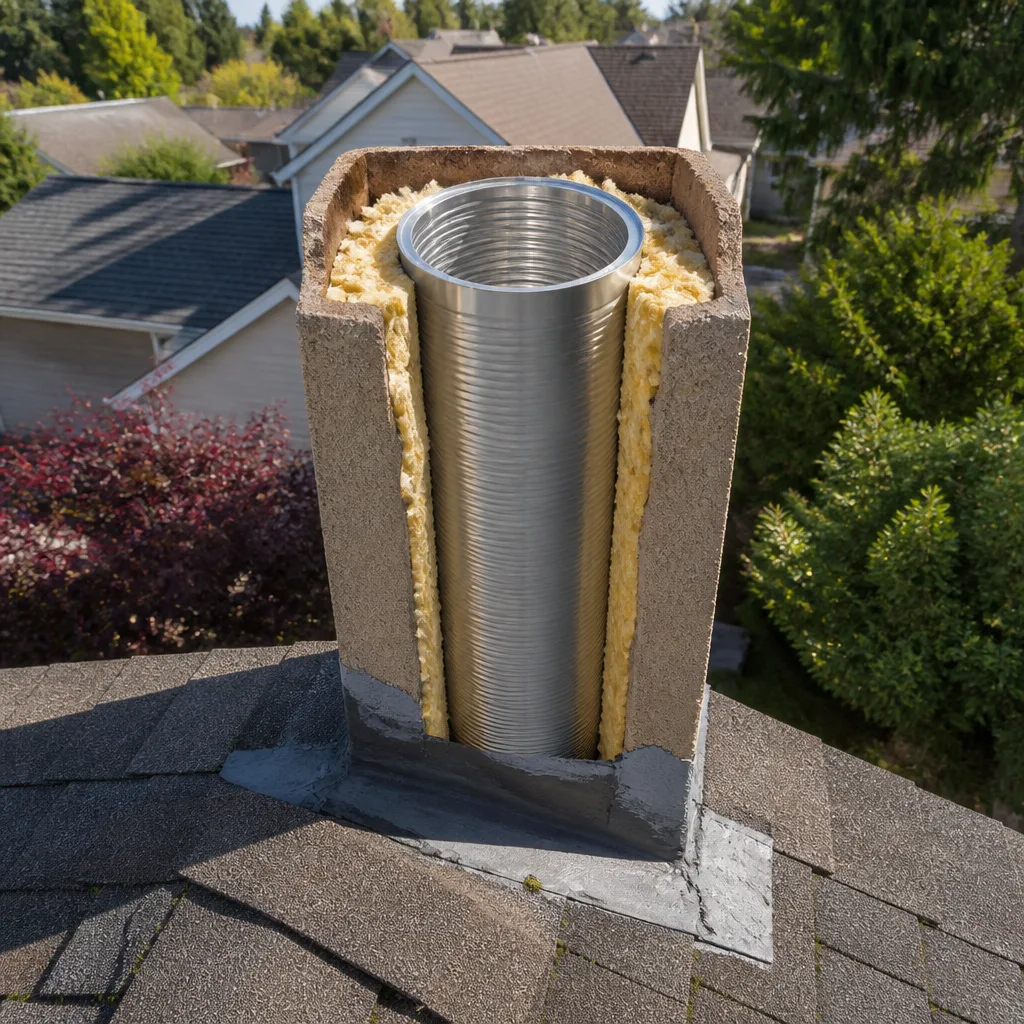
 After
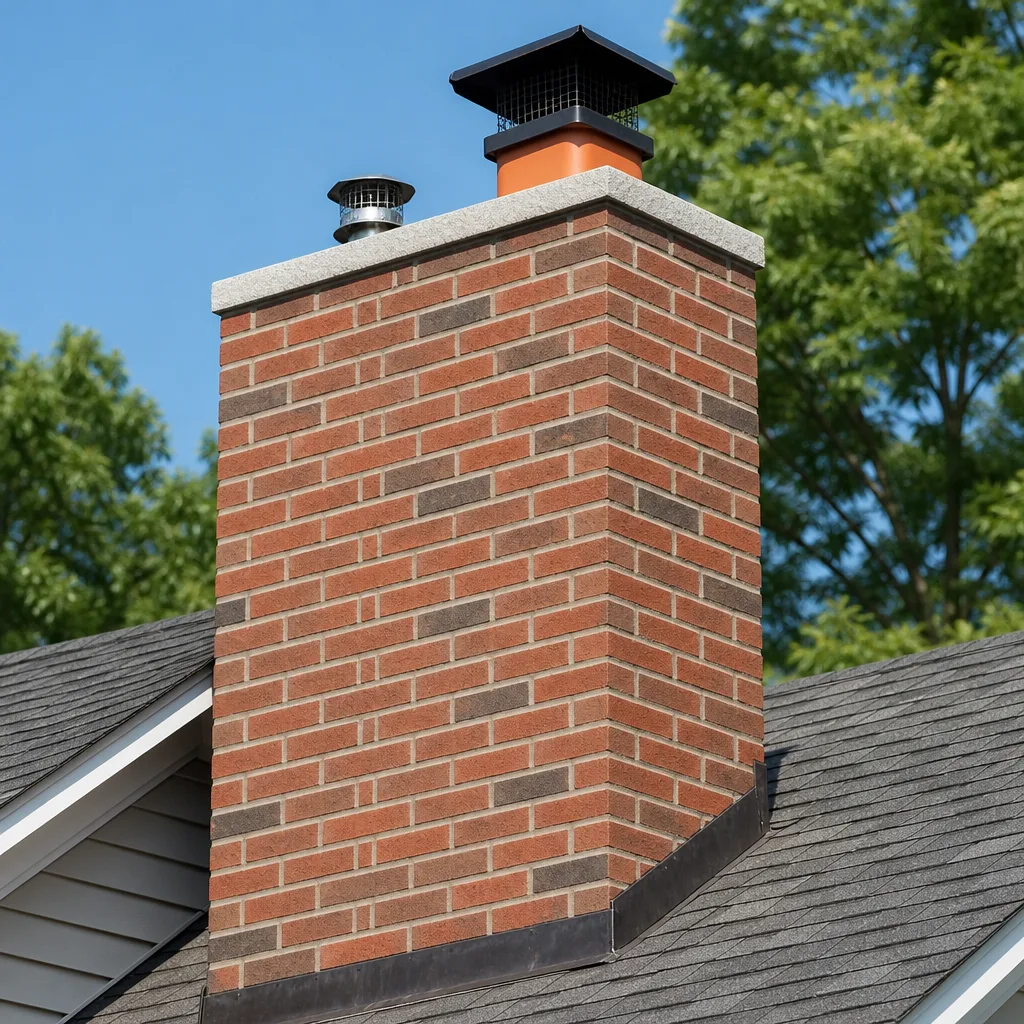
AfterChimney Cleaning Warning Signs: A Los Angeles Homeowner’s Reference Guide
The most dangerous chimney warning sign in Los Angeles isn’t smoke billowing into your living room or flames licking the mantel. It’s the absence of smell when you open the damper on an idle fireplace that should carry a faint, musty odor. A completely neutral smell often means your flue is so clogged that air isn’t moving at all, trapping carbon monoxide and combustion gases in a stagnant column. In this guide, you’ll learn ten Chimney Inspection Warning Signs Every Homeowner Should Know described with sensory specificity so you can accurately report what you found, distinguish between “stop using immediately” and “schedule within 30 days,” and document observations safely for your technician.
Quick Answer
Chimney cleaning warning signs in Los Angeles include visible creosote buildup (shiny black tar or flaky brown deposits), a persistent campfire smell when the fireplace isn’t in use, smoke entering the room during fires, white efflorescence streaks on exterior brick, and a damper that sticks or won’t fully open. Immediate stop-use situations include visible flames or sparks escaping the firebox, a strong gas odor from a gas fireplace, or crumbling mortar falling into the hearth. Most other signs warrant scheduling a chimney sweep in Los Angeles within two to four weeks.
Table of Contents
- The Ten Warning Signs: What Each Looks, Smells, and Sounds Like
- Immediate Stop-Use Situations vs. Schedule Within 30 Days
- Los Angeles-Specific Warning Signs: Earthquakes, Dry Heat, and Brush Fires
- How to Safely Photograph and Document What You Observe
- Signs That Appear Only During or Immediately After a Fire
- Common Mistakes to Avoid
- When to Call a Professional
- Frequently Asked Questions
The Ten Warning Signs: What Each Looks, Smells, and Sounds Like
Most warning-sign lists fail because they describe conditions in terms no homeowner can verify. “White staining” could be anything. “Strange odors” is useless. Here’s what we’ve actually observed in Los Angeles homes from Sherman Oaks to San Pedro over twenty-plus years.
1. Creosote Buildup: The Three Stages
Creosote is the tar-like byproduct of burning wood, and it accumulates in three distinct forms. Stage one is a fine, dusty soot you can wipe off with a finger, like fireplace ash that clings to the damper. Stage two is crunchy, black flakes that resemble burnt cornflakes and will shower down when you touch the flue walls with a flashlight. Stage three is the dangerous one: a shiny, black, enamel-hard glaze that looks like obsidian and cannot be scraped off without professional tools. If you see stage three, the flue is at significant fire risk.
In Los Angeles, where many homeowners burn Duraflame logs or pressed wood products for ambiance rather than heat, we see accelerated stage-three buildup because these fuels burn cooler and less completely than seasoned hardwood. The cooler flue temperatures prevent complete combustion of volatile gases, which condense as liquid creosote that hardens into glaze.
2. The Campfire Smell That Won’t Quit
A healthy fireplace smells like nothing when not in use, or perhaps faintly of cold ash. If you detect a persistent campfire or smoky odor, especially on humid days or when the HVAC system runs, creosote is off-gassing through micro-gaps in the damper seal. The smell is sharpest in the morning when air pressure differentials push chimney air downward. In coastal Los Angeles neighborhoods like Venice or Playa del Rey, where marine layer humidity penetrates inland, this odor intensifies because moisture reactivates dried creosote compounds.
3. Smoke Entering the Room
Smoke rollback has specific characteristics. It doesn’t creep; it arrives in visible pulses, usually within five minutes of lighting the fire. The smoke smells sharper than campfire smoke, almost chemical, because you’re inhaling it before it has risen and cooled. Your eyes water immediately. If this happens consistently, suspect three causes: a cold flue that hasn’t warmed enough to establish draft, a partial blockage from nests or debris, or a damaged liner creating turbulence. Our Chimney Inspection Troubleshooting: Common Problems and How to Fix Them covers each in detail. In the Santa Monica Mountains and hillside areas of Los Angeles, sudden downdrafts from canyon winds can mimic smoke rollback, so note whether the problem occurs only on windy days.
4. White Efflorescence: The Streak That Returns
True efflorescence isn’t dirt. It’s a chalky white streak on exterior brick that reappears within two weeks of being scrubbed off. The streak feels gritty, like table salt, and will dissolve slightly if you touch it with a damp finger. It indicates water vapor migrating through the masonry, carrying dissolved salts to the surface. In Los Angeles, where irrigation systems frequently overspray foundation plantings against chimney breasts, we see this concentrated on the south and west faces where afternoon sun drives evaporation through the brick. Persistent efflorescence means the chimney crown or mortar joints are compromised.
5. The Silent Damper
A damper that sticks, grinds, or won’t fully open is more than an inconvenience. When partially open, it creates a turbulent throat that prevents proper draft and deposits creosote unevenly. The specific sound to listen for: a scraping metallic groan rather than smooth pivoting, or a handle that requires two hands to operate. In older Los Angeles homes, particularly in neighborhoods like Los Feliz and Hancock Park with original 1920s masonry, we’ve found dampers frozen by decades of rust where galvanized steel has corroded against the flue throat.
6. Spalling Brick and Crumbling Mortar
Spalling is when brick faces flake off in curved, shell-like pieces, exposing the softer interior. You may find reddish debris in the firebox or on the hearth that isn’t ash. Mortar crumbling between joints feels sandy and will pour out if you probe gently with a screwdriver. Both indicate moisture infiltration, but the source differs: spalling usually means water entering from above (failed crown or cap), while mortar deterioration often means lateral moisture from driving rain or, in Los Angeles, the thermal expansion from our intense dry-heat cycles.
7. Rust on the Damper or Firebox
Rust appears as orange-brown staining that streaks downward, never upward. On a damper, it collects at the pivot points and along the lower edge where condensation pools. In the firebox, it forms at the rear wall where the most combustion moisture collects. Rust means water is entering from somewhere, and in Los Angeles’s minimal-rainfall climate, even small rust deposits are significant because they represent sustained moisture intrusion, not occasional weather exposure.
8. Animal Noises or Debris
Scratching, rustling, or chirping from the flue, especially at dawn or dusk, indicates nesting. The debris you might see: twigs, straw, or shredded insulation dropping into the firebox, or a downward shower of organic material when you open the damper. Swifts, raccoons, and squirrels are common in Los Angeles, and nesting season runs February through August. A nest can partially block the flue while appearing to leave adequate passage, creating a situation where the chimney drafts adequately for small fires but fails under full combustion load.
9. A Fire That Burns Poorly
A fire that struggles to consume logs, produces excessive smoke at the chimney top, or requires constant tending to stay lit indicates inadequate oxygen supply or draft. The specific behavior: logs that char black but don’t flame, a fire that collapses into smoldering rather than active burning, or flames that lean visibly toward the firebox opening rather than rising straight. These are often the first signs of a partially blocked flue before smoke rollback becomes obvious.
10. The Absence of Expected Smell
As noted in our opening, a completely neutral smell when you open the damper on an idle fireplace can indicate dangerous blockage. A healthy chimney carries the faint must of cold ash, outdoor air, or slight dampness. Complete absence of smell suggests the flue is so obstructed that no air exchange is occurring, creating a stagnant column that can backdraft combustion gases when the fire is lit.
Immediate Stop-Use Situations vs. Schedule Within 30 Days
Not every warning sign demands the same response. Misjudging urgency is how manageable situations become emergencies, and how homeowners end up paying premium rates for after-hours calls that could have been routine appointments. See our Chimney Inspection Maintenance Schedule: What to Do and When for clear timelines.
Stop Using Immediately and Call for Emergency Inspection
- Visible flames or sparks escaping the firebox through cracks, at the hearth edge, or around the lintel. This indicates a breach in the firebox enclosure and potential structural fire risk.
- Strong gas odor from a gas fireplace or insert. Natural gas and propane are odorized specifically so you can detect leaks. Any gas smell requires immediate shutoff at the appliance valve and professional response.
- Chunks of masonry falling into the firebox during use. This indicates active structural failure and potential chimney collapse.
- A loud cracking or popping sound from within the chimney structure during a fire, distinct from normal wood combustion noises. This can indicate a chimney fire in progress within the flue.
- Smoke detectors activating throughout the house when the fireplace is in use, indicating widespread smoke infiltration through wall cavities.
Schedule Within 30 Days
- Any stage of creosote buildup visible during routine inspection
- Efflorescence that returns after cleaning
- Sticking or grinding damper operation
- Persistent campfire odor when fireplace is not in use
- Minor spalling or mortar erosion without active debris fall
- Rust staining limited to surface discoloration
- Animal noises or minor debris without complete blockage
The distinction matters for scheduling and cost. Emergency inspections outside normal hours carry premium rates at every company. A 30-day scheduling window allows you to book a chimney inspection in Los Angeles at standard rates, often with more flexible timing.
Los Angeles-Specific Warning Signs: Earthquakes, Dry Heat, and Brush Fires
Los Angeles chimney conditions differ from those in wetter, colder, or more seismically stable regions. Three local factors create warning signs that national guides miss entirely.
Earthquake Micro-Cracking
Los Angeles experiences frequent minor seismic activity that doesn’t make news but progressively damages masonry. The specific sign: hairline cracks in the chimney crown or at the chimney-to-roof junction that follow no obvious water-damage pattern. These cracks may be perfectly vertical or stepped in a stair pattern following mortar joints. Unlike freeze-thaw cracking in colder climates, which tends to be horizontal and spalling, earthquake micro-cracking is irregular and may appear on multiple faces of the chimney. We’ve found significant micro-cracking in homes from the 1971 San Fernando earthquake onward, particularly in the Valley and Pasadena areas where alluvial soil amplifies ground motion.
These cracks admit water that accelerates other damage, but the root cause is structural movement. Sealing the cracks without addressing underlying stability is temporary at best. Our inspections include assessment of whether micro-cracking is active (widening) or stable, which determines whether Alcott Chimney Sweep home recommends monitoring, repair with HeatShield resurfacing, or structural reinforcement.
Dry-Heat Crown Deterioration
Chimney crowns in Los Angeles fail differently than in wet climates. Instead of gradual water erosion, our intense solar exposure and low humidity cause concrete crowns to develop surface crazing, a network of fine cracks resembling dried mud, within five to seven years of installation. The concrete becomes chalky and porous, losing its protective slope. Water that does penetrate, typically during our brief winter rains or from irrigation overspray, soaks rapidly into this degraded surface rather than running off.
The specific warning sign: a crown surface that looks uniformly gray and dusty rather than showing clean trowel marks, with visible cracking but no moss or vegetation growth (which would indicate persistent moisture in wetter climates). In neighborhoods like Woodland Hills and Calabasas where summer temperatures exceed 100 degrees for weeks, we’ve seen crown degradation accelerate to three-year cycles.
Brush-Fire Ember Intrusion
Los Angeles’s wildfire risk creates a chimney hazard almost unique to fire-prone Western cities. During major brush fires, embers can travel miles on wind currents and enter chimneys through open or damaged tops. The warning sign, observable only after a nearby fire event: a scattering of fine, lightweight ash in the firebox that doesn’t match your usual fuel ash, or small charred fragments of vegetation (needles, leaf bits) on the damper or smoke shelf. These indicate ember intrusion that may have deposited live embers in creosote deposits, creating latent fire risk even if no ignition occurred.
After any major area fire, particularly in the foothill zones from Malibu to the Angeles National Forest interface, we recommend inspection even if the chimney appears unaffected. Our technicians use camera inspection to verify that no ember deposition occurred in the upper flue where it would be invisible from below.
How to Safely Photograph and Document What You Observe
Accurate documentation helps your technician prepare appropriately and can reduce diagnostic time on site. Here’s how to capture useful images without endangering yourself.
- Use a flashlight, never a flame. Never use a match, lighter, or candle to illuminate the flue. A flashlight with a narrow beam, even a phone light, is adequate and eliminates ignition risk near creosote deposits.
- Photograph the damper from below. Open the damper fully, lie on your back with the flashlight aimed upward, and photograph the damper blade and the visible flue walls above it. Capture any visible buildup color and texture.
- Document exterior conditions from ground level. Use your phone’s zoom rather than climbing. Photograph the chimney crown, cap, and visible brick faces. Include a reference object (your hand, a coin) in frame for scale on cracks or spalling.
- Record the firebox conditions. Photograph the rear wall, side walls, and floor, noting any rust staining, mortar loss, or debris. Clean ash away first for clarity.
- Note dates, weather, and usage. Send your technician: when you first noticed the sign, recent weather conditions (especially Santa Ana wind events), and how frequently you use the fireplace. This context often explains symptoms that images alone cannot.
- Never climb the roof. Chimney exterior photography from ground level or a securely positioned ladder at gutter height is sufficient. Roof work requires proper fall protection and training.
Send images when you call for your estimate. Our office can route them to your assigned technician for preliminary review, and you’ll know the technician’s name and see their photo before we arrive.
Signs That Appear Only During or Immediately After a Fire
Some warning signs are transient, visible only in active use or within minutes of extinguishing the fire. Observing these safely requires planning.
During the Fire
- Smoke leakage at the chimney-to-wall junction: Visible wisps emerging from trim or wall surfaces near the chimney breast, indicating liner breach or missing mortar allowing flue gases into wall cavities. Observe from across the room; do not approach closely.
- Discoloration of surrounding walls: Heat staining or bubbling paint on walls adjacent to the chimney, indicating inadequate clearance between chimney structure and combustible framing. This develops over multiple fires but may be first noticed during active burning when heat transfer is maximum.
- Visible flame color change: Flames that burn predominantly orange with lazy, rolling tips rather than blue-based with defined shape, indicating incomplete combustion from inadequate air supply or flue restriction.
Immediately After Extinguishing
- Rapid heat retention in surrounding walls: Walls near the chimney that remain noticeably warm to touch 30 minutes after the fire is out, suggesting heat transfer to concealed structure.
- Unusual odors during cool-down: A sharp, acrid smell distinct from normal wood smoke, possibly indicating synthetic material combustion (previous homeowner debris, animal nesting materials) or creosote ignition.
- Audible ticking or pinging as the chimney cools: Normal thermal contraction sounds are rhythmic and gradual. Rapid, irregular ticking suggests masonry stress or metal liner expansion beyond normal range.
For any of these observations, note the specific time, fire duration, and fuel type. This information significantly narrows diagnostic possibilities. If you observe smoke leakage or wall discoloration, stop use and schedule inspection before the next fire.
Common Mistakes to Avoid
- Assuming a gas fireplace needs no maintenance because it burns “clean.” Gas fireplaces produce corrosive condensation and require annual inspection of burners, valves, and venting. The “clean burn” myth leads to preventable component failures. For service, see our gas fireplace repair in Los Angeles page.
- Cleaning efflorescence without addressing the moisture source. Scrubbing white streaks satisfies aesthetics temporarily but allows ongoing water damage to mortar and liner. The streaks will return within weeks.
- Using chimney cleaning logs as a substitute for professional sweeping. These products may reduce light soot but cannot remove stage-three glazed creosote and provide no inspection of structural conditions.
- Ignoring seasonal timing. In Los Angeles, scheduling sweeps between October and December means competing with every other homeowner. Summer appointments offer better availability and often reveal problems before burning season urgency.
- Assuming new construction means problem-free. We’ve found construction debris, incomplete mortar, and missing dampers in Los Angeles homes less than five years old, particularly in tract developments where subcontractors, not chimney specialists, installed fireplaces.
- Photographing from unsafe positions. Ground-level and interior documentation is sufficient. Falls from roofs and ladders cause far more homeowner injuries than chimney fires.
- Delaying inspection after purchasing a home. Los Angeles real estate transactions rarely include chimney inspection. The seller’s disclosure “never used fireplace” tells you nothing about condition, and deferred maintenance is common in rental conversions and flips.
When to Call a Professional
Call when you observe any warning sign you cannot fully explain or safely verify. Specific scenarios: smoke entering the room during normal operation, any gas odor, masonry debris in the firebox, or a damper that won’t fully open. Also call before your first fire of the season if you haven’t used the fireplace in twelve months or more, and after any nearby brush fire event regardless of apparent damage.
Alcott Chimney Sweep offers free estimates in Los Angeles. A technician will arrive with background-check and identity verification completed under the Threshold Standard, and you’ll know their name and see their photo before they arrive. Every job starts with a written price before any work begins, and every repair carries our written 365-Day Done Right Promise. Call (336) 863-3889 to schedule.
Frequently Asked Questions
A standard chimney sweep in Los Angeles typically runs $180 – $280 before any repairs, with inspections adding $120 – $200 depending on accessibility and whether camera evaluation is needed. Prices vary by chimney height, roof access difficulty, and the extent of creosote buildup. We provide a written price before any work begins, and estimates are free. Call (336) 863-3889 for an exact quote based on your specific chimney.
The National Fire Protection Association recommends annual inspection, with sweeping frequency determined by use and fuel type. In Los Angeles, where many homeowners burn occasionally for ambiance rather than primary heat, every one to two years is typical for wood-burning fireplaces with moderate use. Gas fireplaces require annual inspection of burners and venting regardless of apparent cleanliness. Heavy use of pressed logs or unseasoned wood may require annual sweeping.
You should never accept a liner recommendation without camera inspection evidence you can see for yourself. At Alcott, we show you the video. A liner is necessary when the existing clay tile liner is cracked, missing sections, or deteriorated to the point that flue gases contact combustible framing. In Los Angeles, earthquake damage and decades of thermal cycling are common causes. We specify DuraFlex stainless steel liner systems when replacement is indicated, and we will plainly tell you when conditions allow deferral.
Skipped maintenance leads to progressive creosote accumulation, which increases chimney fire risk and reduces draft efficiency. In Los Angeles’s mild climate, the functional consequences may not be obvious because fires are small and occasional. The hidden consequences include carbon monoxide infiltration from incomplete combustion, moisture damage to masonry from compromised crowns, and accelerated deterioration that makes eventual repairs more extensive and expensive. Annual inspection catches these conditions before they require major work.
Summer chimney odors in Los Angeles are usually creosote off-gassing activated by humidity and negative indoor air pressure from air conditioning. The marine layer pushes moisture inland, and HVAC systems create slight vacuum that draws chimney air into living spaces. A thorough sweep removes the odor source, and damper inspection ensures proper sealing. In some cases, a top-sealing damper or chimney cap with better sealing characteristics resolves persistent issues.
Homeowners can and should perform basic visual observation of accessible components: firebox condition, damper operation, exterior brick and crown from ground level. Do not attempt to evaluate the flue interior, roof-level components, or gas connections. These require proper equipment, training, and fall protection. Document what you can see safely and share it with your technician. For complete evaluation, professional inspection with camera equipment is necessary.
The Bottom Line
Chimney warning signs are observable, describable, and actionable when you know what to look for. The ten signs in this guide, the Los Angeles-specific conditions of earthquake damage and dry-heat degradation, and the distinction between immediate stop-use and scheduled maintenance scenarios give you a practical framework. Document what you observe safely, share it with your technician, and never accept major repair recommendations without visual evidence you can evaluate yourself. Regular inspection and timely sweeping prevent the conditions that lead to emergency calls and extensive repairs. Explore our more guides & resources for year-round chimney care.
Written by Ruben Castellano, Owner at Alcott Chimney Sweep, serving Los Angeles since 2002.