
Last updated October 9, 2026
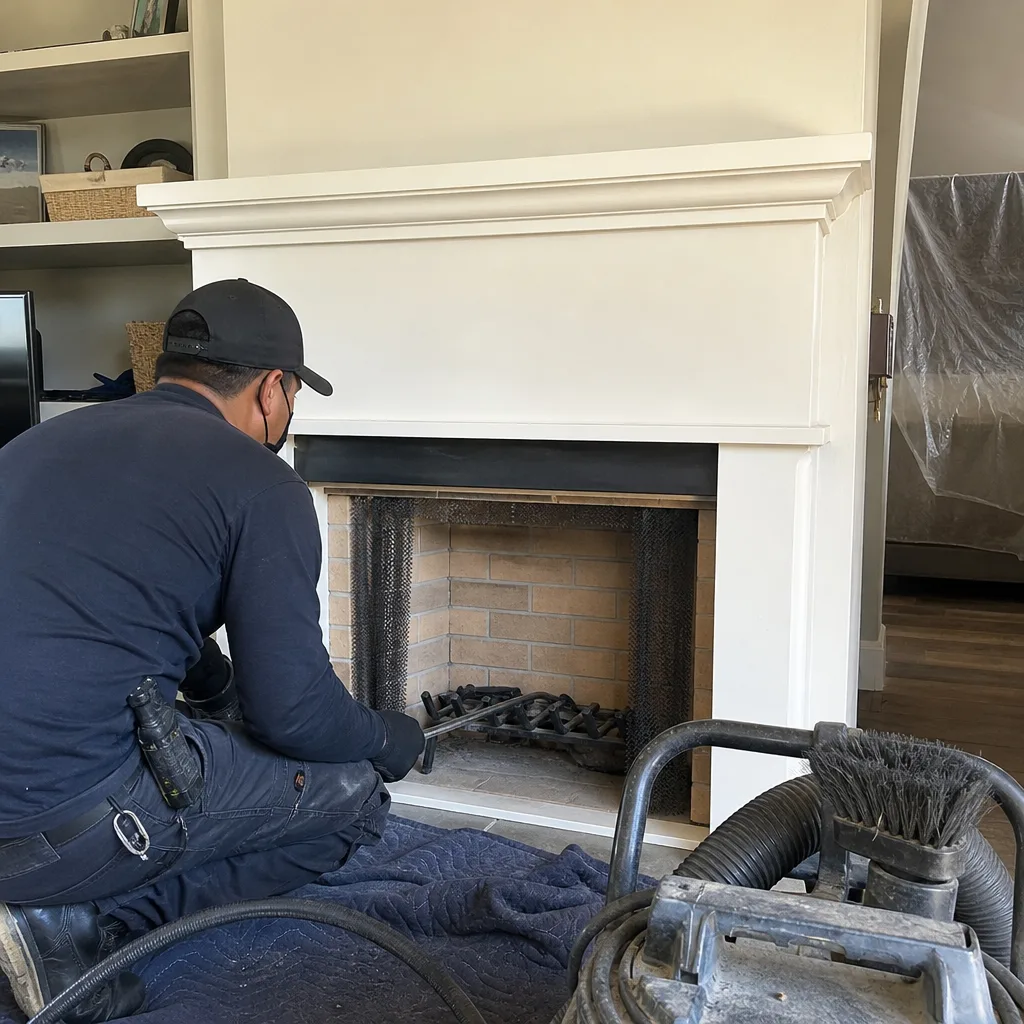
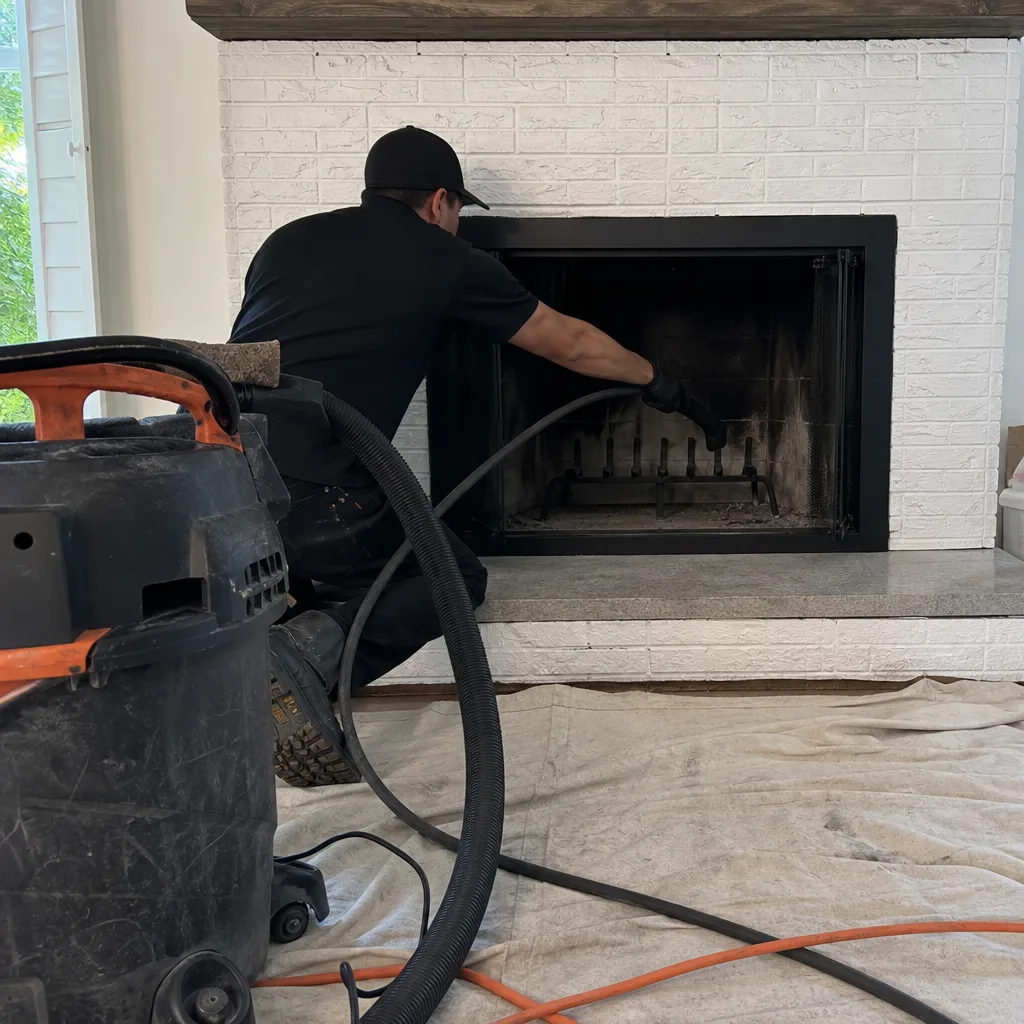
Level 1 sweep and inspection to the NFPA 211 annual standard - flue, crown, cap, and flashing checked and photographed
Chimney sweep logs do not sweep chimneys. They loosen some creosote - which then falls where a brush and vacuum still have to collect it.
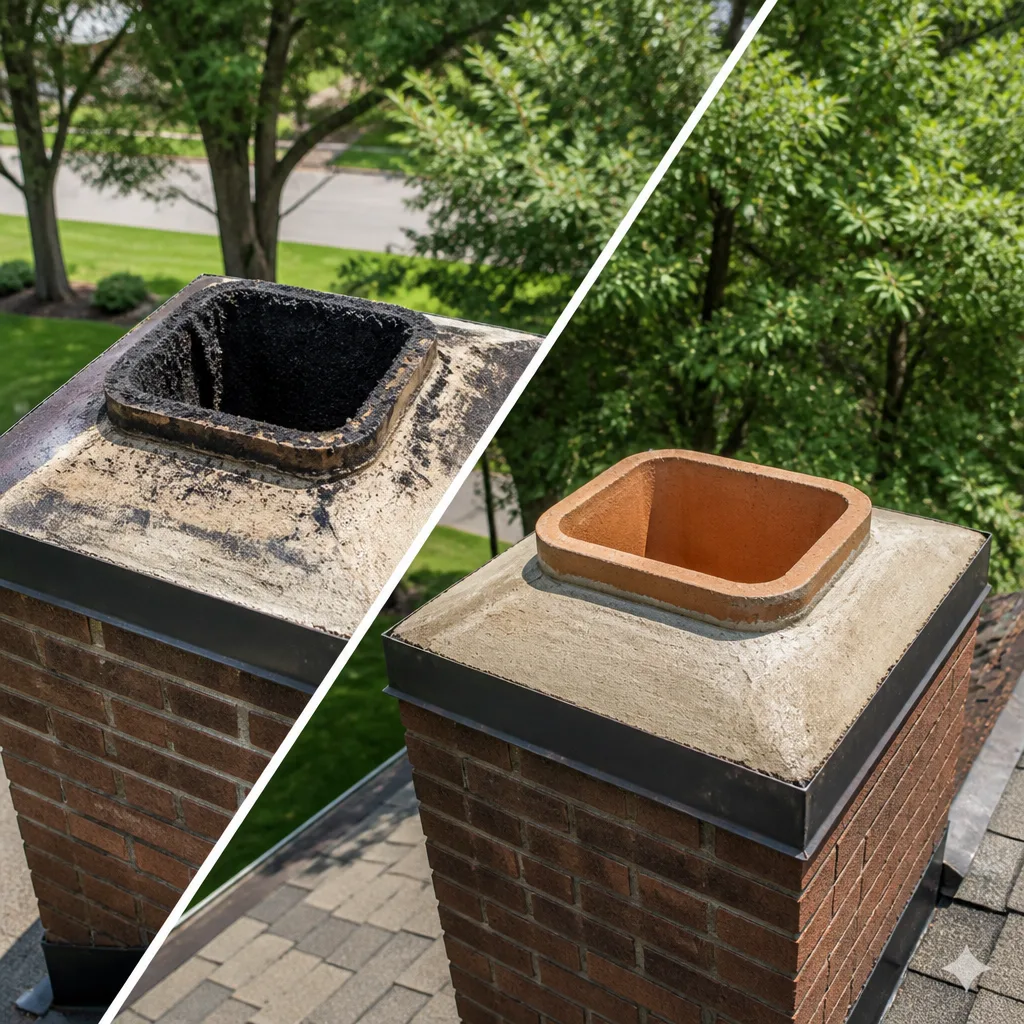
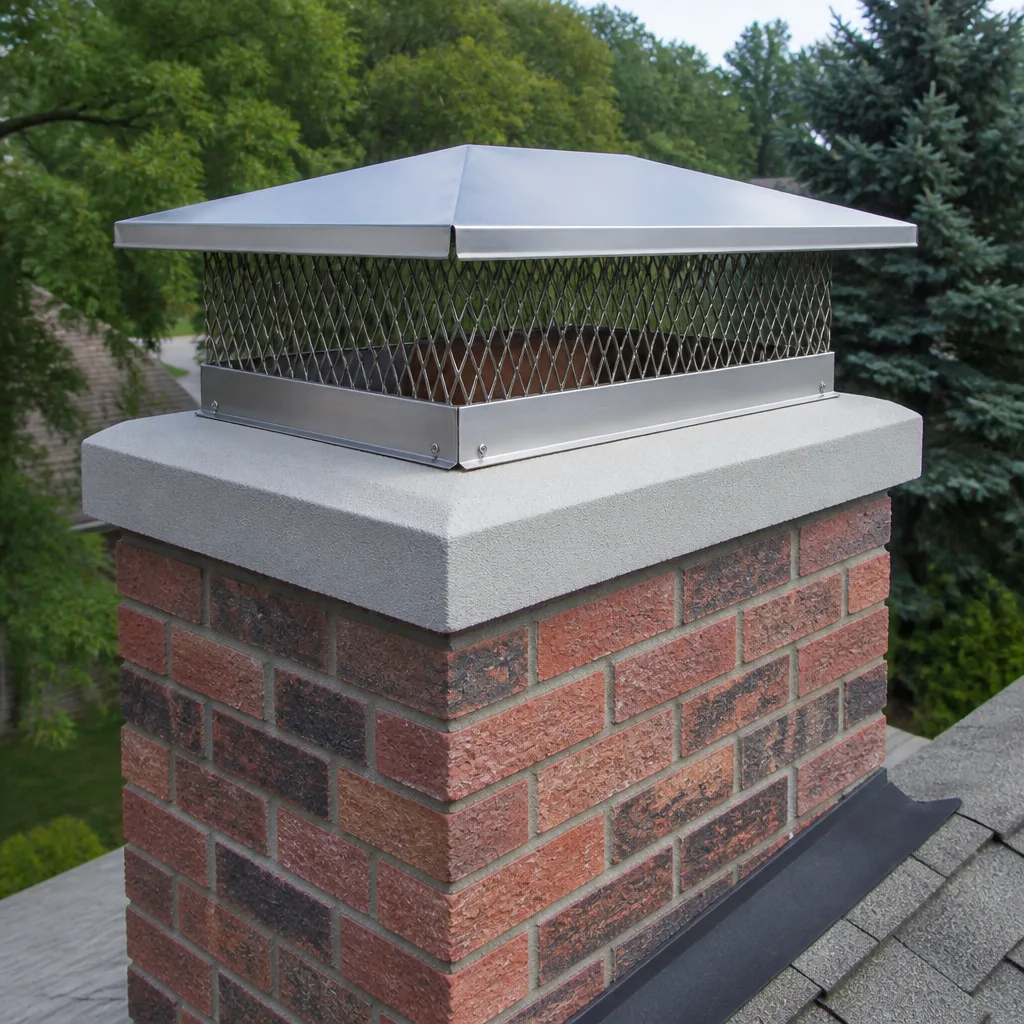
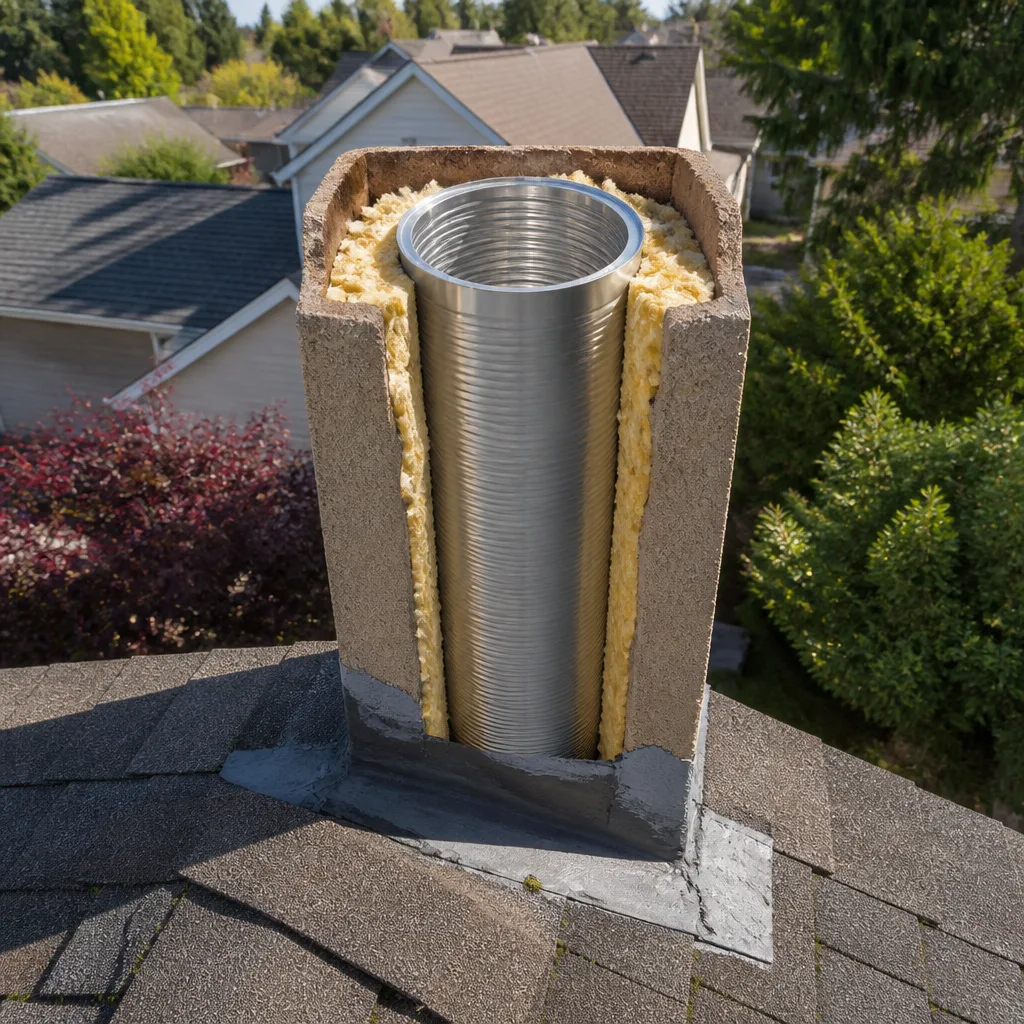
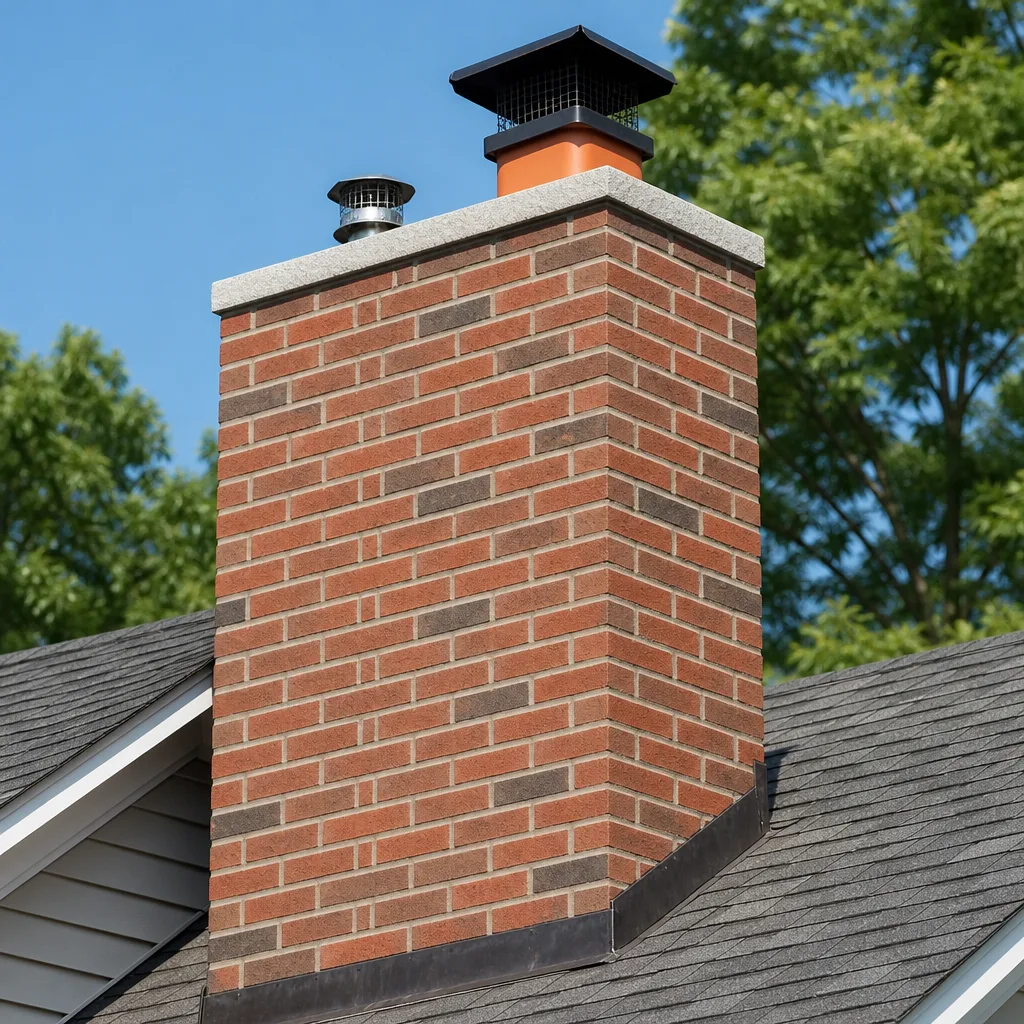
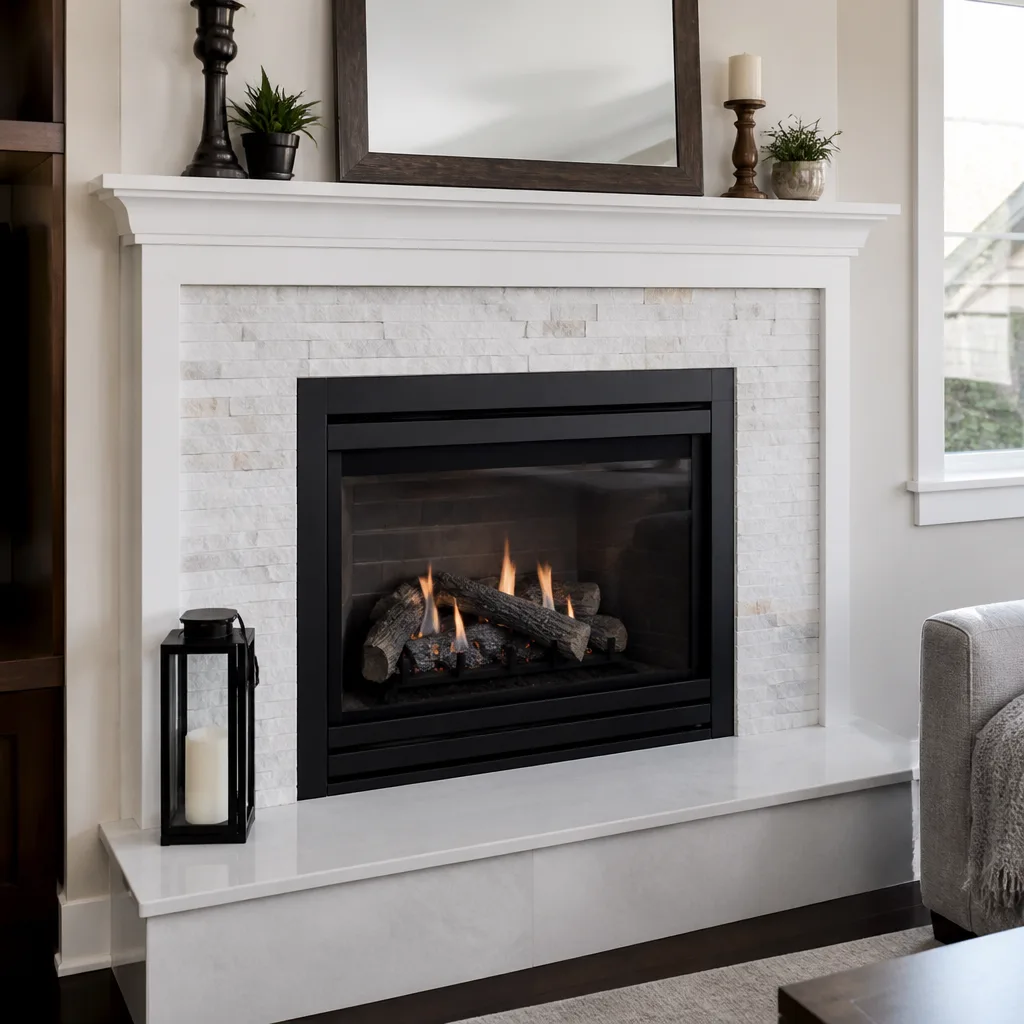
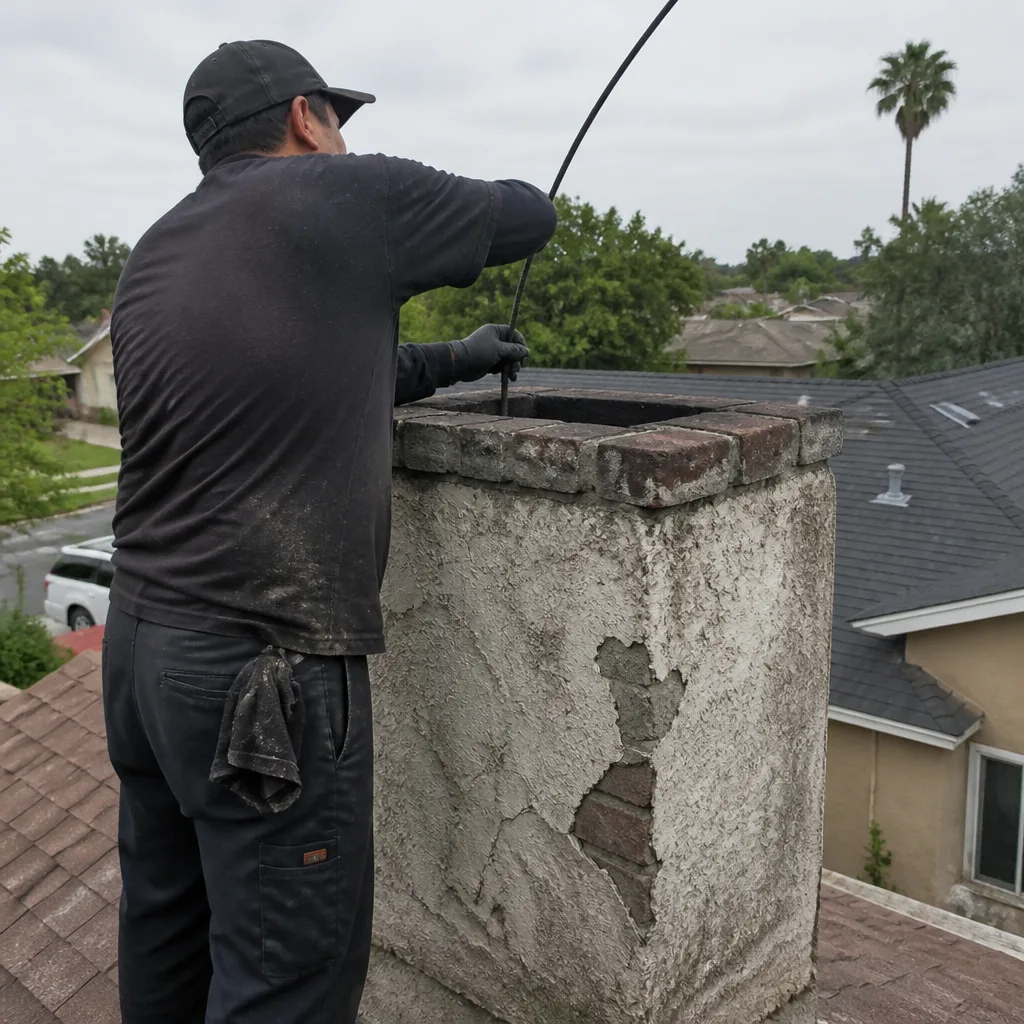 Before
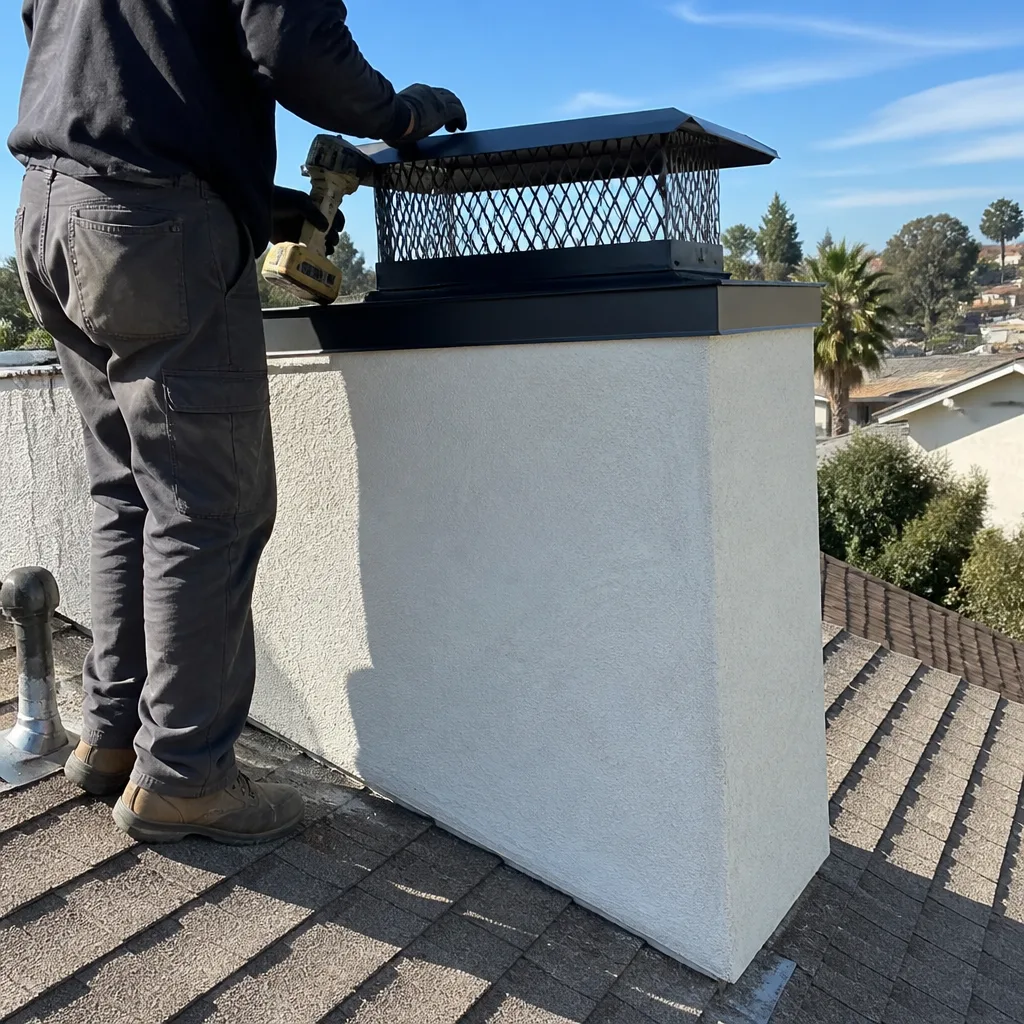 After
After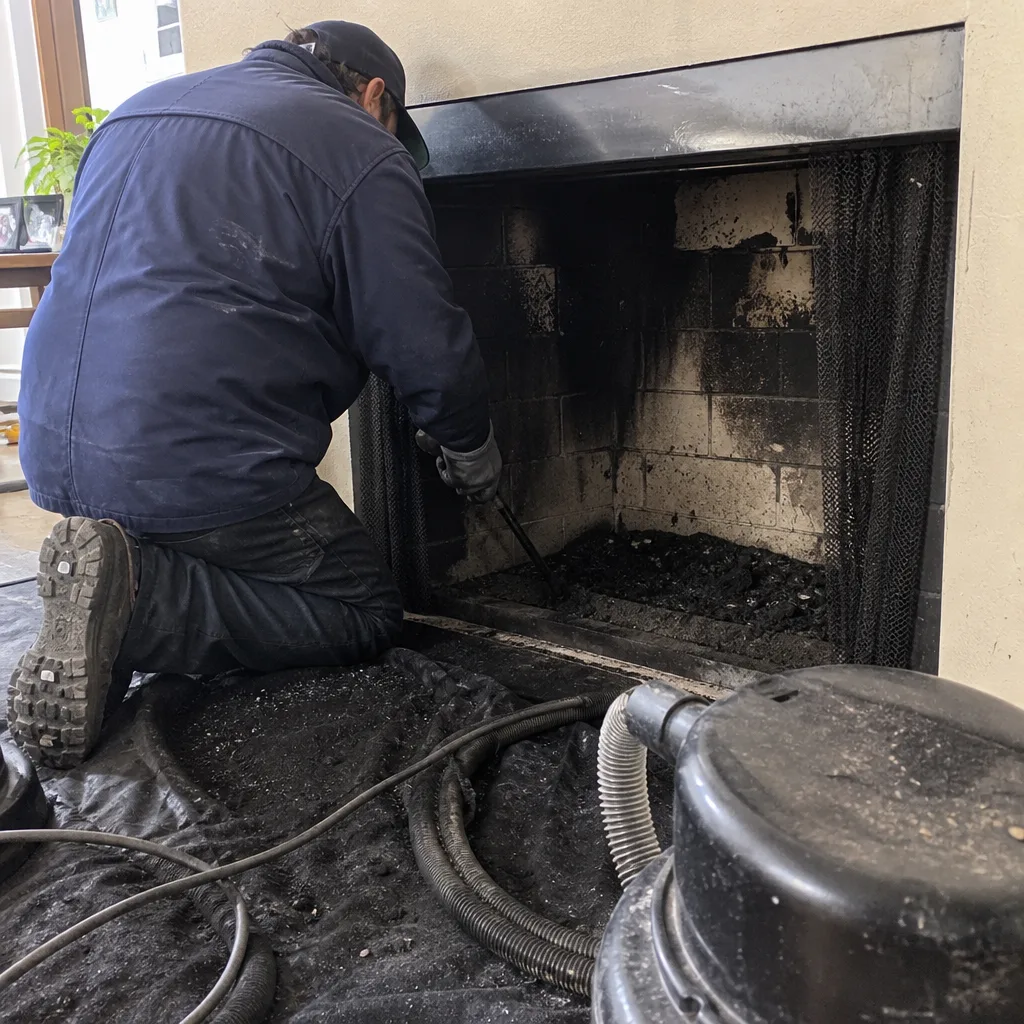 Before
 After
After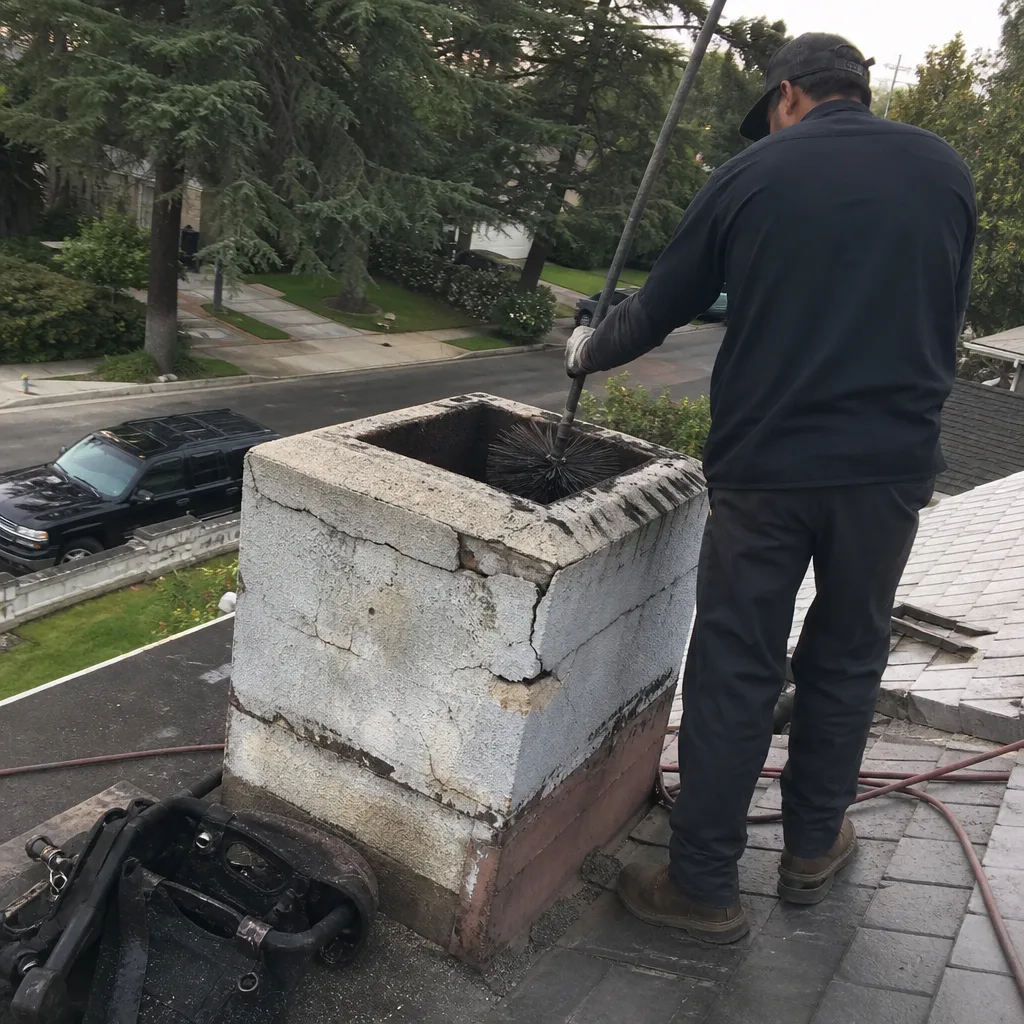 Before
 After
AfterGas Fireplace Repair Warning Signs Every Homeowner Should Know
Here’s what keeps us up at night: a gas fireplace with a yellow flicker in the flame, still pumping out heat in a living room in Silver Lake or Van Nuys, while the family sits three feet away breathing carbon monoxide they can’t smell. The unit “works,” so nobody calls. In Los Angeles, where we run heating systems only a few months each year, warning signs get dismissed because the fireplace sits idle for eight months and the homeowner forgets what normal looked like. This guide splits every symptom into one of two categories – performance problems that need scheduling, and safety signals that need immediate shut-off. Knowing the difference can keep your family alive.
Quick Answer
Gas fireplace repair warning signs fall into two categories: performance issues (weak flames, delayed ignition, uneven heating) that require repair scheduling, and safety emergencies (yellow or orange flames, rotten-egg odor, soot buildup, or a CO detector alarm) that require immediate shut-off and same-day professional inspection. If you smell gas or your CO detector sounds, turn off the fireplace at the shut-off valve, ventilate the room, and call a certified technician before using the unit again.
Table of Contents
- The Two-Tier Warning System: Schedule vs. Shut Off
- What Flame Colors Actually Mean
- Odors and Sounds That Demand Attention
- Warning Signs Outside the Firebox
- Why Some Problems Disappear When the Fireplace Warms Up
- Exact Shut-Off Procedure Before the Technician Arrives
- Common Mistakes to Avoid
- When to Call a Professional
- Frequently Asked Questions
- The Bottom Line
The Two-Tier Warning System: Schedule vs. Shut Off
Every warning sign fits one of two buckets. Mix them up, and you either panic over a minor issue or relax about a lethal one.
Tier 1: Schedule a repair within the week. These affect comfort, efficiency, or long-term wear but don’t pose immediate danger. The fireplace can run while you book an appointment.
- Weak or low flame that still burns blue at the base
- Pilot light that goes out occasionally but relights normally
- Remote or wall switch that responds slowly or inconsistently
- Glass fogging that clears after ten minutes of operation
- Uneven heat distribution – one side of the room warms, the other doesn’t
- Blower fan that rattles, hums, or cycles on and off irregularly
Tier 2: Shut off immediately and call today. These indicate combustion danger, gas leak, or ventilation failure. Do not operate the fireplace again until a certified technician clears it.
- Flame that burns yellow or orange as its primary color, not just at startup
- Rotten-egg or sulfur smell near the unit, the hearth, or anywhere in the home
- Soot accumulation on logs, glass, or the firebox interior
- Carbon monoxide detector activation – any level, any duration
- Cracking or popping sounds from the gas line or valve assembly
- Visible corrosion or damage to the gas line, flex connector, or shut-off valve
In Los Angeles, we’ve seen homeowners in older neighborhoods like Los Feliz and Eagle Rock dismiss Tier 2 signs because their 1940s-era fireplaces “always burned a little yellow.” That was incomplete combustion then, and it’s incomplete combustion now. The difference is that modern gas formulations and tighter home envelopes make the CO risk higher than it was forty years ago.
What Flame Colors Actually Mean
Flame color is the single most reliable indicator of combustion health, and it’s visible to anyone who looks. Here’s the breakdown in plain terms.
Blue with faint yellow tips at startup: Normal. The yellow disappears within two to three minutes as the firebox and burner reach operating temperature. This is the standard behavior for every properly adjusted gas fireplace we’ve serviced in Los Angeles County.
Steady blue throughout operation: Ideal. Complete combustion. Maximum heat, minimum CO, no soot production.
Yellow or orange as the dominant color: Dangerous. The flame is starved for oxygen or the gas-air mixture is wrong. Carbon monoxide production spikes. The heat output may actually increase, which is part of why this sign gets ignored – the fireplace “works better than ever.” It doesn’t. In our experience servicing units from Pasadena to Santa Monica, a persistent yellow flame correlates with blocked burner ports, damaged venting, or incorrect gas pressure. All three require professional correction.
Red or purple flecks: Uncommon but serious. Indicates contaminated gas or foreign material in the burner. Shut off and call.
Floating or lifting flames: The flame detaches from the burner ports and dances above them. This signals incorrect gas pressure or draft problems. The flame may look pretty, but it’s burning incompletely and can ignite accumulated dust or debris in the firebox.
Los Angeles-specific note: our marine layer and Santa Ana wind patterns affect draft behavior in vented units. A fireplace that burns blue on calm mornings may show slight yellow tipping during strong offshore winds. The key word is slight and tipping – not dominant yellow, and it should resolve when winds calm. If it doesn’t, the vent termination needs inspection for blockage or improper installation height.
Odors and Sounds That Demand Attention
Your nose and ears process warning signs your eyes miss. Here’s what to track.
Natural gas odor (rotten eggs, sulfur): Gas utilities add mercaptan specifically so humans can detect leaks at concentrations below explosive levels. If you smell it near the fireplace, at the hearth extension, or anywhere in the home, treat it as a leak until proven otherwise. Note: a faint odor at startup that dissipates within thirty seconds often indicates normal dust burn-off on a unit that hasn’t run in months. Persistent odor, or odor that strengthens, is the danger signal.
Sharp, acrid, or metallic smell during operation: Electrical overheating, failing blower motor, or wire insulation melting. Shut off and inspect the electrical components before restarting.
Chemical or formaldehyde odor: Off-gassing from new materials, or combustion byproducts entering the living space due to vent failure. In Los Angeles, we’ve traced this to improper venting in recently renovated homes where contractors modified walls or ceilings without relocating the vent termination.
Sounds to categorize:
- Delayed ignition “whumpf”: Gas accumulates before igniting, then burns in a small explosion. This stresses the firebox and can crack glass. Schedule repair – burner alignment or ignition system failure.
- Continuous hissing: Gas leak at the valve, line, or connection. Shut off immediately.
- Rumbling or roaring: Excess gas pressure or blocked burner causing turbulent combustion. Schedule repair.
- Clicking with no ignition: Failed igniter or thermocouple. Safe to attempt relighting once; if clicking persists, schedule repair.
- High-pitched whistling from the gas line: Pressure regulator failure or line restriction. Shut off and call.
A homeowner in Culver City called us last winter describing a “little pop” at ignition that they’d grown accustomed to. The burner port was partially blocked, causing gas pooling. It had been doing this for two seasons. They were lucky the accumulated gas never reached explosive concentration.
Warning Signs Outside the Firebox
The most dangerous symptoms hide where homeowners don’t look. Check these locations monthly during heating season.
Wall or ceiling discoloration near the fireplace: Brown, yellow, or black staining indicates combustion byproducts escaping the vent system. This is a Tier 2 shut-off signal. The vent pipe may have separated, corroded, or been damaged by roof work or seismic settling. In Los Angeles, where minor earthquakes are routine, we’ve found vent separations in homes from Northridge to the Pacific Palisades that owners attributed to “just aging paint.”
Moisture on walls or windows near the unit: Improper venting dumps water vapor into the home. It also indicates CO may be entering. The vent termination may be blocked by bird nests, which we remove regularly from Los Angeles homes where stucco or tile roof designs create attractive nesting cavities.
CO detector behavior: A single chirp every minute means low battery. A continuous alarm means elevated CO. But also watch for: detector that alarms briefly then stops (intermittent CO spike, often during fireplace startup); detector that alarms only when the fireplace runs (direct correlation, immediate shut-off); or detector that never alarms despite visible symptoms (expired unit – replace every 5-7 years per manufacturer instructions, and test monthly).
Draft reversal or cold air influx: Air flowing down the chimney or vent when the fireplace is off indicates blocked or improperly terminated venting. Negative pressure in tightly sealed modern homes, common in newer Los Angeles construction, exacerbates this. The fireplace may “work” when running but poison you slowly through backdrafting when it’s off.
Dead vegetation near exterior vent termination: CO and other combustion byproducts kill plants before they harm humans at lower concentrations. If shrubs or grass die in a pattern aligned with your vent termination, investigate immediately.
Why Some Problems Disappear When the Fireplace Warms Up
This is the most insidious category of warning signs. Symptoms that vanish after five minutes of operation train homeowners to ignore them. They shouldn’t.
Condensation on glass that clears with warming: Normal in cold starts. But if it returns thickly every time, or if it leaves a white mineral residue, the combustion byproducts contain excessive moisture from incomplete burning. The “clearing” is evaporation, not resolution.
Slight yellow tipping that resolves: As the firebox warms, draft improves and gas flows more completely. But the underlying cause – partial blockage, incorrect pressure, or inadequate combustion air – remains. The fireplace is compensating, not healing. In Los Angeles, where nighttime temperatures can drop thirty degrees from afternoon highs, we see this pattern frequently: the symptom shows at cold startup, disappears as the unit runs, and the homeowner never connects it to the morning headache they experience the next day.
Odor that fades: Your olfactory system fatigues to constant stimuli. The smell doesn’t go away; you stop smelling it. Guests entering your home will notice what you’ve adapted to. If a visitor remarks on a “gas smell” or “something chemical,” believe them and investigate.
Pilot that stays lit only after the unit has run: A cold thermocouple produces weak voltage. Warming expands the junction and improves electrical output. The failing component works only when it’s already been working. This is a countdown to complete failure, typically on the coldest night of the year when the unit has been idle longest.
The rule: any symptom that appears at startup deserves diagnosis, even if it “gets better.” Better is not the same as correct.
Exact Shut-Off Procedure Before the Technician Arrives
For Tier 2 safety signals, follow these steps precisely. Do not improvise.
- Extinguish the flame using the fireplace’s normal controls (wall switch, remote, or manual knob). Do not use water or fire extinguisher on a gas fire.
- Turn the gas shut-off valve to the OFF position. For most Los Angeles homes, this is a key valve on the floor or wall near the fireplace, or a knob in the control compartment. Turn perpendicular to the gas line (quarter turn) to close.
- If you smell gas strongly, also turn off the main gas supply at the meter. Use a wrench on the valve and turn it one-quarter turn so the handle is perpendicular to the pipe. Do not turn it back on yourself – the gas company or technician must restore service.
- Open windows and doors to ventilate. Do not operate exhaust fans, which could ignite gas if concentrations are high.
- Evacuate if the odor is strong or the CO detector is sounding continuously. Wait outside or in a vehicle. Call 911 or the gas company emergency line if concentrations seem high.
- Do not re-enter until cleared. Even if the odor dissipates, the leak source remains unrepaired.
- Call for professional inspection before relighting. Document what you observed: flame color, odor description, sound, duration of symptom, and whether anyone experienced headache, nausea, or dizziness.
Our technicians arrive with combustion analyzers that measure CO in parts per million, gas leak detectors sensitive to 1 ppm, and video inspection equipment to examine vent interiors without dismantling walls. The gas fireplace repair in Los Angeles that we perform follows this diagnostic sequence: safety verification first, then performance restoration, then efficiency optimization. Nothing gets skipped.
Common Mistakes to Avoid
- Assuming a ventless fireplace can’t have vent problems. Ventless units still require adequate combustion air from the room. Tight Los Angeles homes with energy-efficient windows and sealed doors often starve these units of oxygen, causing the same CO production as a blocked vent. The symptom is identical: yellow flame, headache, moisture on windows.
- Cleaning glass with ammonia-based products while the unit is warm. Thermal shock cracks ceramic glass. Worse, ammonia fumes drawn into a running burner produce toxic nitrogen compounds. Wait for full cooling, then use manufacturer-approved cleaner.
- Blocking the fixed glass front with a screen “for aesthetics.” Fixed glass fronts are safety barriers on modern direct-vent units. Removing or obstructing them allows combustion byproducts into the room if the seal degrades. The glass is functional, not decorative.
- Ignoring symptoms because “it’s just a fireplace, not the furnace.” A 40,000 BTU gas fireplace running four hours daily produces the same combustion volume as many residential furnaces. The exposure risk is equivalent.
- DIY burner cleaning with compressed air or wire brushes. Disturbing burner ports without recalibrating gas pressure creates worse problems than you started with. We’ve replaced burners in Pacific Palisades homes where enthusiastic cleaning enlarged or misaligned the precision-drilled ports.
- Waiting for annual inspection while symptoms worsen. Annual inspection is minimum maintenance, not maximum protection. Symptoms between inspections require attention on their own timeline, not the calendar’s.
- Trusting CO detector placement to builder default. In Los Angeles split-levels and hillside homes with irregular floor plans, CO can pool in sleeping areas distant from the detector. Install detectors on every level and within fifteen feet of sleeping areas, not just near the fireplace.
When to Call a Professional
Call today for any Tier 2 symptom: persistent yellow or orange flame, gas odor, CO detector alarm, soot accumulation, or visible vent damage. Call this week for Tier 1 symptoms that affect performance or comfort. For related timelines, see our guide on How Long Does Chimney Inspection Take? Timelines and What to Expect. The cost of delayed response is never just money. In Los Angeles, where we see units that ran all winter with incomplete combustion, the accumulated exposure risk is real and preventable.
Alcott Chimney Sweep offers free estimates in Los Angeles. Our technicians are Threshold Verified – background-checked, identity-verified, and sent to you by name and photo before arrival. Every repair carries our 365-Day Done Right Promise: written guarantee, free return visit if anything fails. Call (336) 863-3889 to schedule. A live person answers around the clock.
Frequently Asked Questions
Most gas fireplace repairs in Los Angeles run $180 – $450 for common issues like thermocouple replacement, pilot assembly repair, or burner cleaning. More extensive work – gas valve replacement, vent repair, or control board replacement – typically ranges $400 – $850. We provide a written price before any work begins, so you’ll know the exact cost before we start. Call (336) 863-3889 for a free estimate.
No. A yellow flame indicates incomplete combustion and elevated carbon monoxide production. The fact that heat output seems normal makes this more dangerous, not less, because there’s no functional failure forcing you to stop. Shut off the unit and schedule professional inspection.
The National Fire Protection Association recommends annual inspection for all heating equipment, including gas fireplaces. In Los Angeles, where units sit idle for long periods, we also recommend a pre-season check before the first cold snap – typically October or November – to catch spider webs in burner ports, corrosion from coastal moisture, or vent damage from summer roof work. Curious about timing? Read How Long Does Chimney Sweep Take? Timelines and What to Expect.
Skipped maintenance leads to progressive efficiency loss, component failure, and safety degradation. Burner ports clog with dust and spider silk. Thermocouples weaken and fail to hold the pilot. Vent connections loosen from thermal cycling. The unit still “works” until it doesn’t – often on the coldest night, or until a CO detector forces the issue. Regular inspection catches deterioration before it becomes danger.
A brief dust-burn odor at first startup after months of disuse is normal. Dust settles on burner surfaces and heat exchangers during idle periods. The odor should dissipate within two to three minutes. If it persists beyond ten minutes, strengthens, or has a chemical or sulfur character, shut off and call – this indicates abnormal combustion or a gas leak, not seasonal dust.
Most direct-vent gas fireplaces use sealed vent systems, not traditional chimney liners. If a technician recommends liner work, ask specifically what type of system you have and why the liner is involved. For vented gas inserts installed into existing masonry fireplaces, the chimney may need a chimney inspection in Los Angeles to verify adequate flue sizing and condition. We use video inspection to show you exactly what we see before recommending any liner work. Nothing is proposed without camera evidence you can review yourself.
The Bottom Line
Gas fireplace warning signs demand categorical thinking, not gradual response. Performance problems schedule. Safety emergencies shut off. The yellow flame that still heats, the odor that fades, the symptom that “gets better” – these are the ones that kill because they don’t feel urgent. In twenty years serving Los Angeles homeowners, we’ve learned that certainty matters more than speed: knowing exactly what you’re seeing, exactly what it means, and exactly who will arrive to fix it. That’s the standard we hold ourselves to.
Written by Ruben Castellano, Owner at Alcott Chimney Sweep, serving Los Angeles since 2002.