
Last updated October 9, 2026
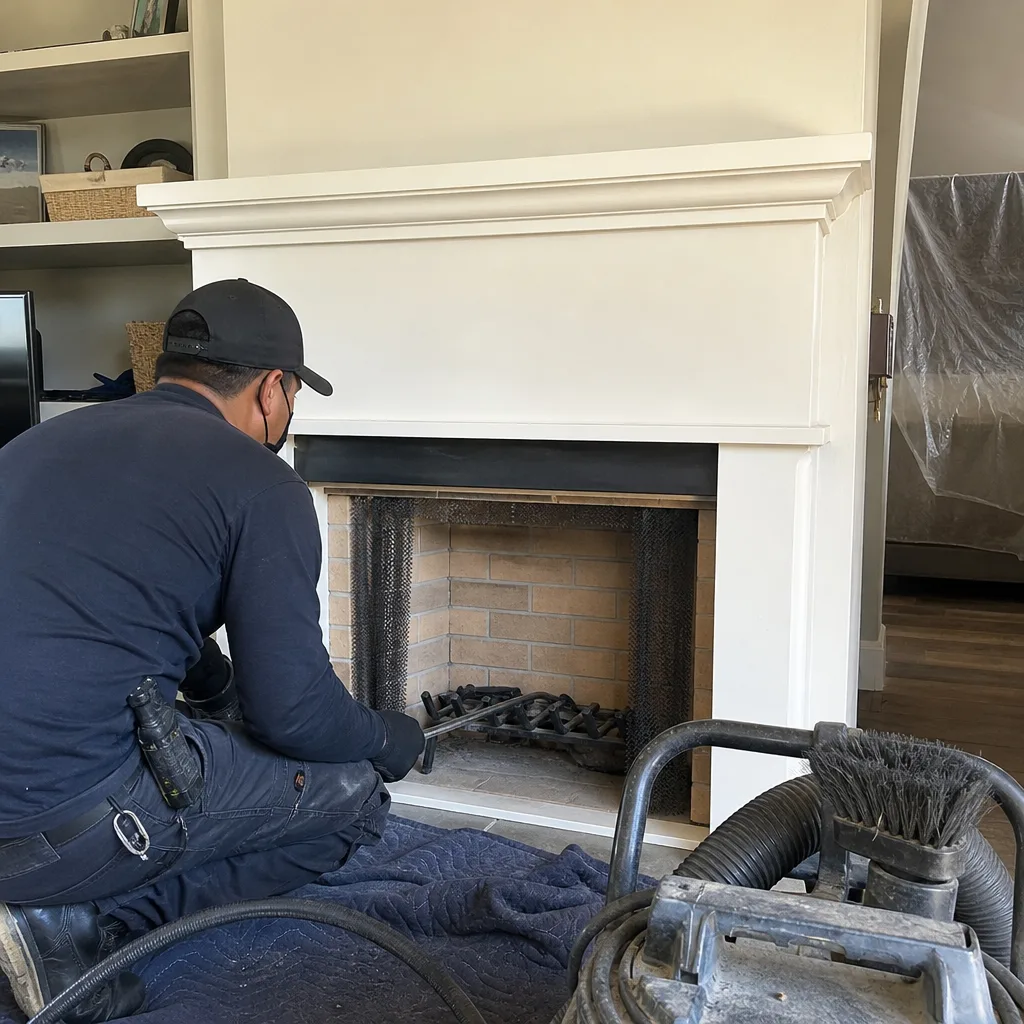
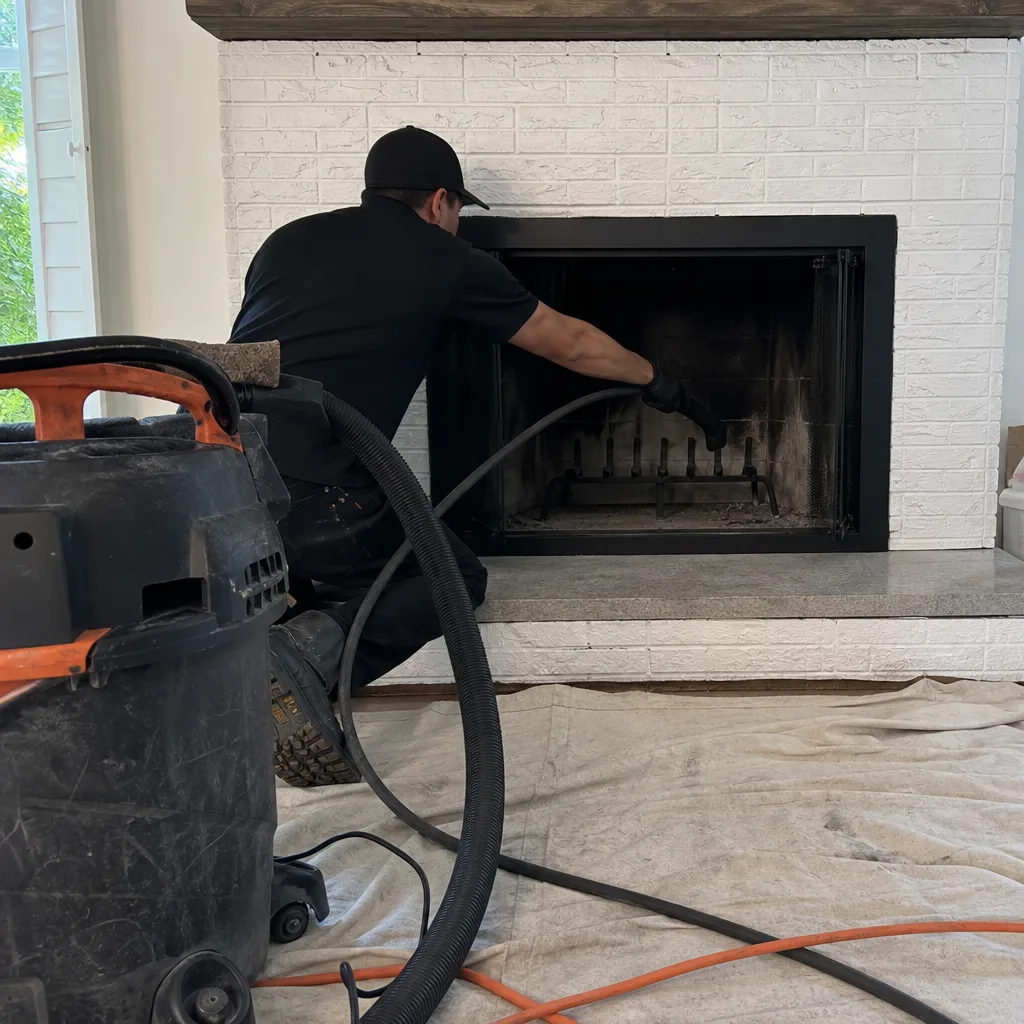
Level 1 sweep and inspection to the NFPA 211 annual standard - flue, crown, cap, and flashing checked and photographed
Chimney sweep logs do not sweep chimneys. They loosen some creosote - which then falls where a brush and vacuum still have to collect it.
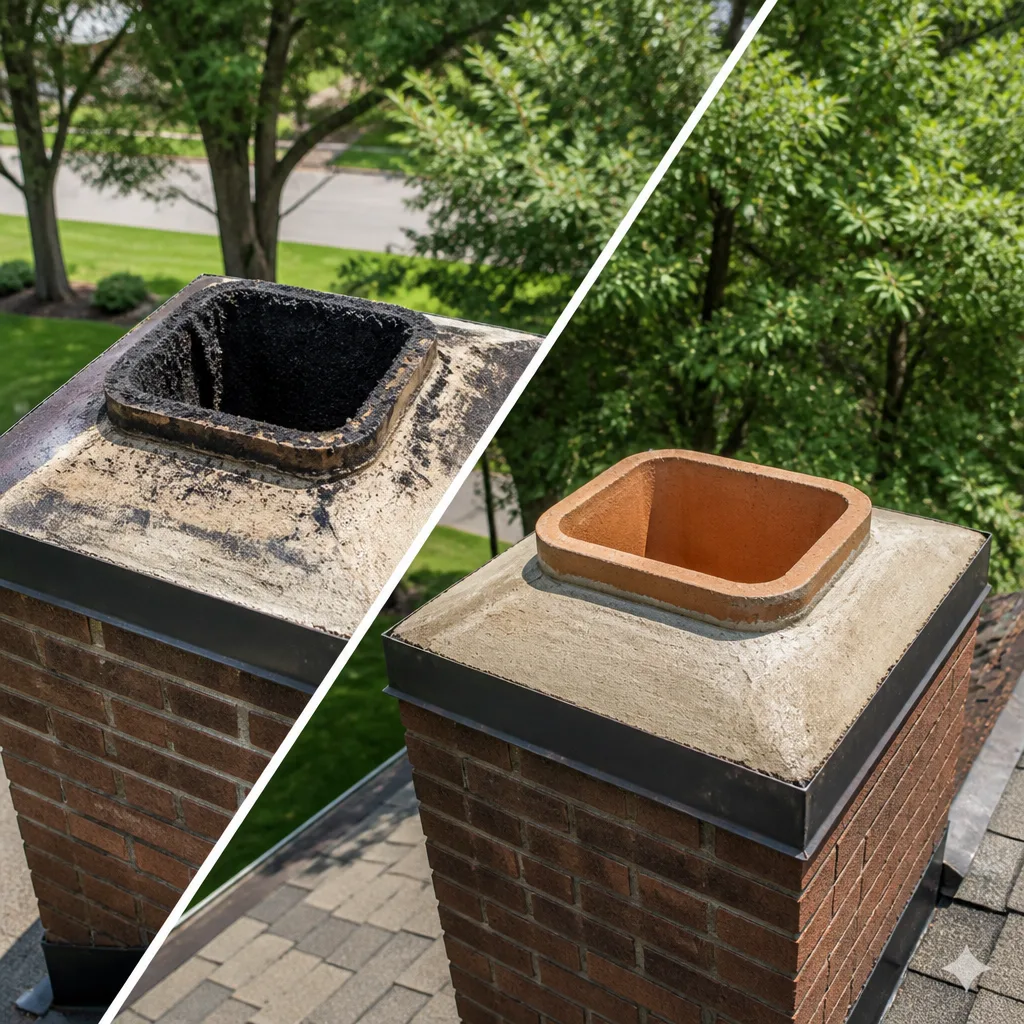
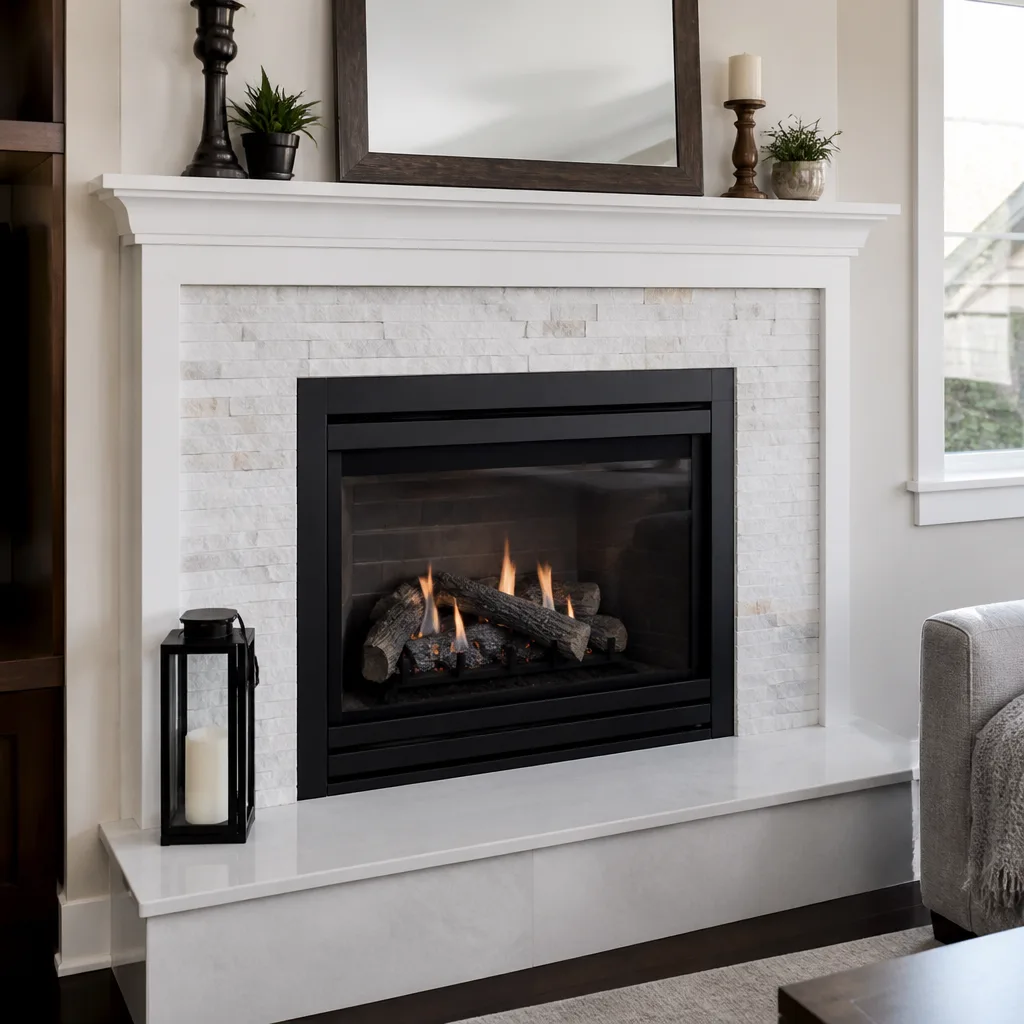
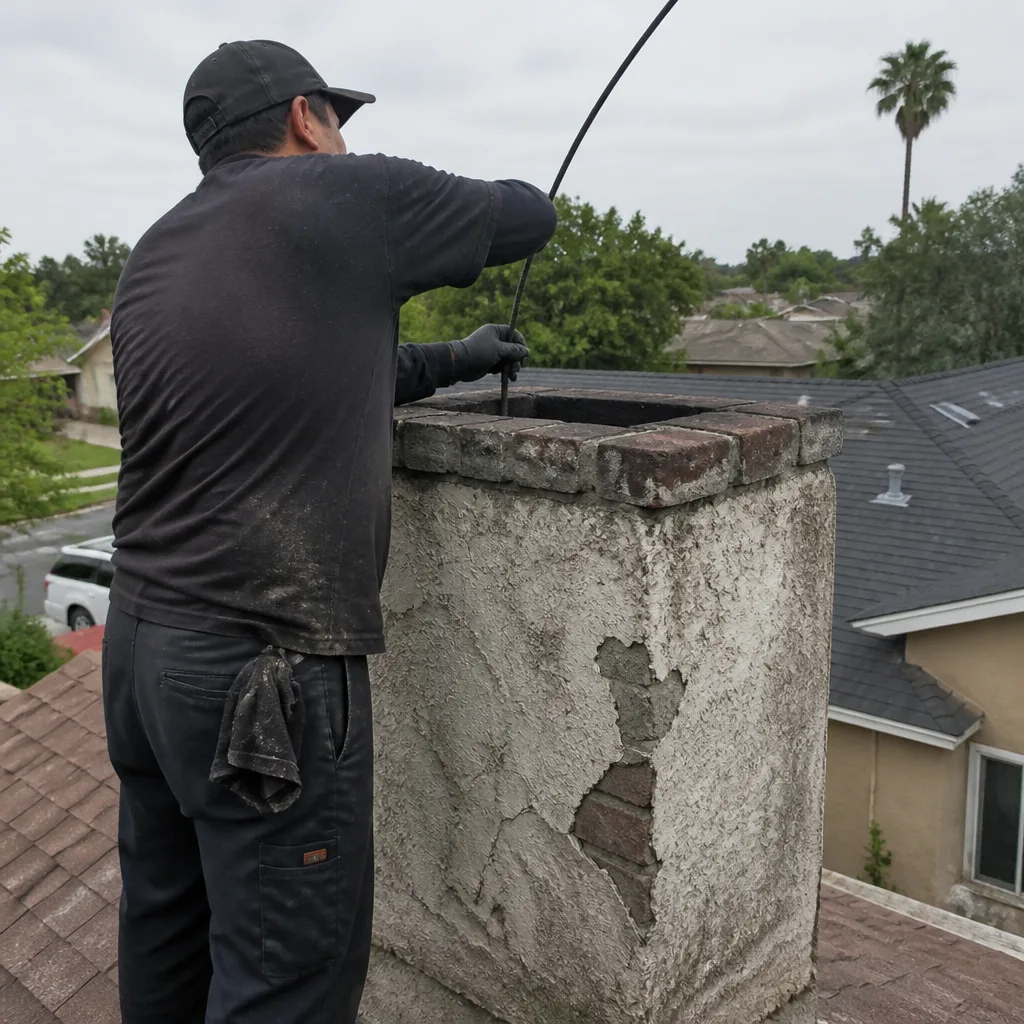 Before
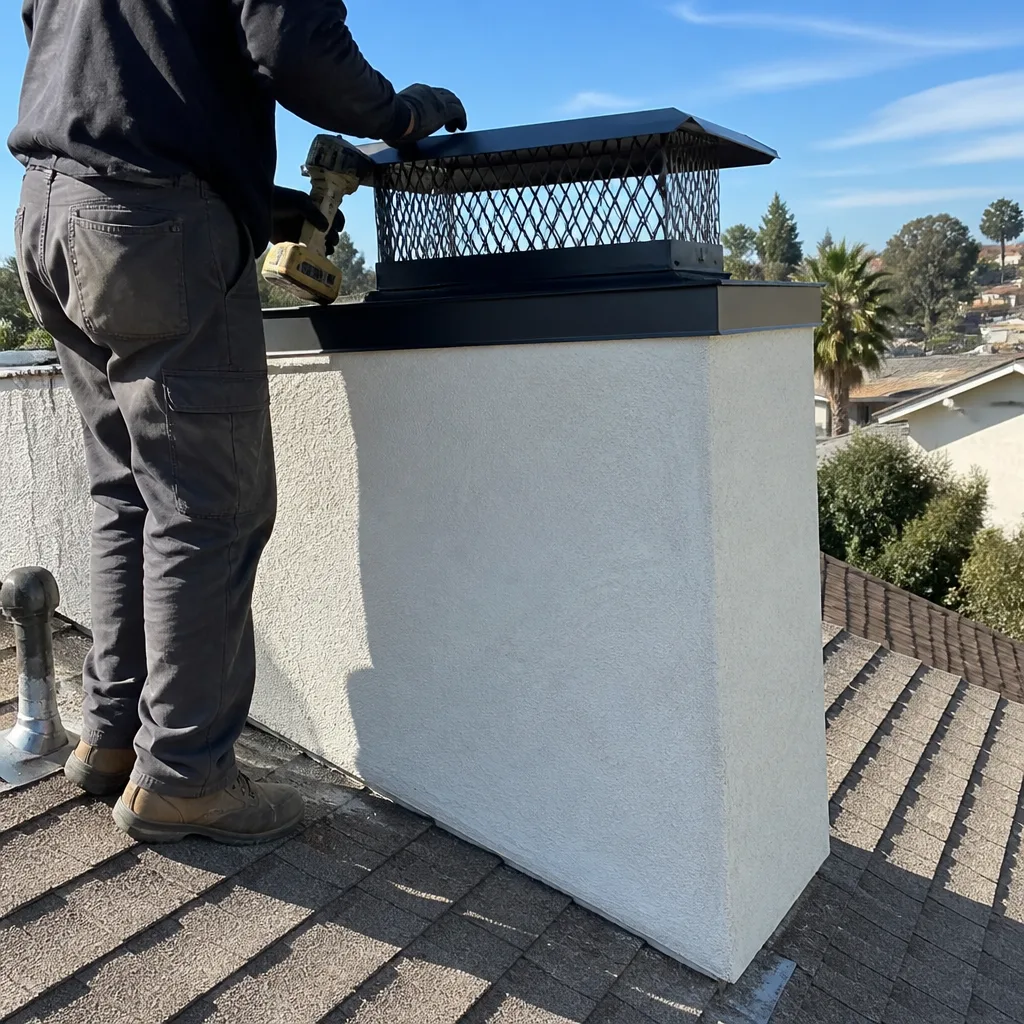 After
After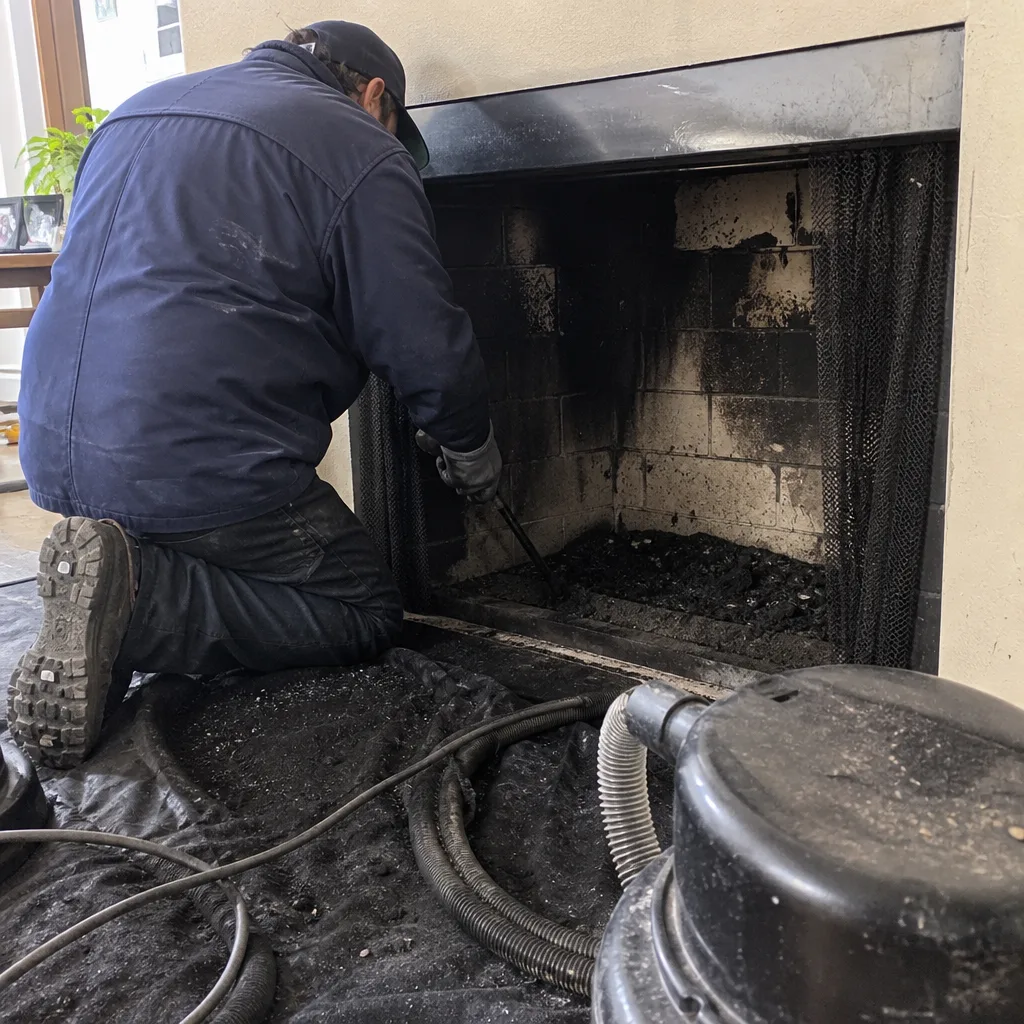 Before
 After
After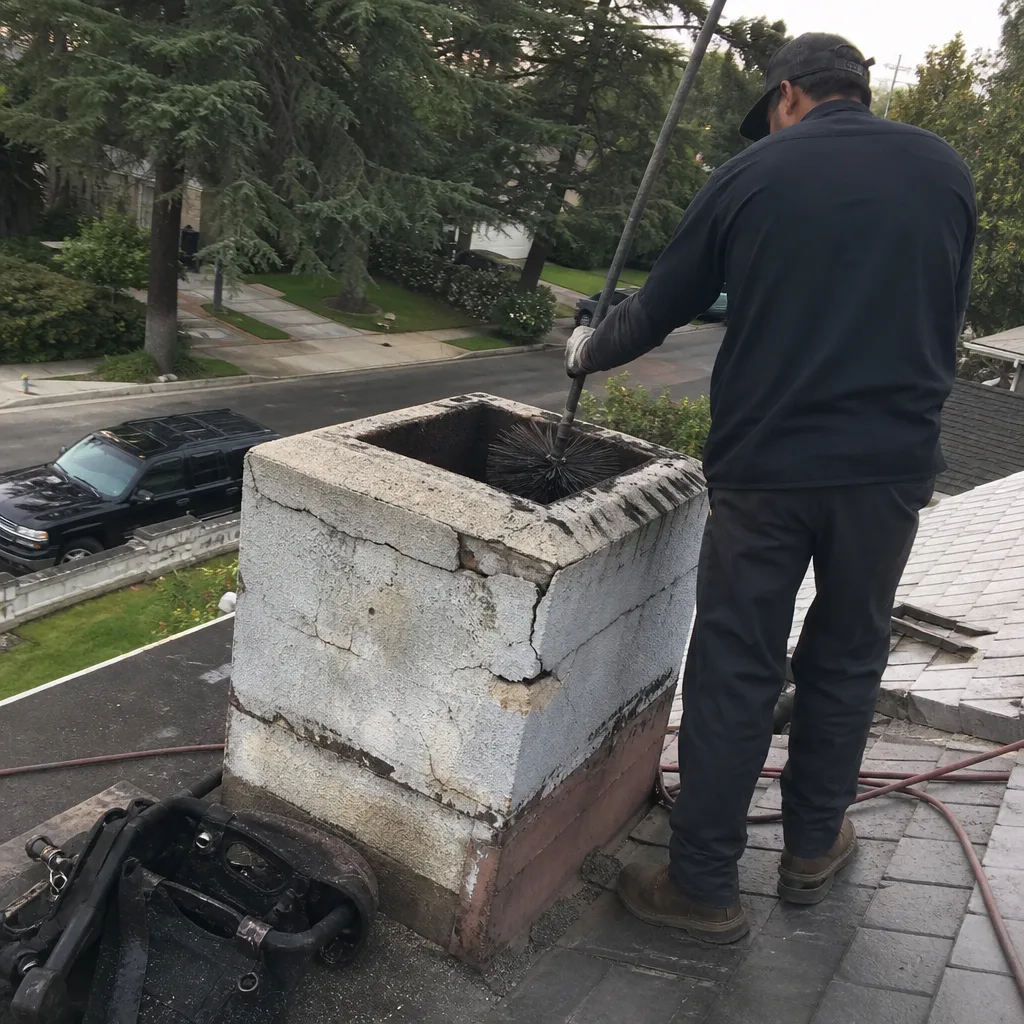 Before
 After
AfterSeasonal Chimney Cleaning Care for Los Angeles: Year-Round Homeowner’s Guide
Most chimney guides are written for Boston or Chicago, where winter means snow and fireplaces burn six months straight. Los Angeles doesn’t work that way. Here, the deadliest chimney fires happen in October, when 70-degree evenings suddenly drop to 55 and residents light their first fire in a flue that hasn’t drawn smoke since March. That flue has been sitting idle through Santa Ana winds, summer dust storms, and peak nesting season. In this guide, we’ll map chimney maintenance to LA’s actual annual rhythm: why late summer beats fall for scheduling, what happens inside a dormant flue during our dry season, and the one winter checkup cold-climate homeowners would never skip. For more guides & resources, see our blog.
Quick Answer
Los Angeles homeowners should schedule a professional chimney sweep in late summer (August – September), inspect for moisture and animal intrusion after the first spring rains, and perform a mid-winter damper check even if the fireplace sees only occasional use. This timing aligns with LA’s unique threat calendar: pre-wildfire-ember preparation, post-El Niño mortar stress, and the October ignition surge that causes most local chimney fires.
Table of Contents
- Why Late Summer Is LA’s Best Sweep Window
- The October Danger: First-Fire Season in Los Angeles
- What Happens Inside an Idle Flue During LA’s Dry Season
- Spring Tasks: Post-Rain Recovery and El Niño Aftermath
- Preparing Your Fireplace for LA’s Extended Off-Season
- The Winter Checkup LA Homeowners Skip (But Shouldn’t)
- What Seasonal Chimney Care Costs in Los Angeles
- Common Mistakes to Avoid
- When to Call a Professional
- Frequently Asked Questions
Why Late Summer Is LA’s Best Sweep Window
Every September, our phone lines at Alcott Chimney Sweep light up with homeowners who smelled something wrong on the first cool night. By then, the good appointment slots are gone and you’re competing with everyone else in Los Angeles who had the same idea. Here’s why August and early September beat October every time.
The wildfire ember factor. Los Angeles enters peak wildfire season in late summer. Embers travel miles on Santa Ana winds and can enter any uncapped flue. A clean chimney with a functional spark arrestor is your home’s first defense. We inspect and verify spark arrestor integrity during every late-summer sweep, because ember intrusion doesn’t discriminate between burning and idle chimneys.
Scheduling reality. A standard chimney sweep in Los Angeles typically runs $180 – $280 before any repairs. In August, you’ll get your choice of appointment times. By mid-October, wait times stretch to two or three weeks at most reputable companies. Book before the rush and you’re also first in line if the inspection reveals liner damage or crown cracks that need repair before burning season.
What we find in late-summer sweeps. In our experience across Los Angeles, from Pasadena to Pacific Palisades, August flues contain a predictable set of problems:
- Active or abandoned nests. Swifts, swallows, and squirrels treat uncapped chimneys like prime real estate from March through July. By August, many nests are abandoned but still blocking airflow.
- Hard, glazed creosote. LA’s dry heat bakes last season’s residue into a harder, more flammable layer than humid climates produce. This glazed creosote requires rotary sweeping with professional-grade equipment, not a DIY brush.
- Crown and cap deterioration. Six months of UV exposure and thermal cycling crack mortar crowns. Catching this in August means repair before the first rain, not after water has already entered the flue.
Our Chimney Sweep in Los Angeles service includes a Level 1 inspection with every sweep, documented with photos you can review yourself.
The October Danger: First-Fire Season in Los Angeles
Los Angeles Fire Department data consistently shows chimney and fireplace incidents spike in October, not January. The reason is simple: temperature psychology. When the first evening drops below 60°F after months of 75°F nights, residents reach for the fireplace switch or match. That first fire is often the most dangerous of the year.
Here’s what makes October fires risky in LA specifically:
- Dehydrated creosote ignition. Six months of dry heat turns accumulated creosote into something closer to charcoal starter than typical soot. First fires often burn hotter and faster than winter fires because homeowners overcompensate for the “chill.”
- Obstructed flues from summer visitors. We’ve found everything from dried leaf clumps to full owl nests in October inspections. In the Hollywood Hills and Laurel Canyon, raccoon entry is especially common. An obstructed flue pushes smoke and carbon monoxide into living spaces.
- Gas fireplace deferred maintenance. Many Los Angeles homes have gas log sets that haven’t run since March. Dust accumulation on burners causes irregular flame patterns, incomplete combustion, and elevated carbon monoxide risk. Our Gas Fireplace Repair in Los Angeles service addresses these issues before they become hazardous.
The pattern is so consistent that we now call October “discovery month” – the month when homeowners discover problems that have been developing since spring. A late-summer sweep eliminates most of these surprises.
What Happens Inside an Idle Flue During LA’s Dry Season
From March through September, most Los Angeles chimneys sit completely unused. That idleness creates its own set of problems, different from the wear patterns of constant winter burning.
Moisture intrusion despite drought. LA’s dry season isn’t moisture-free. Marine layer fog penetrates coastal neighborhoods like Venice and Santa Monica, condensing inside cool flues. That moisture combines with residual creosote to form acidic compounds that attack clay flue tiles and mortar joints. We’ve pulled flue tiles in September that showed more deterioration from six idle months than from three winters of active use.
Thermal cycling damage. Los Angeles temperature swings are more extreme than people realize. A flue that hits 140°F on an August afternoon and drops to 65°F that night experiences stress cracks. These micro-cracks don’t affect performance immediately, but they create pathways for future gas leakage and accelerate liner failure.
Animal entry and nesting. Our dry season is every local species’ nesting season. Without regular smoke and heat, chimneys become attractive shelter. The results range from blocked flues to parasites and odor problems. A properly fitted chimney cap with mesh sides prevents this, but caps loosen over time from thermal cycling and Santa Ana wind gusts.
Dust and particulate accumulation. LA’s air quality challenges mean fine particulates settle inside chimneys all summer. This isn’t creosote, but it does affect draft performance and can carry odors into the house when heating resumes. A professional sweep removes this accumulation completely.
For homeowners wondering about their chimney’s current condition, our Chimney Inspection in Los Angeles provides a full condition report with camera documentation of the flue interior.
Spring Tasks: Post-Rain Recovery and El Niño Aftermath
Los Angeles winters are mild, but they’re not harmless to chimneys. When rain finally comes, it often comes hard. The 2023-2024 El Niño season demonstrated this clearly: concentrated rainfall after extended drought caused unusual damage patterns across the region. See our Chimney Cleaning Emergency Preparedness Guide for Los Angeles Homes for response planning.
Post-rain debris clearing. First rains wash leaves, grit, and roof granules into chimneys. This material compacts at the smoke shelf and restricts draft. In neighborhoods with mature trees like Los Feliz and Hancock Park, we’ve removed five-gallon buckets of compacted debris from single flues. This isn’t cosmetic; it directly affects chimney performance and safety.
Mortar joint inspection. LA’s temperature swings are hardest on mortar in spring. Days in the 70s follow nights in the 40s. Mortar expands and contracts at a different rate than brick, opening hairline cracks that water penetrates. During wet winters, these cracks allow water into the wall structure. During dry years, they create pathways for sparks and gases. We inspect mortar joints with magnification and document findings with photos.
Damper function after moisture exposure. Cast iron and steel dampers rust when exposed to moisture, even in LA’s intermittent rain. A stuck or corroded damper can’t be closed during off-season, which means conditioned air escapes year-round and animals enter freely. We test damper operation, clean pivot points, and recommend replacement when corrosion exceeds safe limits. For severe cases, we install replacement dampers from professional trade brands like Gelco and Olympia Chimney.
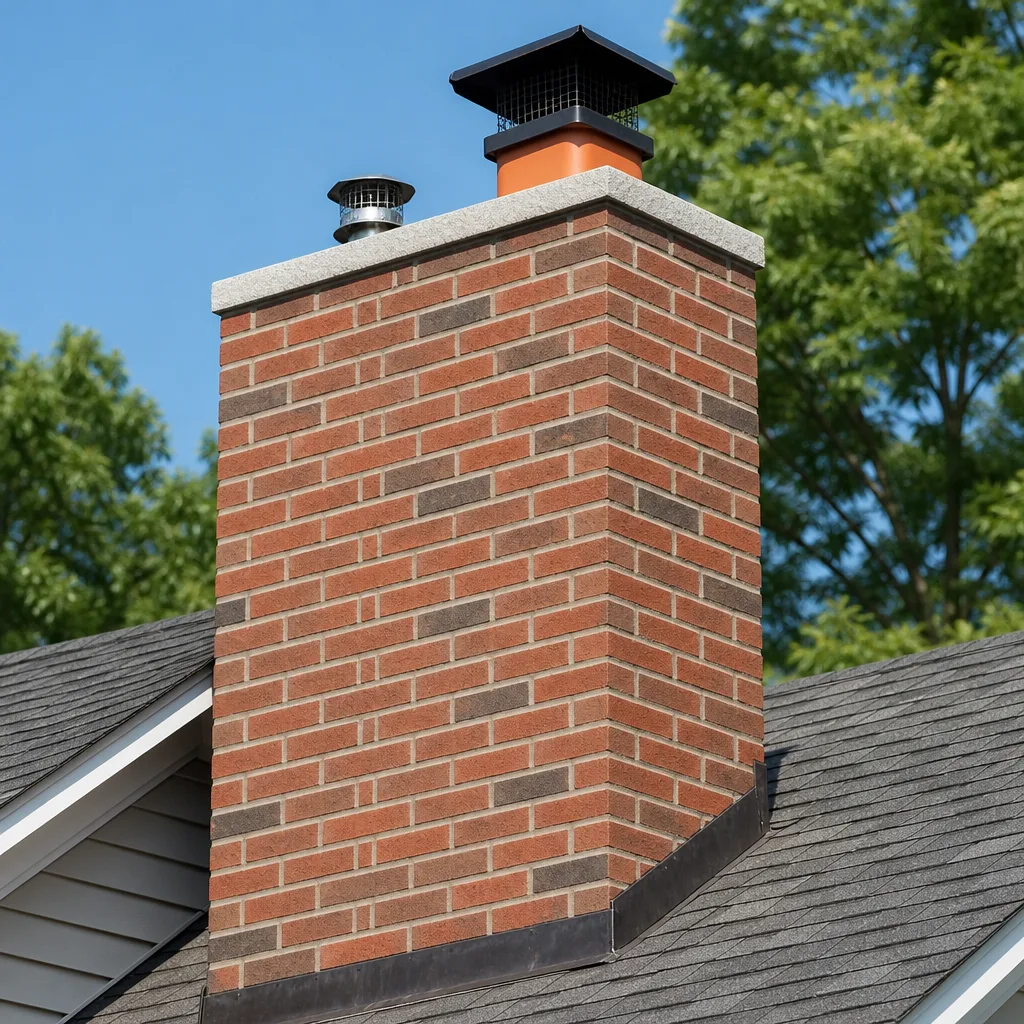
Crown and flashing re-evaluation. Spring is when crown cracks and flashing separations become obvious. Water stains on interior walls near the chimney, efflorescence (white mineral deposits) on exterior brick, and musty odors all point to water entry. We address crown damage with appropriate materials, including HeatShield resurfacing for certain applications where full crown replacement isn’t necessary.
Preparing Your Fireplace for LA’s Extended Off-Season
Los Angeles fireplaces typically sit idle six to eight months. Proper off-season preparation prevents the problems we’ve described and extends component life significantly.
- Schedule a final sweep and inspection. Don’t close out the season with creosote in the flue. It hardens, becomes more acidic, and attracts moisture. A clean flue is a stable flue.
- Close the damper completely, but verify it first. A damper that doesn’t seal fully wastes energy and admits pests. If yours doesn’t seat properly, repair or replace it before closing out.
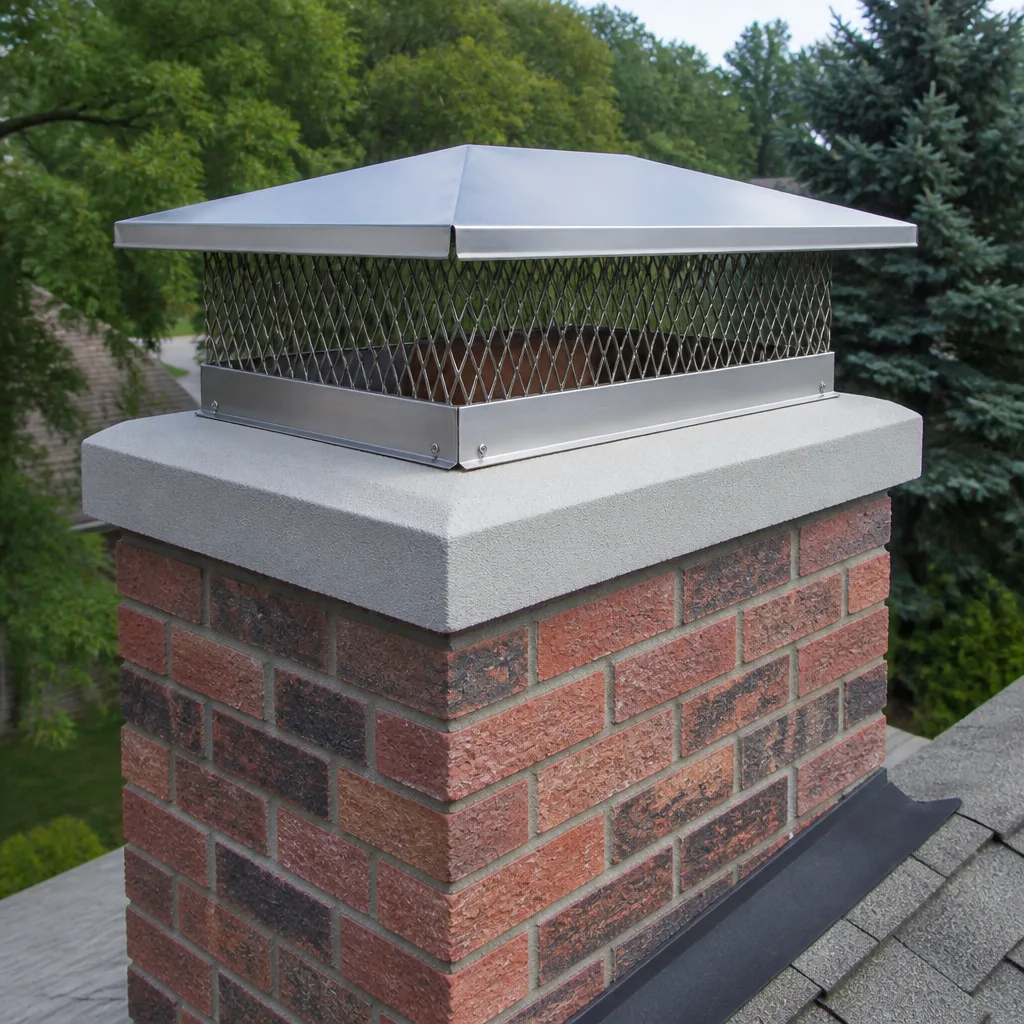
- Install or verify chimney cap condition. The cap is your only physical barrier against animals, debris, and embers during the long off-season. Mesh sides should be intact, not rusted through or torn.
- Consider a top-sealing damper for older chimneys. Traditional throat dampers corrode and leak. A top-sealing damper installed at the chimney crown provides a silicone rubber seal that stops air infiltration completely. We specify and install these from Famco and other professional-grade manufacturers when appropriate.
- Remove ashes completely. Ashes absorb atmospheric moisture and become corrosive. They also harbor odors that become noticeable in summer heat. Remove them to a metal container and dispose of properly.
- Document the season’s condition. Keep your inspection report for comparison next year. Progressive changes in flue condition, mortar joints, or liner integrity are easier to spot with year-over-year documentation.
This preparation is especially important for Los Angeles homeowners in canyon and hillside areas, where Santa Ana winds and wildfire risk extend well into what other regions consider “safe” off-season months.
The Winter Checkup LA Homeowners Skip (But Shouldn’t)
In cold climates, mid-winter chimney checks are standard practice. Los Angeles homeowners rarely bother, and that’s a mistake. Even occasional fireplace use creates conditions worth monitoring.
The mid-winter damper and draft test. After four to six weeks of use, even intermittent use, dampers accumulate soot that affects seating. Draft performance changes as outside temperatures shift. A simple mid-winter check verifies that your chimney still draws properly, that the damper operates smoothly, and that no new obstructions have appeared. This takes ten minutes and prevents the “something’s wrong” call at 10 p.m. on a February evening.
Gas fireplace burner inspection. Gas fireplaces in Los Angeles often run more in winter than wood-burning units. Dust accumulation on ceramic logs and burners causes incomplete combustion, sooting on glass, and elevated carbon monoxide. A mid-season burner cleaning and combustion check keeps performance consistent. We perform these checks as part of our gas fireplace service, using manufacturer-specified procedures rather than improvised cleaning.
Exterior visual check after wind events. Santa Ana winds peak in winter. After any significant wind event, a ground-level visual inspection of your chimney cap, crown, and visible flashing can catch problems before water or animals enter. Look for displaced caps, new cracks, or missing mortar. If you see something concerning, call for a professional evaluation rather than climbing onto the roof yourself.
This mid-winter attention matters even for “occasional” users. In Los Angeles, most chimney fires and CO incidents happen in homes that use their fireplace fewer than ten times per year. Infrequent use means less familiarity with normal operation, and slower recognition when something changes.
What Seasonal Chimney Care Costs in Los Angeles
Transparent pricing is part of how Alcott Chimney Sweep operates. Every customer receives a written price before any work begins. Here are typical ranges for seasonal maintenance tasks in the Los Angeles market:
| Service | Typical Range | What’s Included |
|---|---|---|
| Standard chimney sweep (single flue, wood-burning) | $180 – $280 | Rotary sweeping, Level 1 inspection, debris removal, condition report with photos |
| Gas fireplace service and safety check | $150 – $220 | Burner cleaning, ignition test, gas leak check, venting verification, glass cleaning |
| Chimney cap installation (standard stainless) | $280 – $450 | Cap, installation, critter-proof mesh, warranty |
| Damper repair or replacement | $200 – $600 | Depends on throat vs. top-sealing, material, access |
| Crown repair (minor crack sealing) | $350 – $650 | Cleaning, sealing, waterproofing |
| Level 2 inspection (camera scan, documented) | $250 – $400 | Full interior video, written report, code compliance check |
These ranges reflect Los Angeles market conditions in 2024-2025. Actual pricing depends on chimney height, access difficulty, and specific condition findings. We provide exact written quotes after inspection, never estimates that balloon at invoice time.
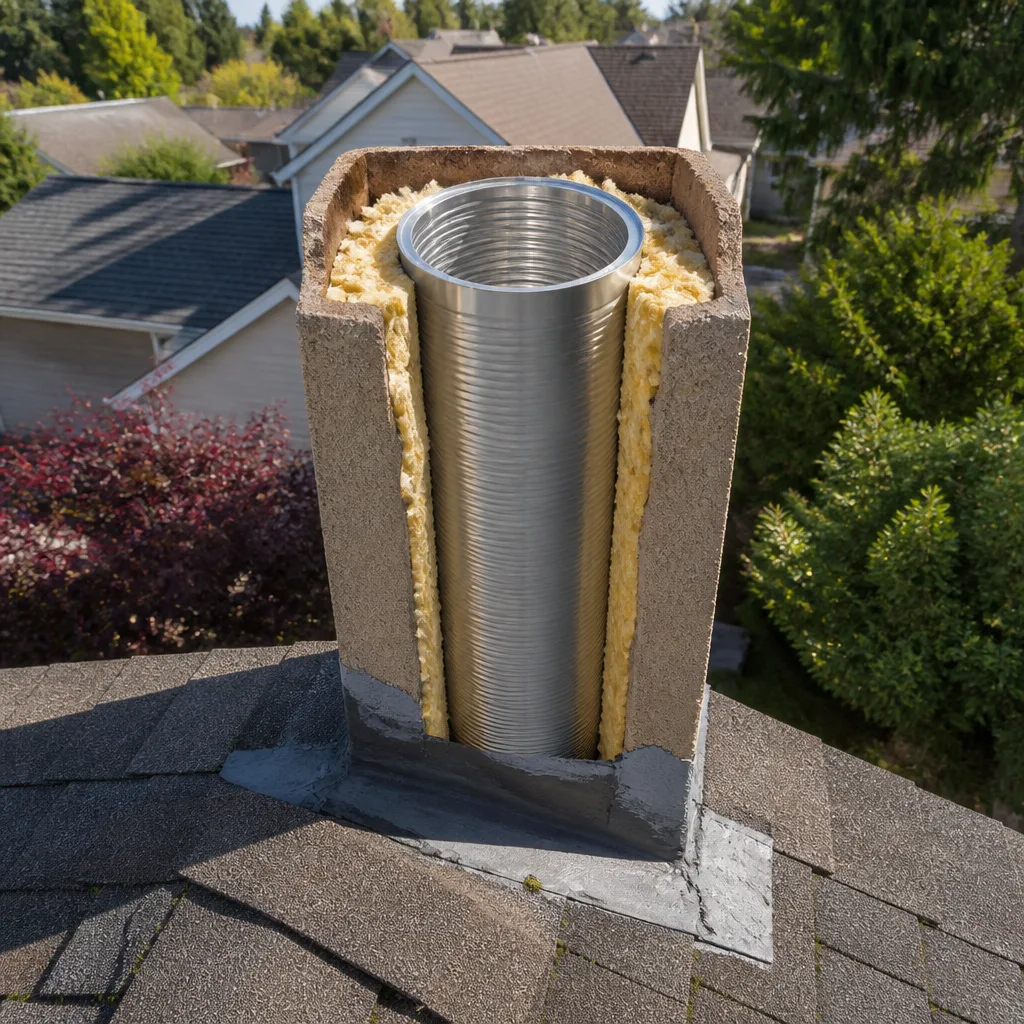
Repairs requiring liner work or structural masonry fall outside these ranges. When liner replacement is necessary, we specify DuraFlex stainless steel liner systems, installed to manufacturer specifications with proper insulation and connections. This isn’t upselling; it’s specifying the right material for the application, documented with photos and a written guarantee.
Common Mistakes to Avoid
- Waiting for the first cold night to schedule. By October 15, every reputable chimney company in Los Angeles is booked two weeks out. You’re left choosing between waiting in the cold or hiring whoever has immediate availability.
- Assuming gas fireplaces don’t need service. Gas units require annual inspection of burners, valves, and venting. Skipping this creates carbon monoxide risk and voids most manufacturer warranties.
- Ignoring the chimney cap. A missing or damaged cap is an open door to animals, debris, and embers. In LA’s extended dry season, it’s also an invitation for dust accumulation that affects draft.
- DIY sweeping with hardware store brushes. Standard brushes don’t remove glazed creosote, can’t navigate offset flues common in older Los Angeles homes, and provide no inspection of hidden damage. Worse, improper technique can damage clay flue tiles.
- Closing the damper and forgetting the flue. An unused flue still needs inspection. Moisture, animal entry, and structural deterioration happen regardless of burning frequency.
- Hiring based on price alone without verifying credentials. In Los Angeles, unlicensed operators are common. Verify licensing, insurance, and that technicians are background-checked and identity-verified before allowing anyone on your property.
When to Call a Professional
Call a certified chimney professional if you notice smoke entering the room, a persistent chimney odor, visible cracks in exterior brick or mortar, white staining on the chimney exterior, a stuck or noisy damper, or any change in fireplace performance from previous seasons. In Los Angeles, where earthquakes and thermal cycling stress chimney structures, even minor visible changes warrant professional evaluation. For regulatory context, see Chimney Cleaning Permits, Codes & Inspections in CA: What You Need to Know.
Alcott Chimney Sweep offers free estimates throughout Los Angeles. Every technician is Threshold Verified: background-checked, identity-verified, and announced to you by name and photo before arrival. You’ll know exactly who is coming before that person reaches your door. Call (336) 863-3889 to schedule.
Frequently Asked Questions
A standard chimney sweep for a single wood-burning flue typically runs $180 – $280 before any repairs, with gas fireplace service running $150 – $220. Exact pricing depends on flue condition, height, and access. Call (336) 863-3889 for a free estimate with no obligation.
The National Fire Protection Association recommends annual inspection for all chimneys, and sweeping when creosote buildup exceeds 1/8 inch. In Los Angeles, annual service is essential even for occasional users because our long idle seasons create unique moisture and animal-intrusion problems. Most LA homeowners benefit from a sweep and inspection every 12 months, timed in late summer before burning season.
Not necessarily. Liner replacement is recommended only when the existing liner is damaged, improperly sized, or missing entirely, and only after camera inspection confirms the condition. At Alcott, we show you the camera footage and explain exactly what we’re seeing before recommending any liner work. If replacement is needed, we specify DuraFlex stainless steel systems with proper insulation and connections, backed by our written guarantee.
Skipped maintenance leads to three predictable outcomes: creosote accumulation increases chimney fire risk, moisture and animal entry cause structural deterioration, and minor problems become major repairs. In Los Angeles specifically, extended dry seasons harden creosote into its most flammable form, and earthquake-prone masonry develops cracks that water penetration widens. The cost of deferred maintenance typically exceeds regular service by a factor of five to ten.
We don’t recommend it. Standard brushes can’t remove glazed creosote common in LA’s dry climate, can’t inspect hidden flue damage, and may crack clay tiles if misused. More importantly, DIY cleaning provides no documentation of flue condition for insurance or resale purposes. Professional service includes inspection, documentation, and accountability.
August and September offer the best combination of availability, pre-wildfire-ember preparation, and pre-winter pricing. October appointments book fastest and often carry longer wait times. Spring (March – April) is second-best for post-rain damage assessment and off-season preparation.
The Bottom Line
Los Angeles chimney care follows a different calendar than four-season cities. The critical action is a professional sweep and inspection in late summer, before October’s first-fire surge and wildfire ember season. Spring maintenance addresses rain and El Niño damage, while mid-winter checks catch problems that develop during use. Year-round attention to caps, dampers, and exterior condition prevents the deferred-maintenance cycle that turns minor issues into major expenses. Schedule strategically, verify your technician’s credentials before they arrive, and keep documentation from each service for year-over-year comparison.
Written by Ruben Castellano, Owner at Alcott Chimney Sweep, serving Los Angeles since 2002.