
Last updated October 9, 2026
Level 1 sweep and inspection to the NFPA 211 annual standard - flue, crown, cap, and flashing checked and photographed
Chimney sweep logs do not sweep chimneys. They loosen some creosote - which then falls where a brush and vacuum still have to collect it.
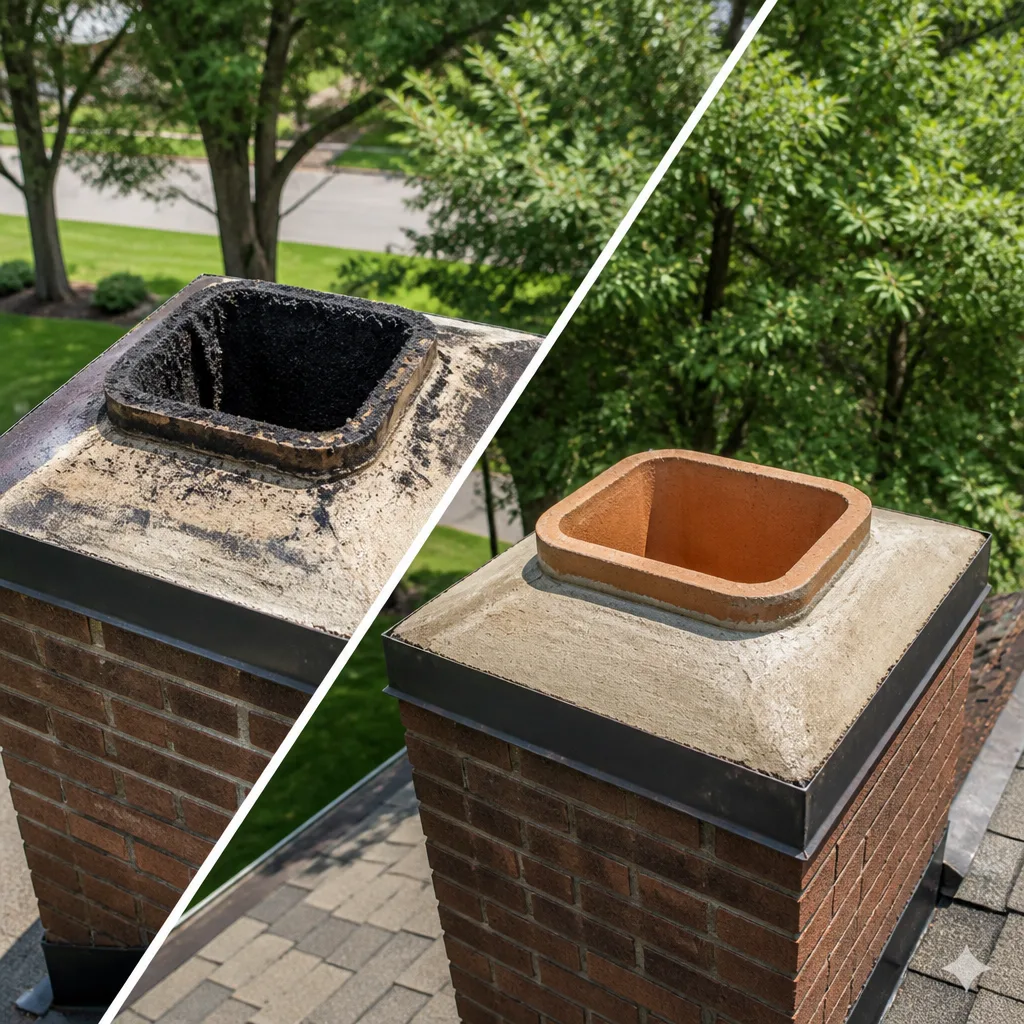
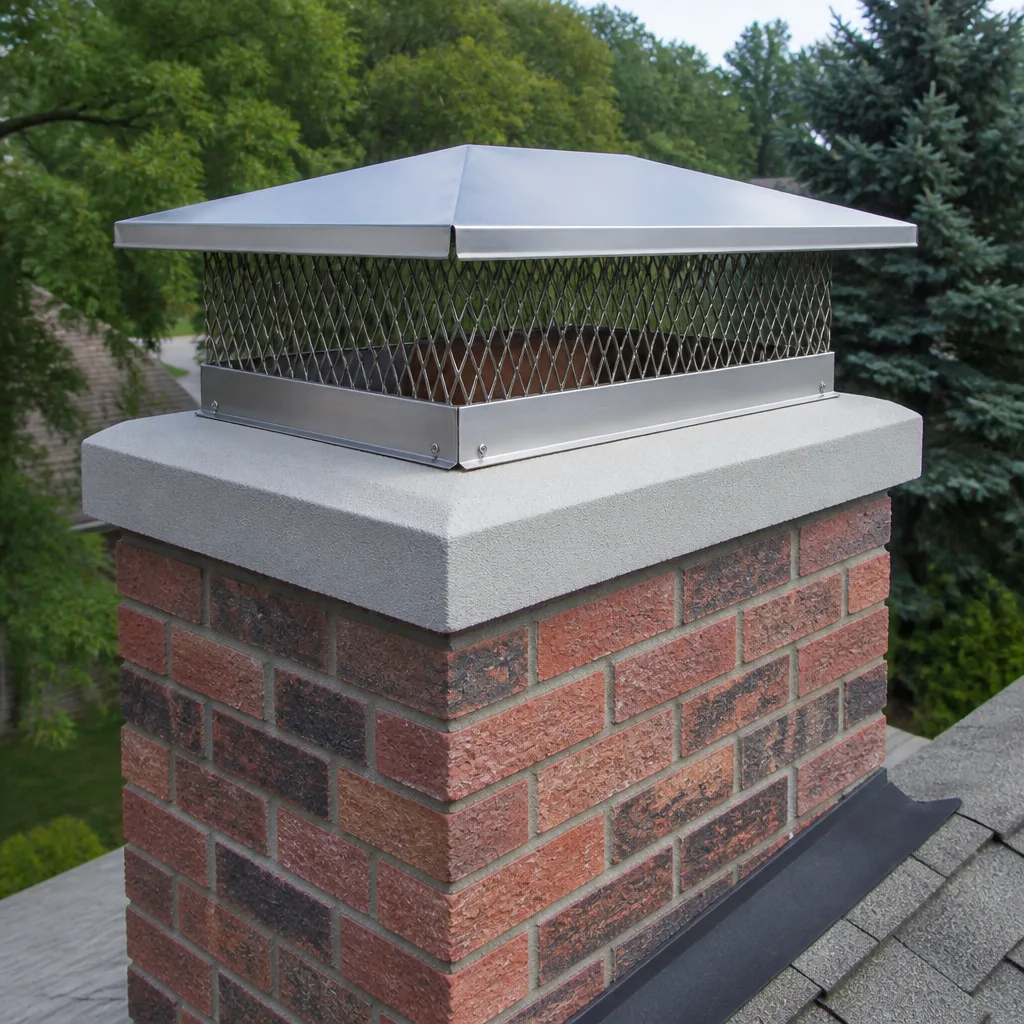
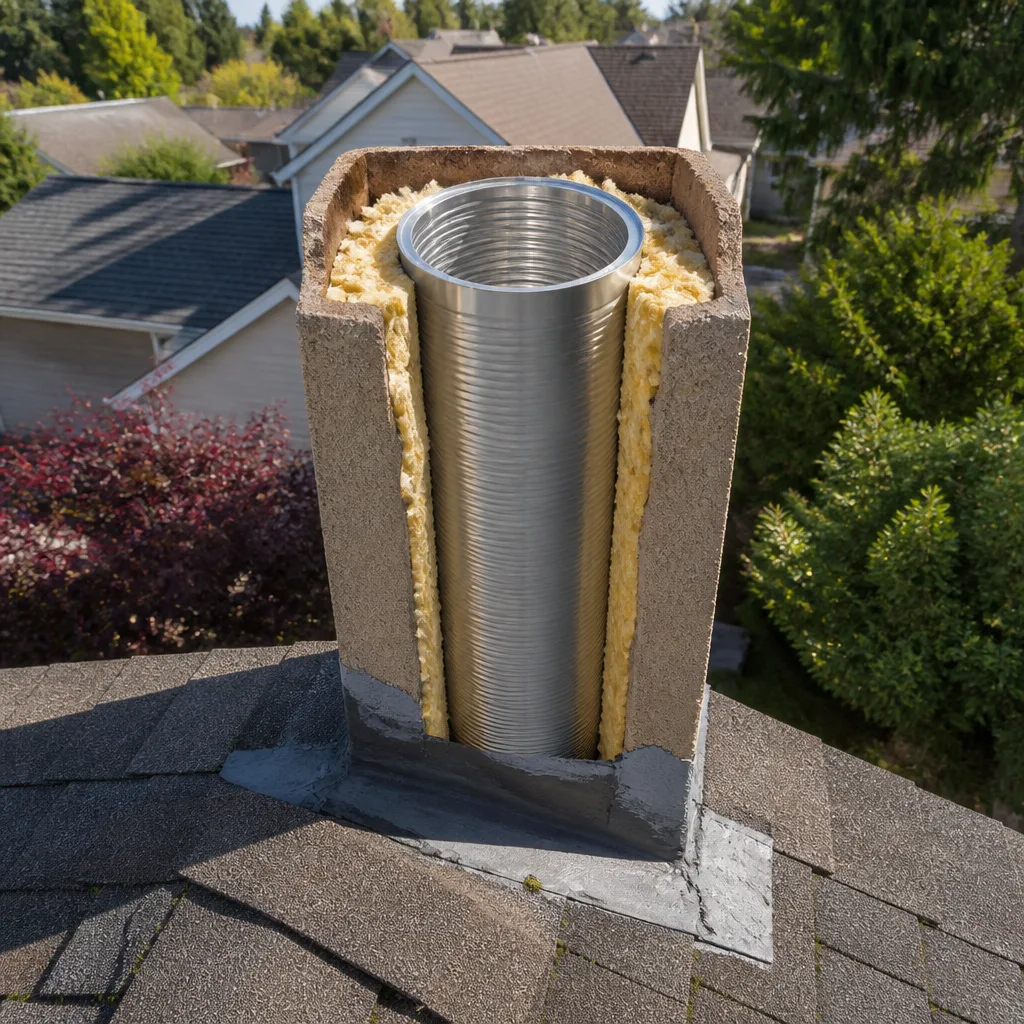
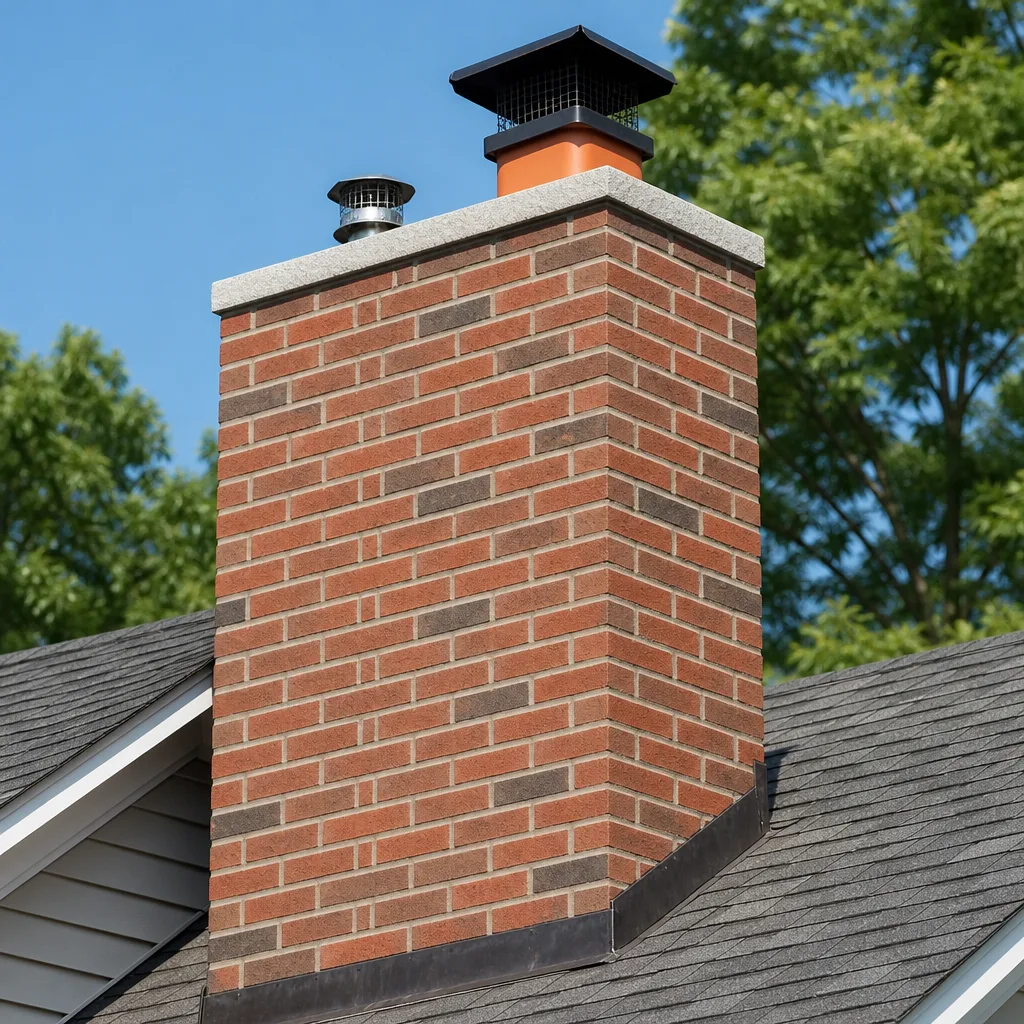
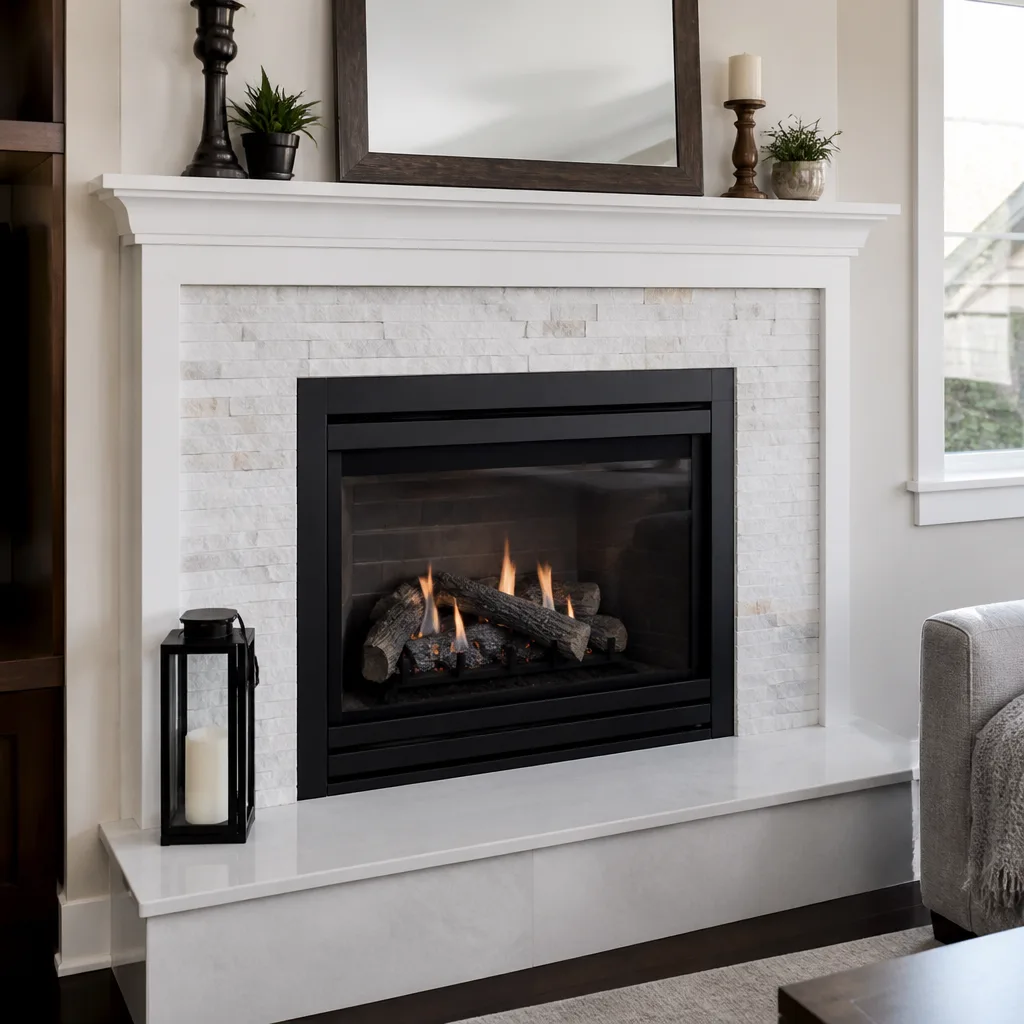
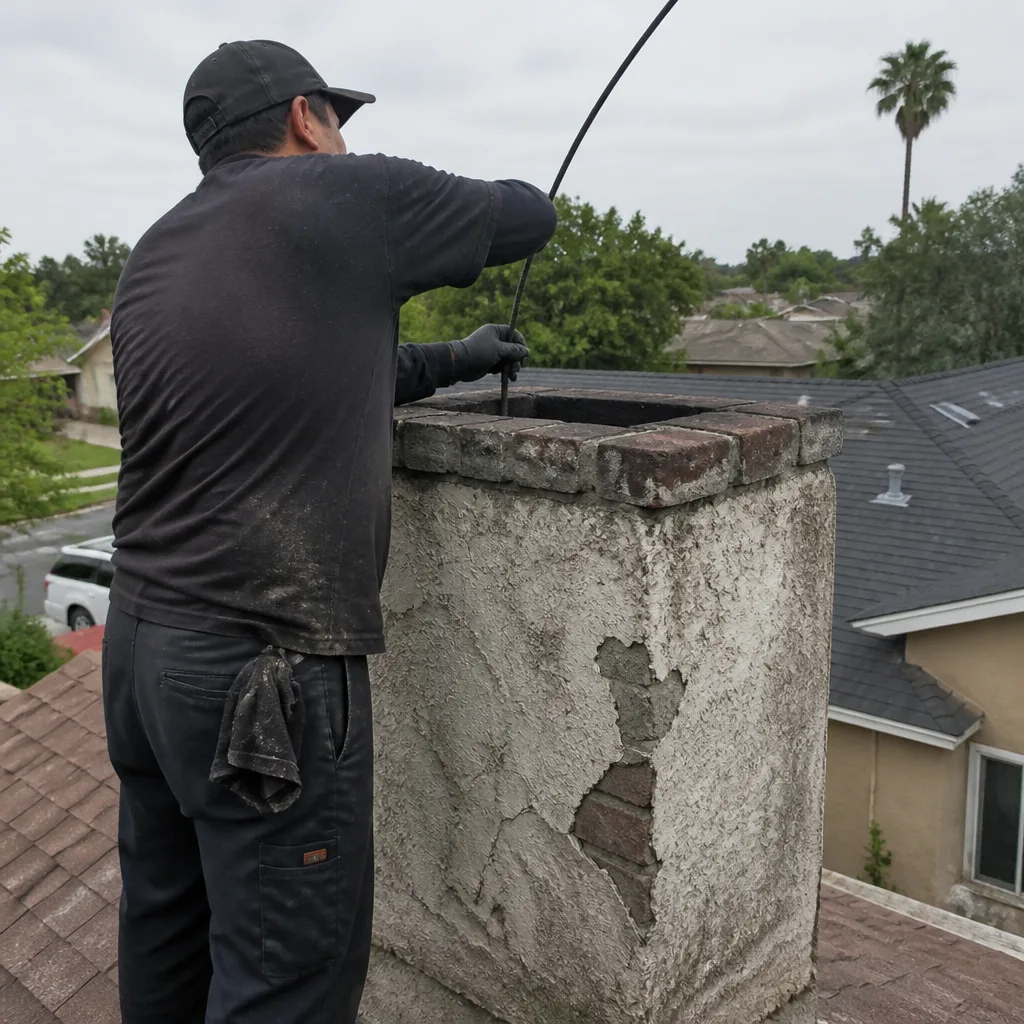 Before
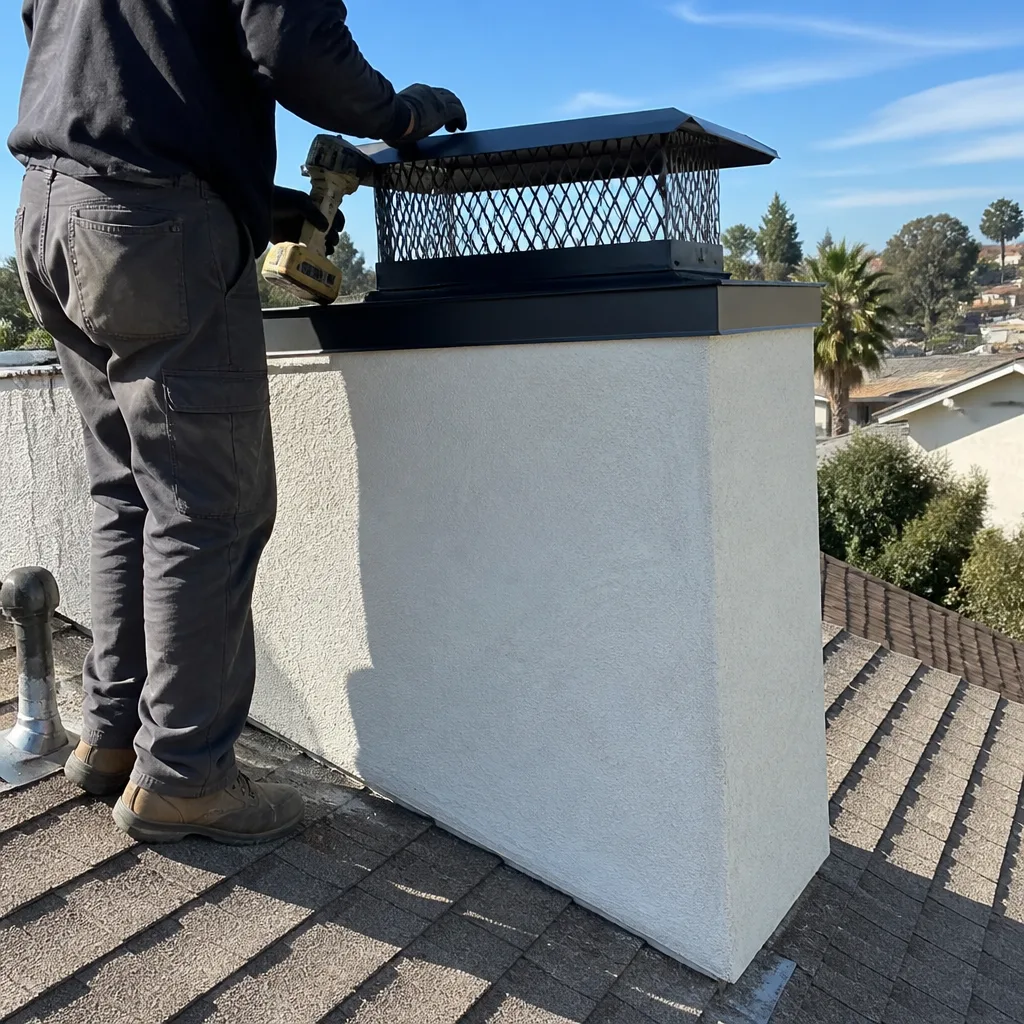 After
After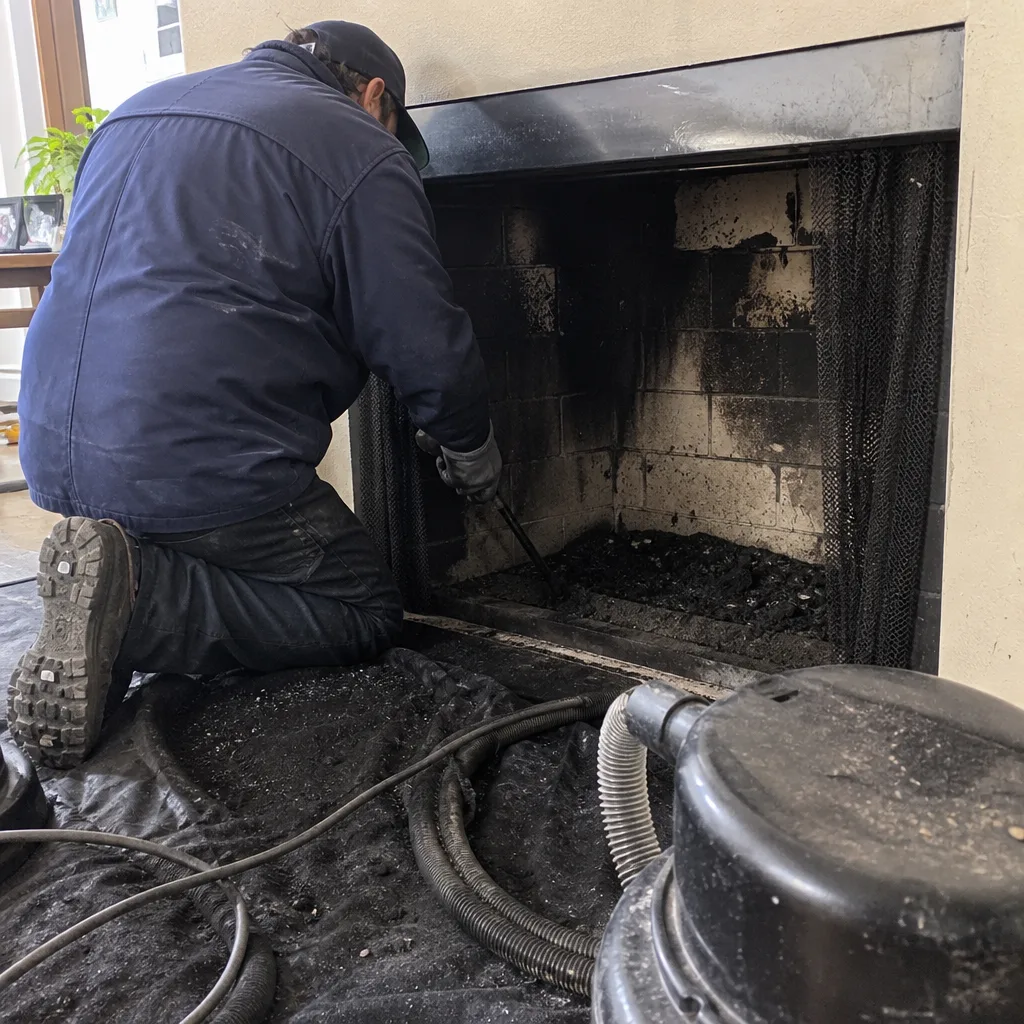 Before
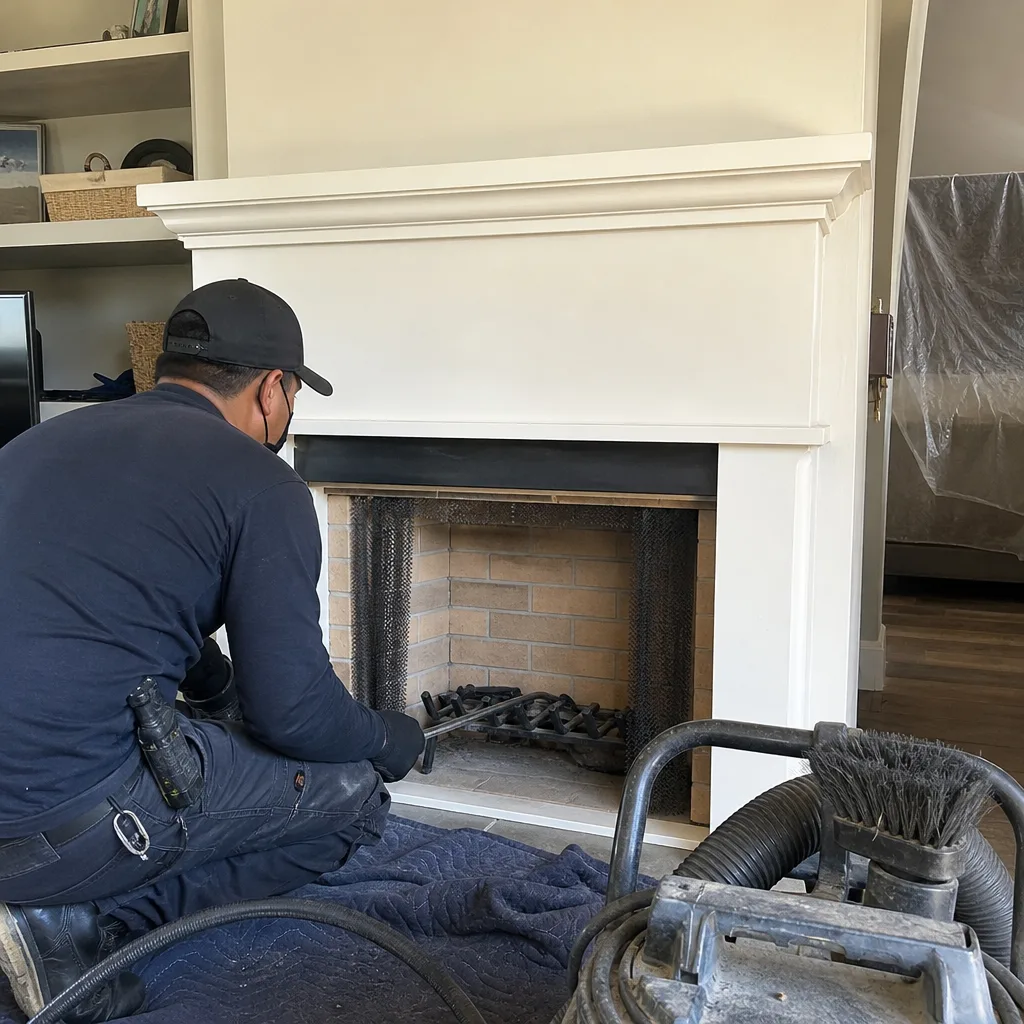 After
After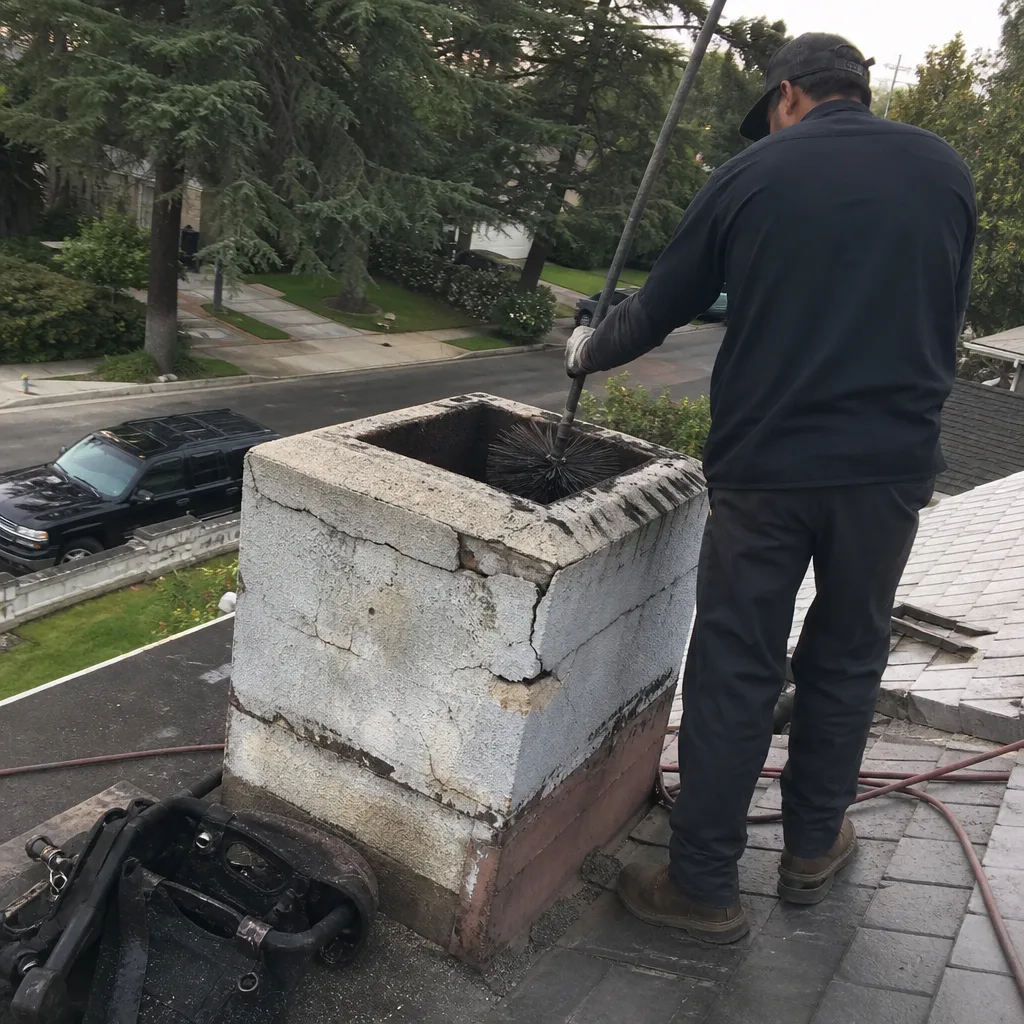 Before
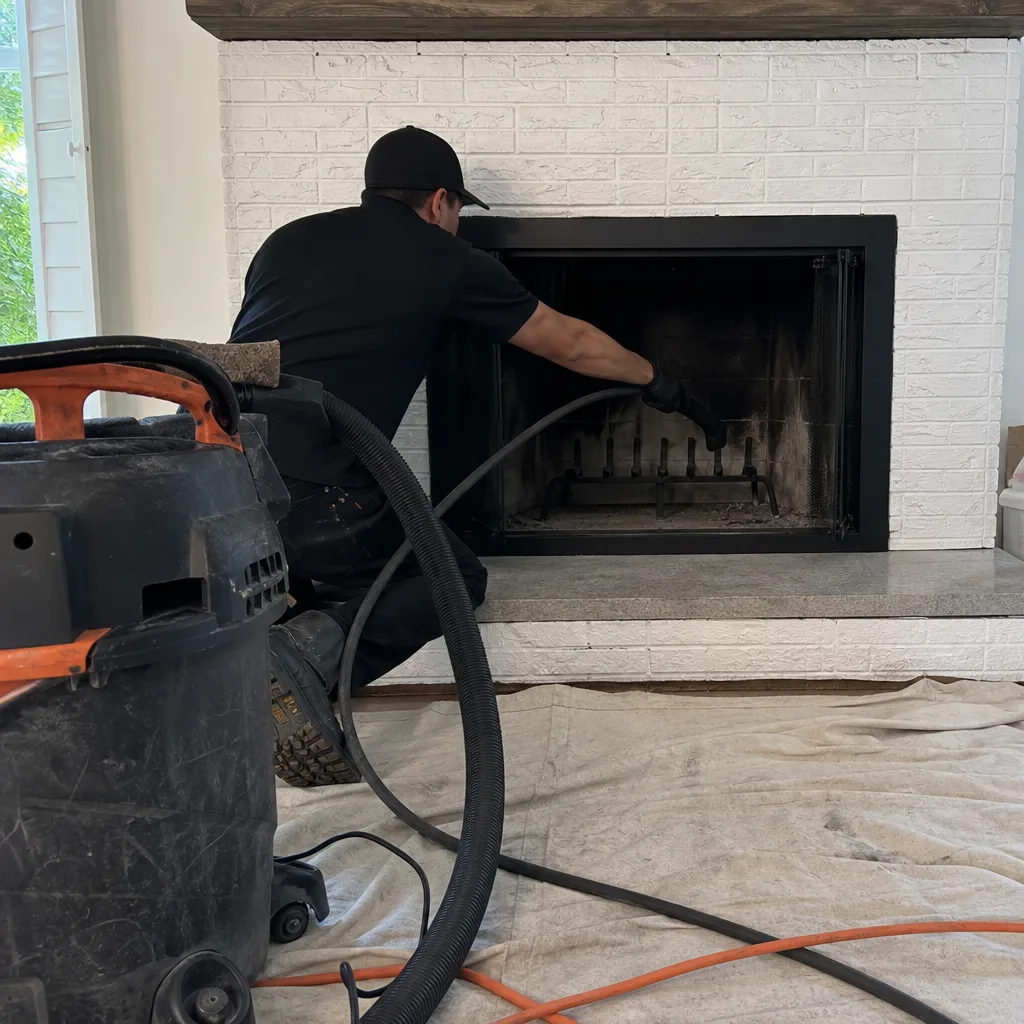 After
AfterDIY vs Professional Chimney Cleaning: The Los Angeles Homeowner’s Decision Guide
You can remove surface soot yourself with a standard brush kit from Amazon – but you cannot see Stage 2 creosote glazing on the upper flue without a camera, and that’s the deposit that starts chimney fires. In Los Angeles, where many homes built between the 1920s and 1970s have unlined masonry chimneys or aging clay flue tiles, the gap between “looks clean” and “is safe” is wider than most homeowners realize. This guide will show you exactly what a DIY cleaning accomplishes, what it misses, and how to decide which path matches the outcome you actually need.
Quick Answer
A DIY chimney cleaning with a standard brush kit removes loose soot and ash from the lower flue but leaves glazed creosote, upper-flue deposits, and structural defects undetected. For Los Angeles homeowners, professional cleaning is the right choice if you burn wood more than a few times per season, have an older masonry chimney, or need documentation for insurance or a home sale. Between professional visits, you can safely handle ash removal, exterior visual checks, and damper maintenance yourself-see our DIY vs Professional Chimney Sweep: What’s Safe to Do Yourself guide for details.
Table of Contents
- What a DIY Cleaning Actually Removes (and What It Leaves Behind)
- Three Scenarios Where DIY Maintenance Makes Sense
- The Exact Point Where DIY Becomes a Liability Issue
- The True Cost Comparison: DIY Supplies, Time, and Disposal
- How to Use DIY Inspection to Brief Your Professional Technician
- Common Mistakes to Avoid
- When to Call a Professional
- Frequently Asked Questions
What a DIY Cleaning Actually Removes (and What It Leaves Behind)
Most DIY chimney cleaning kits sold online include a fiberglass rod system and a polypropylene or wire brush sized to your flue diameter. Used correctly, these tools dislodge loose, powdery soot (Stage 1 creosote) and fallen ash from the smoke chamber and the first few feet of flue. That’s not nothing. If you burn clean, dry hardwood and sweep your flue mid-season, a DIY pass can reduce buildup between professional visits.
Here’s what the brush does not touch:
- Stage 2 creosote: A tar-like, baked-on coating that forms when wood burns at lower temperatures or when airflow is restricted. It hardens into a glossy, nearly impossible-to-remove shell. Standard DIY brushes skate over it. In our experience across Los Angeles neighborhoods from Silver Lake to the San Fernando Valley, Stage 2 glazing is present in roughly 60% of chimneys that haven’t been professionally cleaned within 18 months.
- Stage 3 creosote: A thick, hardened, highly combustible layer that requires rotary mechanical removal or chemical treatment. This is chimney fire fuel, and removing it without proper equipment risks damaging clay flue tiles or stainless steel liners.
- Upper flue deposits: The top third of the flue, where temperatures drop and condensation forms, collects the heaviest buildup. DIY rods rarely reach this zone with enough pressure, and without a ladder or roof access, you cannot see what remains.
- Smoke chamber and firebox defects: Cracked refractory panels, deteriorating mortar joints, or gaps between the flue liner and masonry – all fire hazards – are invisible from below and untouched by a brush.
The critical distinction: a DIY cleaning produces the sensation of safety. You’ve done something. The hearth looks tidier. But the deposits that actually threaten your home – the glazed creosote hiding above the damper, the cracked flue tile you cannot see – remain exactly where they were.
Professional chimney sweeps use rotary cleaning systems, high-powered vacuums with HEPA filtration, and video scanning equipment to document the flue’s interior condition. At Alcott Chimney Sweep in Los Angeles, our technicians also inspect for clearance violations, proper chimney cap installation, and signs of water intrusion that DIY tools cannot address.
Three Scenarios Where DIY Maintenance Makes Sense
We’re not here to tell you that every homeowner is helpless. There are legitimate, useful ways to maintain your chimney system between professional cleanings. These three scenarios describe responsible DIY work that complements – not replaces – periodic professional service.
1. Mid-Season Ash and Soot Removal
If you burn wood regularly during Los Angeles’s cooler months (typically November through March, with occasional Santa Ana wind shifts extending into April), ash accumulation restricts airflow and causes incomplete combustion. This leads to more creosote formation.
- Wait 24 hours after the last fire. The firebox must be completely cool.
- Wear an N95 respirator – ash particles are fine and irritating.
- Remove the grate and use a metal ash shovel to transfer ash into a metal bucket with a tight lid. Never store ash in cardboard or plastic; embers can smolder for days.
- Use a handheld HEPA vacuum or damp cloth to remove loose soot from the firebox floor and walls. Do not use a household vacuum without proper filtration.
- Inspect the damper for smooth operation. A stuck or warped damper indicates heat damage that needs professional attention.
In neighborhoods like Los Feliz and Pasadena, where many homes have original 1920s masonry fireplaces, this routine keeps the hearth functional between annual professional visits.
2. Exterior Visual Inspection After Weather Events
Los Angeles’s combination of intense sun, occasional heavy rain, and seismic activity stresses chimney structures differently than climates with freeze-thaw cycles. After significant weather or any earthquake over magnitude 4.0, a ground-level visual check is prudent DIY work.
What to look for from the ground or a stable ladder (never the roof):
- Missing or displaced chimney cap – the metal or masonry top that keeps rain and animals out
- Cracked or spalling brick or stucco on the chimney exterior
- White efflorescence staining, indicating water migration through masonry
- Separated or rusted flashing where the chimney meets the roofline
- Tilted or leaning chimney structure
Document anything unusual with dated photos. These images become valuable when you brief your professional technician.
3. Gas Fireplace Log and Burner Maintenance
For vented gas log sets, DIY maintenance is limited but useful. Turn off the gas valve, allow the unit to cool, and use a soft brush or vacuum with a brush attachment to remove dust and debris from ceramic logs and the burner pan. Do not rearrange log placement – manufacturers position them for proper flame pattern and combustion.
If you smell gas at any point, stop immediately, ventilate the area, and call your gas utility. For anything beyond surface cleaning, professional gas fireplace service in Los Angeles is the safe choice.
The Exact Point Where DIY Becomes a Liability Issue
This is the section most chimney guides avoid, and it’s the one that matters most if something goes wrong.
Standard homeowner’s insurance policies in California contain a “reasonable care” or “maintenance” clause. These provisions state that the insurer is not liable for damage resulting from the policyholder’s failure to maintain the property in a condition that prevents foreseeable loss. Translated: if you attempt your own chimney cleaning, miss a cracked flue liner or glazed creosote deposit, and a chimney fire results, your insurer may deny the claim on grounds of negligent maintenance.
The specific language varies by carrier, but we’ve reviewed enough post-fire insurance disputes in the Los Angeles market to identify the pattern. Policies typically require:
- Documentation of professional inspection and cleaning by a qualified technician (NFPA 211 standards are the usual reference)
- Evidence that the chimney was “maintained in good repair”
- Disclosure of any known defects at policy inception or renewal
DIY cleaning supplies no documentation. No third-party verification. No dated report with photographs. If your chimney has not been professionally inspected within the timeframe your policy specifies (often annually for wood-burning systems), you are effectively self-insuring against fire damage.
There’s a secondary liability concern: if you rent your Los Angeles property, even as a short-term rental, California premises liability law places a heightened duty on property owners to maintain safe conditions. A tenant or guest injured by a chimney fire in a DIY-maintained unit has strong grounds for a negligence claim.
The threshold is clear. DIY maintenance between professional visits is reasonable stewardship. DIY cleaning as your sole chimney care strategy is a documented liability exposure.
The True Cost Comparison: DIY Supplies, Time, and Disposal
The “you save $200” comparison you’ll find online is arithmetic for children. Here’s the actual accounting for a Los Angeles homeowner considering DIY chimney cleaning.
DIY Supply Costs
| Item | Typical Cost |
|---|---|
| Chimney brush kit (rods + brush) | $45 – $85 |
| Shop vacuum with HEPA filter | $120 – $250 (or rental $35/day) |
| N95 respirators (box of 10) | $15 – $25 |
| Drop cloths and protective sheeting | $20 – $40 |
| Stiff wire brush for firebox walls | $8 – $15 |
| Metal ash bucket with lid | $25 – $40 |
| Total first-time investment | $233 – $455 |
These are Amazon or big-box prices. Professional-grade equipment – rotary cleaning systems, inspection cameras, combustion analyzers – runs into the thousands and is not available for homeowner purchase.
Time Investment
A first-time DIY cleaning takes 3 – 5 hours including setup, execution, and cleanup. This assumes:
- You’ve correctly measured your flue diameter and purchased the right brush size
- You have stable ladder access to the roof for top-down cleaning (the more effective method)
- You’ve protected flooring and furniture adequately
- You’ve arranged proper ash and soot disposal
Los Angeles homeowners face an additional time cost: disposal. Soot and creosote are classified as hazardous household waste in many LA County jurisdictions. You cannot place ash or creosote debris in standard green waste or recycling bins. The Los Angeles County Sanitation Districts operate several Household Hazardous Waste Collection Centers (Sun Valley, Playa Del Rey, and others), but these require appointment or limited hours. Transporting creosote debris in your personal vehicle is unpleasant and potentially damaging to interior surfaces.
Professional Service Cost in Los Angeles
A standard chimney sweep in Los Angeles typically runs $180 – $340 before any repairs. This includes:
- Full flue cleaning with rotary or mechanical equipment
- Video inspection with camera documentation
- Written condition report
- Disposal of all debris
- Documentation for insurance or real estate transactions
The break-even math: if you already own none of the DIY supplies, your first DIY attempt costs roughly the same as professional service, consumes half a day, produces no documentation, and leaves hazardous deposits potentially in place. The “savings” only materialize on repeat cleanings – and only if you correctly perform work that professionals train for years to execute safely.
How to Use DIY Inspection to Brief Your Professional Technician
The smartest Los Angeles homeowners we serve treat DIY efforts as intelligence-gathering, not replacement for professional work. Here’s how to maximize the value of your own observations.
- Keep a chimney log. Record dates of fires, wood types burned, any unusual odors, smoke spillage into the room, or damper sticking. In neighborhoods like Hancock Park or Windsor Square, where original fireplaces see intermittent use, this history helps technicians distinguish between normal wear and emerging problems.
- Photograph everything. Take dated photos of the firebox, damper, exterior masonry, and chimney cap. If you attempt any DIY cleaning, photograph the debris collected. Heavy, shiny, or tar-like deposits indicate Stage 2 or 3 creosote requiring professional removal.
- Note performance changes. Difficulty starting fires, smoke backing up into the room, or unusual odors (especially a chemical or asphalt smell) are symptoms that help technicians prioritize inspection areas.
- Share your DIY work honestly. Tell your technician exactly what you’ve done, what tools you used, and what you observed. This prevents redundant work and helps them focus on what you couldn’t reach or assess.
At Alcott Chimney Sweep, we encourage this partnership. When you arrive at your chimney inspection in Los Angeles with specific observations, we can target our video scan and deliver more precise recommendations. The homeowner who says “I cleaned the lower flue myself in October, but I noticed the damper sticks and there’s a white stain on the exterior brick” gets a more efficient, more valuable service than the homeowner who says “I think it’s fine.”
Common Mistakes to Avoid
- Using a brush that’s the wrong size or material. A 6-inch brush in an 8-inch flue removes almost nothing. A wire brush on stainless steel DuraFlex liner scoring damages the metal surface and creates corrosion points. Measure twice, or don’t measure at all and call a professional.
- Cleaning from the bottom only. Bottom-up brushing pushes debris downward, but gravity and airflow patterns deposit the heaviest creosote in the upper flue where you cannot reach or see it. Top-down cleaning requires roof access, which introduces fall risk – a leading cause of homeowner injury.
- Ignoring the smoke chamber. The area above the damper and below the flue throat is where many chimney fires originate. It’s angled, irregular, and nearly impossible to clean thoroughly with standard DIY tools. In Los Angeles’s older homes, smoke chambers were often built with corbeled brick that traps creosote in corners.
- Using chemical creosote removers as a substitute for mechanical cleaning. These products can reduce light buildup but do not remove Stage 2 or 3 glazing. Over-reliance on them creates a false sense of security while hazardous deposits accumulate.
- Skipping the inspection because the flue “looks clean.” Visual assessment from below is meaningless. We’ve found cracked flue tiles, detached chimney liners, and active water damage in chimneys that appeared spotless to the homeowner.
- Disposing of creosote debris in household trash. Los Angeles County hazardous waste regulations prohibit this. Fines for improper disposal of combustible chemical waste range from $250 to $25,000 depending on quantity and jurisdiction.
When to Call a Professional
Call a professional chimney sweep if you burn wood more than ten times per season, if your chimney is over 25 years old, if you’ve never had a video inspection, if you’re preparing to sell your home, if your insurance policy requires documented maintenance, or if you’ve noticed any performance change – smoke, odor, or draft issues. (Not sure when to inspect yourself? Read DIY vs Professional Chimney Inspection: What’s Safe to Do Yourself.)
In Los Angeles, where many chimneys were built before modern liner standards and where seismic activity stresses masonry differently than in other regions, professional assessment provides documentation that DIY work cannot replicate.
Alcott Chimney Sweep offers free estimates in Los Angeles – call (336) 863-3889. Every technician is Threshold Verified: background-checked, identity-verified, and sent to you by name and photo before arrival. You’ll receive a written price before any work begins, and every repair carries our 365-Day Done Right Promise.
Frequently Asked Questions
A standard chimney sweep in Los Angeles typically costs $180 – $340 before repairs. This includes full mechanical cleaning, video inspection, written condition report, and debris disposal. Call (336) 863-3889 for an exact quote – estimates are free.
You need a new liner if your existing liner is cracked, detached, or missing entirely – conditions that create fire and carbon monoxide hazards. We never recommend liner replacement without video evidence you can see yourself. In unlined Los Angeles masonry chimneys built before the 1950s, a stainless steel DuraFlex liner system often becomes necessary for safe operation, but we’ll show you exactly why before any work is proposed.
The National Fire Protection Association recommends annual inspection for all chimney systems, and cleaning as needed based on deposit accumulation. For Los Angeles homeowners who burn wood regularly, that typically means annual sweeping. Occasional users may extend to every 18 – 24 months with professional inspection to confirm condition. Gas fireplaces need annual inspection too – for venting integrity, not creosote.
Skipped maintenance allows creosote to accumulate to hazardous levels, increasing chimney fire risk. Structural defects worsen unnoticed – cracked flue tiles, deteriorated mortar, or water intrusion that damages surrounding framing. Carbon monoxide can leak through liner gaps into living spaces. In Los Angeles’s competitive real estate market, undisclosed chimney defects also create liability at sale. The cost of deferred maintenance always exceeds the cost of prevention.
A shop vacuum removes loose ash and soot from the firebox but cannot clean the flue or remove adhered creosote. Standard shop vacuums lack HEPA filtration and will expel fine particulate back into your home. For DIY ash removal, use a vacuum with true HEPA filtration and metal hose attachments – never plastic, which can melt from hidden embers.
Probably not. Most California policies require documented professional maintenance to cover fire damage claims. DIY cleaning provides no third-party documentation of the flue’s condition at the time of loss. If the insurer can demonstrate that negligent maintenance contributed to the fire – and unremoved creosote or undetected defects would support this – your claim may be denied or reduced. Professional cleaning with written report is inexpensive insurance against this outcome.
The Bottom Line
DIY chimney cleaning is a maintenance task, not a safety strategy. It removes visible debris and provides satisfaction, but it cannot detect or remove the deposits and defects that cause chimney fires and carbon monoxide exposure. The decision framework is simple: if you need documentation, if you cannot see the entire flue, or if the outcome matters more than the effort, professional service is the appropriate choice. For everything else – ash removal, exterior checks, performance monitoring – informed DIY work makes you a better partner to the technician you eventually call. Explore more guides & resources to stay informed.
Written by Ruben Castellano, Owner at Alcott Chimney Sweep, serving Los Angeles since 2002.