
Last updated October 9, 2026
Level 1 sweep and inspection to the NFPA 211 annual standard - flue, crown, cap, and flashing checked and photographed
Chimney sweep logs do not sweep chimneys. They loosen some creosote - which then falls where a brush and vacuum still have to collect it.
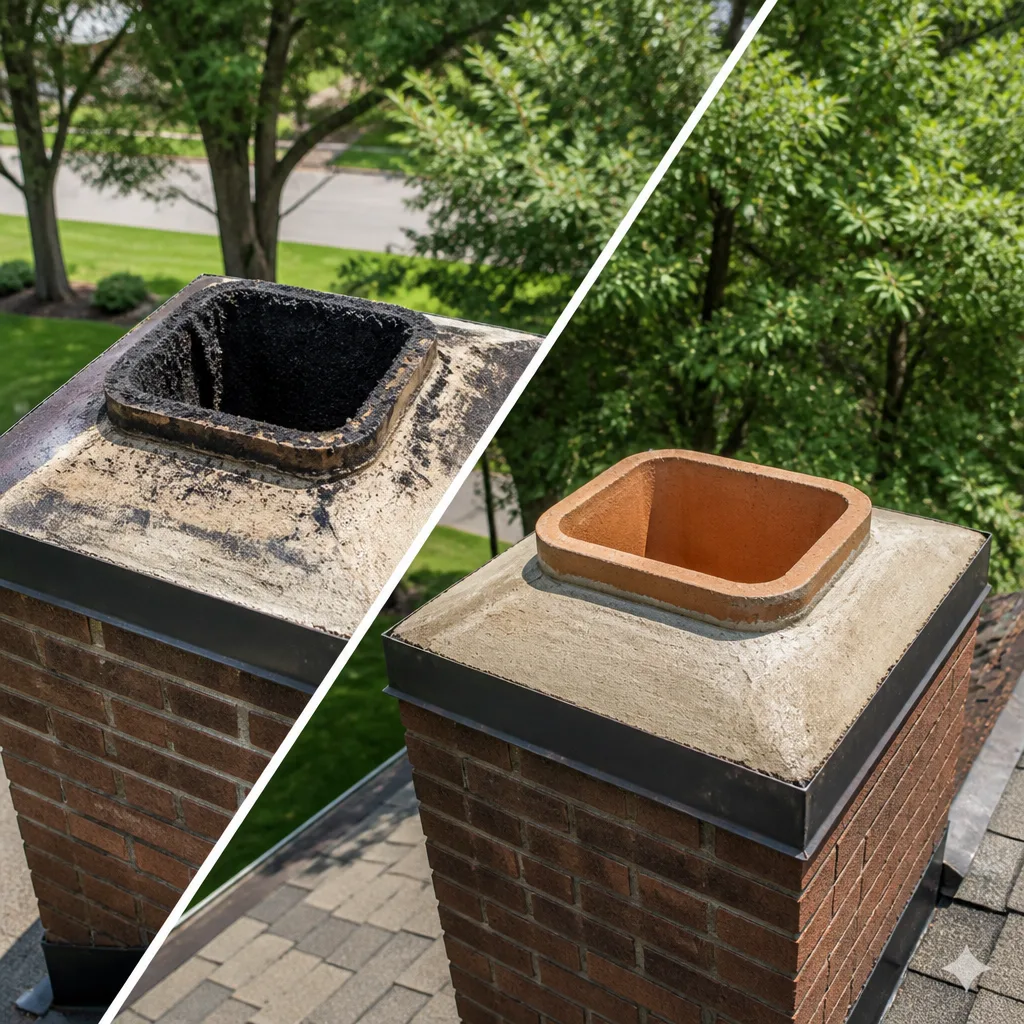
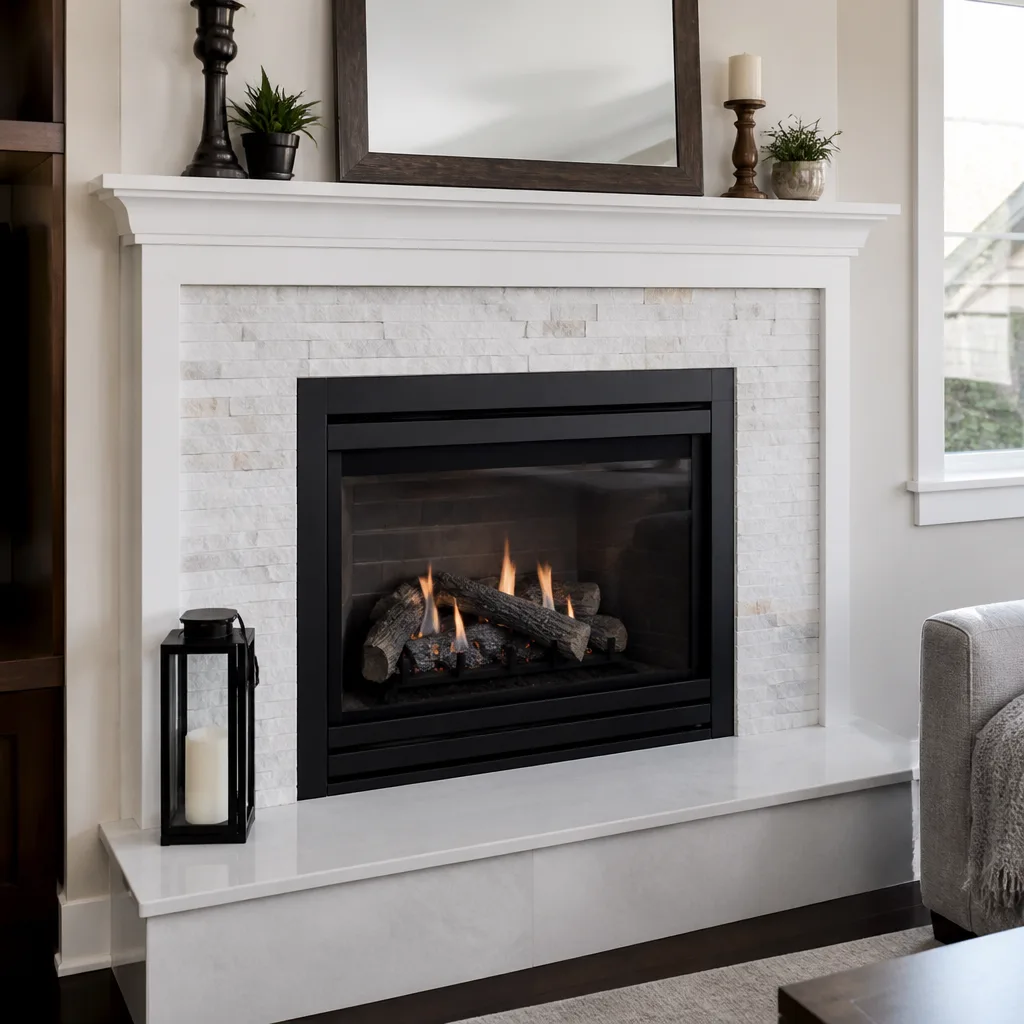
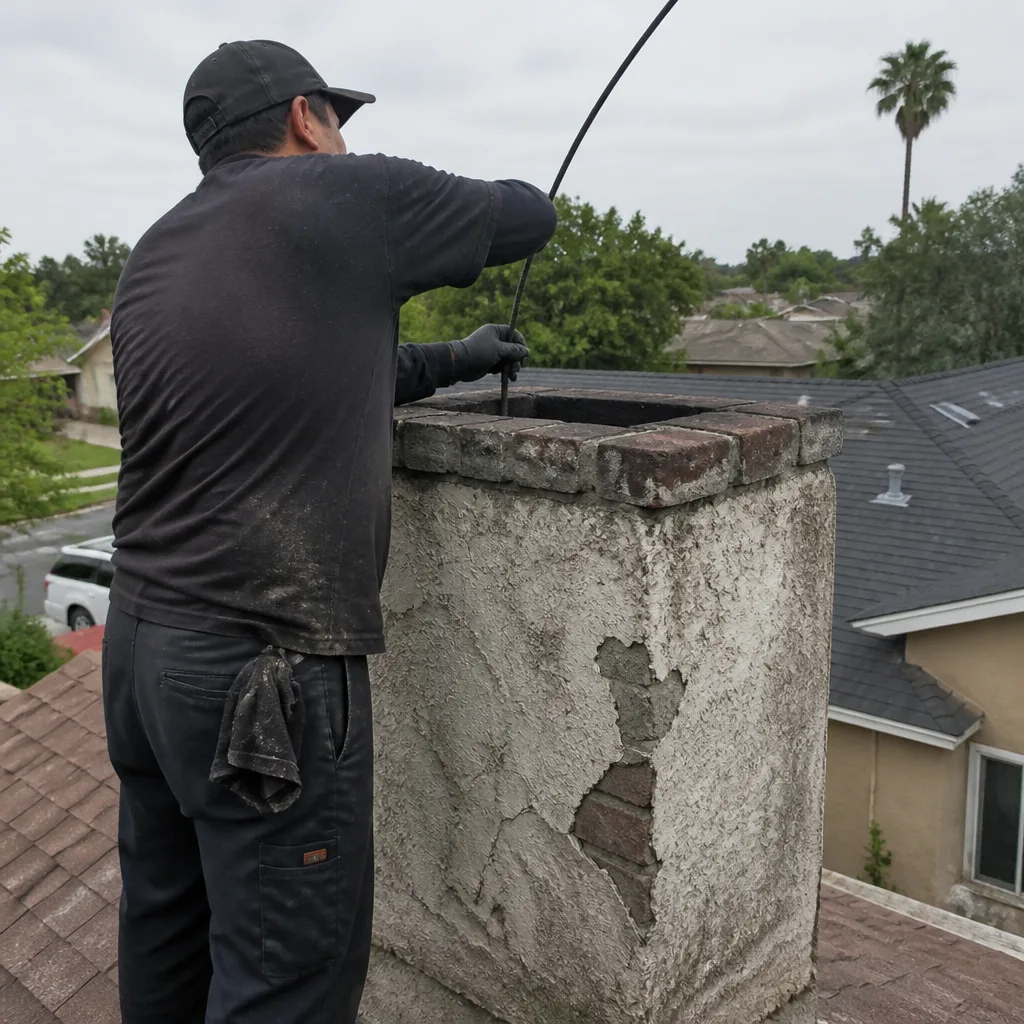 Before
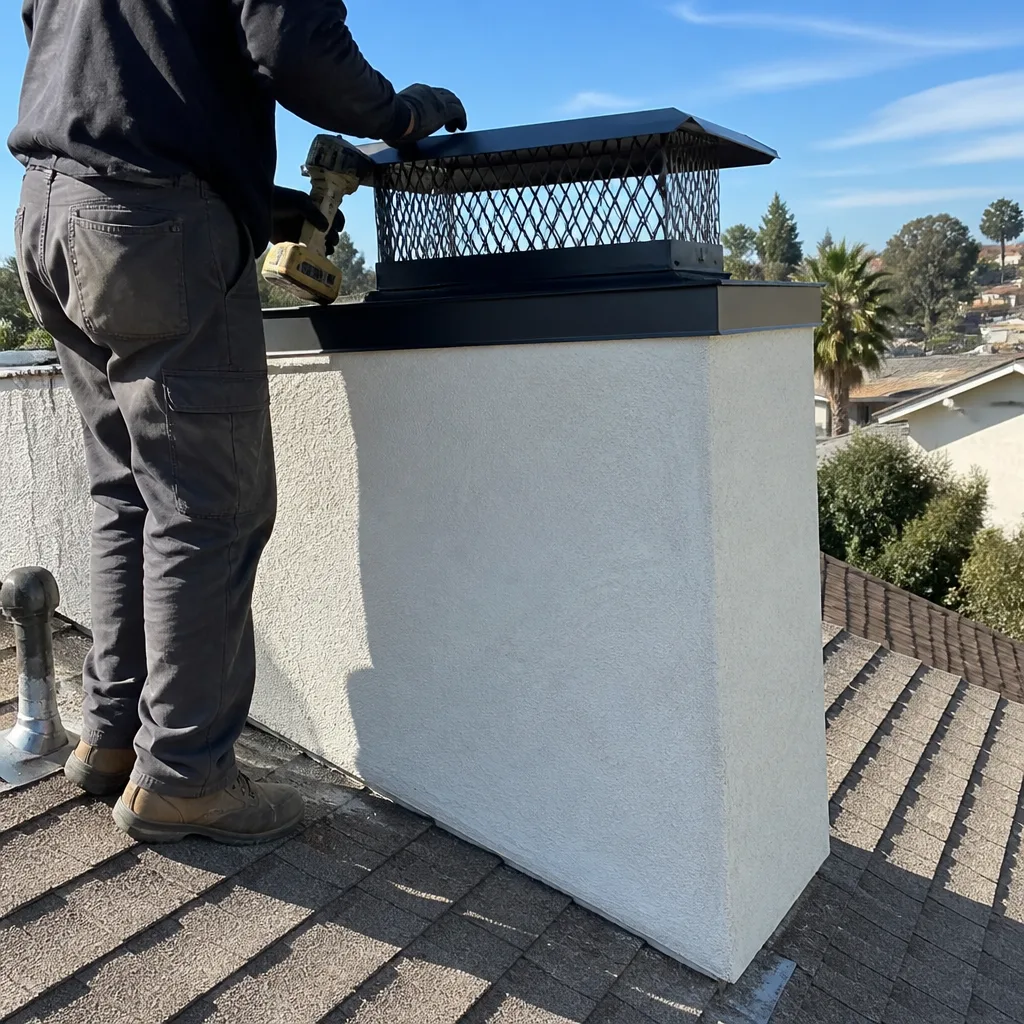 After
After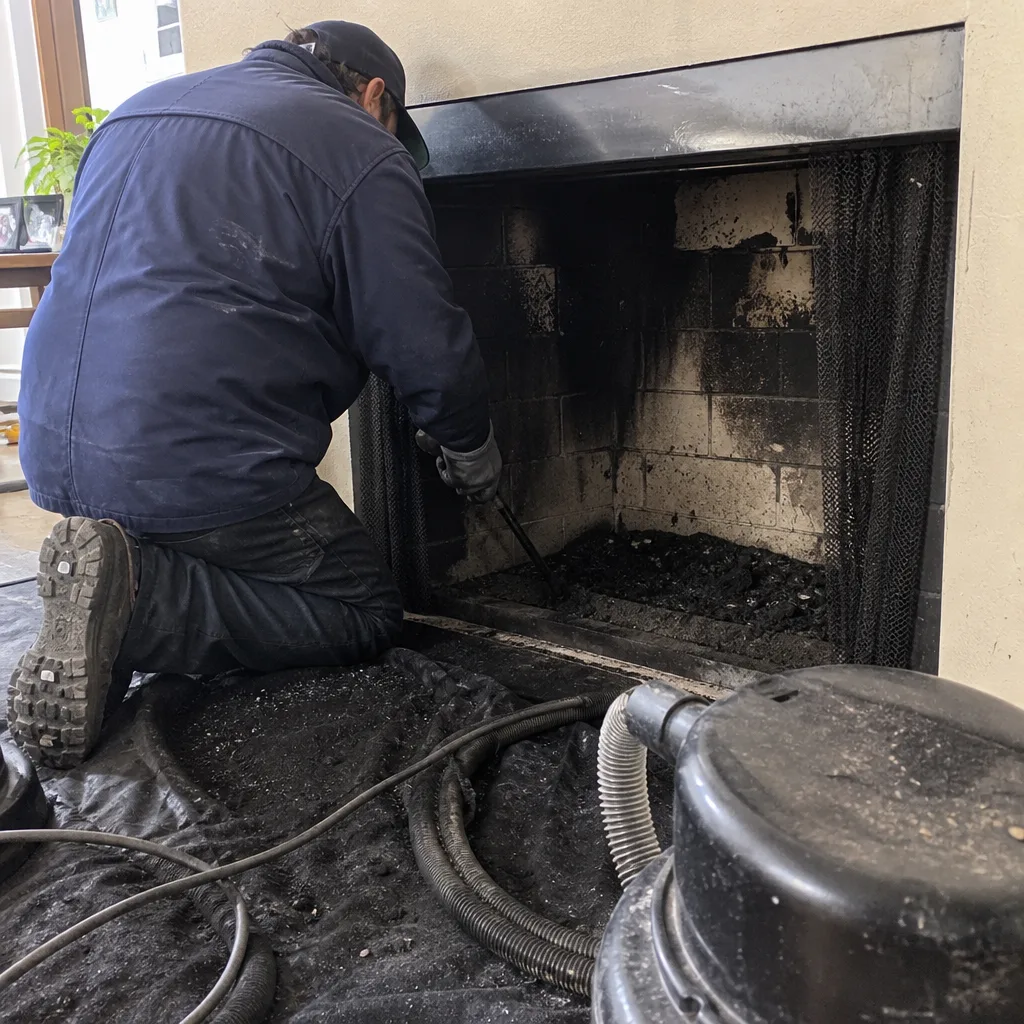 Before
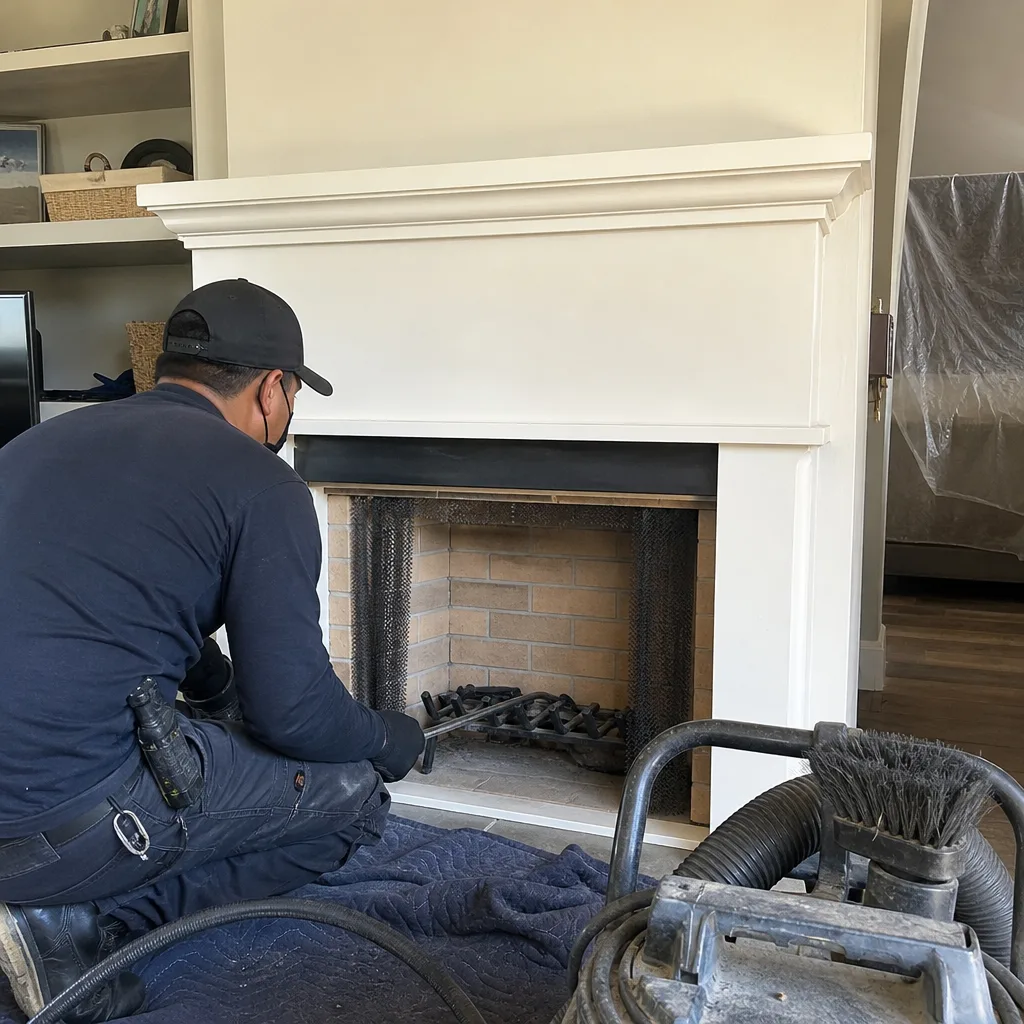 After
After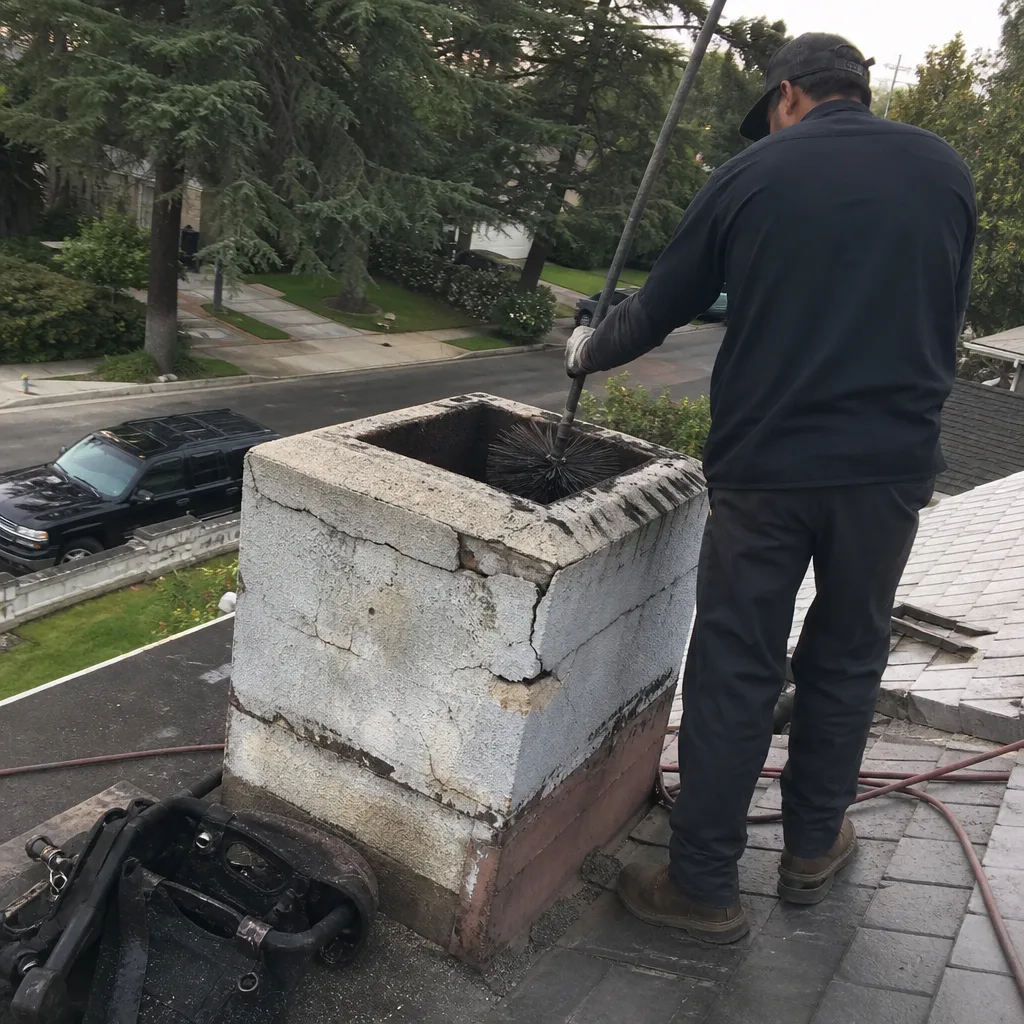 Before
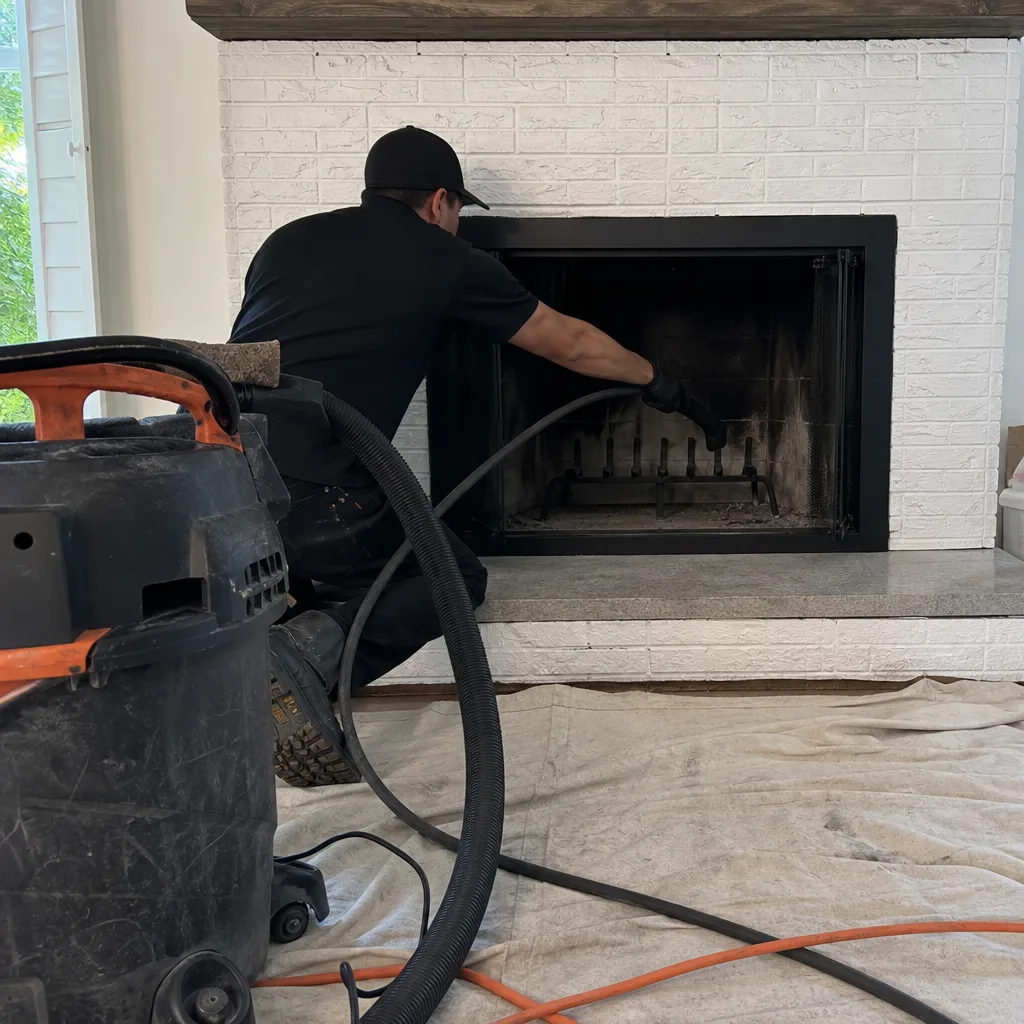 After
AfterChimney Cleaning Emergency Preparedness Guide for Los Angeles Homes
During the January 2024 wind storms, tens of thousands of Los Angeles homes lost power for multiple days. Families who hadn’t lit a fire in years suddenly did – and fire departments across the San Fernando Valley responded to chimney-related calls at rates not seen since the 1990s. An uninspected flue in that moment isn’t a minor inconvenience. It’s one of the highest residential fire risks a family can face. This guide explains why chimney readiness belongs in every LA emergency plan, how to assess your fireplace before you need it, and what to do when smoke starts filling the room.
Quick Answer
A chimney-ready Los Angeles home has had a professional sweep and camera inspection within 12 months (see our Chimney Inspection Maintenance Schedule: What to Do and When), has a functional chimney cap with spark arrestor, and keeps a one-page readiness document with the flue’s condition, last service date, and technician contact. Without these, lighting a fireplace during a power outage or wildfire evacuation introduces risks that compound the emergency you’re already managing.
Table of Contents
- Why Chimney Readiness Belongs in Your LA Emergency Plan
- The Specific Failure Modes That Cause House Fires During Outages
- How to Assess Your Fireplace for Emergency Use Without a Technician
- What to Do If Smoke Enters Your Home During a Fire
- The Chimney Cap’s Role in Wildfire Ember Defense
- Creating Your One-Page Chimney Readiness Document
- Common Mistakes to Avoid
- When to Call a Professional
- Frequently Asked Questions
- The Bottom Line
Why Chimney Readiness Belongs in Your LA Emergency Plan
Los Angeles emergency preparedness has a familiar shape: earthquake kits in the garage, go-bags by the door, N95 masks for wildfire season, and often a generator or battery backup for the inevitable SCE outage. The fireplace rarely makes this list. That’s a gap worth closing.
Our climate creates a specific pattern. Most LA homeowners use their fireplaces fewer than ten times per year, often only during holiday gatherings or the occasional January cold snap. The flue sits dormant for months, accumulating dust, debris, and sometimes moisture from our marine layer mornings. Then an emergency hits – a Santa Ana wind event downs power lines across Pasadena, or a fire in the Angeles National Forest triggers preemptive shutoffs in Altadena and La Cañada Flintridge. Temperatures drop into the 40s at night. The fireplace becomes heat, light, and psychological comfort all at once.
The problem isn’t that people use their fireplaces during emergencies. It’s that they do so with no recent knowledge of the flue’s condition. A chimney inspection in Los Angeles costs far less than replacing a roof or rebuilding after a fire, yet it rarely gets scheduled until there’s already a problem.
We recommend treating chimney readiness as infrastructure, not ambiance. Your water heater, electrical panel, and gas lines all receive periodic professional attention. The chimney, which vents combustion gases from the largest fire in your home, deserves the same discipline. In our experience serving Los Angeles since 2002, the homes that weather emergencies without incident are the ones where the owner knows the flue’s status before the crisis begins.
The Specific Failure Modes That Cause House Fires During Outages
Chimney fires during emergencies aren’t random. They follow predictable patterns that we see repeatedly across Los Angeles County. Understanding these failure modes helps you prevent them.
Ignition of creosote deposits. Creosote is the tar-like byproduct of incomplete wood combustion. It builds in layers on flue walls, and it’s highly flammable. A flue that appeared “fine” during a casual glance can harbor a quarter-inch of glazed creosote – enough to sustain a chimney fire reaching 2,000°F. During outages, people burn whatever wood is available: construction scraps, painted lumber, even pallets from behind the hardware store. These fuels burn cooler and dirtier, accelerating creosote formation and increasing ignition risk in a single weekend. Learn to spot trouble early with our Chimney Cleaning Warning Signs: A Los Angeles Homeowner’s Reference Guide.
Cracked or displaced flue liners. Many Los Angeles homes built between 1920 and 1960 have unlined chimneys or terra cotta liners that have deteriorated. Heat and combustion gases escape through cracks into surrounding framing. During normal use, small cracks might not present immediate danger. During emergency use – longer burn times, hotter fires, less attention – those cracks become pathways for ignition. We’ve found compromised liners in homes from Silver Lake to San Pedro where the owner had no idea until our camera inspection revealed glowing gaps in the masonry.
Blocked flues from animal nesting. Our mild winters mean squirrels, birds, and raccoons are active year-round. A chimney without a proper cap becomes prime real estate. A nest can reduce flue diameter by half or more, trapping smoke and carbon monoxide in the home. The first fire of the season – especially an emergency fire lit by someone who hasn’t used the fireplace in months – can smolder against the blockage until it ignites.
Damper malfunction or user error. Dampers corrode, warp, or become stuck with disuse. A homeowner who hasn’t operated the damper in fourteen months may not notice it’s only partially open, or may forget to open it entirely in the stress of an outage. Smoke backs up, carbon monoxide accumulates, and the frustrated user may add accelerants or overfeed the fire, compounding the risk.
Proximity to wildfire embers. During red flag conditions, airborne embers travel miles ahead of a fire front. An uncapped flue or a cap with damaged mesh becomes an entry point. We’ve replaced caps in Pacific Palisades and Topanga where embers had actually entered the flue during nearby fires – the homeowners didn’t know until our inspection found scorch marks on the smoke shelf.
How to Assess Your Fireplace for Emergency Use Without a Technician
No checklist replaces a professional chimney sweep in Los Angeles with a camera system. But emergencies don’t wait for appointments. If you must use your fireplace and cannot get a technician on site, run through this conservative assessment. Any “no” answer means you should find alternative heat.
- When was the last professional sweep and inspection? If within 12 months and you have documentation, proceed with caution. If longer than 12 months, or unknown, do not use the fireplace for emergency heating.
- Is the damper fully operational? Open it completely, verify it locks or stays open, then close it and confirm it seals. If it sticks, squeals, or won’t stay in position, do not light a fire.
- Does the flue draw air upward? With the damper open, hold a lit match or thin strip of paper near the firebox opening. The flame or paper should lean toward the flue, not into the room. Reverse airflow means blockage, negative pressure from tight home construction, or flue damage. Do not proceed.
- Is the firebox free of debris, bird nests, or obvious cracks? Use a flashlight. Look for twigs, leaves, or animal droppings. Check the back wall and sides for spalling brick, crumbling mortar, or gaps where fire could escape the intended chamber.
- Does the chimney have a cap with intact mesh? From ground level or a safe ladder position, verify the cap is present and the spark arrestor mesh isn’t torn or rusted through. No cap, or damaged mesh, means ember entry and animal access – both disqualifiers for emergency use.
- Are surrounding roof and attic areas clear? Check from the ground for overhanging branches, accumulated leaves near the chimney base, or damaged flashing that could allow sparks to reach combustible materials.
- Do you have working smoke and carbon monoxide detectors on every level? Test them now. If any fail, do not use the fireplace until they’re replaced and tested.
This checklist is deliberately conservative. We’ve seen too many Los Angeles homeowners rationalize a “probably fine” flue during an outage, then spend the next morning explaining smoke damage to their insurance adjuster. When in doubt, layer clothing, close off unused rooms, and wait for professional assessment.
What to Do If Smoke Enters Your Home During a Fire
Smoke inside the house during a fireplace fire demands immediate, specific action. Panic and guesswork waste the minutes that matter. Follow this sequence exactly.
- Open the damper fully if it isn’t already. Many smoke incidents start here. The damper may have slipped partially closed, or was never fully opened. This is the first check, not the third.
- Open a window or exterior door on the same level as the fireplace. This breaks negative pressure in tightly sealed modern homes, which often prevents proper draft. The fire needs makeup air; your home’s exhaust fans, dryers, and HVAC systems may be competing for it.
- Reduce the fire’s intensity. Close glass doors if present, or use a fireplace screen to limit air intake. Do not throw water on the fire – thermal shock can crack masonry or a cast iron firebox, creating new paths for smoke and fire extension.
- Check for visible blockage. With a flashlight and from a safe distance, look up the flue for obstructions you can see from the firebox. Do not reach into the flue. If you see a nest or debris, extinguish the fire completely and do not relight until a professional clears it.
- Evacuate if smoke persists or increases. Gather occupants and pets, exit the home, and call 911 from outside. Carbon monoxide may be present even if you don’t smell smoke. Do not re-enter until fire department personnel clear the structure.
- Do not use the fireplace again until inspected. Even if the smoke clears, the underlying cause – cracked liner, hidden blockage, or structural damage – remains. Schedule a professional inspection before the next fire, emergency or otherwise.
We’ve responded to Los Angeles homes where the homeowner’s first reaction was to feed the fire more air or fuel, thinking it would “burn cleaner.” The opposite occurs. A smoking fire is an incomplete combustion event. Adding fuel creates more smoke, more carbon monoxide, and more risk. When the flue isn’t drafting properly, the only correct response is to reduce or extinguish the fire, then investigate.
The Chimney Cap’s Role in Wildfire Ember Defense
Los Angeles wildfire preparedness rightly emphasizes defensible space, hardened vents, and ember-resistant roofing. The chimney cap deserves equal attention, yet it’s often absent, damaged, or improperly specified.
An uncapped flue is a vertical shaft open to the sky. During red flag wind events, embers can travel miles from an active fire front. A single ember entering a dry flue with creosote residue can smolder for hours before manifesting as a roof fire. The 2017 Thomas Fire and 2025 Palisades Fire both produced ember showers that ignited structures far from the flame front – and chimney openings were documented entry points in several investigations.
A proper chimney cap serves three functions during wildfire conditions:
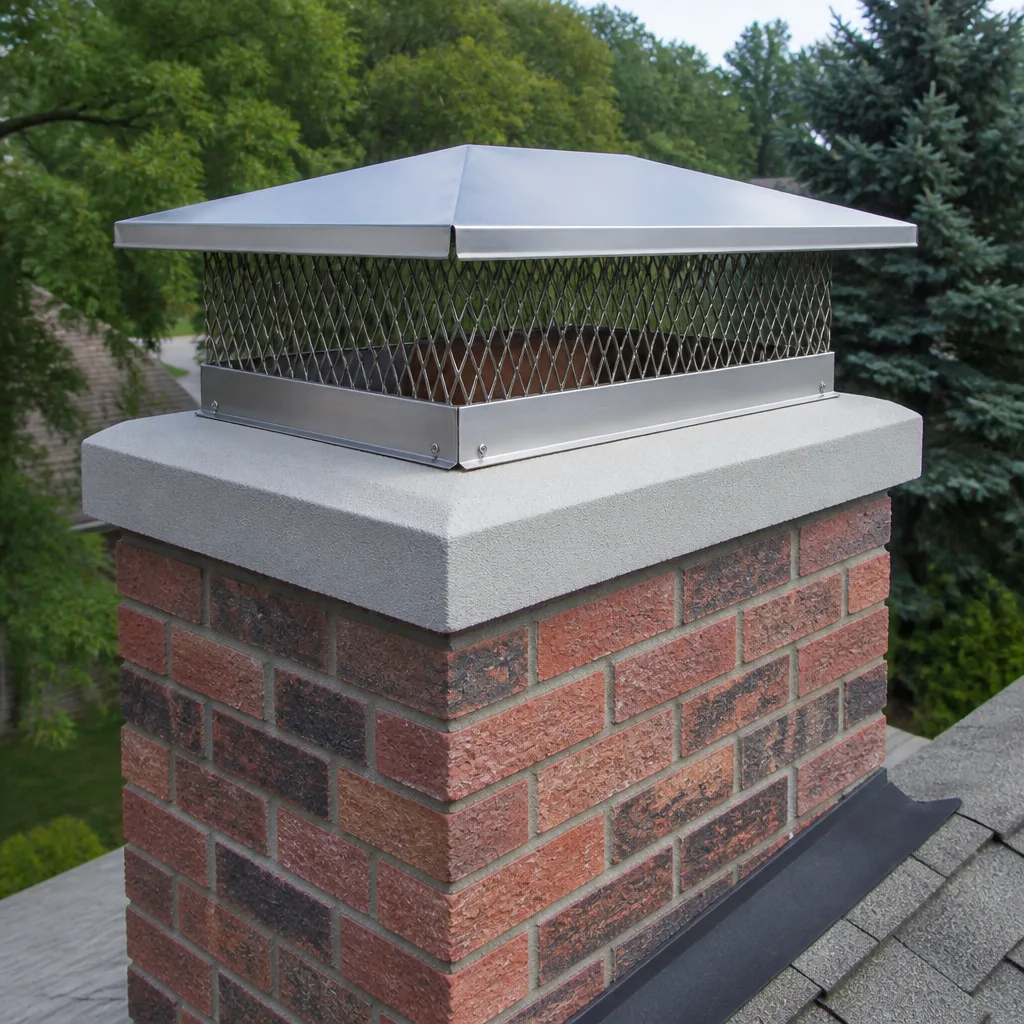
- Spark arrestor mesh prevents airborne embers from entering while allowing exhaust gases to exit. Mesh size matters: 3/4-inch is standard, but finer mesh may be specified in high-risk zones.
- Rain and debris exclusion keeps the flue dry and clear. Moisture from our marine layer accelerates creosote acidity and liner deterioration. Debris accumulation creates fuel for internal ignition.
- Downdraft deflection reduces the Santa Ana wind gusts that can blow embers directly down the flue. Caps with proper skirt design and wind-resistant profiles perform measurably better than flat or improvised covers.
We install caps from Olympia Chimney and Famco that meet California wildfire building code requirements for ember resistance. These aren’t decorative additions. In fire-prone areas of Los Angeles from the Hollywood Hills to the Santa Monica Mountains, a proper cap is structural fire protection.
If your cap is missing, rusted through, or has mesh gaps larger than 3/4 inch, replacement should precede the next burn season. During emergency conditions, a compromised cap is nearly as risky as no cap at all.
Creating Your One-Page Chimney Readiness Document
Every prepared Los Angeles home keeps an emergency binder: insurance documents, medical records, utility shutoff instructions, evacuation routes. Add one page for chimney readiness. This document transforms vague memory into actionable information when stress is high and recall is poor.
Include these fields, updated after each professional visit:
- Last professional sweep and inspection date: ___________
- Company and technician name: ___________
- Flue condition summary: ___________ (e.g., “lined with DuraFlex stainless, no defects noted”)
- Creosote level at inspection: ___________ (Stage 1/2/3, or “minimal/moderate/heavy”)
- Chimney cap status: ___________ (brand, mesh condition, installation date)
- Damper condition: ___________
- Any recommended repairs pending: ___________
- Estimated safe use capacity: ___________ (e.g., “seasonal decorative fires only” or “approved for extended heating use”)
- Company contact for emergency questions: ___________
Store this with your emergency supplies, not buried in a filing cabinet. After each chimney inspection in Los Angeles, ask your technician to confirm or update each field. A technician who won’t document their findings in plain language is a technician whose findings you should question.
At Alcott Chimney Sweep, we provide a written summary after every inspection that maps directly to this format. Our customers in Los Angeles keep these summaries in their binders, and several have told us they referenced them during the 2024 outages. That’s the point: preparation that actually gets used when preparation matters.
Common Mistakes to Avoid
- Assuming a gas fireplace needs no attention. Gas units vent through the same flue structure as wood-burning fireplaces, and their log sets can degrade, crack, or misposition. A gas fireplace repair in Los Angeles often reveals venting issues that would be catastrophic during extended use. Schedule inspection regardless of fuel type.
- Burning construction debris or treated lumber during emergencies. Pressure-treated wood, painted boards, and plywood release toxic compounds and burn at temperatures that damage flue liners. The creosote they produce is particularly flammable. In Los Angeles, where old fences and construction waste are readily available, this temptation is real and dangerous.
- Using the fireplace as primary heat without carbon monoxide monitoring. Extended burn times in tightly sealed homes create CO accumulation risk even with a functional flue. Battery-powered CO detectors are essential emergency equipment, not optional accessories.
- Neglecting the chimney cap because “it looks fine from the ground.” Caps corrode from the inside out in our coastal climate. A cap that appears intact may have separated mesh, failed fasteners, or rusted mounting brackets that detach in Santa Ana winds. Ground-level visual inspection misses these failure modes.
- Skipping professional inspection because the fireplace “wasn’t used much.” Disuse doesn’t preserve chimney condition. Moisture intrusion, seismic settling, and animal activity all proceed without fires being lit. Some of the most deteriorated flues we’ve inspected in Los Angeles belonged to homes where the owner proudly reported “we never use it.”
- Relying on chimney cleaning logs as maintenance substitute. These products may reduce light creosote buildup but cannot remove glazed deposits, inspect liner condition, or identify structural damage. They’re a supplement to professional service, not a replacement.
- Failing to verify technician identity before allowing access. In Los Angeles, where door-to-door chimney scams persist, confirm who arrives. At Alcott, you’ll receive your technician’s name and photo before we arrive, and they’ll show Threshold Verified ID at your door. Any company that won’t do this is a company you shouldn’t admit to your home.
When to Call a Professional
Call for professional assessment before emergency conditions arrive: if your last inspection exceeds 12 months, if you’ve noticed smoke odor when the fireplace isn’t in use, if the damper operates roughly or not at all, or if your chimney cap is missing or damaged. Review Chimney Cleaning Permits, Codes & Inspections in CA: What You Need to Know to understand requirements. Call immediately if you’ve experienced a chimney fire, visible smoke leakage, or carbon monoxide alarm activation related to fireplace use.
Alcott Chimney Sweep offers free estimates in Los Angeles. Our technicians are background-checked and identity-verified to the Threshold Standard, and you’ll know your technician’s name and see their photo before we arrive. Every job includes a written price before work begins and a written guarantee on every repair. Call (336) 863-3889 to schedule.
Frequently Asked Questions
A standard chimney sweep and Level 1 inspection in Los Angeles typically runs $200 – $350 before any repairs. Level 2 inspections with camera evaluation, recommended for real estate transactions or after chimney fires, generally range $350 – $550. Call (336) 863-3889 for an exact quote – estimates are free.
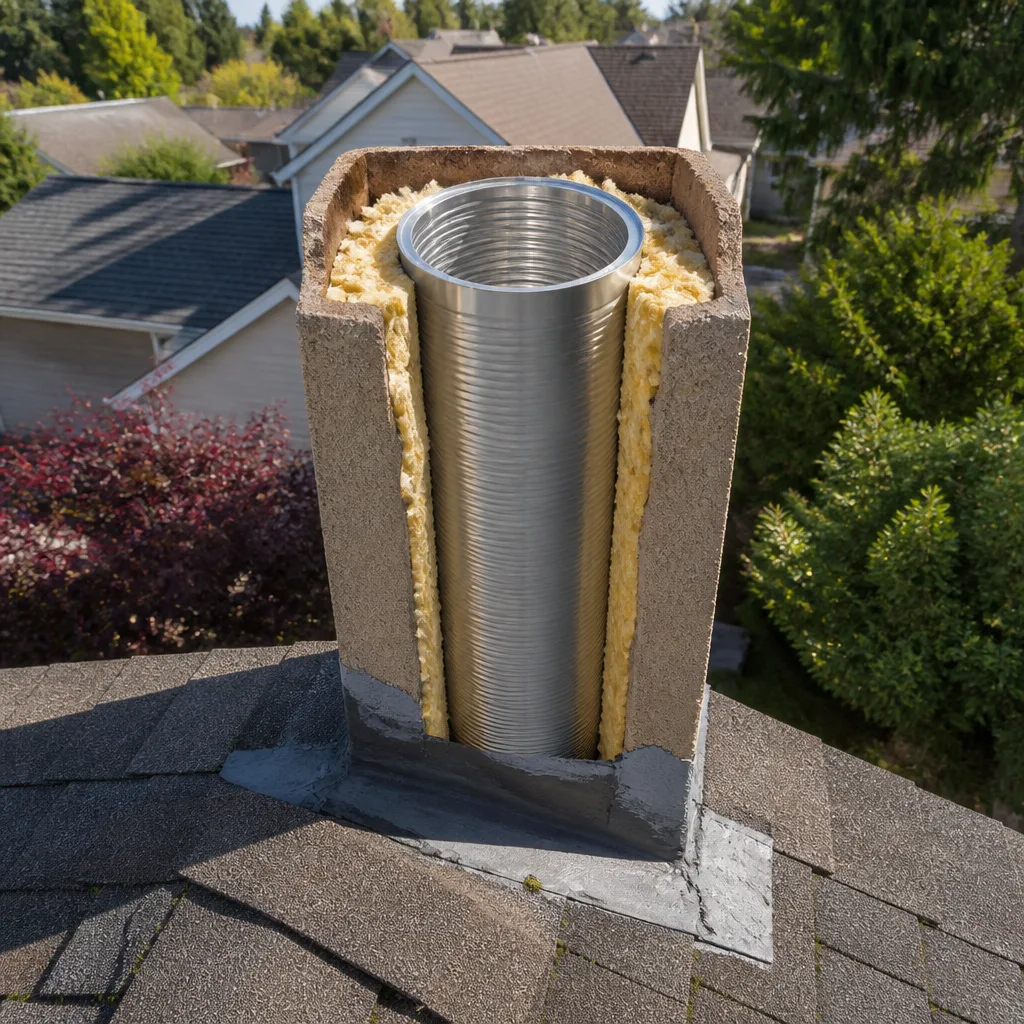
You need a new liner if your existing liner is cracked, displaced, or absent, and you intend to use the fireplace. We document this with camera footage you can see yourself. In our experience, about 30% of Los Angeles homes built before 1960 have unlined or compromised flues. When we recommend liner replacement with a DuraFlex stainless steel system, it’s because the camera shows damage that creates fire or carbon monoxide risk – not because we’re selling an upgrade. Work that can safely wait, we say so plainly.
The National Fire Protection Association recommends annual inspection, with sweeping as needed based on creosote accumulation. For Los Angeles homeowners who burn fewer than twenty fires per season, every 12 – 24 months may suffice if inspection shows minimal buildup. Those who burn regularly, burn soft woods like pine, or use their fireplace during emergency outages should schedule annually. Our climate’s moisture cycles make creosote more acidic than in drier regions, accelerating liner wear even at lower burn volumes.
Skipped maintenance leads to creosote accumulation, liner deterioration, and animal intrusion – all invisible from the firebox. The first symptom is often smoke inside the home, a chimney fire, or carbon monoxide exposure. In Los Angeles, where earthquakes shift masonry and our mild winters encourage year-round animal activity, the risks compound faster than in colder climates where chimneys receive more regular attention. The cost of deferred maintenance typically exceeds preventive care by factors of ten or more when fire damage or medical emergency is involved.
You can perform the surface assessment in this guide: damper operation, firebox debris check, cap visual inspection, and draft test. You cannot safely assess flue liner condition, creosote buildup extent, or structural integrity without proper equipment and training. Camera inspection requires specialized tools and interpretation experience. Use your assessment to decide whether emergency use is reasonable; use professional inspection to confirm long-term safety.
Caps with 3/4-inch stainless steel spark arrestor mesh, proper skirt design for wind deflection, and construction from copper or stainless steel for coastal corrosion resistance. We specify Olympia Chimney and Famco caps that meet these criteria for Los Angeles conditions. The cap must be properly sized to your flue and securely mounted – an ill-fitting quality cap performs worse than a properly fitted basic model.
The Bottom Line
Chimney readiness in Los Angeles isn’t about burning more fires. It’s about not becoming a statistic when emergencies force fire use after months or years of neglect. The specific risks – creosote ignition, liner failure, animal blockage, and ember intrusion – are all identifiable and preventable with annual professional inspection, a functional chimney cap, and a simple one-page readiness document. The homeowners who weather outages safely are the ones who treated their chimney as infrastructure before the lights went out. Explore more guides & resources to keep your home prepared.
Written by Ruben Castellano, Owner at Alcott Chimney Sweep, serving Los Angeles since 2002.