
Last updated October 9, 2026
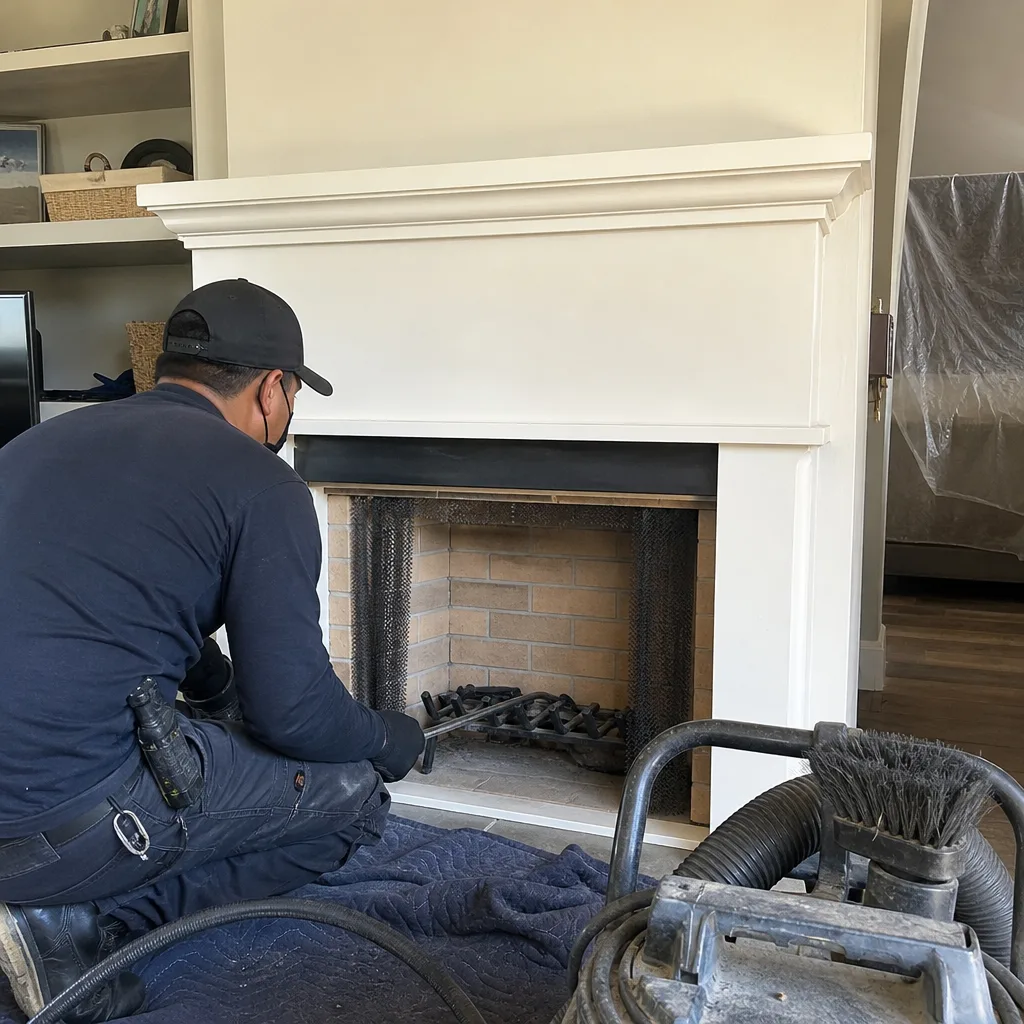
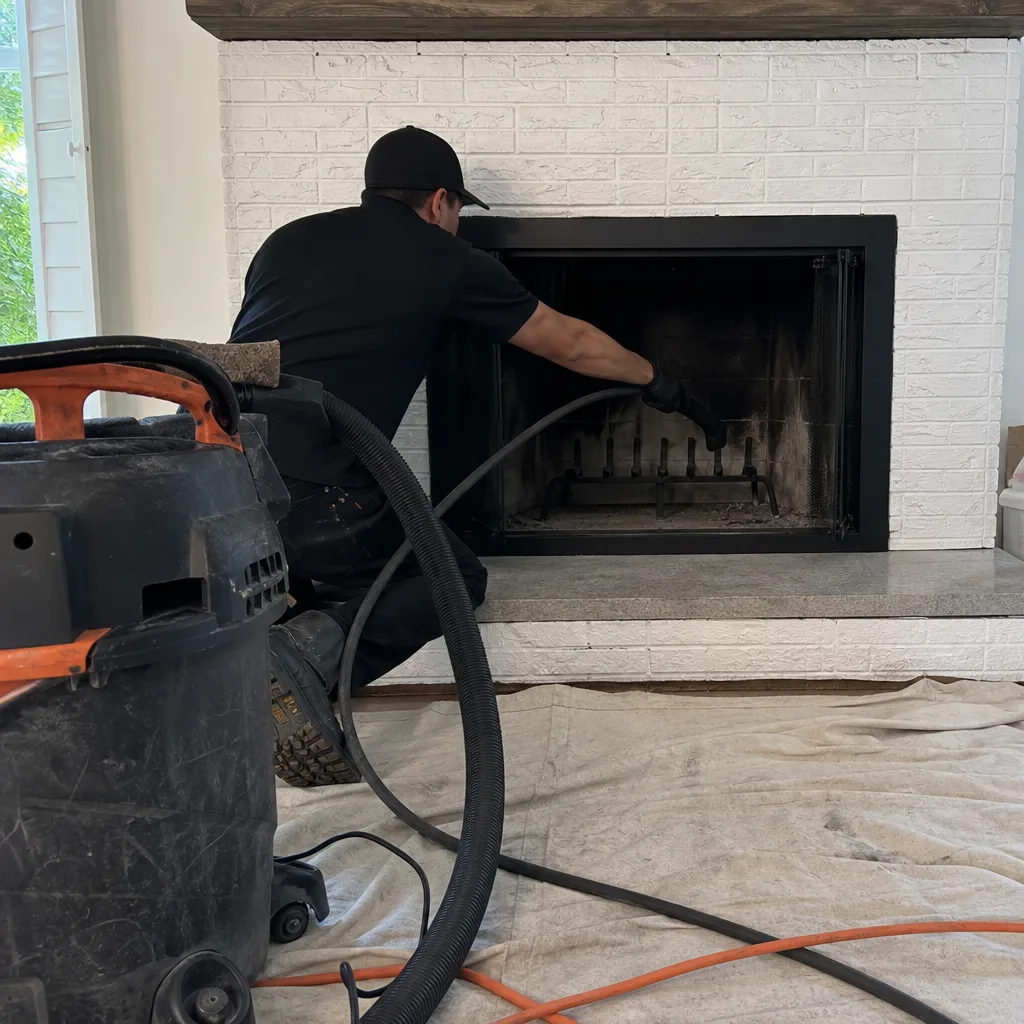
Level 1 sweep and inspection to the NFPA 211 annual standard - flue, crown, cap, and flashing checked and photographed
Chimney sweep logs do not sweep chimneys. They loosen some creosote - which then falls where a brush and vacuum still have to collect it.
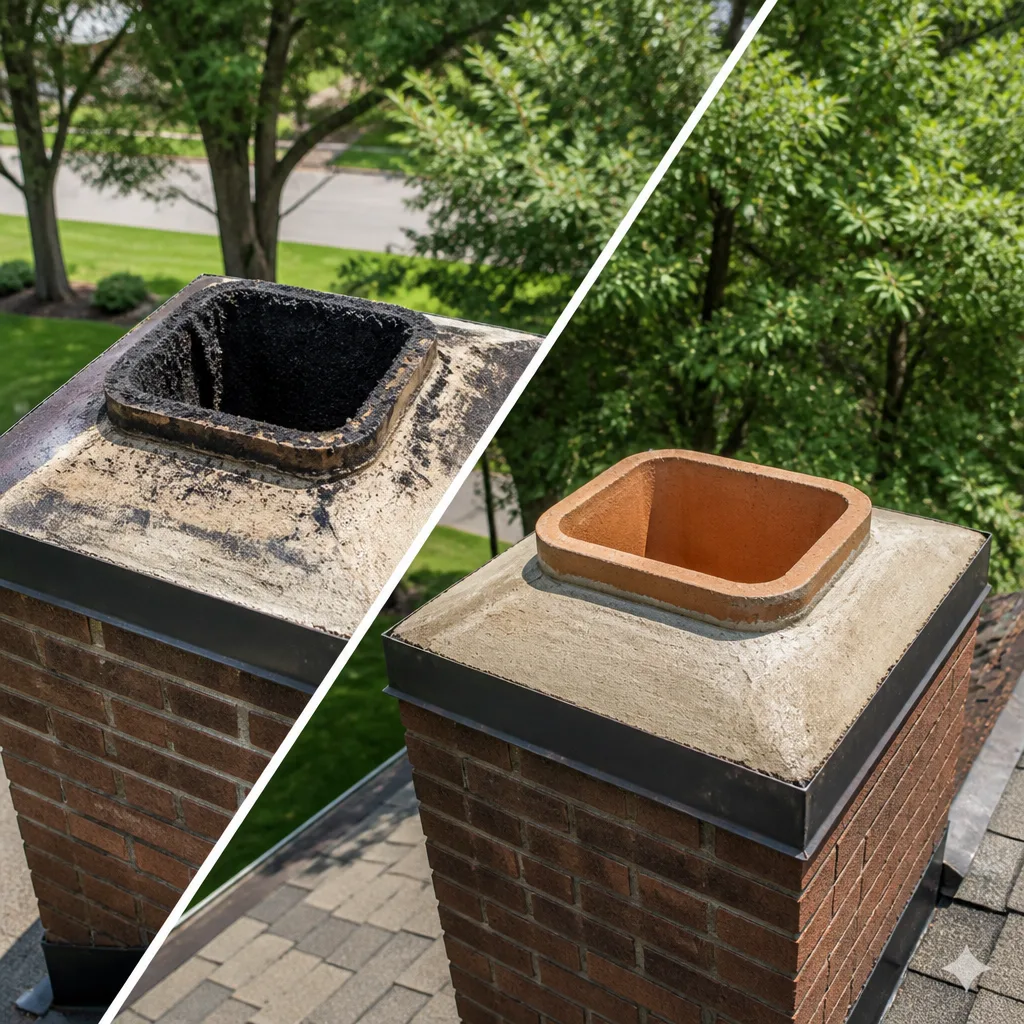
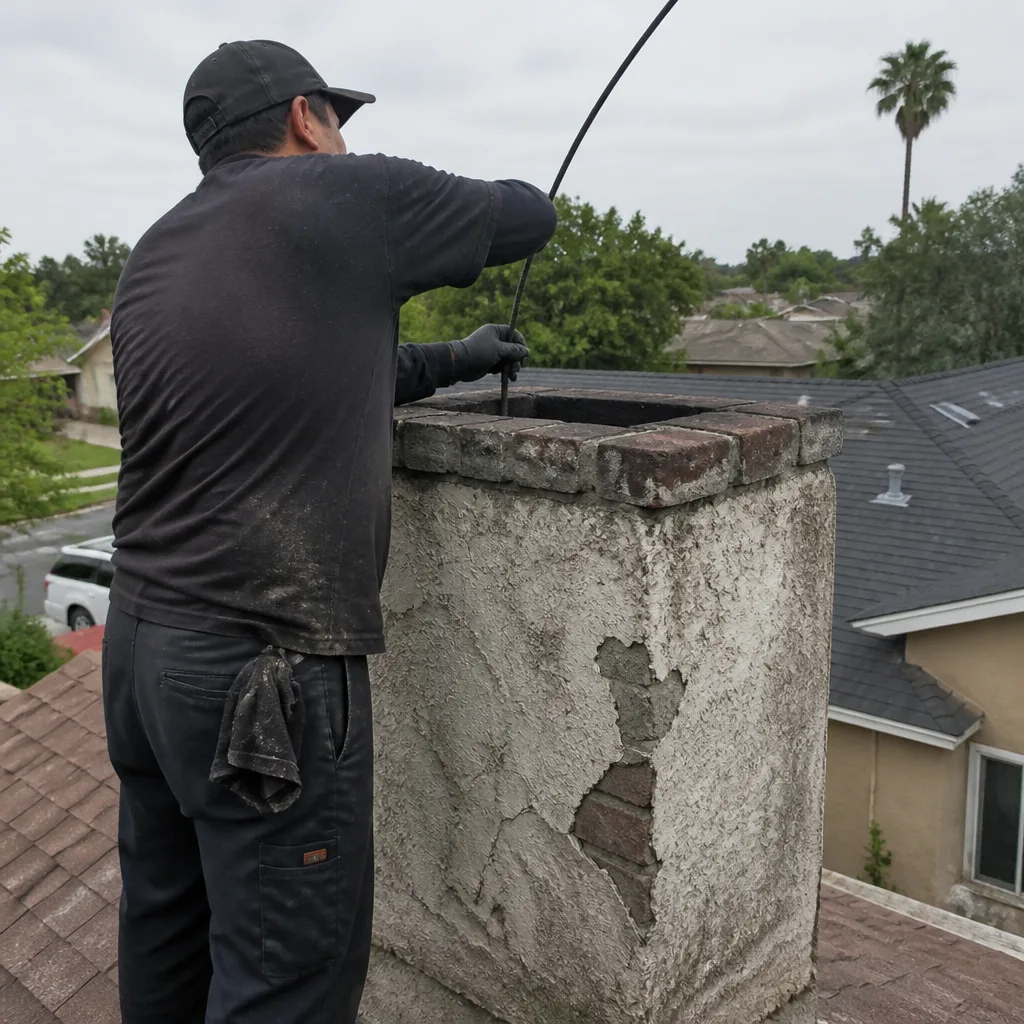 Before
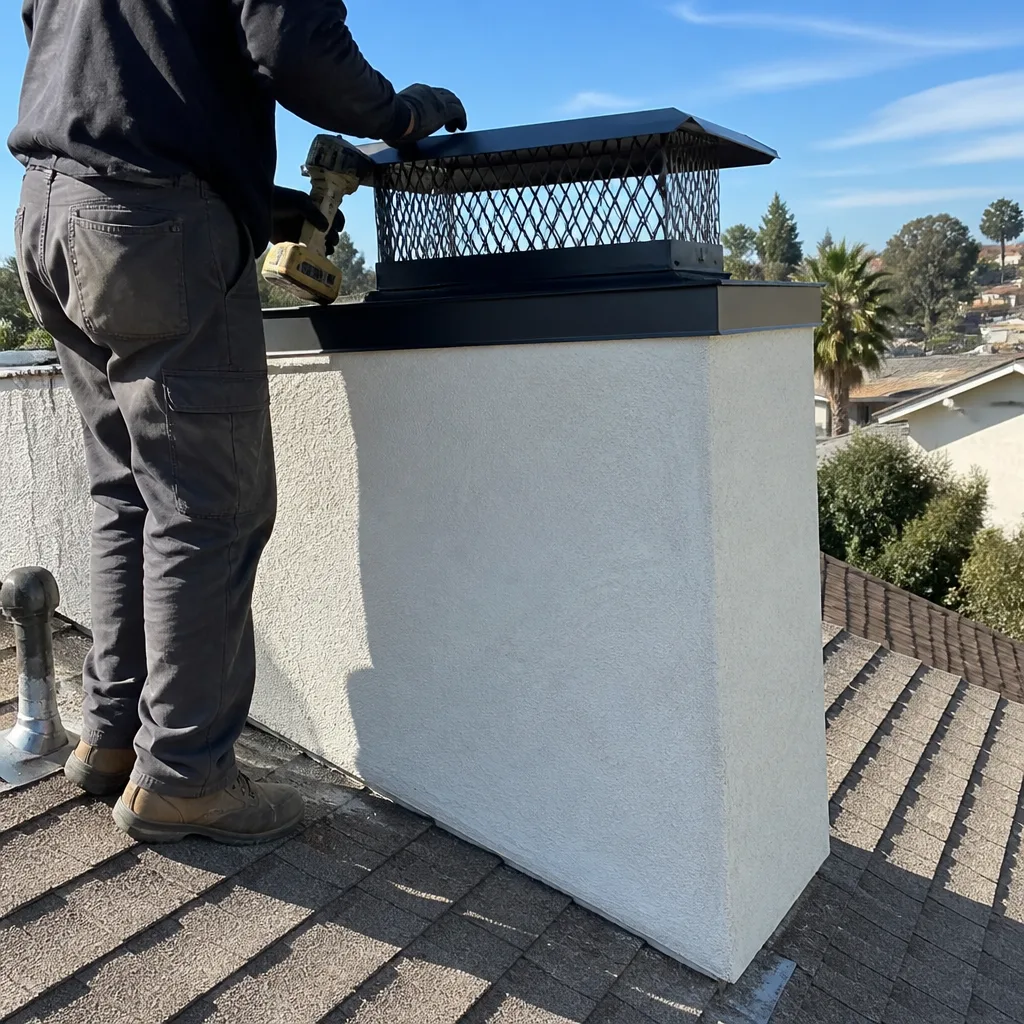 After
After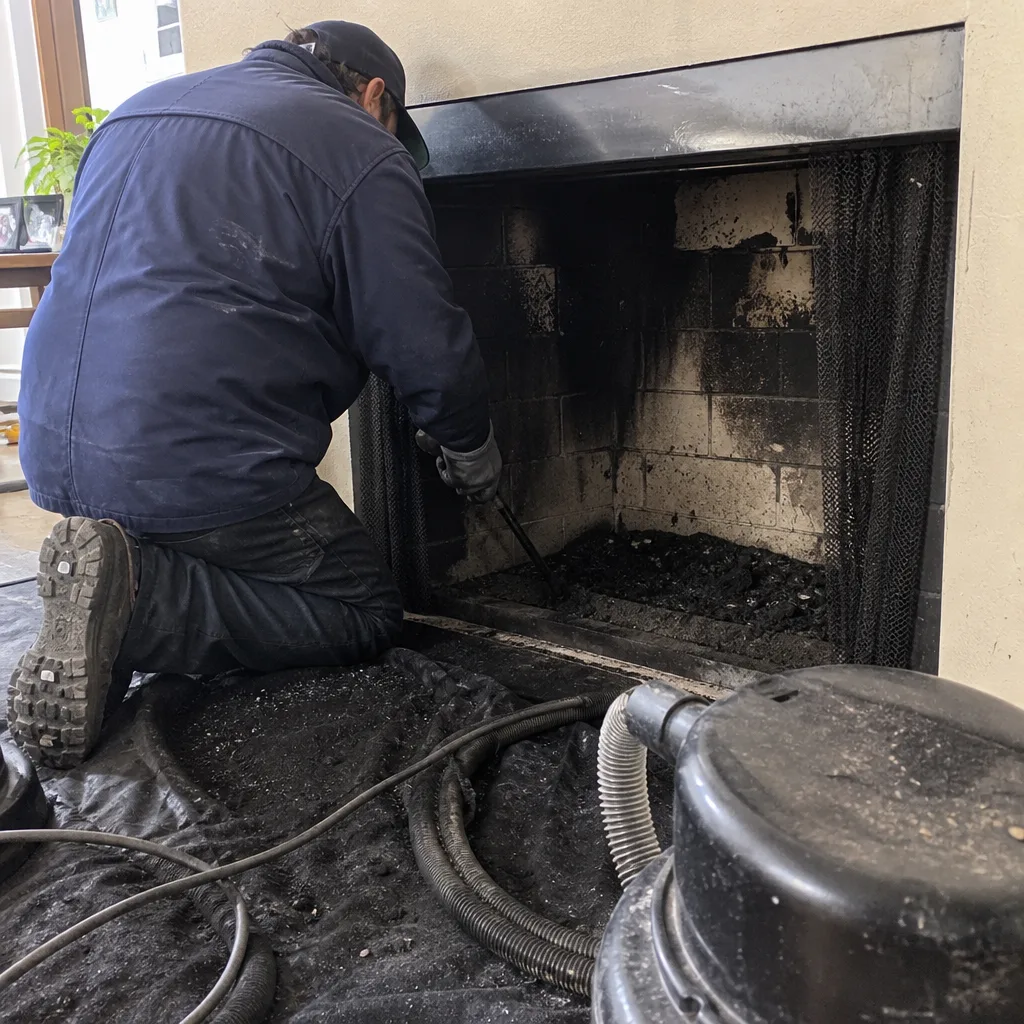 Before
 After
After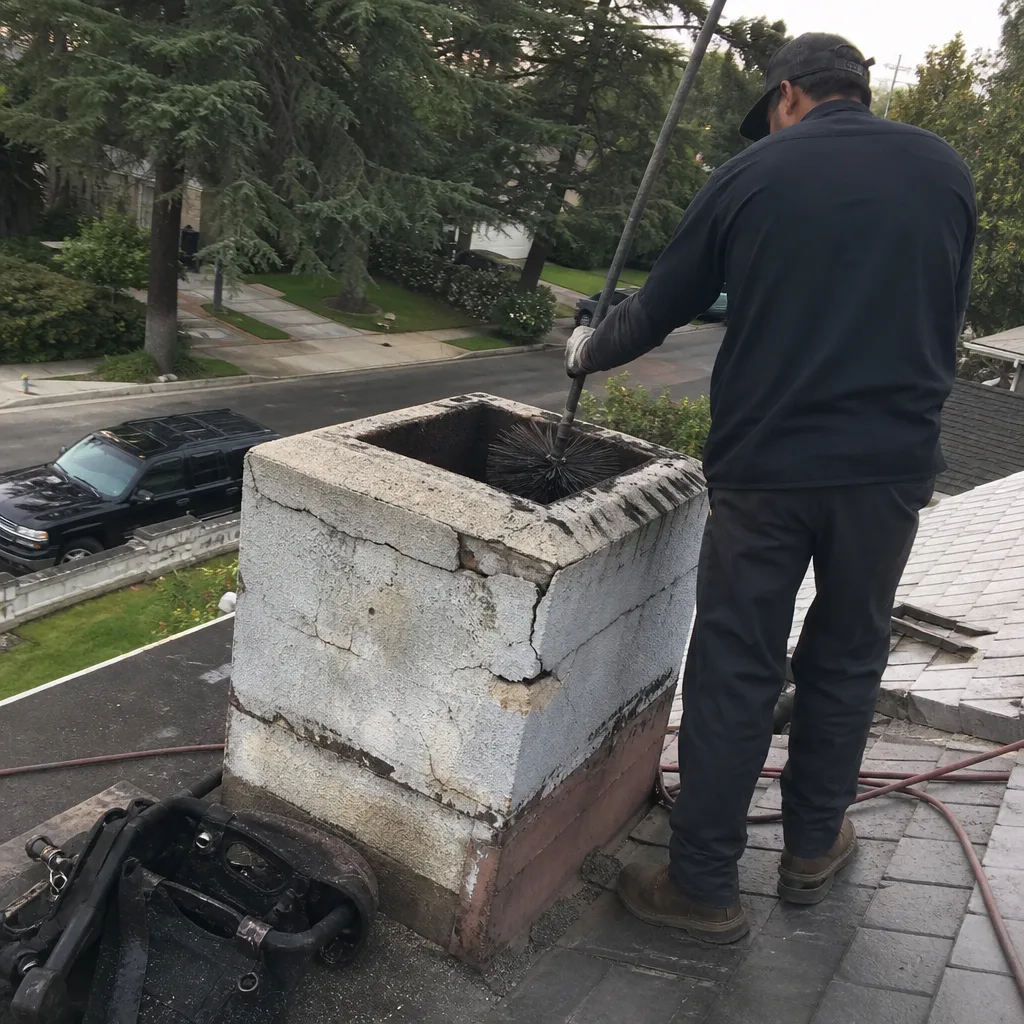 Before
 After
AfterChimney Sweep Maintenance Schedule: What to Do and When
The standard advice – “sweep annually” – was written for fireplaces that burn a cord of wood every winter. In Los Angeles, most homeowners light fewer than five fires per season, and some never light their wood-burning fireplace at all. Yet that same fireplace sits exposed to Santa Ana winds, seismic settling, and the occasional roof rat looking for shelter. The real risk for LA homeowners isn’t always creosote buildup. It’s the maintenance you skip because you assume “hardly used” means “hardly needs checking.” This guide builds a maintenance schedule around how you actually use your fireplace, not how a Vermont homeowner uses theirs.
Quick Answer
A standard chimney sweep in Los Angeles typically costs $180 – $340 and should be scheduled based on usage: decorative fireplaces need a Level 1 inspection every 2 – 3 years, occasional users (1 – 5 burns per season) need an annual sweep and inspection, and regular burners (10+ fires per season) need a sweep every year with a mid-season check. Gas fireplaces need a dedicated flue inspection every 2 – 3 years regardless of visible condition. All prefab fireplace maintenance should be logged to protect manufacturer warranty coverage.
Table of Contents
- The Three LA Usage Tiers: Match Maintenance to Actual Burn Patterns
- The September Pre-Season Checklist: Beat Fire Season
- The March Post-Season Checklist: Catch What Winter Hid
- Prefab Fireplace Maintenance: What Protects Your Warranty and What Voids It
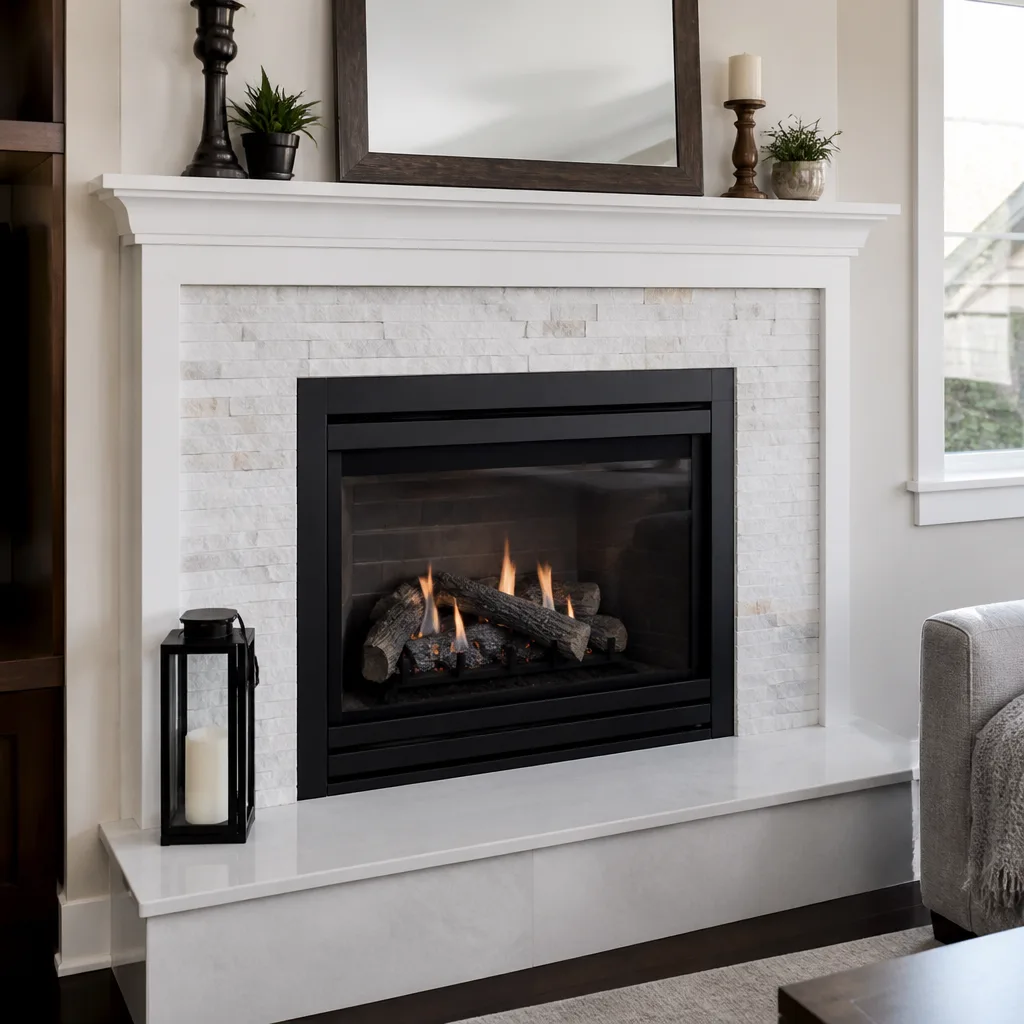
- Gas Fireplace Flue Inspection: The Interval Most Homeowners Miss
- Building a Maintenance Log That Adds Resale Value
- Common Mistakes to Avoid
- When to Call a Professional
- Frequently Asked Questions
The Three LA Usage Tiers: Match Maintenance to Actual Burn Patterns
Los Angeles fireplaces fall into three distinct usage patterns, and the NFPA’s blanket “annual inspection” guidance doesn’t fit most of them. We’ve built our schedule around what we actually see in homes from Pasadena to Pacific Palisades.
Tier 1: Decorative or Rarely Used (0 – 1 burns per season)
These fireplaces are common in newer Los Angeles condos, flipped properties where the fireplace was a selling feature, and homes where the gas starter still works but the homeowner has never bought firewood. The risk here isn’t creosote. It’s structural damage from disuse, pest intrusion, and moisture damage that goes unnoticed because no one looks inside.
Maintenance schedule:
- Level 1 inspection every 2 – 3 years by a CSIA-certified technician
- Visual exterior check each September for cracked crown, missing mortar, or damaged flashing
- Cap and screen inspection for gaps that let in birds, squirrels, or roof rats
- Gas line and starter valve test if equipped
The cost stays low – typically $180 – $240 for a basic inspection – and the every-two-to-three-year rhythm matches actual risk. We see too many Tier 1 homeowners in neighborhoods like Studio City and Los Feliz paying for annual sweeps they don’t need, or worse, skipping all maintenance because they assume “never used” means “never checked.”
Tier 2: Occasional Use (1 – 5 burns per season)
This is the typical Los Angeles homeowner: a few fires during holiday gatherings, maybe one cold snap in January when the house drops below 60 degrees. You generate some creosote, but not enough to create significant fire risk in a single season. The bigger concern is partial buildup that hardens over multiple seasons, plus the same structural risks Tier 1 faces.
Maintenance schedule:
- Full chimney sweep and Level 1 inspection annually
- Camera inspection of the flue liner every 3 – 5 years to catch spalling, cracks, or shifting from seismic activity
- Cap and damper function check with each sweep
Annual sweeping for Tier 2 runs $220 – $340 in the Los Angeles market. The camera inspection adds $80 – $150 but catches earthquake-related liner damage that a visual sweep cannot. We’ve replaced DuraFlex liners in homes from Sherman Oaks to Culver City where the homeowner had no idea a 2019 tremor had cracked their terracotta liner.
Tier 3: Regular Use (10+ burns per season)
You’re burning real wood, not Duraflame logs, and you’re doing it consistently. You generate measurable creosote, and you’re in the territory where the NFPA’s annual guidance actually applies. But even here, LA’s mild climate and short burn season mean you’re not building up creosote at Midwest rates.
Maintenance schedule:
- Full chimney sweep and Level 1 inspection before season opening (September)
- Mid-season visual check if you’re burning more than twice weekly during cold months
- Level 2 inspection with camera every 2 – 3 years, or immediately after any seismic event
- Wood storage and moisture monitoring – seasoned hardwood under 20% moisture only
Regular burners should budget $220 – $340 for the annual sweep, with Level 2 inspections running $350 – $500. The mid-season check is often a quick visual that we can do during a service call for another issue – no extra charge if we’re already on site.
The September Pre-Season Checklist: Beat Fire Season
Los Angeles fire season now reliably overlaps with the start of fireplace season. Santa Ana winds peak in September and October, and the first cold snap often arrives while fire danger is still extreme. This timing matters for three reasons: you’re about to use a system that’s been idle for months, you’re doing so when emergency response is already strained, and you’re opening a damper that may have been housing a nest since spring.
Here’s the pre-season sequence we recommend:
- Visual exterior inspection from the ground. Look for leaning, spalling brick, white efflorescence (water damage), or gaps in the mortar crown. Use binoculars if needed. In hillside neighborhoods like Laurel Canyon or Beachwood Canyon, check for soil settlement around the foundation that affects chimney plumb.
- Damper operation test. Open and close the damper fully. It should move smoothly and seal tightly when closed. A stuck damper is a carbon monoxide risk and a heat-loss problem. Never force a stuck damper with tools – the cast iron can crack, and a broken damper is a $400 – $800 repair.
- Flashlight check up the flue. Shine a bright flashlight up from the firebox. You’re looking for visible obstructions: bird nests, leaf buildup, or soot accumulation that appears thick enough to scrape. If you see anything more than a light dusting, schedule a sweep before first use.
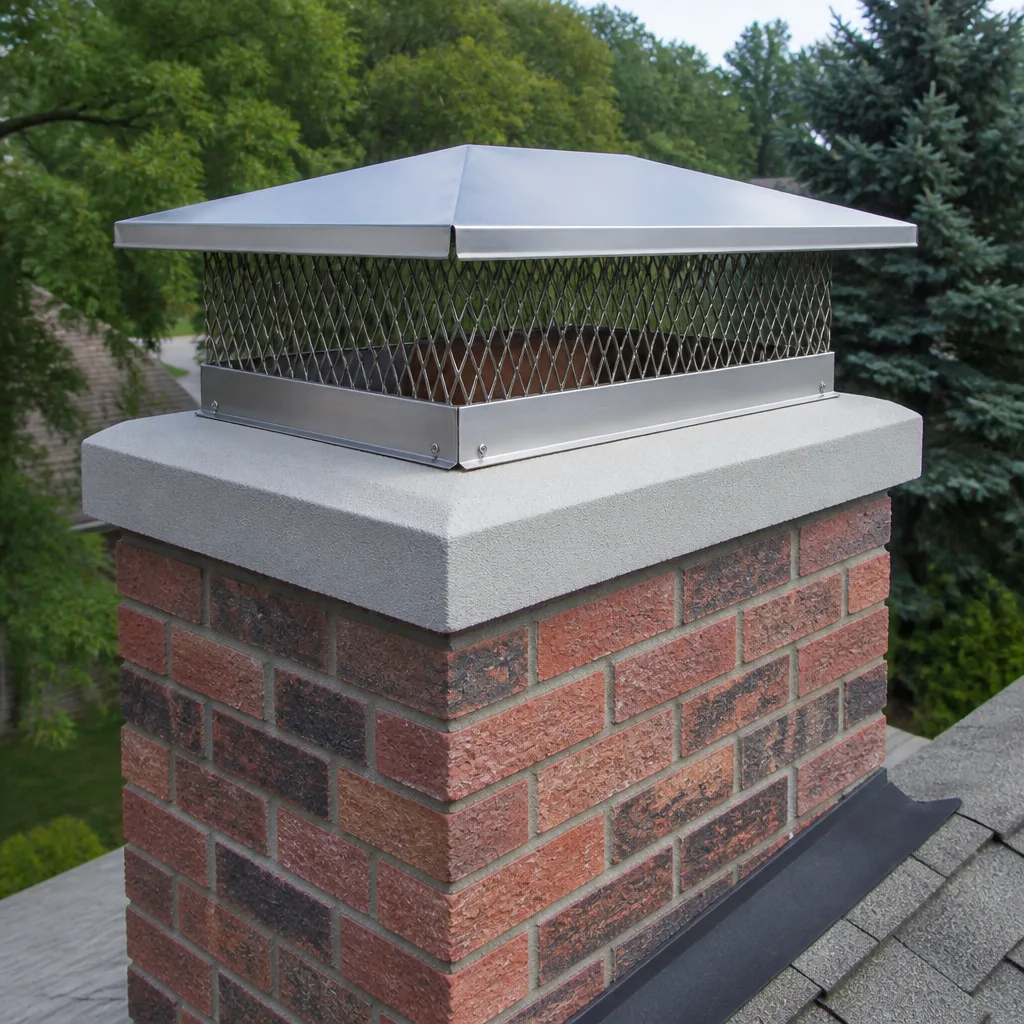
- Cap and spark arrestor inspection. The cap keeps rain and animals out; the spark arrestor (mesh screen) prevents ember escape during Santa Ana wind events. Mesh clogged with creosote or debris is a fire hazard and reduces draft efficiency.
- Smoke and CO detector test. Not technically chimney maintenance, but absolutely part of safe fireplace operation. Test every detector in sleeping areas and near the fireplace. Replace batteries regardless of apparent charge level.
- Schedule professional service if any item fails. September booking slots in Los Angeles fill by late August. Waiting until the first cold night means a two-week delay and higher emergency rates from companies that charge them.
The September timing also lets you address findings before holiday hosting. We’ve had Los Angeles homeowners call us the Wednesday before Thanksgiving with a blocked flue and a house full of guests arriving Friday. That’s an expensive, stressful situation that a September check prevents entirely.
The March Post-Season Checklist: Catch What Winter Hid
LA’s burn season typically ends in February, sometimes March during a wet winter. The post-season check serves a different purpose than the pre-season sweep. You’re not preparing for immediate use; you’re documenting condition after use and preventing damage during the long idle season.
What to do in March:
- Close the damper fully to prevent conditioned air escape and pest entry
- Remove all ash from the firebox – acidic ash left in contact with metal grates accelerates corrosion
- Inspect the firebox for cracked refractory panels (prefab units) or deteriorating mortar (masonry units)
- Photograph the firebox and flue opening for your maintenance log
- Check the chimney exterior after winter rains for new water staining or efflorescence
- Verify the cap is secure before spring winds and summer storms
March is also the ideal time to schedule any needed repairs. Chimney work booked in March or April typically completes before June, when Los Angeles roofing season peaks and good crews book out 6 – 8 weeks. We’ve seen homeowners wait until October to address a cracked crown, then discover the moisture intrusion has expanded the repair from a $400 HeatShield resurfacing to a $2,000+ rebuild.
For homes in coastal zones like Santa Monica or Marina del Rey, the post-season check is especially important. Salt air accelerates metal component corrosion, and the marine layer keeps chimneys damp longer than inland Los Angeles neighborhoods. We see rusted damper frames and deteriorated chimney caps in coastal service calls at roughly twice the rate of Pasadena or Glendale.
Prefab Fireplace Maintenance: What Protects Your Warranty and What Voids It
Los Angeles housing stock from the 1970s through the 1990s is heavy on prefabricated metal fireplaces – units built in a factory and installed with specific clearances, components, and venting requirements. These units have manufacturer warranties, typically 20 years on the firebox and 1 – 5 years on components, but those warranties come with maintenance conditions most homeowners never read.
Maintenance that protects warranty coverage:
- Annual inspection by a certified chimney professional, documented with a dated report
- Use of manufacturer-specified replacement parts only – not generic or “compatible” substitutes
- Installation of aftermarket components (caps, fans, remote systems) by qualified technicians following manufacturer clearance specs
- Prompt repair of refractory panel cracks, which can void the firebox warranty if left unaddressed
Maintenance that voids warranty coverage:
- DIY refractory panel replacement with non-OEM panels – the high-temperature ratings must match exactly
- Installation of unlisted chimney caps or spark arrestors that alter draft characteristics
- Use of aftermarket log sets or burners not approved for the specific fireplace model
- Failure to maintain required clearances to combustibles, often compromised during attic insulation upgrades or roof work
- Neglect of annual inspection requirements – many manufacturers require proof of professional inspection for warranty claims
We carry and install OEM-compatible components from Gelco and Olympia Chimney specifically because these brands maintain the certification documentation that warranty claims require. When we replace a prefab component, we provide a written specification sheet showing the part meets or exceeds the manufacturer’s original rating. That paperwork lives in your maintenance log and protects you if a warranty claim ever arises.
The most common warranty void we see in Los Angeles: a handyman or homeowner installs a generic chimney cap from a hardware store, the cap fails and leaks water into the firebox, and the manufacturer denies the corrosion claim because an unlisted component altered the unit’s certified venting system. A $150 cap becomes a $3,000 fireplace replacement.
Gas Fireplace Flue Inspection: The Interval Most Homeowners Miss
Gas fireplaces burn cleaner than wood, but “cleaner” doesn’t mean “nothing to inspect.” The combustion byproducts are different – water vapor, carbon monoxide, and acidic condensate rather than creosote – but they’re still corrosive to flue liners and still dangerous if venting fails.
The standard inspection interval for a gas fireplace flue is every 2 – 3 years, regardless of visible condition. This differs from wood-burning flues because:
- Gas combustion produces water vapor that condenses in cooler flue sections, accelerating liner deterioration
- Acidic condensate attacks terracotta and concrete liners from the inside out, with no visible external warning
- Carbon monoxide is odorless and invisible – a partially blocked gas flue produces no smoke to alert you
- Modern high-efficiency gas inserts run cooler flue temperatures, which increases condensation and reduces natural draft
We’ve inspected gas flues in Los Angeles homes where the liner looked fine from the firebox but camera inspection revealed the bottom third had deteriorated to bare masonry from years of acidic condensate exposure. The homeowner had no symptoms because the damage wasn’t yet complete enough to cause spillage – but it was six months to two years from failure.
Gas fireplace service should include burner inspection, gas valve and thermocouple testing, and flue draft measurement, not just a visual glance up the chimney. Our gas fireplace repair in Los Angeles includes full combustion analysis and written documentation of flue condition. The cost typically runs $180 – $280 for inspection and basic service, with repairs quoted in writing before any work begins.
A critical safety note: never assume a gas fireplace “looks fine” and skip professional inspection. Carbon monoxide poisoning from deteriorated gas flues is a documented cause of residential fatalities, and Los Angeles homes with attached garages and tight building envelopes are especially at risk for negative pressure that pulls combustion gases back into living spaces.
Building a Maintenance Log That Adds Resale Value
A simple maintenance log transforms chimney service from an expense into a documented asset. In Los Angeles’s competitive real estate market, buyers and their inspectors increasingly ask for maintenance history on fireplaces and chimneys. A complete log answers their questions before they ask, speeds closing, and sometimes justifies your asking price.
What to include:
- Date of each professional service, with company name and technician name
- Type of service performed: sweep, Level 1 inspection, Level 2 inspection with camera, repair
- Findings summary: condition noted, recommendations made, work completed
- Photographs of the flue, firebox, and exterior before and after significant work
- Copies of all written estimates, invoices, and guarantees
- Manufacturer documentation for any replacement parts or components installed
- Proof of warranty coverage and any warranty claims filed
Store this physically and digitally. A folder in your home filing cabinet plus scanned copies in cloud storage covers you for any contingency. When you sell, provide the complete log to your agent as a disclosure asset.
We’ve had Los Angeles homeowners tell us their maintenance log became a negotiating point during sale – the buyer’s inspector found a minor crack in a neighboring property’s chimney, and our client’s documented annual inspections with written guarantees demonstrated their chimney was professionally maintained and warranted. The peace of mind closed the deal.
For rental properties, the maintenance log is essential for liability protection. Los Angeles rental ordinances increasingly require documented safety maintenance for heating systems, and a chimney fire in a tenant-occupied property without inspection records exposes the owner to significant liability.
Common Mistakes to Avoid
- Sweeping a gas fireplace flue on the same schedule as wood. Gas flues need different inspection timing and different expertise. A sweep looking for creosote may miss acidic condensate damage entirely.
- Assuming “decorative” means “maintenance-free.” Unused chimneys in Los Angeles accumulate debris, suffer weather damage, and provide entry for pests. The chimney in your never-used fireplace still penetrates your roof and needs periodic inspection.
- Waiting for visible problems before calling. By the time you see staining on the ceiling or smell smoke in the room, damage is advanced. Preventive inspection costs a fraction of reactive repair.
- Hiring based on coupon price alone. The Los Angeles market has chimney services that advertise $99 sweeps, then recommend $4,000 of unnecessary work in your living room. Always get a written scope and price before work begins, and verify the technician’s identity before they enter your home.
- Skipping post-earthquake inspection. Los Angeles experiences dozens of perceptible earthquakes annually. Even a 3.5 magnitude tremor can shift a chimney crown, crack a flue liner, or loosen mortar. If you feel shaking, schedule a Level 2 inspection.
- Using the wrong materials for repairs. Standard Portland cement shrinks and cracks on chimney crowns; proper crown repair requires flexible, waterproof compounds like those in the HeatShield system. Using the wrong material means repeating the repair in two years.
- Neglecting the cap. A missing or damaged cap is the single most common entry point for water and wildlife damage. It’s also the cheapest component to maintain – typically $150 – $400 installed.
When to Call a Professional
Call a certified chimney professional if you notice any of the following Chimney Sweep Warning Signs Every Homeowner Should Know: smoke entering the room during fireplace use, a persistent smoky odor when the fireplace is not in use, visible cracks in the firebox or exterior masonry, a stuck or damaged damper, water staining on walls or ceiling near the chimney, or any changes after seismic activity.
Also call before any major roof work, HVAC installation, or insulation upgrade that might affect chimney clearances or draft performance. Los Angeles building codes require specific clearances that contractors sometimes compromise unknowingly.
At Alcott Chimney Sweep, every technician is Threshold Verified – background-checked, identity-verified, and sent to you by name and photo before arrival. You’ll know exactly who is coming, and they’ll show a photo ID badge at your door. We provide a written price before any work begins and a written 365-Day Done Right Promise on every repair. If you’re unsure about your chimney’s condition, chimney inspection in Los Angeles starts with a free estimate – call (336) 863-3889.
Frequently Asked Questions
A standard chimney sweep in Los Angeles typically costs $180 – $340, depending on accessibility, flue condition, and whether a Level 1 or Level 2 inspection is needed. Camera inspections add $80 – $150. We provide a written, itemized price before any work begins – no surprise charges at the end of the job. Call (336) 863-3889 for an exact quote; estimates are free.
It depends on usage. Decorative fireplaces need inspection every 2 – 3 years. Occasional users (1 – 5 burns per season) need annual sweeping. Regular burners (10+ fires per season) need annual sweeping with possible mid-season checks. Gas fireplace flues need professional inspection every 2 – 3 years regardless of use. The “sweep annually” rule was written for cold-climate wood-burners, not LA’s actual patterns.
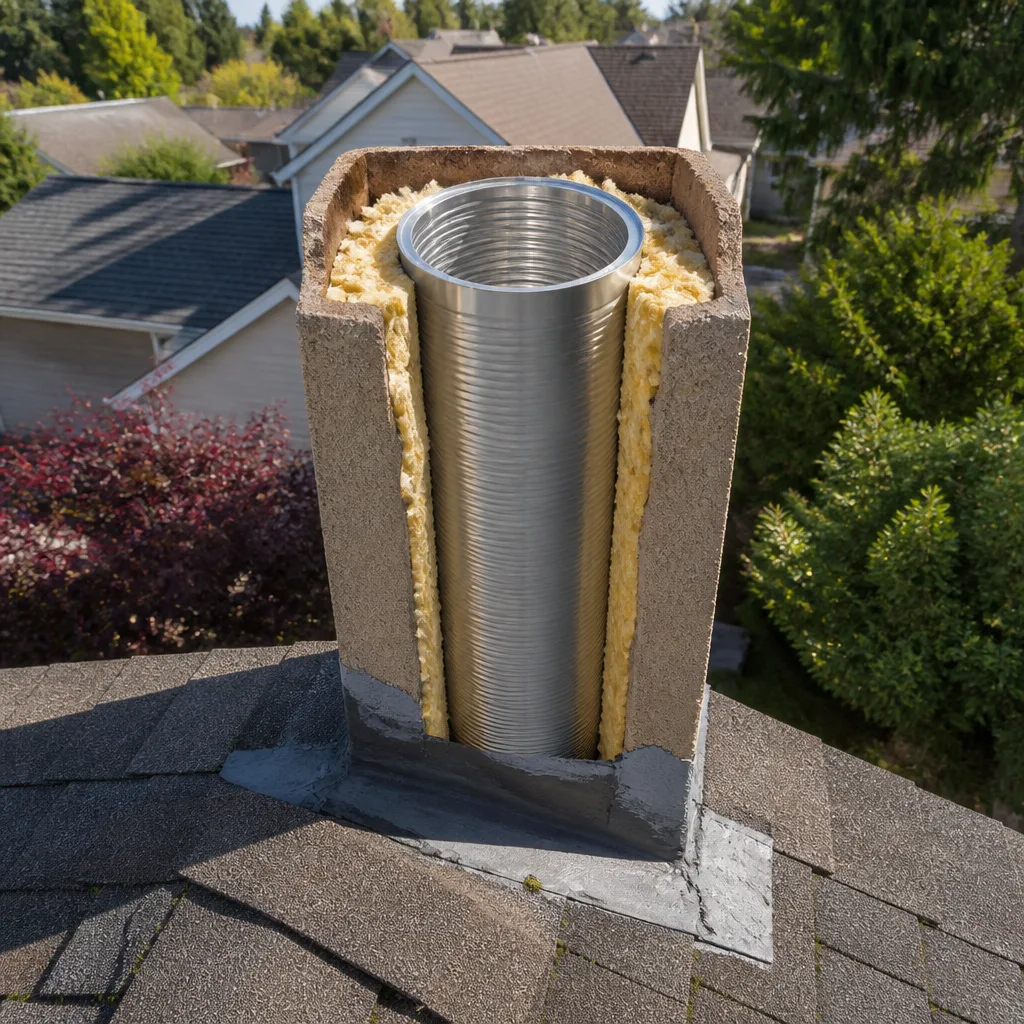
Not unless inspection proves it’s necessary. We never recommend liner replacement without camera evidence you can see for yourself. Common legitimate reasons include cracked or spalling terracotta, gaps between flue tiles, or deterioration from acidic condensate in gas flues. If a technician recommends liner replacement without showing you video or photo documentation, get a second opinion. We install DuraFlex stainless steel liners and apply HeatShield resurfacing when appropriate – always with written specifications and warranty documentation.
For wood-burning systems, creosote accumulation creates chimney fire risk – a fast, hot burn that can crack the flue and spread to framing. See our Chimney Sweep Troubleshooting: Common Problems and How to Fix Them for detailed guidance. For all systems, deferred maintenance allows minor damage (a cracked crown, loose flashing, deteriorated mortar) to become major structural failure requiring rebuild rather than repair. In Los Angeles specifically, seismic damage and moisture intrusion progress silently in unused chimneys. Skipping maintenance also voids most prefab fireplace warranties and creates liability issues if you later sell the home.
You can and should do basic visual checks: damper operation, exterior condition from the ground, flashlight look up the flue for obvious obstructions. But you cannot safely inspect the full flue length, evaluate liner condition, or assess draft performance without proper equipment and training. Chimney flues contain hazardous materials, and roof access is dangerous. Professional inspection by a CSIA-certified technician is the standard of care for anything beyond surface observation.
A Level 1 inspection is a visual examination of accessible portions of the chimney exterior and interior, appropriate for annual maintenance when no changes have occurred. A Level 2 inspection includes everything in Level 1 plus camera examination of the full flue length, accessible portions of the attic and crawl space, and evaluation of clearances to combustibles. Level 2 is required when property changes hands, after seismic events, after chimney fires, or when installing new appliances. In Los Angeles, we recommend Level 2 every 3 – 5 years for all usage tiers due to seismic risk.
The Bottom Line
Los Angeles chimney maintenance should match Los Angeles reality: mild winters, occasional burns, seismic risk, and a housing stock heavy on prefab fireplaces with warranty requirements. The three-tier schedule – decorative every 2 – 3 years, occasional annual, regular annual with mid-season checks – keeps you safe without overspending. September and March are your bookend checkpoints. Gas flues need their own schedule. Document everything for warranty protection and resale value. And never let a stranger into your home without knowing their name and face first.
Written by Ruben Castellano, Owner at Alcott Chimney Sweep, serving Los Angeles since 2002.