
Last updated October 9, 2026
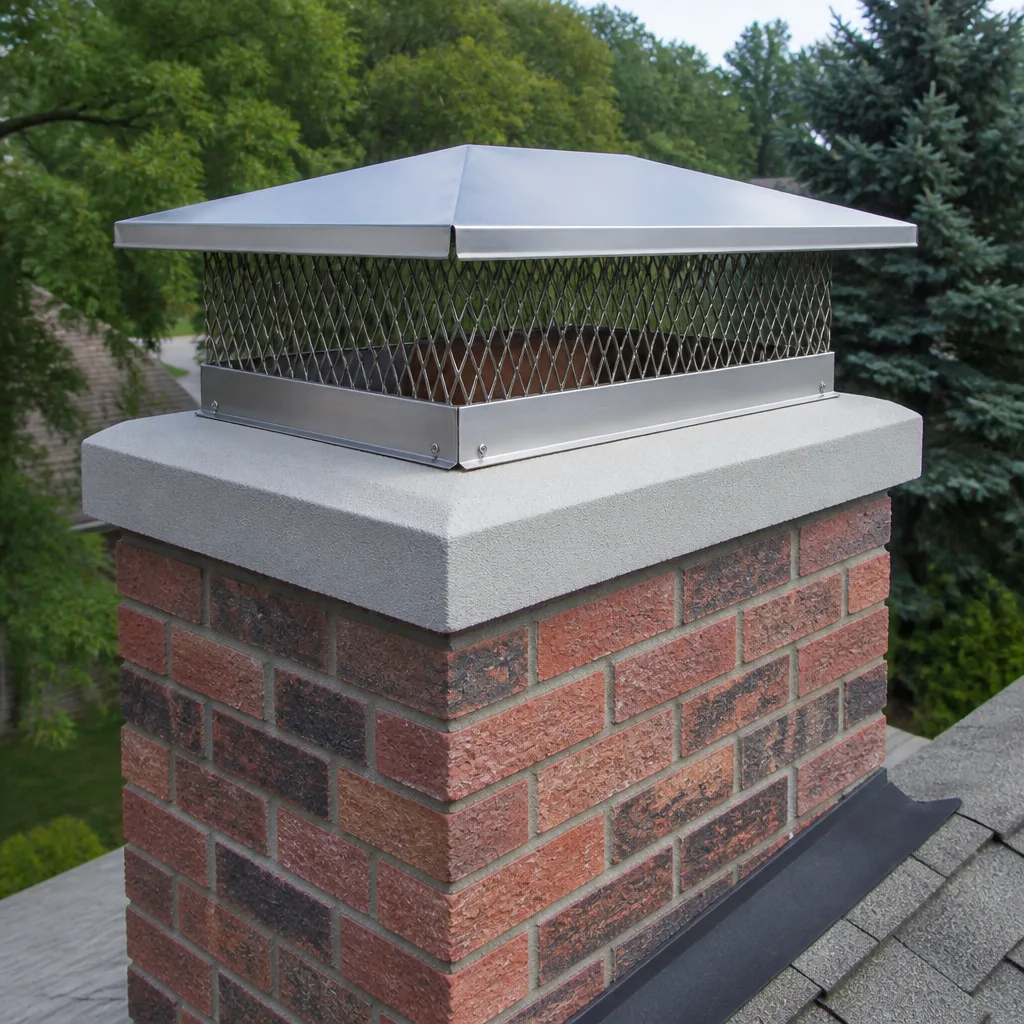
Level 1 sweep and inspection to the NFPA 211 annual standard - flue, crown, cap, and flashing checked and photographed
Chimney sweep logs do not sweep chimneys. They loosen some creosote - which then falls where a brush and vacuum still have to collect it.
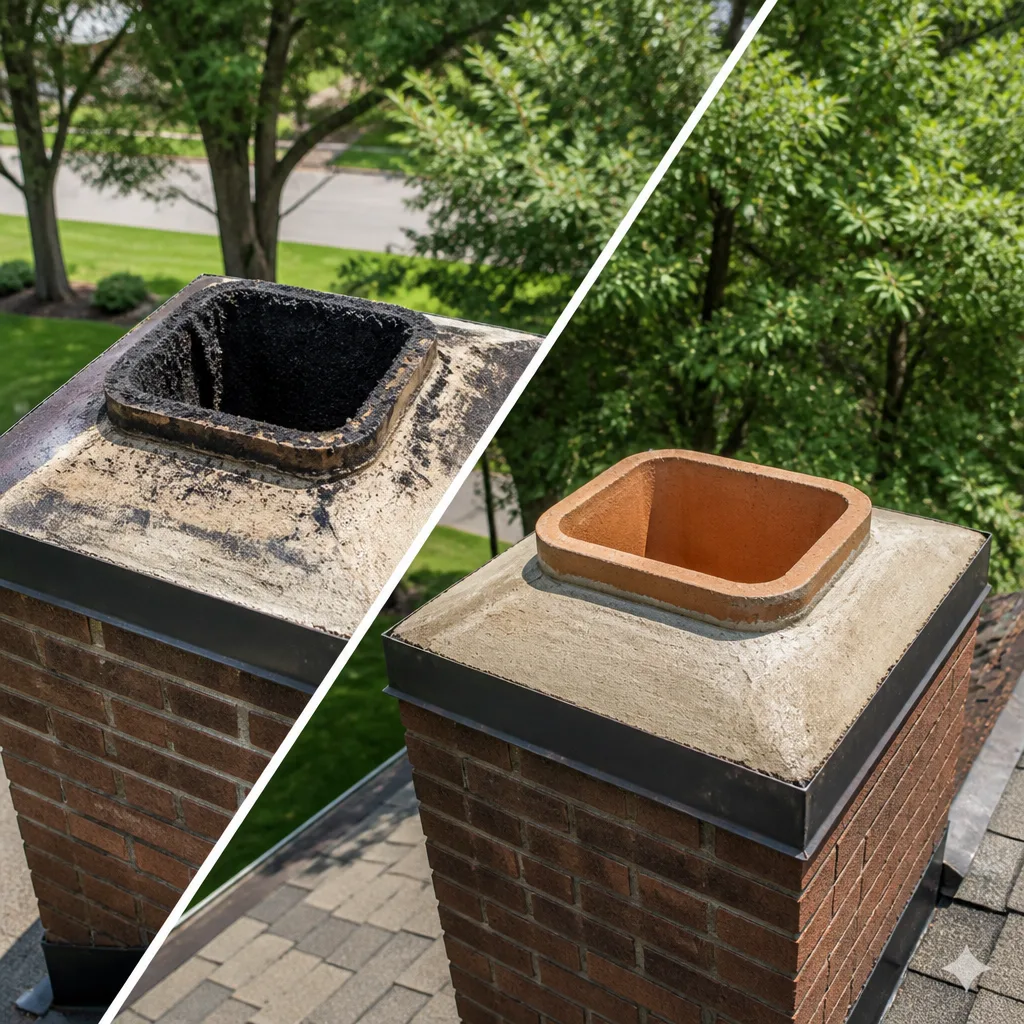
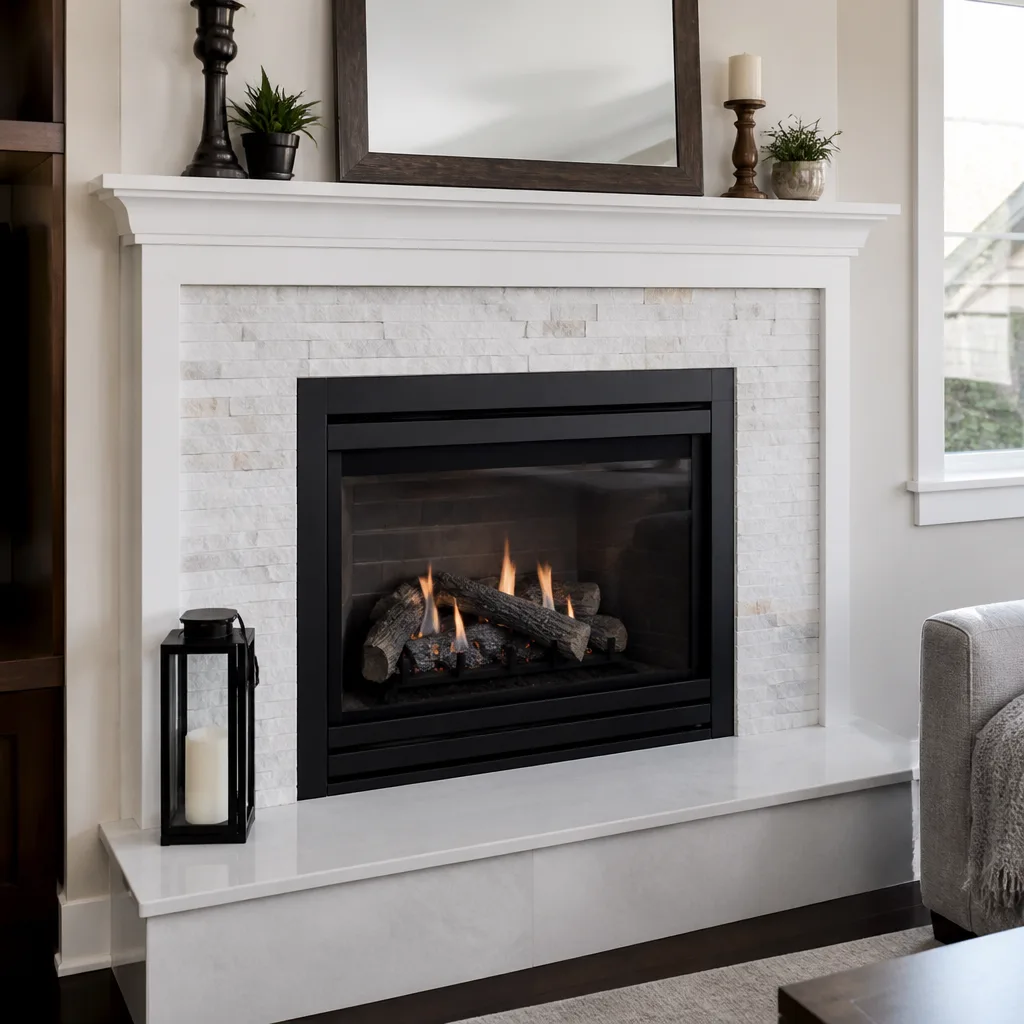
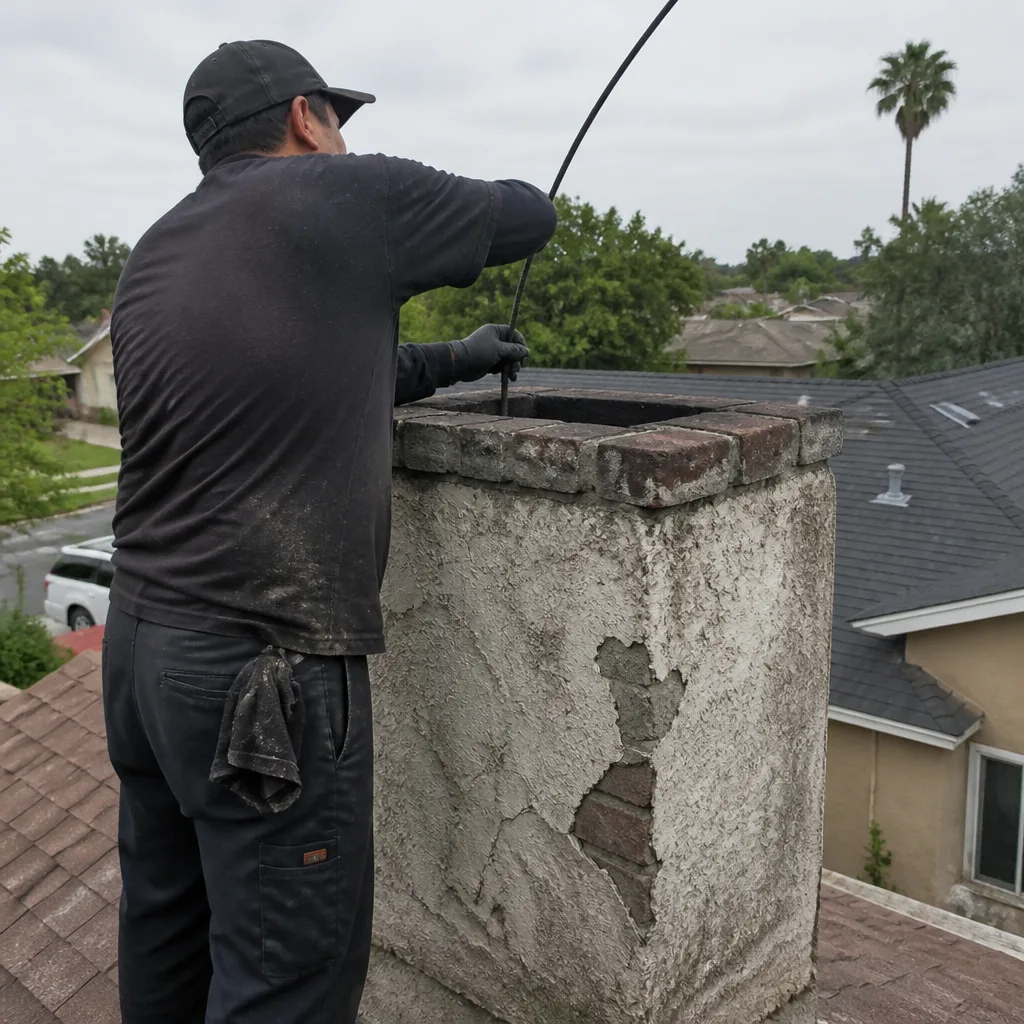 Before
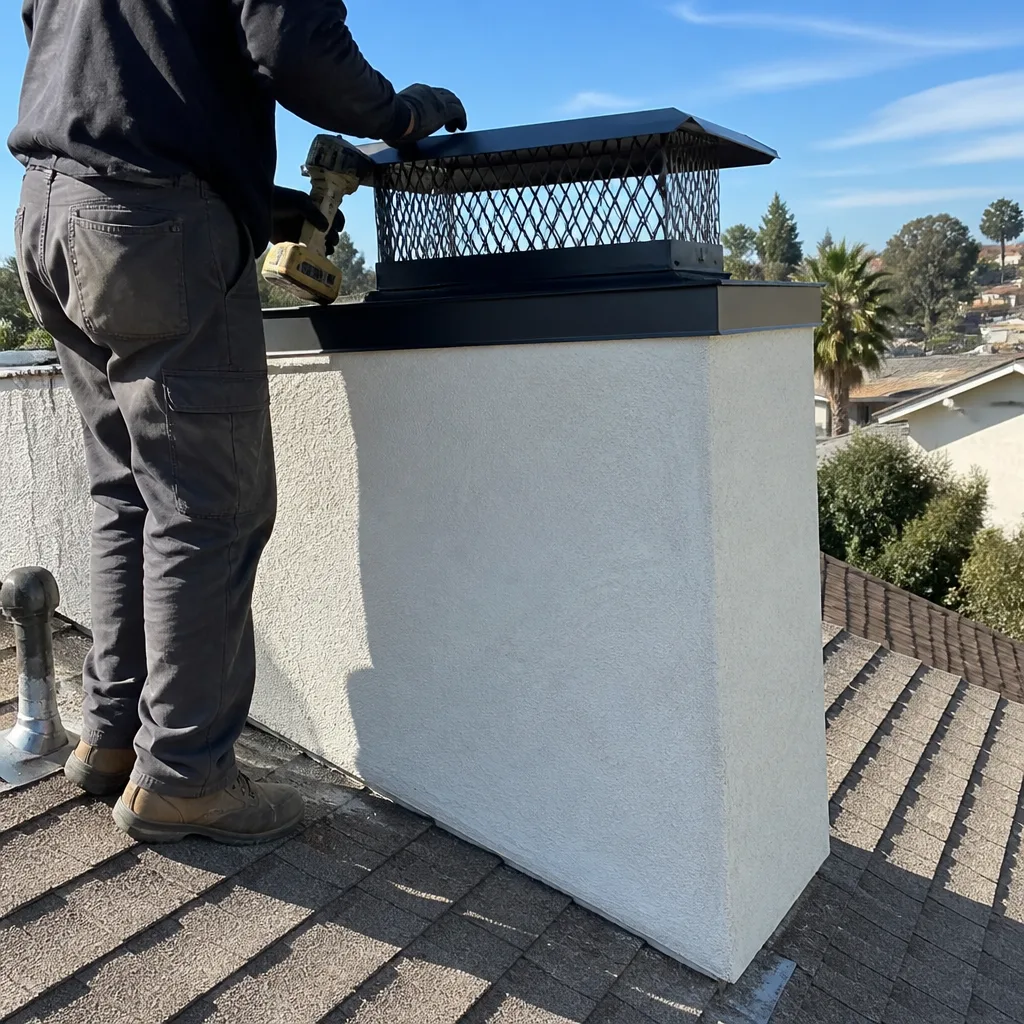 After
After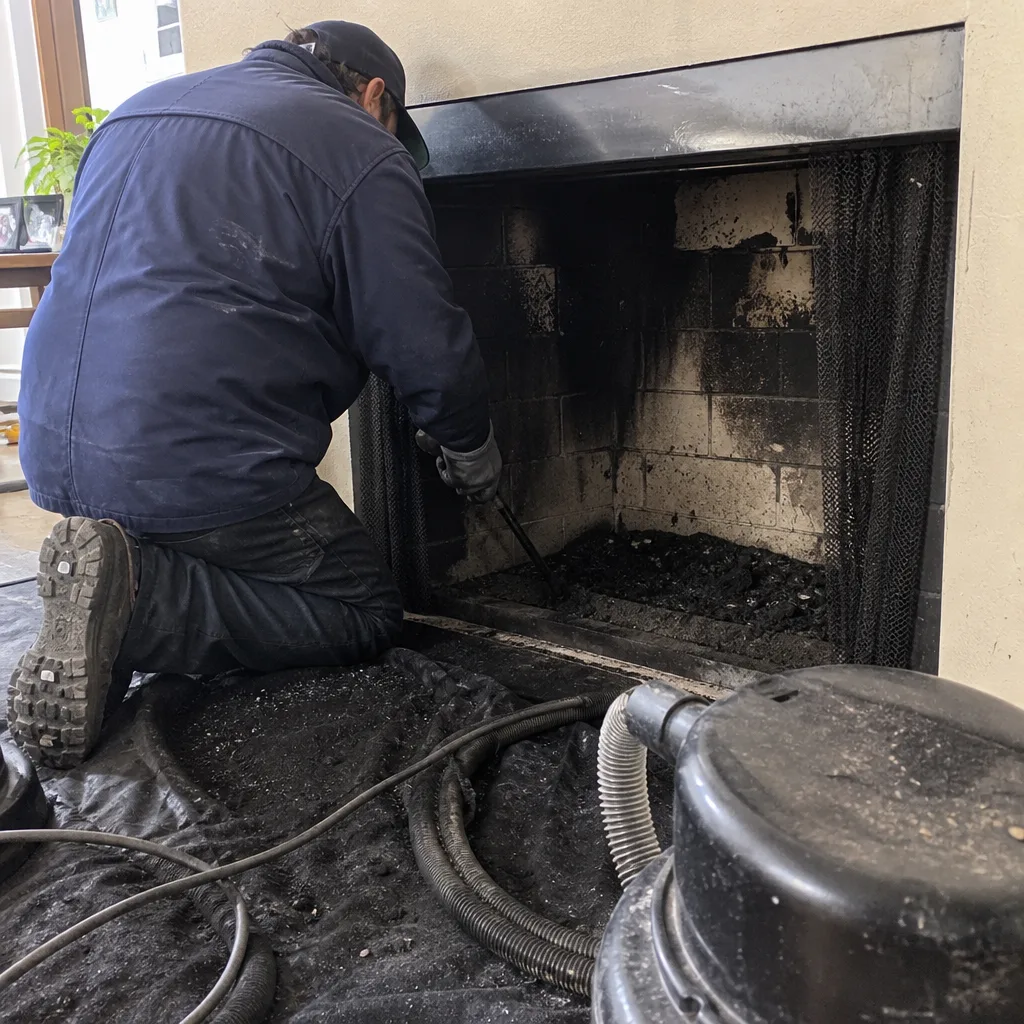 Before
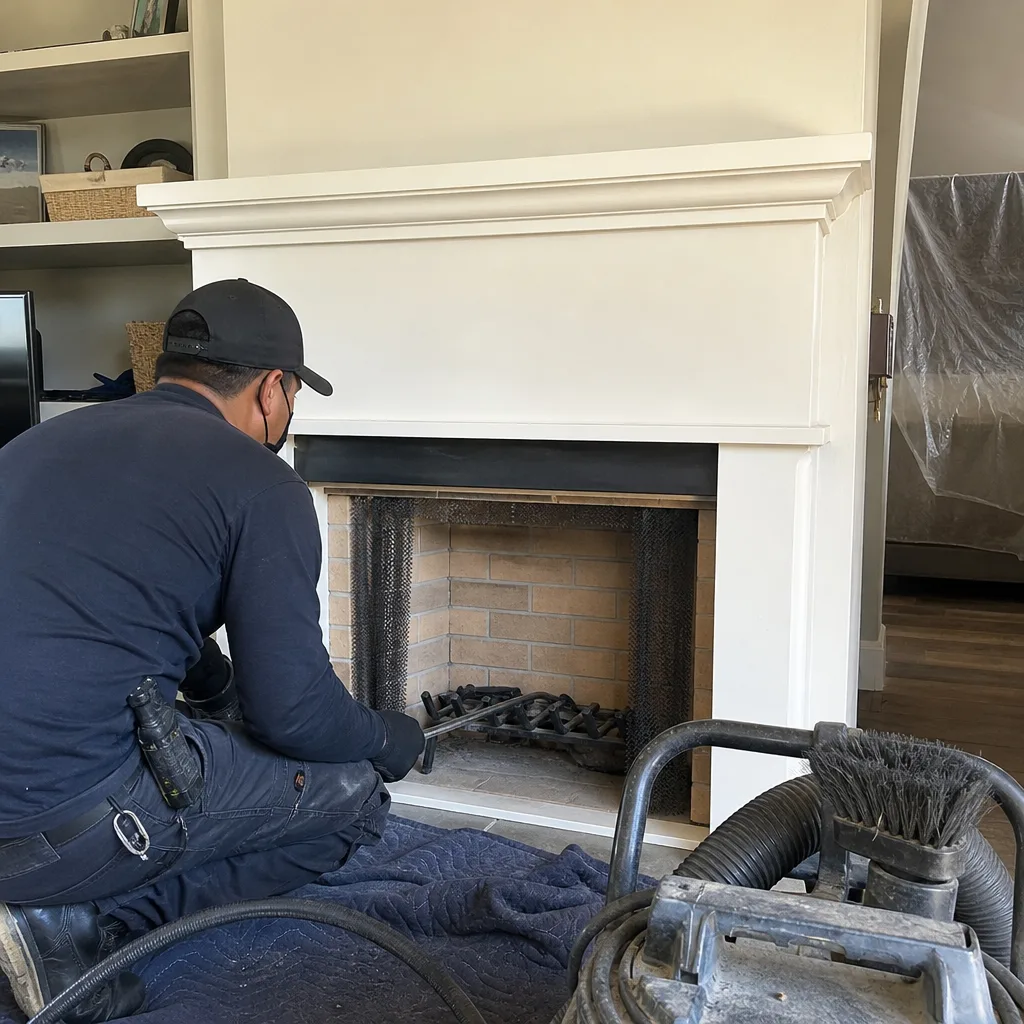 After
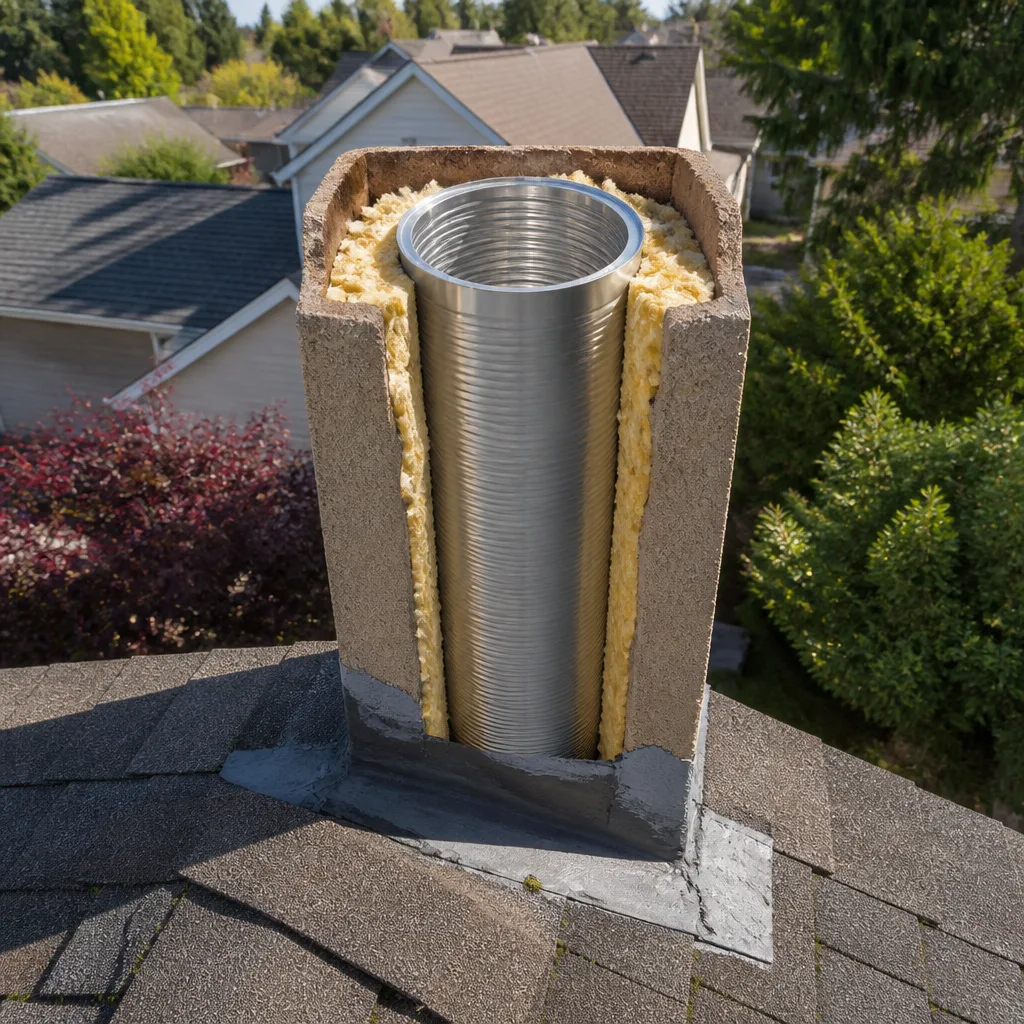
After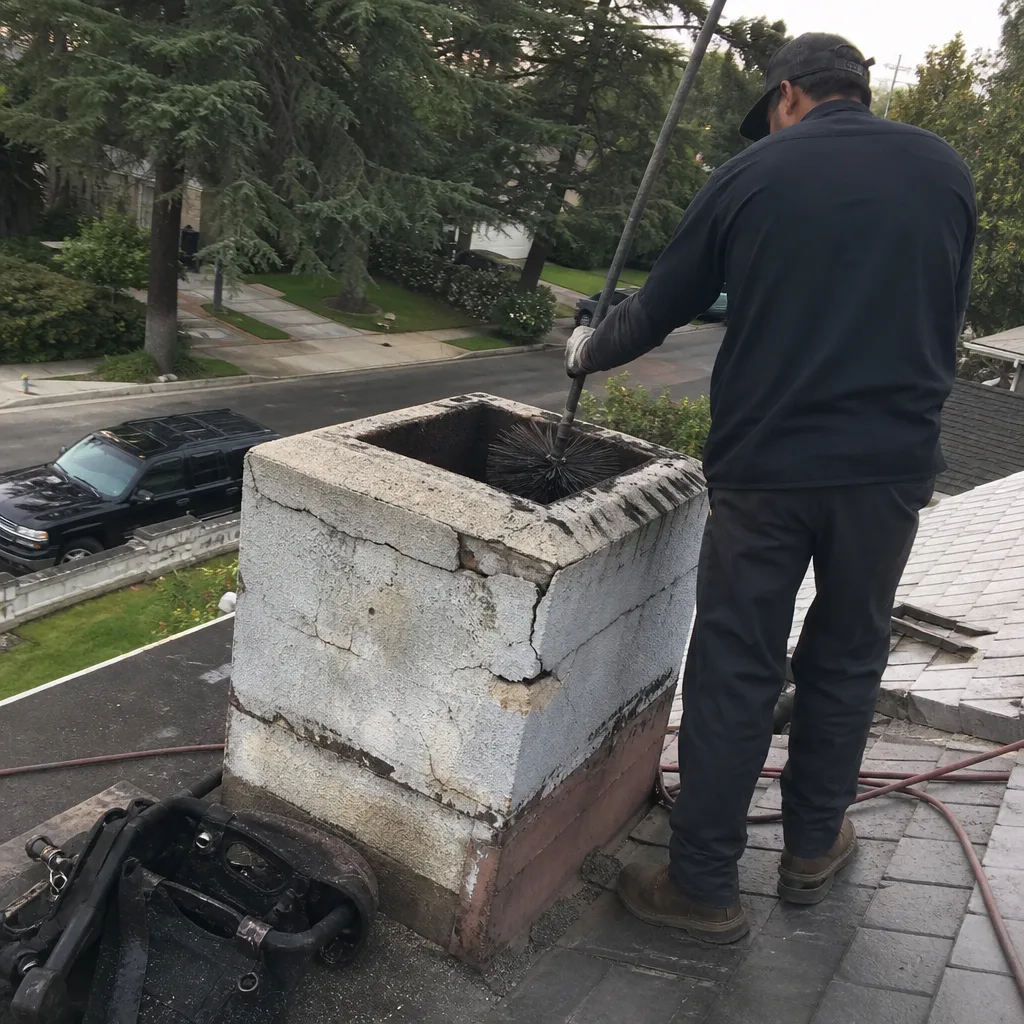 Before
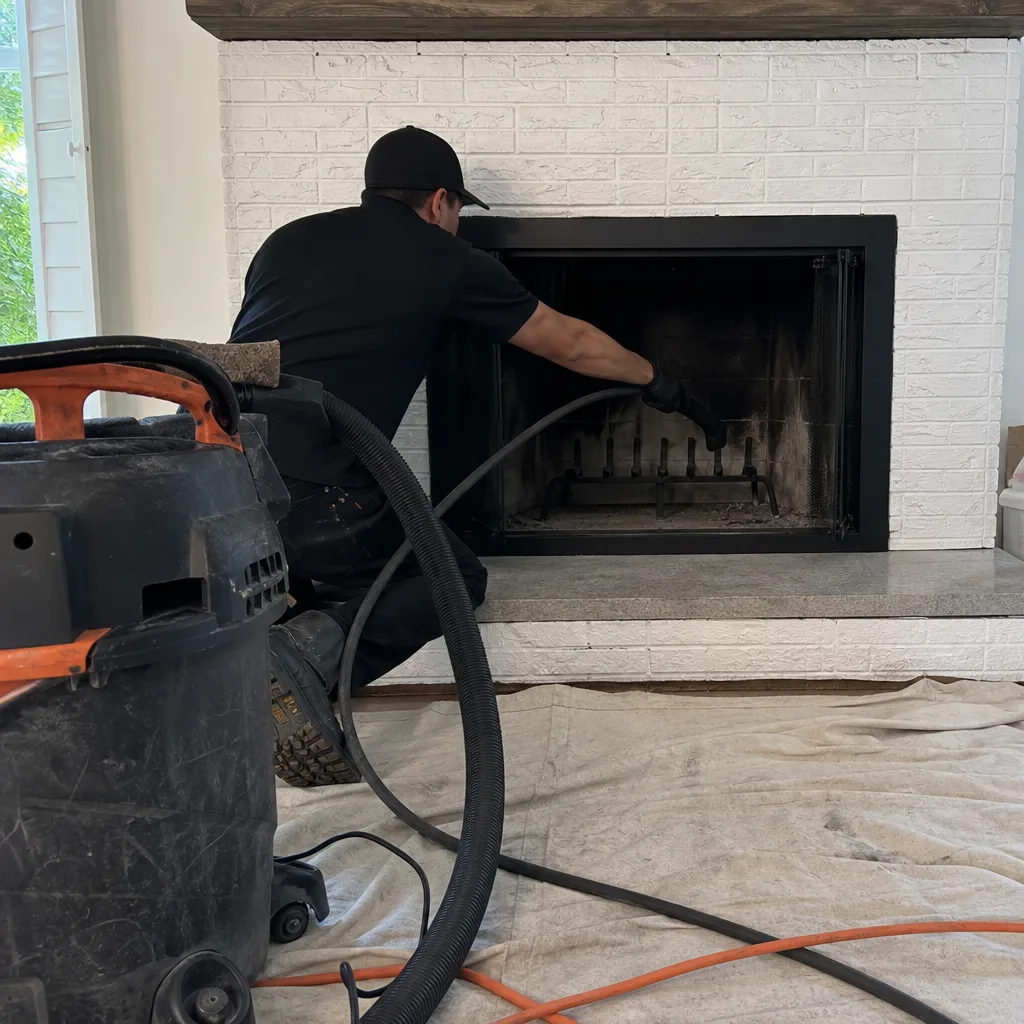 After
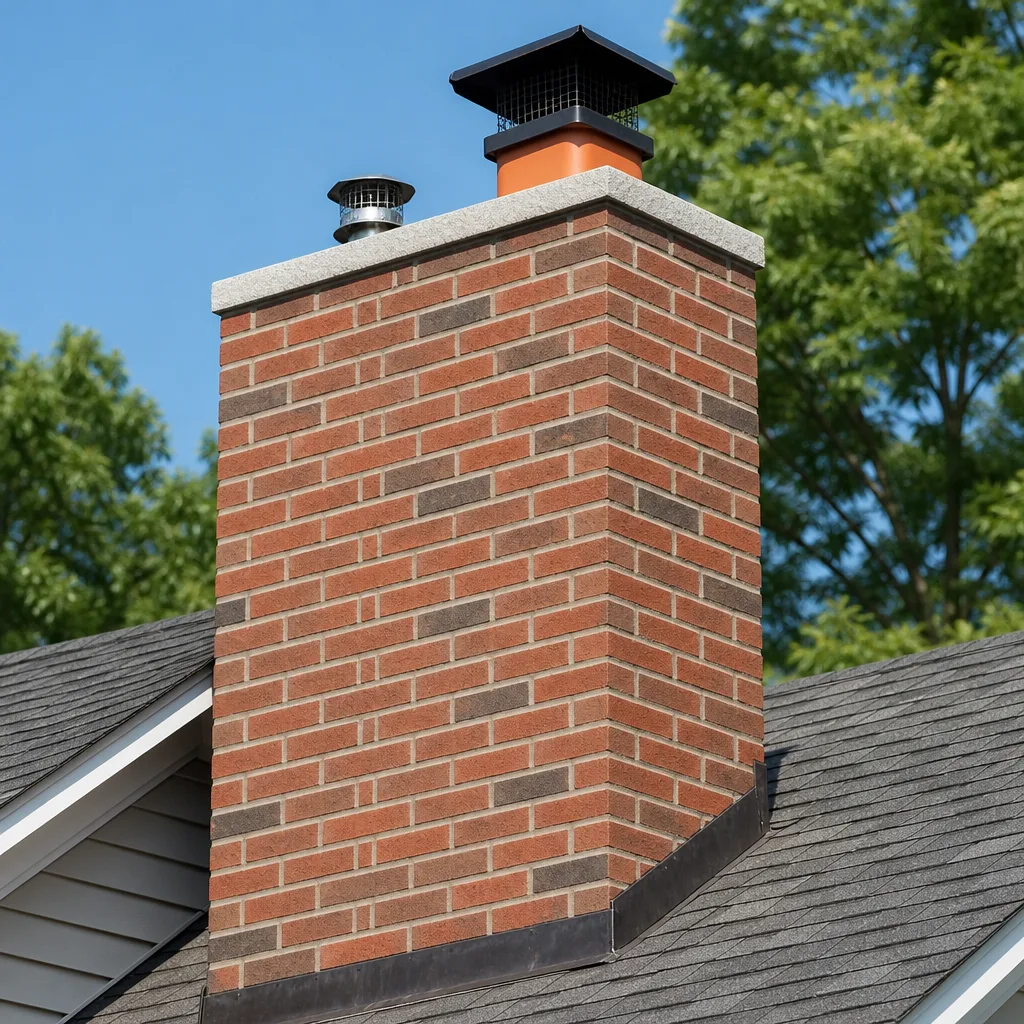
AfterChimney Inspection Maintenance Schedule: What to Do and When
NFPA 211 says inspect your chimney at least once per year. That standard was written for climates where ice, heavy snow, and daily winter burning are the primary hazards. Here in Los Angeles, our chimneys face a different risk profile: seismic stress, wildfire smoke infiltration, and the slow corrosion of gas flues in mild, coastal air. The annual rule still applies, but blindly following it without understanding why leads LA homeowners to over-inspect rarely-used decorative fireplaces while skipping the post-earthquake check that could reveal the only damage that actually matters in our region. This guide separates Chimney Inspection services and sweep schedules, identifies the event-based triggers specific to Southern California, and shows you what a defensible inspection record looks like on paper.
Quick Answer
A Level 1 visual chimney inspection should happen annually for any actively used system, every two years for rarely used or gas-only fireplaces, and immediately after seismic activity above 4.0 magnitude, wildfire smoke exposure, or any fuel-type change. Chimney sweeping frequency depends on creosote buildup, not calendar time, and may be needed twice yearly for heavy wood burning or not at all for clean-burning gas inserts.
Table of Contents
- Inspection vs. Sweep: Why the Schedules Diverge
- The Annual Inspection: What It Actually Covers
- Event-Based Inspection Triggers for Los Angeles Homes
- Gas Fireplace Inspection vs. Wood-Burning: Different Rules
- Building an Inspection History File That Protects You
- What a Written Inspection Report Should Include
- Chimney Sweep Schedule: When Cleaning Is Actually Needed
- Common Mistakes to Avoid
- When to Call a Professional
- Frequently Asked Questions
- The Bottom Line
Inspection vs. Sweep: Why the Schedules Diverge
Most homeowners use “inspection” and “sweeping” interchangeably. They’re different services with different purposes, and treating them as the same appointment is why so many chimneys in neighborhoods like Silver Lake and Pasadena go uninspected for years while being swept unnecessarily.
A chimney inspection is a diagnostic evaluation of the entire system: flue liner condition, masonry integrity, crown and cap function, damper operation, and clearances to combustibles. It identifies problems. A chimney sweep is a physical cleaning that removes creosote, soot, and obstructions. It solves a specific, known problem.
Here’s how the schedules split in practice:
| Scenario | Inspection Needed | Sweep Needed |
|---|---|---|
| New home purchase, unknown history | Level 2 inspection before first use | Only if inspection finds buildup |
| Gas fireplace, annual check | Level 1 every 1-2 years | Rarely; gas burns clean |
| Occasional wood fires (1-2x/week winter) | Level 1 annually | Every 1-2 years, or when 1/8″ creosote |
| Daily wood burning, Pacific Palisades or hillside home | Level 1 annually | Twice yearly, before and after burning season |
| Post-earthquake (4.0+) | Level 2 immediately | Only if debris or damage found |
| After wildfire smoke exposure | Level 2 within 30 days | If ash/residue entered flue |
The inspection schedule is driven by risk factors: time, events, and usage changes. The sweep schedule is driven by measurable buildup. A gas fireplace in Marina del Rey might need inspection every two years but sweeping once in a decade. A wood-burning fireplace in the Hollywood Hills might need both annually, with sweeps twice yearly if pine or eucalyptus is burned. Eucalyptus, common in LA landscaping, burns especially hot and fast, producing flaky, highly combustible creosote that accumulates faster than hardwood residue.
At Alcott Chimney Sweep home, we separate these services in our scheduling so you’re not paying for a sweep your system doesn’t need, and not skipping an inspection because you think a recent cleaning checked all the boxes.
The Annual Inspection: What It Actually Covers
NFPA 211 recognizes three inspection levels. For routine maintenance, Level 1 is the standard. Understanding what it includes – and what it deliberately excludes – prevents dangerous assumptions.
A Level 1 inspection covers:
- Readily accessible portions of the chimney exterior and interior
- Accessible portions of the appliance and chimney connection
- Basic structural soundness of the chimney
- Flue liner condition, checked with a flashlight and mirror from the bottom and top
- Proper clearances from combustible materials
- Size and suitability of the flue for the connected appliance
What a Level 1 does not include: climbing the roof (in many cases), dropping a camera into the flue, or examining concealed portions of the chimney structure. For homes in Los Angeles built before 1960 – common in Los Feliz, Echo Park, and Hancock Park – the original clay tile liners may be concealed behind finished walls or built into hillside foundations. A Level 1 cannot assess these hidden sections.
This is where the annual schedule needs nuance. If your home is pre-1960, if you’ve never had a camera inspection, or if your chimney serves multiple appliances, you may need a Level 2 inspection every 3-5 years even with normal use. The cost difference in the Los Angeles market typically runs $180-$320 for Level 1 versus $350-$550 for Level 2, with the camera inspection and roof access justifying the additional fee.
Our technicians at Alcott Chimney Sweep carry written price sheets for both levels. You’ll know the exact cost before we start, and we’ll tell you upfront if your system’s age or configuration warrants the deeper look.
Event-Based Inspection Triggers for Los Angeles Homes
Southern California’s unique hazards create inspection needs that calendar-based schedules miss. These are not hypothetical; we’ve documented each scenario across our service history in Los Angeles.
Seismic Activity (4.0 Magnitude or Greater)
The 2019 Ridgecrest sequence and the 2024 Malibu quakes both produced chimney damage that homeowners discovered months later, often during a real estate transaction. Ground motion cracks chimney crowns, shifts flue liners, and loosens mortar joints. A 4.0 magnitude event is the threshold where we recommend a Chimney Inspection Troubleshooting: Common Problems and How to Fix Them Level 2 inspection within two weeks, even if the chimney appears fine from the ground.
In hillside neighborhoods like Laurel Canyon, Topanga, and parts of the Hollywood Hills, chimneys are often freestanding or built on fill slopes that amplify shaking. These installations are more vulnerable than chimney systems on flat, compacted ground in the San Fernando Valley.
Wildfire Smoke Exposure
The 2025 Palisades and Eaton fires sent smoke into flues across the basin. Ash and particulate matter that entered dormant chimneys can combine with moisture to form acidic compounds that attack metal liners and mortar. If your home was within 10 miles of active wildfire and your chimney was not sealed, schedule a Level 2 inspection. The camera will reveal whether ash has settled on smoke shelves or entered the flue system.
Fuel Type Changes
Converting a wood-burning fireplace to gas requires inspection of the flue size, liner material, and venting configuration. Gas appliances produce water vapor as a primary byproduct; a flue sized for wood smoke may be too large for gas, causing condensation that deteriorates clay liners and masonry. We see this frequently in 1920s Spanish Revival homes in West Adams and Mid-City, where original chimneys are oversized by modern standards.
Installing a gas insert without proper sizing verification is a common pre-purchase finding that delays escrow. An inspection before installation prevents this.
Real Estate Transactions
Buyers in Los Angeles increasingly request chimney inspections separate from general home inspections. A generalist home inspector may note “chimney appears serviceable” without dropping a camera or testing draft performance. We provide documentation that satisfies both buyer and seller: dated photos, written condition assessment, and repair recommendations with priority rankings.
Gas Fireplace Inspection vs. Wood-Burning: Different Rules
Applying wood-burning logic to gas systems creates a dangerous safety gap. The hazards, inspection criteria, and maintenance schedules are fundamentally different.
Wood-Burning Systems
- Primary hazard: creosote-fueled chimney fire (temperatures exceeding 2,000°F)
- Inspection focus: liner integrity, creosote thickness, masonry spalling from thermal cycling
- Schedule: Level 1 annually; Level 2 if any performance change (smoke backup, odd odors, visible exterior staining)
- Sweep trigger: 1/8 inch or more of creosote buildup, per NFPA 211
Gas Fireplace Systems
- Primary hazard: carbon monoxide from incomplete combustion or venting failure
- Inspection focus: burner orifice condition, thermocouple/thermopile function, gas valve integrity, draft hood operation, condensation damage in flue
- Schedule: Level 1 every 1-2 years for vented units; annually for vent-free (though we generally discourage vent-free installations in Los Angeles due to air quality and size constraints)
- Sweep trigger: rarely needed; debris removal only if obstruction found
Gas fireplaces in Los Angeles face a specific corrosion risk: mild, humid marine air combined with condensation in oversized flues. We’ve replaced DuraFlex liners in beach-adjacent homes from Venice to San Pedro where condensation had degraded the original clay liner beyond repair. The gas burned cleanly, but the flue was wrong for the appliance.
Our Gas Fireplace Repair in Los Angeles service includes combustion analysis with digital CO detection, not just visual checks. A gas fireplace can look fine and produce lethal carbon monoxide levels.
Building an Inspection History File That Protects You
A verbal assurance from a technician is worth nothing in an insurance claim or real estate dispute. A documented inspection history is a financial asset. Here’s how to build one that holds up.
- Request the full written report, not just an invoice. The invoice shows you paid for a service. The report shows what was found, with date, technician name, and company license information.
- Insist on photographs. Any inspection involving roof access or camera work should include dated images of the flue interior, crown condition, and any areas of concern. These establish baseline condition over time.
- Keep repair documentation separate from inspection reports. If an inspection recommends a liner replacement and you proceed, file the installation invoice with product specifications (DuraFlex 316Ti stainless, for example) alongside the inspection that prompted it. This chain of documentation proves due diligence.
- Note event dates alongside inspection dates. “Inspected 3/15/2025, following 4.2 magnitude earthquake 2/28/2025.” This context matters for insurance adjusters evaluating whether damage is pre-existing or event-related.
- Include manufacturer documentation for any inserts or liners installed. HeatShield resurfacing, for instance, carries its own warranty documentation. File this with your inspection history.
For Los Angeles homeowners in high fire or earthquake zones, this file can affect insurance premiums and coverage decisions. Some carriers now offer small discounts for documented chimney maintenance; others require it for policy renewal in designated hazard areas.
What a Written Inspection Report Should Include
A report you can rely on contains specific elements. Vague language – “chimney appears in good condition” – protects no one. Here’s what we provide on every Chimney Inspection in Los Angeles:
- Property address and date of inspection – essential for real estate and insurance
- Inspection level performed (Level 1, 2, or 3) and scope limitations
- Appliance and fuel type served by each flue
- Flue liner material and visible condition, with measurements where accessible
- Creosote or debris assessment – thickness, location, type (glazed, flaky, powdery)
- Masonry and crown condition, with specific defect descriptions (“spalling on south face, 6-inch area”)
- Clearance verification to combustibles, with notes on any encroachments
- Damper operation and condition
- Cap and spark arrestor presence and condition
- Recommended actions ranked by priority: immediate safety concern, recommended maintenance, future monitoring
- Technician signature or digital verification with company identification
Reports without photographic evidence should be viewed skeptically. A camera inspection of the flue interior provides proof that cannot be disputed later. At Alcott Chimney Sweep, our Level 2 inspections include video documentation that we provide to the homeowner digitally and can resend if needed for future transactions.
Chimney Sweep Schedule: When Cleaning Is Actually Needed
Sweeping removes combustible deposits and obstructions. The schedule depends on what you burn, how often, and how well your system drafts.
Wood-Burning Sweep Intervals
| Burning Pattern | Typical Sweep Interval | Los Angeles-Specific Notes |
|---|---|---|
| Occasional (1-2x/week, Dec-Feb) | Every 1-2 years | Pine and eucalyptus accelerate buildup; hardwoods like oak burn cleaner |
| Regular (3-4x/week, Dec-Mar) | Annually | Pre-season sweep optimal; burning season here is shorter than Northeast |
| Daily or primary heat source | Twice yearly | Common in hillside homes without central heat; check mid-season |
| Never used / decorative only | Only if inspection finds debris | Bird nests, leaf accumulation possible; sweep only if obstruction confirmed |
Gas System “Sweeping”
Gas fireplaces do not produce creosote. What they can accumulate: dust on burner ports, deteriorated ceramic logs shedding particles, and occasional spider webs in vent terminations. These are addressed during inspection and service, not through traditional sweeping. If a company recommends “sweeping” your gas fireplace annually, ask specifically what material they expect to remove.
For our Chimney Sweep in Los Angeles appointments, we measure creosote with a gauge, photograph it, and show you before removing anything. No phantom buildup, no unnecessary service.
Common Mistakes to Avoid
- Assuming a sweep includes inspection. Many homeowners book a sweep and think the technician evaluated liner condition and draft performance. Unless you specifically requested and paid for inspection, they probably didn’t. Ask explicitly: “Are you performing a Level 1 inspection with this sweep?”
- Skipping post-earthquake checks after ‘minor’ quakes. We’ve found cracked crowns after 3.8 magnitude events in homes on loose fill in the Hollywood Hills. The threshold for concern is lower than most assume.
- Treating gas fireplaces as maintenance-free. They burn cleanly but vent improperly, corrode silently, and can produce carbon monoxide without visible warning. Annual inspection is not excessive caution.
- Using the same schedule for multiple fireplaces. Your living room wood burner and bedroom gas insert have different risks. They need separate inspection timing, documented separately.
- Accepting verbal reports. “Looks good” from a technician who spent 15 minutes on your roof is not documentation. Insist on written findings with photos.
- Ignoring neighborhood-specific risks. Homes in Topanga Canyon face different wildfire exposure than condos in Downtown LA. Your inspection schedule should reflect your actual hazards, not a generic national standard.
- Waiting for performance problems to schedule inspection. Smoke backup, strange odors, or difficulty starting fires are symptoms of problems already advanced. Inspection catches them before symptoms appear.
When to Call a Professional
Schedule an inspection immediately if you notice Chimney Inspection Warning Signs Every Homeowner Should Know: smoke entering your living space, a persistent tar-like odor even when the fireplace is cold, visible cracks in exterior masonry, white efflorescence staining on the chimney face, or any change in draft performance after seismic activity. These are not maintenance items; they are potential safety failures.
For routine scheduling, align your inspection with your burning pattern: early fall for wood-burning systems you’ll use through winter, any time of year for gas systems on a biennial cycle. Real estate transactions require inspection before listing or during contingency, not after the fact.
Alcott Chimney Sweep offers free estimates in Los Angeles – call (336) 863-3889. Every technician is Threshold Verified: background-checked, identity-confirmed, and sent to you by name and photo before arrival. You’ll see who’s coming before you open the door. Written pricing before work begins, written guarantee on every repair, and our 365-Day Done Right Promise are standard on every job, not optional upgrades.
Frequently Asked Questions
A Level 1 chimney inspection in Los Angeles typically runs $180-$320, while a Level 2 inspection with camera evaluation ranges from $350-$550 depending on roof access difficulty and flue configuration. We provide a written price before any work begins, and estimates are free. Call (336) 863-3889 for exact pricing for your specific system.
Yes, but possibly less frequently. A rarely used wood-burning system still faces weather exposure, seismic stress, and potential animal intrusion. Inspect every two years if truly unused, annually if even occasional fires occur. Gas systems need inspection regardless of use frequency because corrosion and valve deterioration happen independent of runtime.
Sweep when inspection finds 1/8 inch or more of creosote buildup, or visible debris obstruction. For typical occasional wood burning in LA’s shorter season, this means every 1-2 years. Daily burners need twice-yearly service. Gas systems rarely need sweeping; they need inspection and component service instead. We measure and photograph creosote during every inspection so you know if sweeping is actually necessary.
Undetected liner damage, creosote accumulation, or gas venting failure can lead to chimney fire, carbon monoxide exposure, or structural damage that costs significantly more than preventive inspection. In Los Angeles, skipped post-earthquake inspections have led to discovered damage that delayed home sales and required emergency repairs. The documented inspection history also matters for insurance claims; gaps in maintenance can affect coverage determinations.
You can perform basic visual checks: look for exterior cracks, check that your damper opens and closes fully, and note any smoke backup during use. But flue liner evaluation, clearance measurement, and draft performance testing require specialized equipment and training. For the internal condition that determines actual safety, professional inspection is necessary. We do not recommend DIY roof access or flue disassembly; these carry genuine injury risk.
A general home inspector typically performs a visual scan from ground level or fireplace opening, noting obvious exterior defects. They do not drop cameras, measure creosote, test draft performance, or evaluate liner condition internally. In our experience across Los Angeles, generalist inspections miss approximately 60% of chimney conditions that a Level 2 inspection reveals. For real estate transactions or safety verification, hire a chimney specialist.
The Bottom Line
Inspection and maintenance operate on separate schedules for good reason. Inspect annually for active systems, biennially for dormant or gas-only units, and immediately after seismic events, wildfire exposure, or fuel changes. Sweep only when buildup or obstruction is confirmed, not by calendar alone. Document everything in writing with photographs. In Los Angeles specifically, earthquake and wildfire risks justify a more event-responsive approach than the national standard implies. For more guides & resources, see our blog. The chimney that looks fine from your living room may harbor damage you’ll only discover when it’s expensive – or when someone asks for documentation you don’t have.
Written by Ruben Castellano, Owner at Alcott Chimney Sweep, serving Los Angeles since 2002.