
Last updated October 9, 2026
Level 1 sweep and inspection to the NFPA 211 annual standard - flue, crown, cap, and flashing checked and photographed
Chimney sweep logs do not sweep chimneys. They loosen some creosote - which then falls where a brush and vacuum still have to collect it.
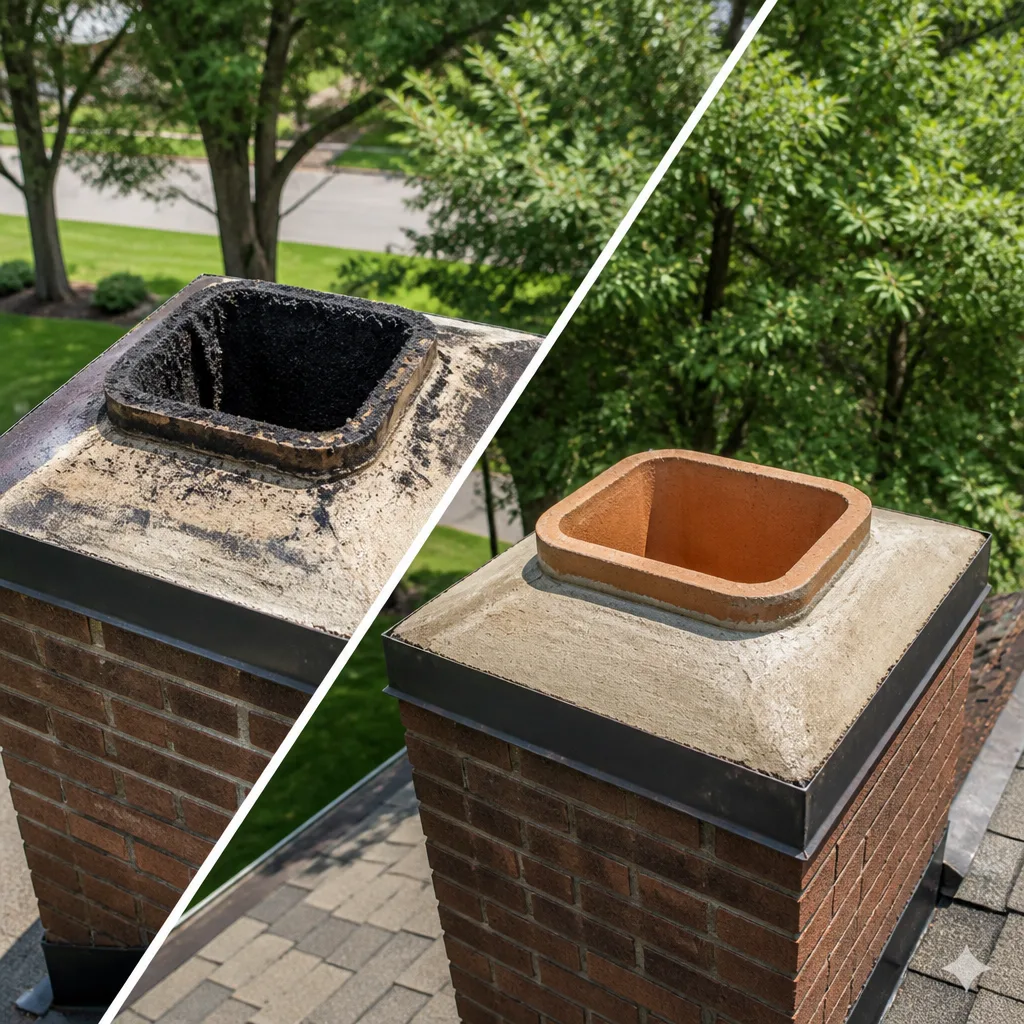
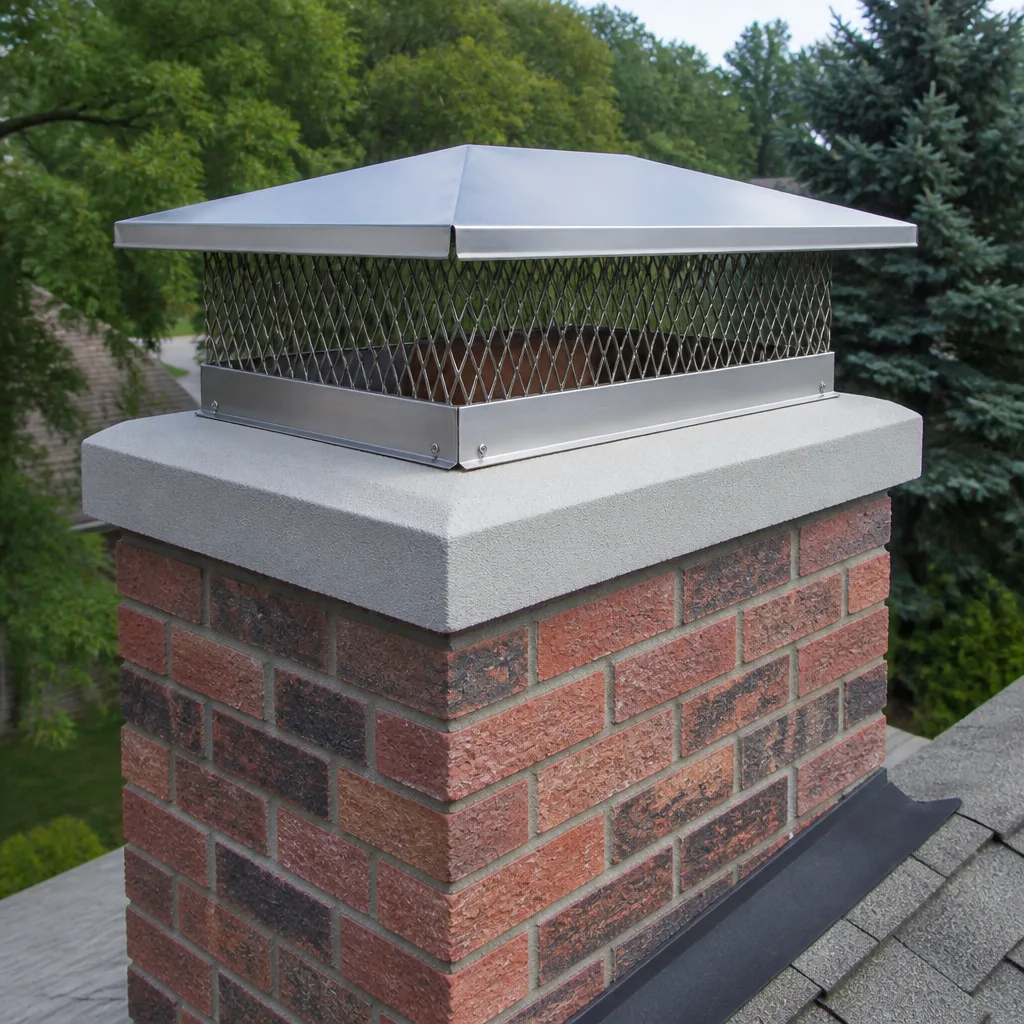
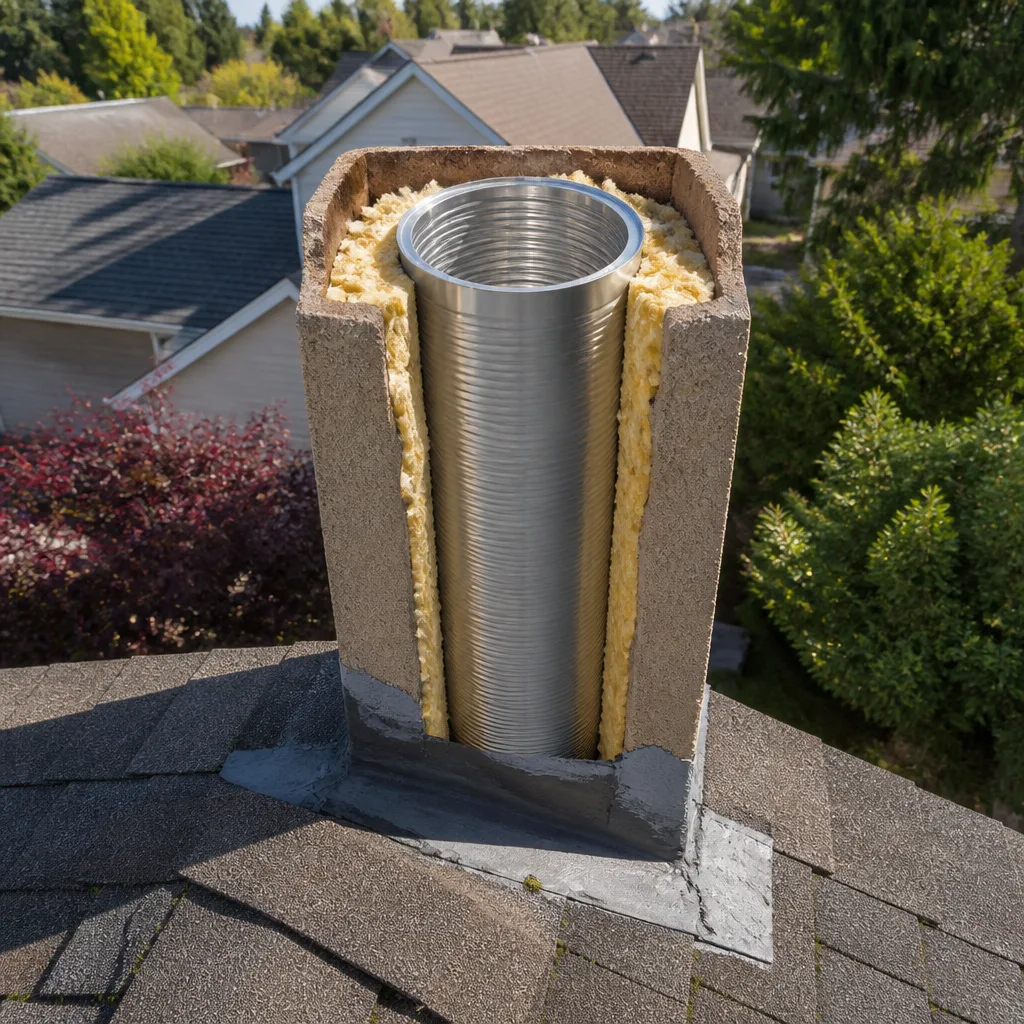
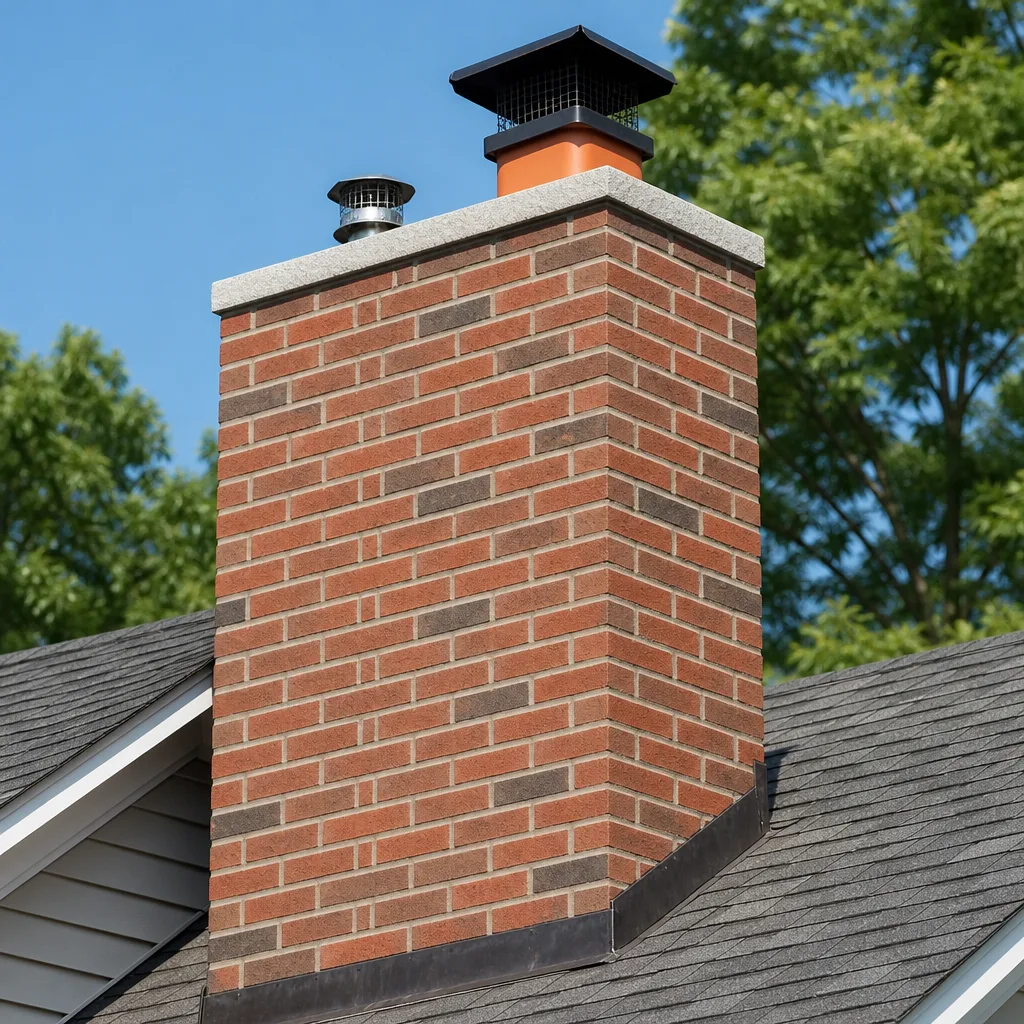
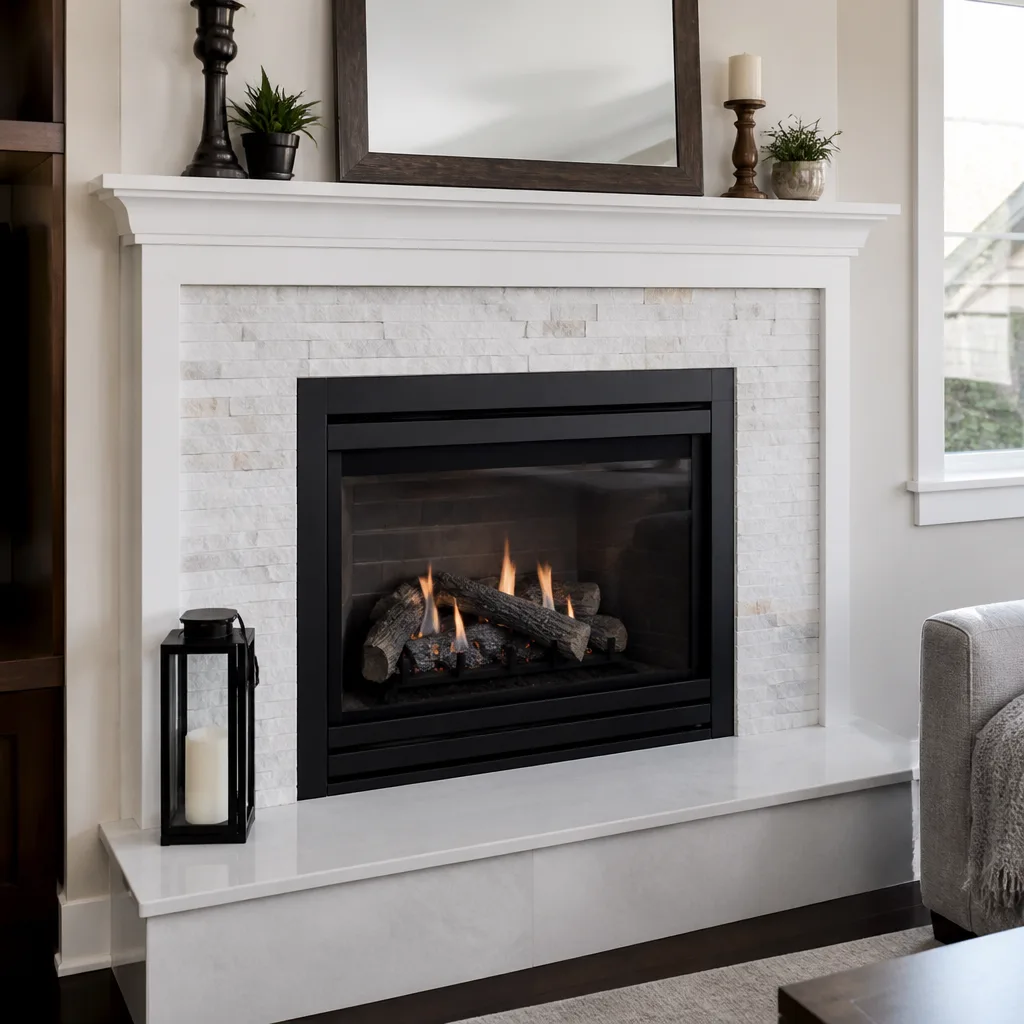
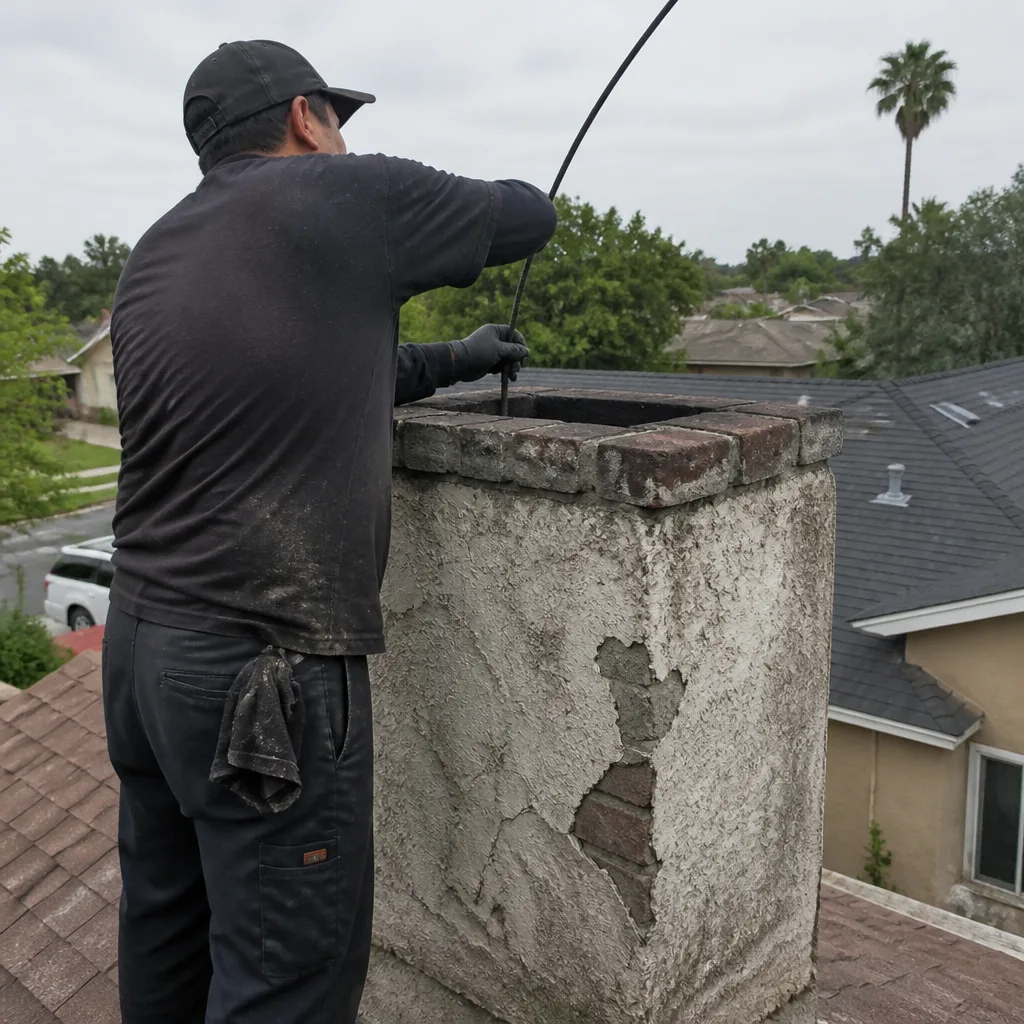 Before
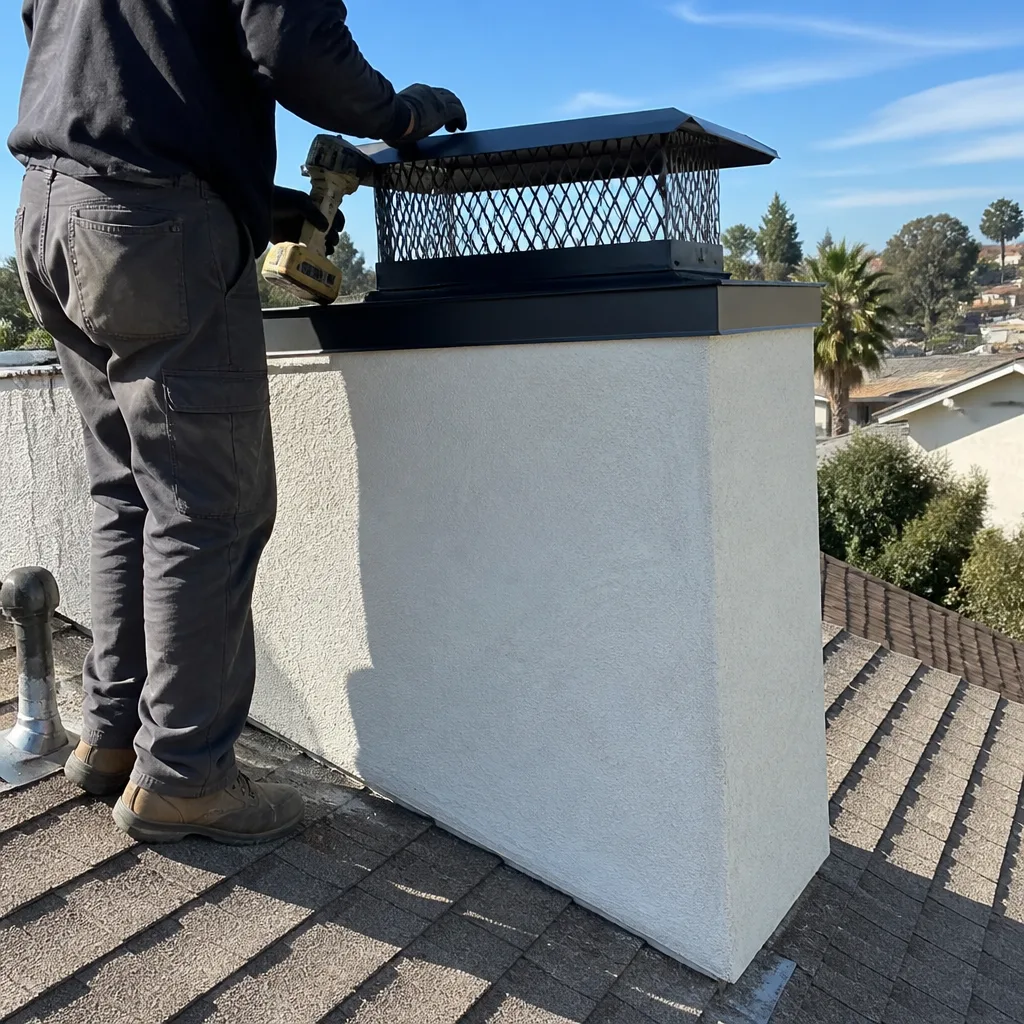 After
After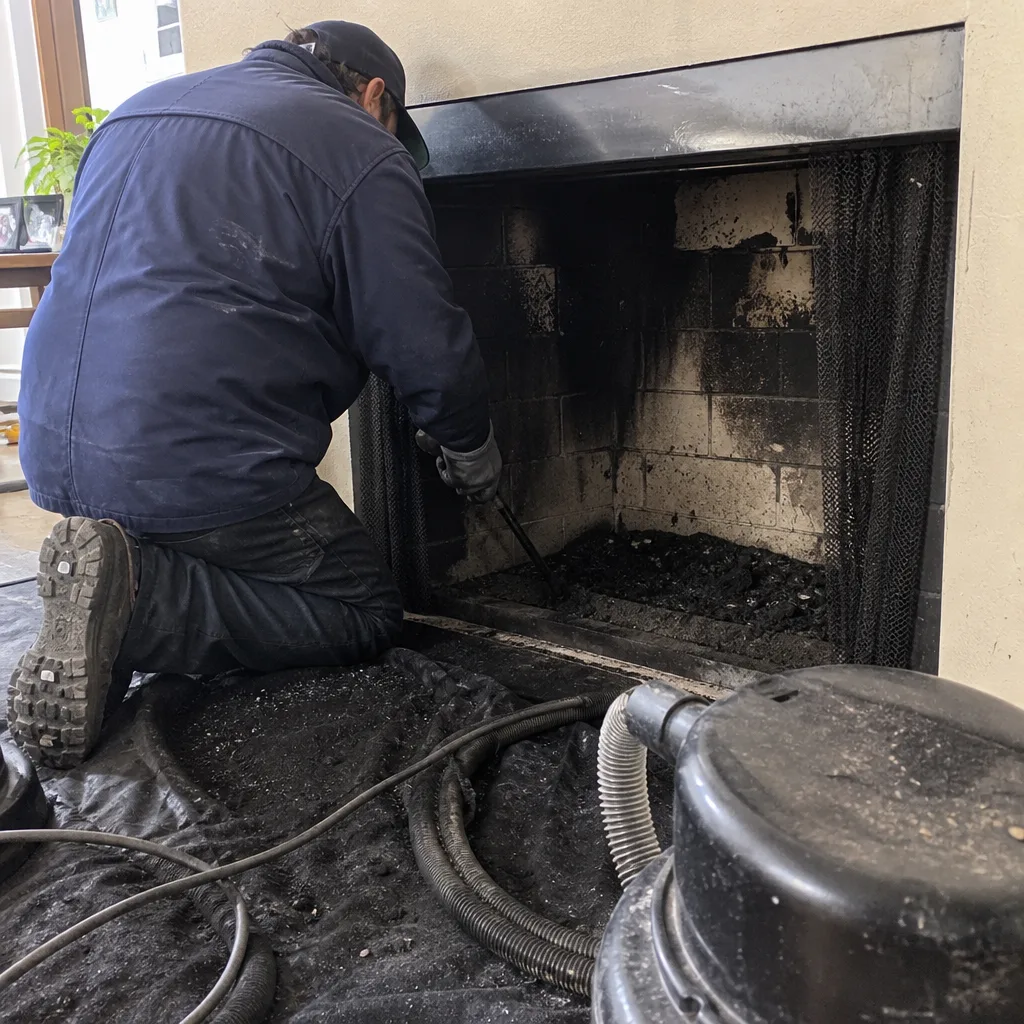 Before
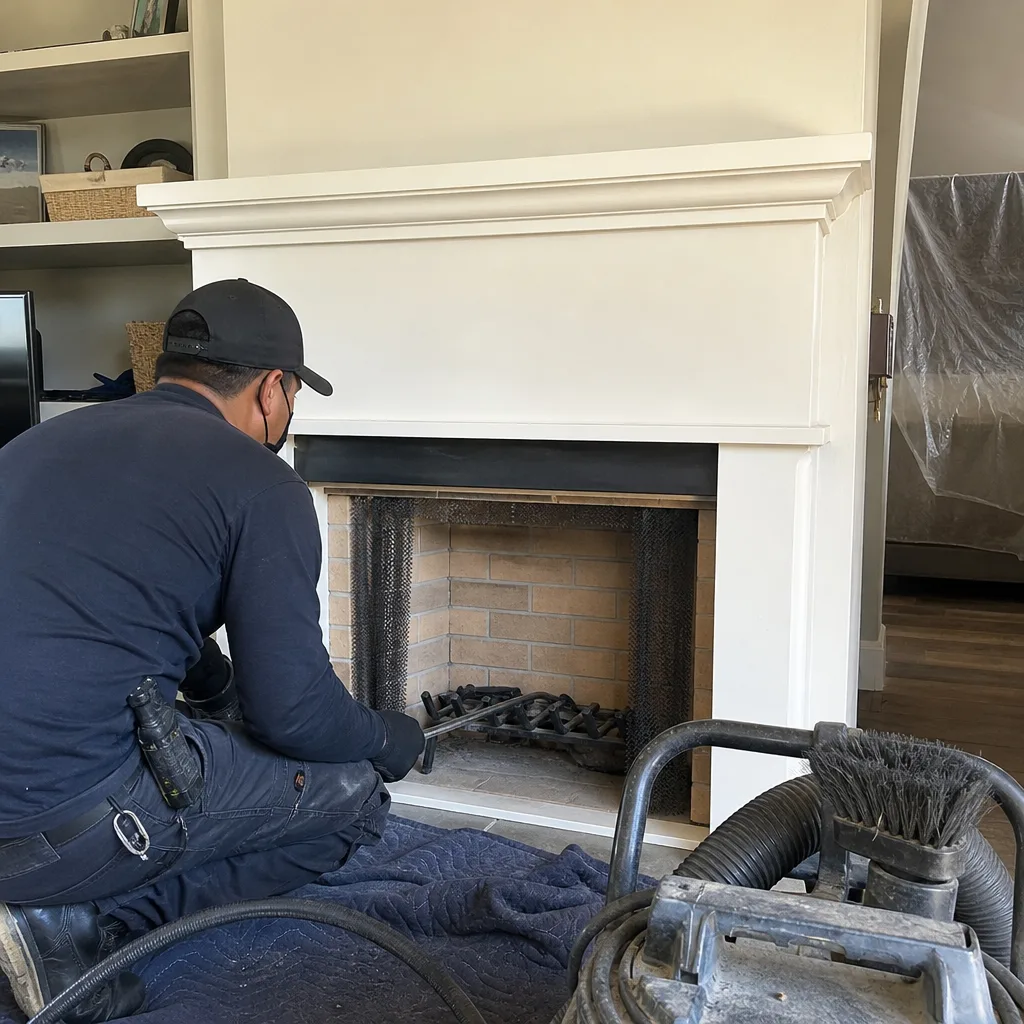 After
After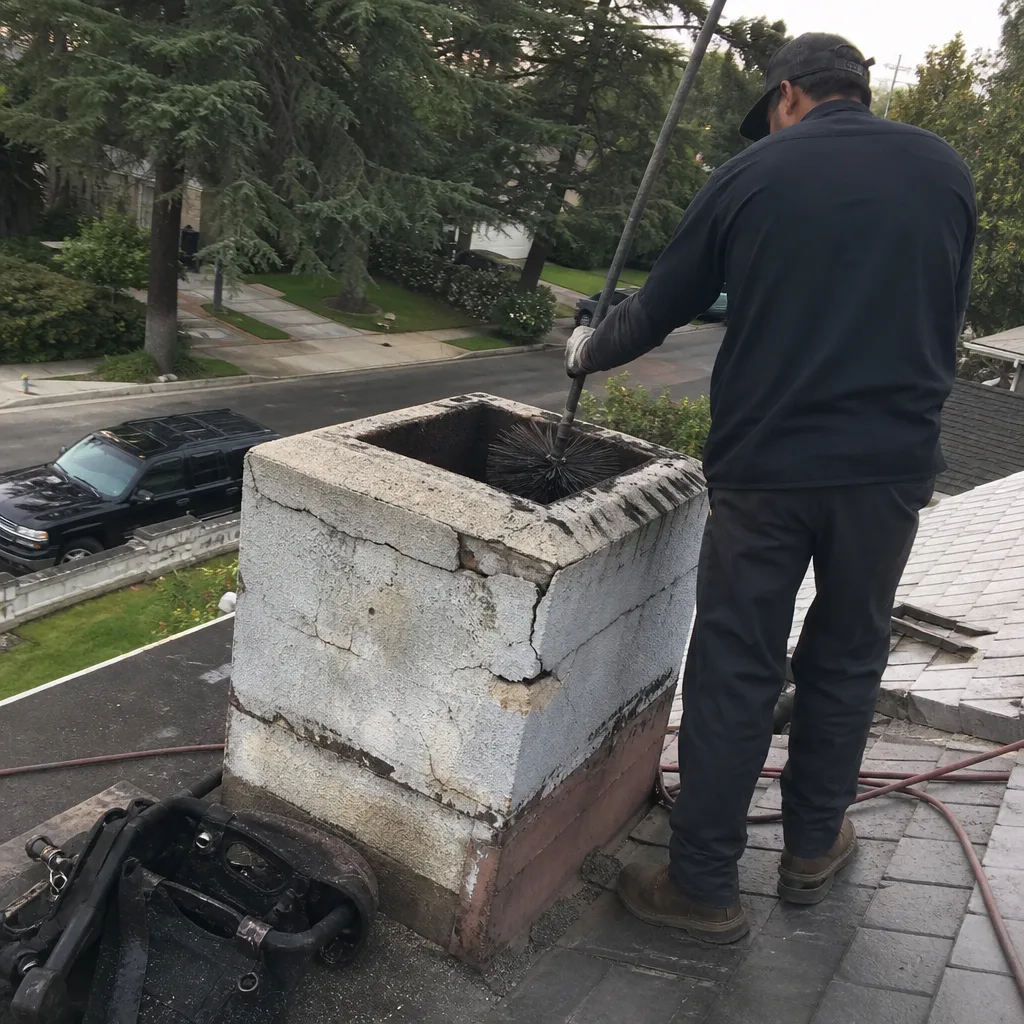 Before
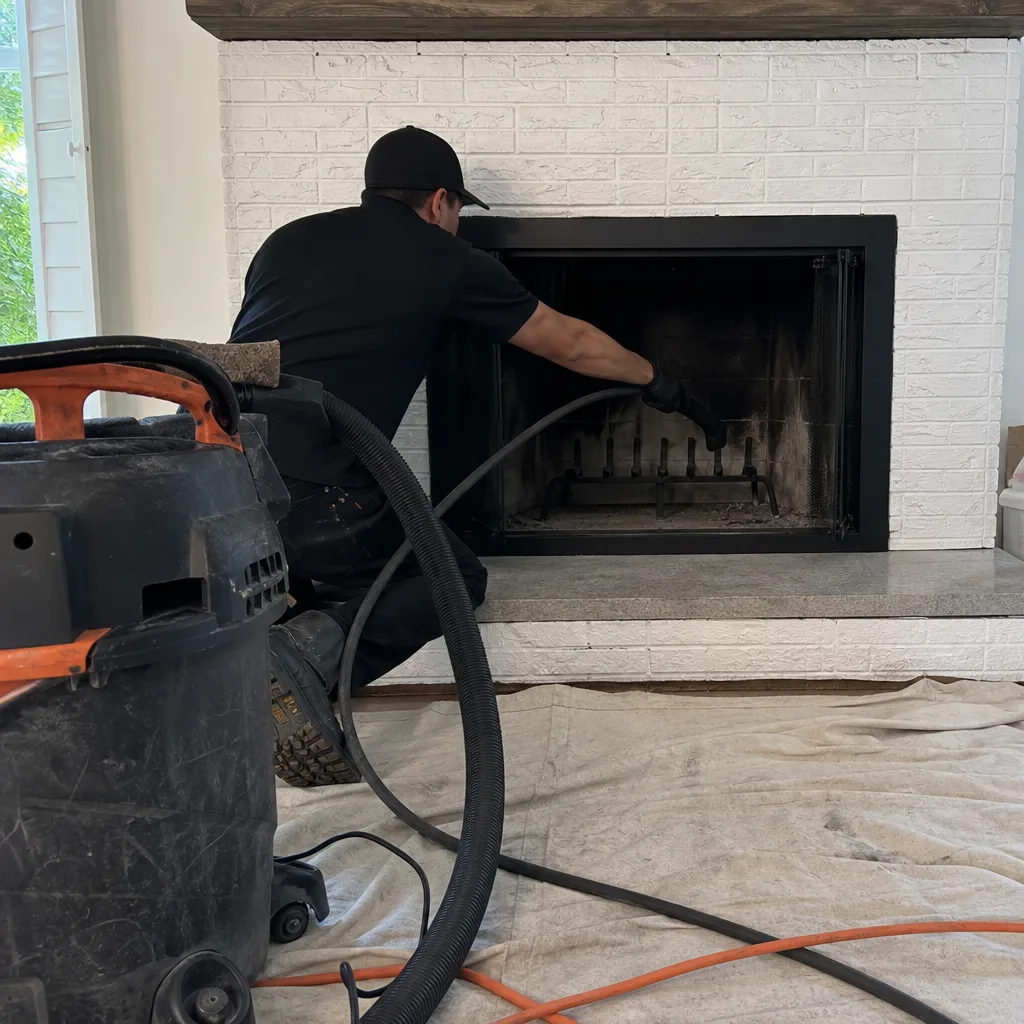 After
AfterChimney Sweep Troubleshooting: Common Problems and How to Fix Them
Smoke backdrafting into your living room has at least six different root causes, only two of which require emergency action – but most guides treat all six identically to sell you an urgent service call. In Los Angeles, where our mild winters mean fireplaces sit idle for eight or nine months, homeowners often miss early warning signs until that first cold November evening turns the living room hazy. This guide gives you a clear triage system: which symptoms mean stop using the fireplace today, which ones you can safely monitor, and what to document before any Chimney Sweep arrives so you don’t pay diagnostic time for information you already have.
Quick Answer
Most chimney problems fall into three categories: draft failures (smoke coming back into the house), physical blockages (debris, nests, or collapsed liner pieces), and component wear (damper malfunction, cracked crown, or deteriorated mortar). Draft issues often resolve with a thorough sweep and damper adjustment; blockages always require professional removal; component wear ranges from minor repairs to full rebuilds depending on what a Chimney Sweep Warning Signs Every Homeowner Should Know camera inspection reveals. The key is knowing which symptoms demand immediate fireplace shutdown and which can wait for your next scheduled service.
Table of Contents
- Smoke Backdrafting Into Your Home: The Six Causes
- Chimney Smells: Creosote, Animals, or Moisture Damage?
- Damper Sticking or Won’t Seal: The LA Thermal Cycling Problem
- How to Test Chimney Draft Yourself
- What to Document Before the Technician Arrives
- Do You Really Need a New Chimney Liner?
- Gas Fireplace Problems vs. Wood-Burning Issues
- Common Mistakes to Avoid
- When to Call a Professional
- Frequently Asked Questions
Smoke Backdrafting Into Your Home: The Six Causes
Smoke in the house is the symptom that drives the most emergency calls we receive at Alcott Chimney Sweep. But not every backdraft situation is an emergency. Here’s the honest breakdown of what we’ve seen across Los Angeles homes from Pacific Palisades to Pasadena.
The Two Emergency Causes: Stop Using the Fireplace Today
1. Obstructed flue from creosote buildup or physical blockage. If smoke pours out the front of the fireplace immediately upon lighting, and you haven’t had the chimney swept in over a year, assume obstruction. Creosote – the tar-like byproduct of wood combustion – can accumulate to the point of restricting airflow, or a bird’s nest, squirrel den, or collapsed piece of clay flue tile may be blocking the path. Either situation creates a genuine fire hazard. The National Fire Protection Association reports that creosote buildup is a leading cause of chimney fires, and an obstructed flue can force deadly carbon monoxide back into living spaces.
2. Negative air pressure from whole-house systems. In newer Los Angeles construction – particularly in neighborhoods like Playa Vista with tight building envelopes – running kitchen range hoods, bathroom exhaust fans, and clothes dryers simultaneously can create enough negative pressure to overcome normal chimney draft. If backdrafting happens only when other appliances run, and especially if it’s accompanied by cold air rushing down the flue when the fireplace isn’t in use, this is your culprit. The fireplace itself may be structurally sound, but using it under these conditions risks CO exposure. Stop using it until a professional evaluates your home’s air balance.
The Four Non-Emergency Causes: Monitor and Schedule Service
3. Cold flue syndrome. On the first cool evening in Los Angeles, typically in late October or November, the air column inside a dormant chimney can be colder and denser than the warm air trying to rise through it. The result: smoke rolls into the room for the first few minutes, then clears as the flue warms. Solution: pre-warm the flue by holding a lit piece of newspaper near the damper for 30-60 seconds before lighting the main fire. If smoke clears after this warmup, you’ve found your answer. No emergency – but do schedule your annual sweep if it’s been over a year.
4. Improper fire building. Too much paper, damp wood, or stacking logs directly against the fireback can all cause temporary smoke spillage. Use seasoned hardwood (20% moisture or less), build with adequate air space between logs, and avoid overloading the firebox. A properly built fire should establish draft within two minutes.
5. Chimney too short for the house. Los Angeles has thousands of 1920s-1950s bungalows with original chimneys that were adequate when surrounded by single-story neighbors. Add a second story next door, and the chimney may no longer rise high enough to clear the pressure zone created by adjacent structures. This requires a professional evaluation and possibly a flue extension – but it’s not an emergency if the fireplace has functioned adequately in previous seasons.
6. Downdraft from wind patterns. Certain Santa Ana wind directions can force air down a chimney, particularly those with no rain cap or with a cap designed without adequate baffling. If backdrafting correlates with specific wind conditions and clears when winds die down, a properly designed cap often solves it.
Chimney Smells: Creosote, Animals, or Moisture Damage?
Los Angeles homeowners call us about chimney odors year-round, but the complaints spike in late summer when heat and humidity amplify any smell. The three distinct odors demand different responses.
Active creosote buildup smells like asphalt or burning tar, often strongest during humid weather or when the fireplace hasn’t been used in weeks. The smell intensifies when the sun heats the chimney exterior. This is your cue to schedule a sweep before burning season – creosote is combustible, and even Stage 1 (soot-like) buildup progresses to Stage 3 (glazed, hardened) if ignored. A standard chimney sweep in Los Angeles typically runs $180 – $280 before any repairs.
A dead animal in the flue produces a sharp, putrid decay odor that worsens daily until the carcass is removed. Squirrels, rats, and birds are common in Los Angeles chimneys, particularly in hillside neighborhoods like Laurel Canyon or the Hollywood Hills where mature trees overhang roofs. If you suspect this, don’t attempt removal yourself – decomposing animals carry pathogens, and improper extraction can push the carcass further down into inaccessible flue sections. Call for professional removal and a cap installation to prevent recurrence.
Efflorescence and moisture damage smells musty, like a damp basement. In Los Angeles, this often traces to failed crown sealant or deteriorated mortar joints that let winter rains penetrate the masonry. The white, powdery deposits you may see on exterior brick are efflorescence – mineral salts left behind as water evaporates. Left unaddressed, freeze-thaw cycles (yes, even in LA, we get enough cold nights) spall the brick faces and compromise structural integrity. The fix ranges from crown resealing with HeatShield or similar professional-grade products ($400 – $700) to partial rebuilds if water damage has progressed.
Document the smell’s character, timing, and any visible stains before calling. This information lets us bring the right equipment and materials on the first visit.
Damper Sticking or Won’t Seal: The LA Thermal Cycling Problem
Here’s something most chimney companies won’t tell you: in Los Angeles, a damper that “sticks” or won’t fully close is almost always a warped metal issue from thermal cycling, not a masonry problem requiring expensive rebuild work.
Our climate creates a unique stress pattern. Daytime summer temperatures routinely hit 85 – 95°F, while winter evening fires push the damper metal to 300 – 500°F. This daily expansion and contraction, season after season, warps cast-iron throat dampers – the traditional plate that sits above the firebox. The warping is progressive: first the damper gets stiff, then it hangs open a quarter-inch, then it won’t seat at all. An open damper in summer costs you significant conditioned air up the flue.
The honest triage: if the damper is merely stiff but still seals when closed, lubrication and adjustment may suffice. If it’s warped past the point of sealing – you’ll see daylight or feel airflow when it’s supposedly closed – replacement is the practical fix. We install Olympia Chimney and Gelco dampers that are spec’d for our temperature swings, not box-store substitutes that warp again in two seasons. See our Choosing the Right Chimney Cleaning Brand: A Buyer’s Guide for Los Angeles for details.
The $40 vs. $400 threshold: a simple adjustment and lubrication runs in the lower range; a top-sealing damper replacement, which seals at the chimney top rather than the throat, runs higher but pays back in energy savings. We always show you the warping on camera before recommending either path, and every repair carries our written guarantee – if it fails within the coverage period, the second visit is free.
How to Test Chimney Draft Yourself
Before calling any chimney service, including our team in Los Angeles, you can perform one simple test that tells you whether you have a functional draft or a structural problem.
- Wait for calm conditions. Wind above 15 mph can skew results. Early morning or evening is usually best in LA.
- Open the damper fully. Ensure no fire has been lit for at least 24 hours; you want a cold flue for this test.
- Hold a single sheet of tissue paper at the firebox opening. Don’t crumple it – the flat sheet is sensitive to slight air movement.
- Observe the tissue for 30 seconds. A functioning chimney with adequate draft will pull the tissue slightly inward, toward the flue. The movement may be subtle – even a gentle, consistent pull indicates working draft.
- Interpret the result. Tissue pulls inward: draft is present; your backdrafting issue is likely pressure-related or fire-building technique. Tissue hangs motionless or pushes outward: draft is weak or reversed; schedule professional evaluation. Tissue flutters erratically: likely wind-induced downdraft; note wind direction for your technician.
This test takes two minutes and gives you concrete information. When you call, tell us the result – we’ll know whether to bring pressure-testing equipment or focus on physical obstruction.
What to Document Before the Technician Arrives
The most expensive part of any service call is diagnostic time spent discovering what you already know. Here’s what to record so your technician starts with facts, not questions.
- Photos of the problem. Smoke stains on the mantel, white efflorescence on exterior brick, rust streaks from the cap, or visible cracks in the firebox – all of these tell a story. Timestamp them.
- Weather conditions when symptoms occur. Note temperature, wind direction, and humidity. In Los Angeles, Santa Ana conditions (low humidity, northeast winds) create different chimney behavior than onshore flow.
- Appliances running during backdrafting. List every exhaust fan, range hood, dryer, and HVAC zone active when smoke entered the room. This pattern reveals pressure imbalances quickly.
- Frequency and timing. “Every time we light a fire” versus “only the first fire of the season” versus “only when the neighbor’s dryer runs” – each points to a different root cause.
- Service history. When was the last sweep? What was done? Have any repairs been performed? Previous work informs what we check first.
- Firewood source and storage. Seasoned oak from a local supplier behaves differently than construction scrap or pallet wood. Moisture content matters enormously.
Bring this documentation to your appointment, or email it ahead if scheduling with our inspection team. It typically saves 15-30 minutes of billable diagnostic time.
Do You Really Need a New Chimney Liner?
This is the question that generates the most skepticism we hear from Los Angeles homeowners – and rightly so. A liner replacement is a significant investment, and too many companies recommend it based on age alone rather than condition.
Here’s our standard: we don’t recommend liner replacement without camera evidence you can see for yourself. Our Level 2 inspection includes a full video scan of the flue interior, and we review the footage with you on-site. The conditions that actually demand replacement are:
- Visible cracks or gaps in clay flue tiles that could allow combustion gases into wall cavities
- Spalling or flaking that creates debris accumulation points and restricts airflow
- Glazed creosote that cannot be fully removed by mechanical sweeping
- Improper sizing for the appliance being vented – particularly common when gas inserts are installed into original wood-burning flues
When replacement is warranted, we specify and install DuraFlex stainless steel liner systems – the same brand chimney professionals use, not improvised substitutes. A properly sized, properly installed liner improves draft efficiency, reduces creosote accumulation, and brings older chimneys into compliance with current NFPA standards.
But here’s the equally important truth: many liners we inspect have decades of serviceable life remaining. If your clay flue tiles are intact and properly sized, a thorough sweep and ongoing maintenance is the right call. We tell you this plainly because our 365-Day Done Right Promise means we’re accountable for every recommendation we make.
Gas Fireplace Problems vs. Wood-Burning Issues
Gas fireplaces fail differently than wood-burning systems, and the troubleshooting path diverges significantly. Our gas fireplace repair service addresses these specifically, but here’s how to triage common symptoms.
Pilot won’t stay lit: Often a thermocouple failure – the safety device that confirms flame presence before allowing gas flow. Thermocouples degrade with heat cycling and are a routine replacement, not a system failure. However, if the pilot lights but the main burner won’t ignite, the issue may be in the gas valve or control module. We don’t recommend homeowner diagnosis of gas components – the consequences of error include gas leaks and combustion hazards.
Soot on glass or logs: Properly burning natural gas produces almost no particulate matter. Soot indicates incomplete combustion, which can stem from improper gas pressure, dirty burners, or – critically – venting problems that allow exhaust recirculation. This is a carbon monoxide risk. Stop using the fireplace and call for service.
Remote or wall switch failure: Often electrical – dead batteries, loose connections, or failed receivers. But verify that the main gas valve is open and the pilot is lit before assuming it’s just the control path.
The safety threshold for gas is lower than for wood. Any smell of gas, any suspicion of incomplete combustion, any CO detector activation – these all mean immediate shutdown and professional evaluation. The Alcott Chimney Sweep home page has our direct line; live operators answer around the clock.
Common Mistakes to Avoid
- Using the chimney as a vent for a new gas appliance without professional evaluation. Los Angeles has strict requirements on flue sizing and liner compatibility for gas conversions. An unlined or improperly lined gas vent can deteriorate the original clay tiles through condensation.
- Installing a “universal” rain cap from a hardware store. These often create more downdraft problems than they solve, particularly on chimneys in wind-exposed hillside locations. Proper cap selection accounts for flue size, local wind patterns, and whether the fireplace is gas or wood-burning.
- Ignoring a “small” crack in the firebox. Heat transfer through even hairline cracks can pyrolyze adjacent framing over time, creating a slow-developing structural fire hazard. What looks minor often isn’t.
- Sweeping only when there’s a problem. In Los Angeles, where many homeowners use fireplaces only occasionally, the annual sweep gets deferred for years. Creosote doesn’t care about your usage frequency – it accumulates with every fire, and moisture from our occasional rains accelerates deterioration in unswept systems.
- Trusting a “chimney sweep” who arrives without identification. Every Alcott technician is Threshold Verified – background-checked, identity-verified, and announced to you by name and photo before arrival. If someone shows up unannounced with no ID badge, don’t open the door. This isn’t paranoia; it’s basic security.
- Accepting verbal estimates for significant repair work. Our written price before any work begins is non-negotiable. If a company won’t put numbers in writing, you won’t have recourse when the final bill doubles.
When to Call a Professional
Call today if you observe: smoke backdrafting combined with a known obstruction or simultaneous appliance use; any gas smell or CO detector activation; visible cracks in the flue liner or firebox; or a dead animal odor from the chimney. These scenarios carry genuine safety risks that don’t wait for convenience.
Schedule soon – within two weeks – for: persistent odors without acute hazard signs; damper malfunction that affects energy efficiency; or draft weakness confirmed by the tissue test. These are maintenance priorities, not emergencies.
Alcott Chimney Sweep offers free estimates in Los Angeles – call (336) 863-3889. You’ll speak to a live person, not a queue, and we’ll schedule a Threshold Verified technician who arrives with a name, a photo you already have, and a written price before any work starts. Every repair carries our written guarantee and the 365-Day Done Right Promise.
Frequently Asked Questions
A standard chimney sweep for a single-flue, wood-burning fireplace typically runs $180 – $280 before any repairs. Gas fireplace service runs $150 – $220. Level 2 camera inspections, which include video documentation of flue condition, run $250 – $400 depending on roof access complexity. We deliver a written price before any work begins – always included, never negotiable. Call (336) 863-3889 for an exact quote; estimates are free.
The National Fire Protection Association recommends annual inspection, with sweeping as needed based on creosote accumulation. For Los Angeles homeowners who burn wood occasionally – perhaps 20 – 30 fires per season – every 1 – 2 years is usually adequate. Heavy use (several times weekly) demands annual sweeping. Gas fireplaces need annual service for valve, burner, and venting safety checks even though they don’t produce creosote. The mild climate here means less freeze-thaw damage than colder regions, but our extended dry seasons allow creosote to harden progressively if not removed.
Only if inspection reveals specific, documented damage: cracks, spalling, improper sizing, or glazed creosote that cannot be removed. We never recommend liner replacement based on age alone. Our Level 2 inspection includes video footage we review with you on-site. If replacement is warranted, we install DuraFlex stainless steel systems with a written guarantee – if the repair fails within the coverage period, the second visit is free. Call (336) 863-3889 to schedule an inspection and see the evidence for yourself.
Progressive creosote buildup increases fire risk with every use. Moisture intrusion through cracked crowns or deteriorated mortar causes structural decay – spalled brick, rusted dampers, and in advanced cases, leaning or separating chimney stacks. Gas systems with neglected venting can produce carbon monoxide at dangerous levels. The cost of deferred maintenance typically multiplies: a $250 sweep becomes a $2,500 liner replacement becomes a $8,000 rebuild. In Los Angeles, where chimneys often sit unused for months, deterioration progresses quietly until the first fire of season reveals it dramatically.
Heat and humidity activate odor molecules in creosote deposits and amplify any organic material in the flue. In Los Angeles, our summer sun heats chimney exteriors to temperatures that drive air movement down the flue, pushing smells into conditioned spaces. A thorough sweep removes the odor source; a top-sealing damper blocks the air path. If smells persist after sweeping, investigate moisture intrusion or animal presence.
Mechanical sweeping with proper brushes and rods is physically possible for some homeowners. We don’t recommend it for several reasons: without a camera inspection, you cannot verify complete creosote removal or identify hidden flue damage; roof access for top-down sweeping is genuinely dangerous; and improper technique can damage clay flue tiles or lodge debris in bends. For the cost of rental equipment and your time, professional service with documented results is the better value. The safety-critical inspection component is what most DIY attempts miss entirely.
The Bottom Line
Chimney problems sort into three buckets: emergencies requiring immediate shutdown (obstruction, negative pressure with CO risk), maintenance priorities to schedule promptly (damper wear, draft weakness, persistent odors), and monitoring items to address at your next regular service (cold flue startup smoke, minor efflorescence). The key is honest triage based on symptoms, not blanket fear. Document what you observe, perform the simple draft test, and demand camera evidence before agreeing to major repairs. For more guides & resources, explore our blog. In Los Angeles, where our burning season is short but our chimneys age in sun and occasional rain, informed maintenance prevents both emergencies and unnecessary expense.
Written by Ruben Castellano, Owner at Alcott Chimney Sweep, serving Los Angeles since 2002.